10 Effective Home Remedies for Managing Stomach Ulcers
Discover safe and natural home remedies that can help soothe and support healing of stomach ulcers, backed by science.
Stomach ulcers, often referred to as peptic ulcers, are open sores that form on the lining of your stomach or the upper part of your small intestine. Their most common symptoms include abdominal pain, bloating, indigestion, nausea, and, in severe cases, vomiting or gastrointestinal bleeding. While medical evaluation and prescription treatment remain essential for severe ulcers, certain home remedies can help manage ulcer symptoms and support the healing process by reducing inflammation and protecting the stomach lining. This comprehensive guide explores ten evidence-based and practical home remedies for managing stomach ulcers.
Understanding Stomach Ulcers
Stomach ulcers occur when there is an imbalance between aggressive factors like stomach acid and digestive enzymes, and protective factors like mucus and bicarbonate. Common underlying causes include infection by Helicobacter pylori (H. pylori), long-term use of non-steroidal anti-inflammatory drugs (NSAIDs), smoking, alcohol abuse, stress, and poor dietary habits.
- Common symptoms: Burning stomach pain, indigestion, nausea, loss of appetite.
- Possible complications: Bleeding, perforation, gastric obstruction (seek urgent medical care if symptoms worsen).
Implementing the remedies below alongside your doctor’s recommendations can help improve comfort and support healing.
1. Ginger: A Natural Anti-Inflammatory
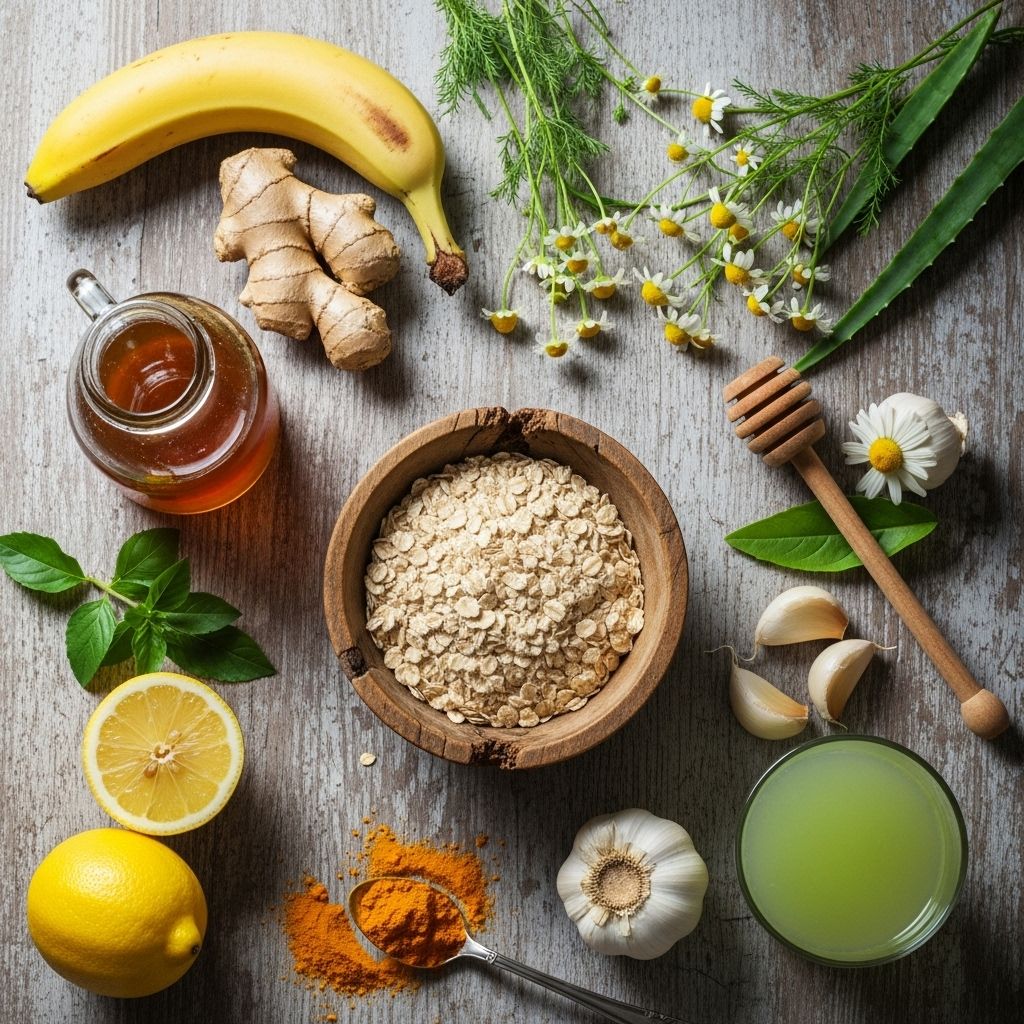
Ginger has long been used in traditional medicine for its anti-inflammatory and digestive benefits. Research indicates that gingerol compounds in ginger can help reduce gastric acid production, relieve nausea, promote digestive motility, and offer antioxidant effects.
- Brew fresh ginger root in hot water for a soothing tea.
- Add grated ginger to meals or smoothies for an anti-inflammatory boost.
- Avoid consuming in excess if you are sensitive to spicy foods, as this may worsen symptoms.
2. Honey: Antibacterial and Healing Properties
Raw honey, especially Manuka honey, is valued for its well-established antimicrobial and wound-healing properties. Honey can help inhibit H. pylori growth, reduce inflammation, and promote tissue regeneration within the stomach lining.
- Take 1-2 teaspoons of raw honey daily, alone or stirred into warm water (not hot, to preserve enzymes).
- You can also combine honey with turmeric or banana powder for synergistic effect.
- Tip: Avoid artificial or highly processed honey products, which lack therapeutic value.
3. Turmeric: Potent Curcumin for Gastric Relief
Turmeric contains the active compound curcumin, known for its antioxidant and anti-inflammatory effects. Curcumin may reduce acid secretion and help heal gastric mucosa, as well as combat H. pylori in laboratory studies.
- Mix turmeric powder into warm milk or tea and consume once or twice daily.
- Alternatively, take turmeric capsules standardized for curcumin content, following label dosage.
- Combine with black pepper (piperine) to enhance absorption.
4. Aloe Vera: Soothing for Gut Lining
Aloe vera is well-regarded for its soothing, anti-inflammatory, and tissue-healing properties. Aloe can neutralize stomach acid, support mucosal lining repair, and reduce symptoms such as pain, nausea, and inflammation.
- Drink 1/4 to 1/2 cup of pure, food-grade aloe vera juice 1–2 times per day.
- Ensure your product is free from laxative anthraquinones (often labeled as decolorized aloe vera juice).
- Regular use for 2–3 weeks has shown effectiveness for some individuals.
5. Probiotics: Restore Gut Flora Balance
Probiotics are ‘good’ bacteria that promote digestive health, outcompete H. pylori, and may protect the stomach lining by restoring the natural balance of your gut microbiome.
- Include natural probiotic foods like yogurt with live active cultures (lactobacillus, bifidobacterium), kefir, sauerkraut, kimchi, or miso.
- Consider probiotic supplements if dairy intolerant or seeking standardized dosage. Opt for formulations with 1–10 billion CFU per serving.
- Probiotics may also reduce side effects of antibiotic therapy for H. pylori.
6. Licorice Root: Boosting Mucosal Protection
Licorice root (specifically deglycyrrhizinated licorice, DGL) contains compounds that increase mucus secretion and protect the stomach lining from acid. Certain studies indicate that it may help prevent and heal ulcers while also mildly inhibiting H. pylori.
- DGL licorice tablets can be chewed about 20–30 minutes before meals, following package instructions.
- Traditional use involves adding licorice root powder to water or honey and consuming daily.
- Caution: Avoid regular licorice (not DGL) if you have high blood pressure, as it may worsen hypertension.
7. Cabbage Juice: Vitamin C and Lactic Acid
Cabbage juice has been recognized for its ulcer-healing abilities since the 1950s. Cabbage is high in vitamin C and other antioxidants that support tissue repair, and its lactic acid content may stimulate blood flow to the stomach lining.
- Juice raw green cabbage and drink half a cup 2–3 times daily, preferably before meals.
- Mix with carrot or apple juice for improved flavor and nutritional variety.
- Regular consumption over 2 weeks has demonstrated significant improvement in ulcer-related symptoms in several studies.
8. Bananas: Gentle and Mucosal Protective
Bananas, both ripe and green, possess compounds that can help trigger the production of gastric mucus and reinforce the stomach’s protective barrier. Some research suggests bananas exhibit anti-ulcer and antimicrobial properties, potentially inhibiting H. pylori.
- Consume 2–3 bananas daily as a snack or part of a balanced meal.
- Green (unripe) plantain bananas especially increase mucosal protection and may neutralize gastric acids.
- Banana peel (washed and dried, ground to powder) may also be mixed with honey and consumed for added benefit.
9. Garlic: Antimicrobial and Antioxidant Aid
Garlic is renowned for its sulfur compounds with broad-spectrum antimicrobial and healing properties. Studies suggest garlic can help reduce H. pylori colonization and inflammation in the gut.
- Add 2–3 raw garlic cloves (finely chopped or crushed) to your daily diet.
- If raw flavor is too strong, gently roast or mix with honey.
- Drink extra water when consuming larger amounts of garlic to minimize possible stomach discomfort.
10. Coconut Products: Natural Antimicrobials
Coconut water, milk, and oil contain antiviral, antimicrobial, and anti-inflammatory components which may help prevent or ease ulcers caused by bacteria or medication. Coconut soothes the digestive tract and provides hydrating electrolytes.
- Drink fresh coconut water or coconut milk once or twice per day.
- Add one tablespoon of coconut oil to your morning routine.
- Coconut products are generally well-tolerated and offer gentle digestive support.
Honorable Mentions: Other Natural Remedies
- Castor Oil Compresses: Known to reduce pain and inflammation when applied topically to the abdomen.
- Chamomile Tea: May reduce inflammation and help soothe digestive discomfort.
- Essential Oil Massage: Gently massaging the abdomen in circular motions can ease bloating and pain. Always dilute essential oils appropriately.
- Colorful Fruits: Berries, guava, apples, pears, and melons contain flavonoids with antioxidant effects for mucosal healing.
Practical Diet and Lifestyle Tips
- Eat frequent, small meals to avoid overwhelming the stomach with excess acid.
- Choose bland, non-irritating foods (like oatmeal, apples, pears, and rice) and avoid spicy, fatty, or acidic foods.
- Avoid alcohol, caffeine, smoking, and NSAIDs if possible, as these aggravate symptoms.
- Manage stress through meditation, gentle exercise, or relaxation techniques, as stress can exacerbate ulcer formation and delay healing.
When to Consult a Doctor
While these remedies can alleviate mild or moderate symptoms, consistent, worsening, or severe abdominal pain, vomiting blood, or black/tarry stools require prompt medical attention. Prescription medications (e.g., proton pump inhibitors, antibiotics for H. pylori) may be necessary for complete healing.
Frequently Asked Questions (FAQs)
Q: Are home remedies a substitute for medical treatment of stomach ulcers?
A: Home remedies can support mild symptom relief and aid healing but are not a substitute for medical evaluation, especially in severe or recurrent cases.
Q: How long should I try home remedies for an ulcer?
A: You may give remedies 2–3 weeks to see improvement. If symptoms persist or worsen, consult your doctor for further evaluation and treatment.
Q: Are there foods I should avoid with a stomach ulcer?
A: Limit spicy, fried, highly acidic, processed foods, caffeine, alcohol, and carbonated beverages to reduce irritation and promote healing.
Q: Can supplements like turmeric or licorice cause side effects?
A: High doses of supplements may cause gastrointestinal symptoms or interact with medications. Use standardized products as directed and always check with your healthcare provider.
Q: Does stress really make ulcers worse?
A: Yes, chronic stress may increase stomach acid production and delay ulcer healing. Incorporate stress reduction into your overall treatment plan.
Summary Table: Top 10 Remedies for Stomach Ulcer Relief
| Remedy | Main Benefit | How to Use | Precautions |
|---|---|---|---|
| Ginger | Reduces inflammation, soothes digestion | Tea, grated into foods | Avoid excess if sensitive |
| Honey | Heals, inhibits H. pylori | 1-2 tsp daily or with teas/foods | Avoid artificial honey |
| Turmeric | Anti-inflammatory, supports healing | With milk or as capsules | Enhance absorption with black pepper |
| Aloe Vera | Soothes, protects lining | 1/4–1/2 cup juice daily | Use food-grade, decolorized juice |
| Probiotics | Restores gut flora | Yogurt, fermented foods, supplements | Check for live cultures |
| Licorice Root | Increases mucus, inhibits H. pylori | DGL tablets, powder with honey | Avoid if hypertensive |
| Cabbage Juice | Vitamin C, heals ulcers | 1/2 cup juice before meals | May cause gas for some |
| Bananas | Protects lining, antimicrobial | 2–3 daily, ripe/green | None significant |
| Garlic | Reduces H. pylori | 2–3 raw cloves daily | May cause odor/stomach upset |
| Coconut Water/Oil | Antimicrobial, soothing | Drink/mix oil, 1–2x per day | Moderation if sensitive to fats |
Natural remedies for stomach ulcers play a supportive role. Consistency and holistic care, including stress management, gentle dietary choices, and professional guidance, are key to effective symptom relief and gut healing.
Similar Articles







Read full bio of medha deb