14 Effective Home Remedies For Quick Burn Relief
Discover proven natural remedies and first aid steps to soothe, heal, and manage minor burns quickly and safely at home.
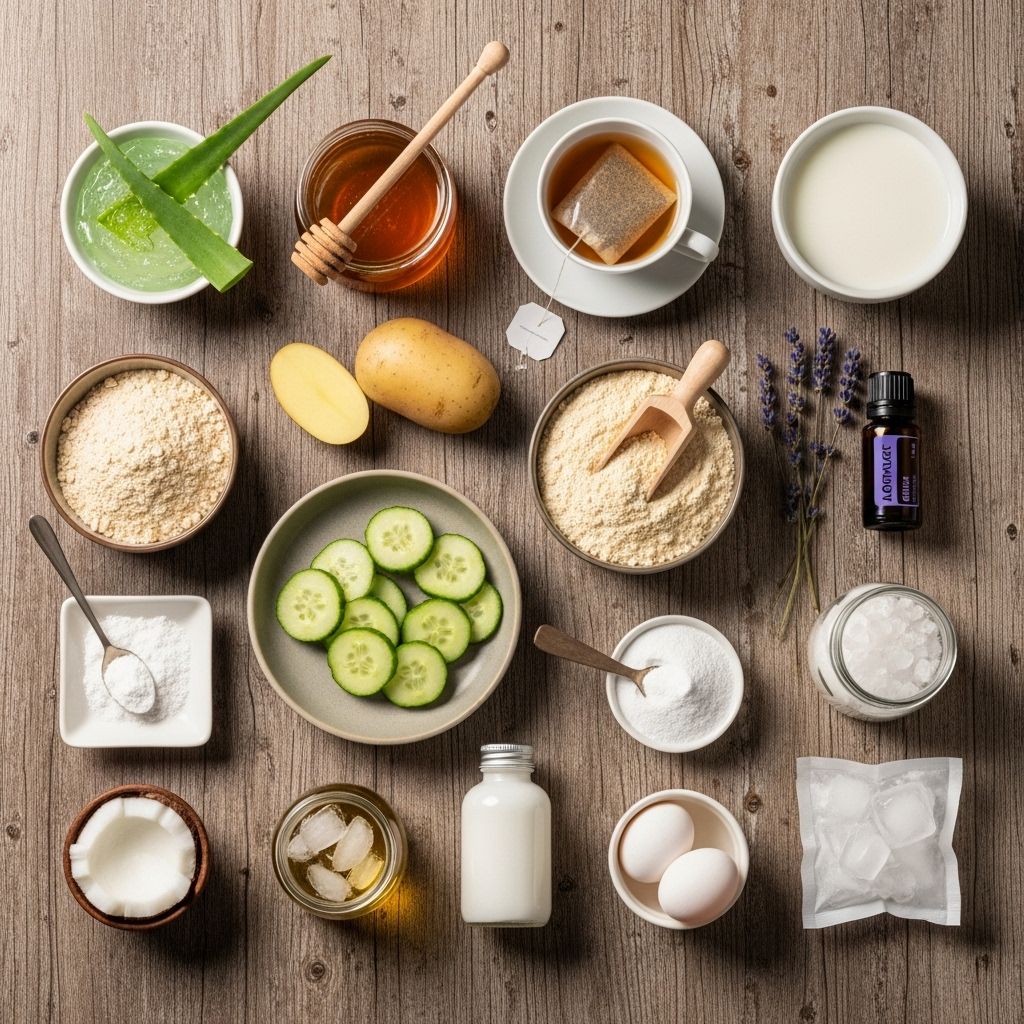
Burn injuries are common accidents that can happen to anyone at home, whether from cooking, ironing, or handling hot objects. While some burns require immediate medical attention, minor burns can often be treated safely with home remedies. This comprehensive guide discusses 14 natural remedies that can offer fast relief for minor burns, how to apply them effectively, important first aid guidelines, and tips to prevent scarring and complications.
Table of Contents
- What Are Burns?
- Types and Severity: How to Classify Burns
- First Aid Steps for Minor Burns
- 14 Natural Home Remedies for Burns
- Prevention Tips and What to Avoid
- Do’s and Don’ts When Treating Burns at Home
- When to Seek Medical Attention
- Frequently Asked Questions (FAQs)
What Are Burns?
Burns are injuries caused by heat, chemicals, electricity, radiation, or friction that damage the skin and sometimes deeper tissues. The seriousness of a burn depends on both its depth (degree) and area affected. Timely and correct treatment can minimize pain, promote healing, and reduce the risk of complications or scarring.
Types and Severity: How to Classify Burns
| Degree | Affected Area | Symptoms | Requires Home Care? |
|---|---|---|---|
| First-degree | Outer layer (epidermis) | Redness, pain, swelling, NO blisters | Yes |
| Second-degree | Epidermis and part of dermis | Blisters, wet/shiny skin, severe pain | Minor may be treated at home; major needs medical help |
| Third-degree | All skin layers | White, charred, leathery skin; may be painless | No – needs emergency care |
| Fourth-degree | Skin, muscle, bone | Blackened skin, exposed bone/tissue | No – needs emergency care |
Note: This guide focuses on first-degree and minor second-degree burns that do not cover large areas or vital body parts (face, hands, groin, feet).
First Aid Steps for Minor Burns
Immediate first aid can prevent a minor burn from worsening and speed up healing. Follow these steps:
- Remove the heat source immediately and ensure safety.
- Cool the burn by running cool (not cold) water over the area for 10-20 minutes. This helps reduce pain and tissue damage.
- Clean the burn gently with mild, fragrance-free soap and cool water to prevent infection. Do not scrub.
- Remove jewelry or tight clothing near the burn before swelling starts.
- Pat the area dry with a clean cloth.
- Apply a sterile, non-stick bandage or clean gauze loosely if needed.
- Take over-the-counter pain relievers (acetaminophen or ibuprofen) if necessary for pain.
Do NOT use ice, as it can damage skin tissue and worsen the injury.
14 Natural Home Remedies for Burns
After initial first aid, certain natural remedies can help soothe pain, aid healing, and minimize scarring for minor burns. Here are 14 of the most effective:
1. Cool Water
- Apply cool running water over the burn for 10 to 20 minutes as quickly as possible.
- This provides immediate pain relief, reduces skin temperature, and prevents the burn from penetrating deeper tissues.
2. Cool Compresses
- Use a clean, damp, cool (not cold) cloth on the burned skin for 10-15 minutes at a time.
- Helps reduce swelling, inflammation, and discomfort.
- Repeat as needed, making sure not to apply ice or direct cold packs.
3. Aloe Vera Gel
- Aloe vera is renowned for its soothing, anti-inflammatory, and wound-healing properties.
- Use fresh pure aloe vera gel, extracted from an aloe plant or a store-bought gel with minimal additives.
- Apply a thick layer to the burn, leave it on for 20–30 minutes, and reapply as needed.
4. Honey
- Raw honey is a natural antibacterial and anti-inflammatory agent.
- Spread a thin layer on a clean bandage or gauze, then gently place it over the burn.
- Honey helps keep the wound moist, discourages infection, and may speed healing and reduce scarring.
- Note: Honey should only be used on closed burns, and under a doctor’s supervision for deeper burns.
5. Coconut Oil
- Extra virgin coconut oil is a natural moisturizer with antibacterial and anti-inflammatory benefits.
- After the burn cools and closes, gently apply a thin layer to keep the skin supple and supported during healing.
- Can be reapplied several times a day.
- Caution: Do not use on open or weeping burns; always consult your doctor before use to avoid infection risk.
6. Petroleum Jelly
- Once the burn has cooled and the skin is intact, apply a thin layer of 100% plain petroleum jelly to lock in moisture and support healing.
- Do not use products containing fragrances, dyes, or antiseptics that may irritate the burn.
7. Oatmeal Baths
- If the burn is in an area that can be soaked, add colloidal oatmeal to a cool bath to help relieve itching and irritation as it heals.
- Do not scrub the burnt area while bathing.
8. Tea Bags
- The tannins in black tea have mild astringent and soothing effects on the skin.
- Brew a few tea bags, let them cool fully, and then gently dab the liquid onto the burn with a sterile cloth or place the cooled tea bags directly on the site for temporary pain relief.
9. Lavender Essential Oil
- Lavender has mild analgesic and anti-inflammatory attributes.
- Dilute a few drops in a neutral carrier oil (like coconut or olive oil). Gently apply around (not in) the burn area to soothe discomfort.
- Do NOT use essential oils undiluted on burns or open wounds; always patch test first.
10. Licorice Root
- Licorice root contains compounds with anti-inflammatory and antimicrobial effects.
- Crush dried licorice root into a powder and make a paste with a little water, or use a licensed topical gel. Apply gently to closed, healing burns.
11. Gotu Kola (Centella asiatica)
- This herb is traditionally used to support wound healing by promoting collagen synthesis and enhancing circulation.
- Apply as a commercial ointment or cream to closed burns.
12. Bio-Oil
- Bio-Oil contains a blend of oils and vitamin E which some people use for minimizing burn scars.
- Massage gently into healed burn areas twice daily, ideally for three or more months.
- Clinical evidence for scar reduction is limited; results vary.
13. Over-the-Counter Silicone Gel Sheets
- Silicone sheets or ointments can reduce risk of hypertrophic scarring if used during the healing phase.
- Use as per product instructions once skin has re-epithelialized (healed over).
14. Hydration and Nutrition
- Staying hydrated and eating a balanced diet rich in vitamins C, E, and protein supports the body’s natural tissue repair process.
- Poor nutrition can slow down burn healing and heighten risk of infection.
Prevention Tips and What to Avoid
- Avoid sun exposure on healing burns; UV rays can worsen damage and discoloration. Cover the area and use broad-spectrum sunscreen (SPF 30+) after the skin has closed.
- Don’t pop blisters. Intact blisters protect underlying tissue. If a blister breaks, gently clean with soap and water, pat dry, and cover with a sterile dressing.
- Don’t apply toothpaste, butter, raw eggs, or ice. These can aggravate burns or increase infection risk.
- Keep the burn clean and dry, and change dressings as recommended.
- Wear loose, soft clothing over the area to prevent irritation.
Do’s and Don’ts When Treating Burns at Home
| Do | Don’t |
|---|---|
| Cool burn with water right away | Use ice, butter, toothpaste, or oil directly on open burns |
| Keep site clean, use mild soap | Burst blisters or peel skin |
| Cover loosely with sterile bandage | Apply adhesive bandages on large or weeping burns |
| Seek medical advice for deep or widespread burns | Self-treat burns on face, hands, genitals, or large body areas |
When to Seek Medical Attention
- Third or fourth-degree burns; charring, white/blackened skin, exposed tissue.
- Chemical, electrical, or large burns.
- Burns affecting face, hands, feet, genitals, major joints.
- Signs of infection: increased pain, redness, pus, fever, swelling, or red streaks.
- Children, older adults, or those with chronic diseases (diabetes, immune disorders) with any burn.
Frequently Asked Questions (FAQs)
Q: How long do minor burns take to heal?
A: Most first-degree burns heal within 7-10 days with proper care. Minor second-degree burns may take two to three weeks to resolve. Severe or infected burns require a longer healing process and often medical treatment.
Q: Can I use ice or very cold water to cool a burn?
A: No, never use ice or ice-cold water on burns; it can worsen tissue damage. Use cool (but not cold) running water or a cool compress.
Q: Which home remedy is safest to use on children’s burns?
A: For small, minor burns in children, run cool water over the area, then use pure aloe vera gel or a clean, loose bandage. Seek medical attention for burns on the face, hands, or groin, or for any severe or blistering burn.
Q: Should I apply butter, oil, or toothpaste to burns?
A: No, these common myths are unsafe! Butter, oils, and toothpaste can trap heat, worsen burns, and increase the risk of infection.
Q: What signs indicate a burn is infected?
A: Redness extending beyond the burn, increased pain, swelling, warmth, pus, foul odor, or fever are signs of infection. Seek medical care immediately if these occur.
Q: Does sun exposure slow burn healing?
A: Yes, direct sunlight can aggravate and discolor burn scars. Keep burns covered and protected until fully healed, and always use sunscreen once skin has closed.
Q: How can I minimize scarring after a burn?
A: Moisturize healed skin with aloe vera, silicone gel, or Bio-Oil; avoid sun exposure, and don’t pick at scabs or blisters. For persistent scars, consult a dermatologist about medical options.
References
- Healthline: What Home Remedies Can Help Treat Minor Burns?
- Mayo Clinic: What steps can I take to treat a minor burn at home?
- StyleCraze: Home Remedies For Burns: 14 Natural Treatments For Quick Relief
- Medical News Today: Home remedies for burns and scalds
Similar Articles






Read full bio of medha deb