10 Home Remedies to Relieve Sinus Pain and Pressure Naturally
Discover effective, drug-free ways to soothe sinus pain and reduce pressure for better breathing and comfort.
Introduction
Sinus pain and pressure can disrupt your daily life, making it hard to focus, breathe, or sleep comfortably. While over-the-counter medications are commonly used, many people prefer natural, drug-free approaches to relieve discomfort. This article explores ten effective home remedies that can help reduce sinus pain and pressure, drawing from trusted health sources and practical experience.
1. Stay Hydrated
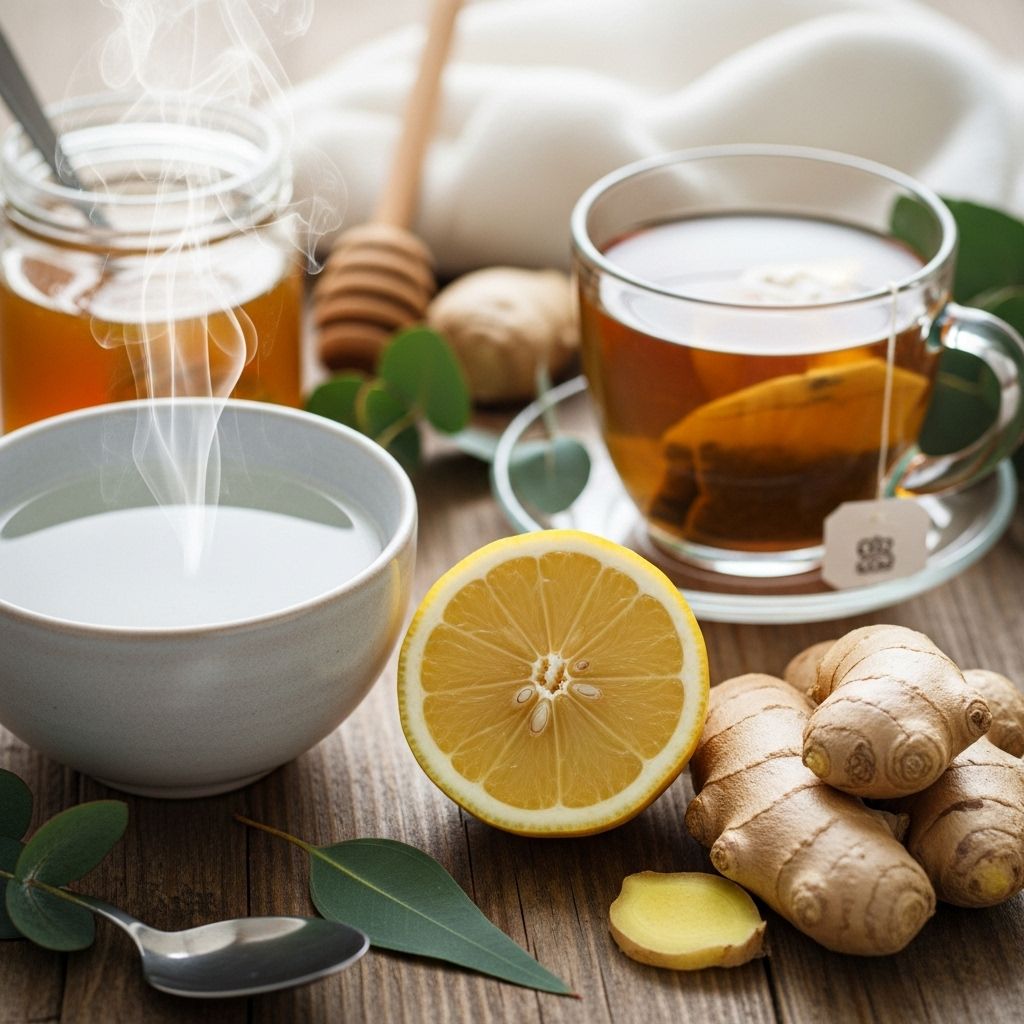
Hydration is foundational for sinus health. Drinking plenty of fluids helps thin mucus, making it easier for your sinuses to drain and reducing the sensation of pressure and congestion. Aim for at least eight glasses of water a day—more if you’re exercising or in a dry environment. Warm liquids like herbal teas, broths, or warm water with lemon can be especially soothing and help open up nasal passages.
- Choose water, herbal teas, broths, and electrolyte-rich drinks.
- Avoid caffeinated and alcoholic beverages, as they can dehydrate you.
- Consider warm liquids to provide extra comfort and promote drainage.
2. Use a Humidifier
Dry air can irritate nasal passages and worsen sinus pressure. A cool-mist humidifier or vaporizer adds moisture to your environment, soothing irritated membranes and promoting easier breathing. This is especially helpful during winter months or in climates with low humidity.
- Place a humidifier in your bedroom or main living area.
- Clean the humidifier regularly to prevent mold and bacteria buildup.
- Consider a steam vaporizer for deeper, temporary relief.
3. Apply Warm Compresses
Warm compresses placed over the cheeks, forehead, or around the nose can ease sinus pain and help loosen clogged mucus. The heat increases blood flow, reduces inflammation, and provides comforting relief from pressure.
- Soak a clean washcloth in warm (not hot) water, wring it out, and apply for 10–15 minutes several times a day.
- Repeat as needed to soothe discomfort and promote drainage.
4. Inhale Steam
Steam inhalation is a time-tested remedy for opening blocked sinus passages. The moist heat thins mucus, making it easier to expel and reducing congestion.
- Take a hot shower and breathe deeply in the steamy air.
- Fill a bowl with hot water, drape a towel over your head, and inhale the steam for 10–15 minutes.
- Add a few drops of eucalyptus or peppermint oil for an extra decongestant effect—check for allergies first.
5. Use Saline Nasal Rinses
Saline nasal irrigation flushes out mucus, allergens, and irritants from your nasal passages, providing prompt relief from congestion and inflammation. Neti pots, squeeze bottles, or saline sprays are all effective options.
- Use distilled, sterile, or previously boiled water to mix saline solution—never use tap water directly.
- Follow the instructions for your device to avoid irritation or infection.
- Repeat 1–2 times daily during symptoms, or as needed.
6. Elevate Your Head While Sleeping
Sleeping with your head elevated encourages mucus drainage and reduces nighttime sinus pressure. Propping up with an extra pillow or using a wedge pillow can make a big difference in comfort and symptom relief.
- Use an extra pillow or two under your head.
- Consider a wedge pillow for consistent elevation.
- Elevation also helps prevent mucus from pooling in your sinuses overnight.
7. Massage Sinus Pressure Points
Gentle facial massage can help relieve sinus pressure by stimulating circulation and encouraging drainage. Focus on areas where pressure tends to build up, such as the bridge of the nose, under the eyes, and along the cheekbones.
- Use your fingertips to apply gentle pressure in small circular motions.
- Massage for a few minutes, repeating as needed throughout the day.
- This technique can provide temporary relief and complement other remedies.
8. Get Plenty of Rest
Rest is essential for your body to heal and fight off infections that may cause sinus pressure. Fatigue can worsen symptoms, so prioritize quality sleep and relaxation.
- Listen to your body and rest when you feel fatigued.
- Avoid overexertion until symptoms improve.
- Combine rest with other remedies for best results.
9. Consider Over-the-Counter Medications (If Needed)
While the focus is on natural remedies, over-the-counter (OTC) medications can provide additional relief for some people—especially when symptoms are severe.
- Decongestants (oral or nasal spray) can reduce swelling and open nasal passages, but avoid using nasal sprays for more than a few days to prevent rebound congestion.
- Saline nasal sprays moisturize and soothe irritated nasal passages.
- Pain relievers like acetaminophen or ibuprofen can ease discomfort, but use as directed and consult your healthcare provider if symptoms persist.
10. Know When to See a Doctor
Home remedies are effective for mild to moderate sinus pain and pressure, but certain symptoms warrant medical attention. Seek professional care if you experience:
- Symptoms lasting more than 10 days without improvement.
- High fever, severe headache, or facial swelling.
- Vision changes, confusion, or persistent nasal discharge (especially if colored or foul-smelling).
- Severe or worsening symptoms, or if you have underlying health conditions.
Comparing Home Remedies for Sinus Pain
| Remedy | How It Helps | Best For |
|---|---|---|
| Hydration | Thins mucus, promotes drainage | General sinus health, congestion |
| Humidifier | Moisturizes nasal passages, soothes irritation | Dry environments, winter months |
| Warm Compress | Reduces pain, loosens mucus | Acute pressure, facial discomfort |
| Steam Inhalation | Opens nasal passages, thins secretions | Congestion, nasal stuffiness |
| Saline Rinse | Flushes irritants, reduces inflammation | Allergies, chronic congestion |
| Head Elevation | Promotes drainage, reduces nighttime symptoms | Nighttime sinus pressure |
| Facial Massage | Relieves pressure, stimulates circulation | Temporary symptomatic relief |
| Rest | Supports healing, reduces fatigue-related symptoms | Recovery, acute illness |
| OTC Medications | Provides additional symptom control | Severe symptoms, short-term use |
Frequently Asked Questions (FAQs)
How Long Should I Use a Humidifier for Sinus Relief?
Use a humidifier as long as your environment is dry or your symptoms persist. Clean it regularly to prevent mold growth.
Are Nasal Rinses Safe for Children?
Nasal rinses can be safe for children if done correctly and with age-appropriate devices. Always use sterile water and supervise young children.
Can Sinus Pressure Cause Tooth Pain?
Yes, sinus pressure can sometimes radiate to the upper teeth, mimicking a toothache. If in doubt, consult your dentist or healthcare provider.
When Should I See a Doctor for Sinus Pain?
Seek medical attention if symptoms are severe, last more than 10 days, or are accompanied by fever, vision changes, or facial swelling.
Is It Safe to Use Essential Oils for Steam Inhalation?
Some essential oils (like eucalyptus or peppermint) can enhance steam inhalation, but use sparingly and check for allergies or sensitivities first.
Additional Tips for Sinus Health
Beyond immediate relief, maintaining healthy sinuses year-round can help prevent pain and pressure. Consider these lifestyle habits:
- Manage allergies with avoidance strategies and medications if needed.
- Practice good hand hygiene to reduce the risk of infections.
- Avoid smoking and exposure to secondhand smoke, which irritate nasal passages.
- Stay up to date with vaccinations, including the flu shot.
- Eat a balanced diet rich in fruits, vegetables, and antioxidants to support immune health.
Conclusion
Sinus pain and pressure don’t have to control your life. With these ten home remedies—hydration, humidity, warm compresses, steam, saline rinses, elevation, massage, rest, cautious OTC use, and knowing when to seek help—you can effectively manage symptoms and breathe easier. Remember, if symptoms persist or worsen, consulting a healthcare professional ensures you receive the right care for your needs.
By taking a proactive, natural approach and paying attention to your body’s signals, you can relieve sinus pain and pressure without relying solely on medications. Start with these remedies, find what works best for you, and enjoy clearer, more comfortable breathing every day.
Similar Articles







Read full bio of Sneha Tete