8 Effective Home Remedies for Restless Legs Syndrome
Explore natural remedies and lifestyle tips to ease restless legs syndrome and enjoy deeper, uninterrupted sleep.
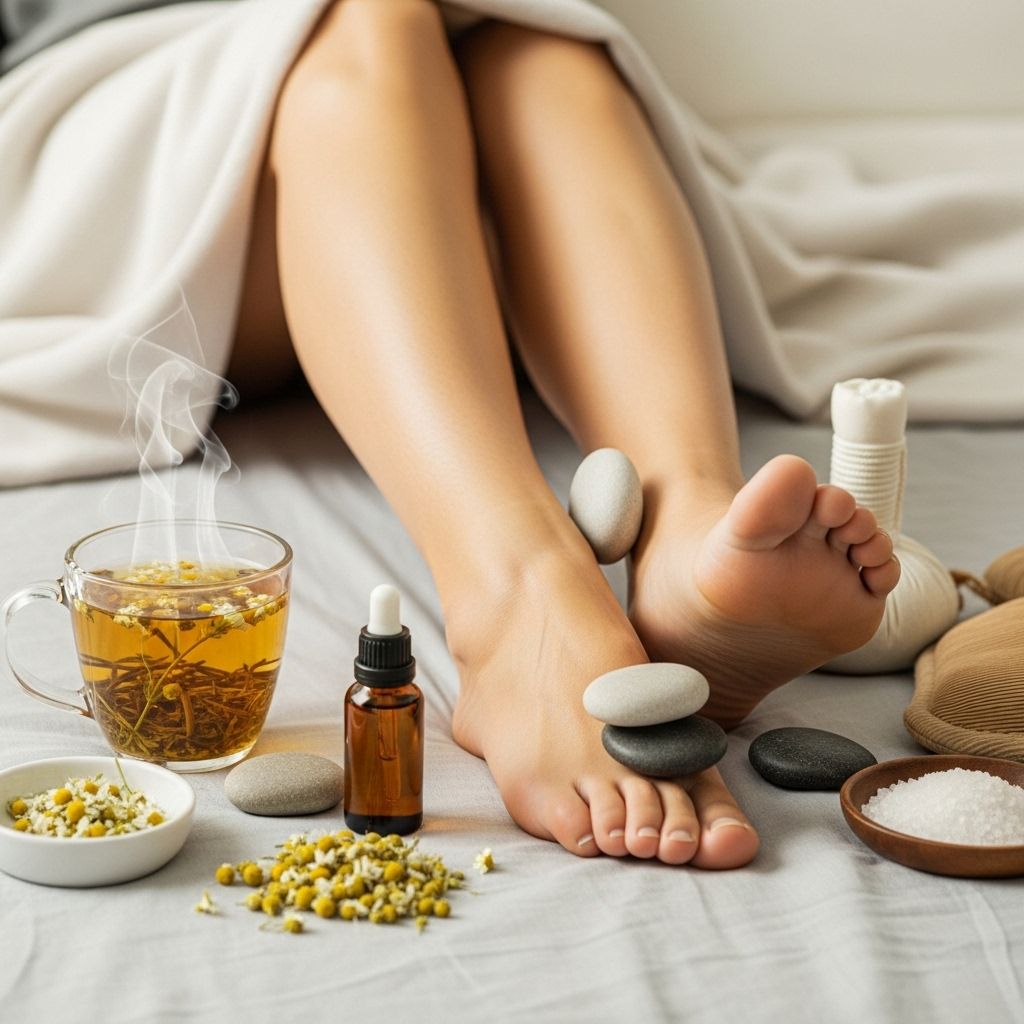
8 Home Remedies for Restless Legs Syndrome
Restless legs syndrome (RLS) is a common neurological condition marked by uncomfortable leg sensations and an irresistible urge to move. Affecting up to 15% of people in the United States, RLS often disrupts sleep and daily comfort. While medical therapy may be necessary for some, many experience meaningful relief through self-care and natural home remedies. Below, we explore eight effective approaches to managing RLS at home.
1. Take Care of Your Legs and Feet
Prioritizing leg and foot care before bedtime can reduce RLS discomfort and promote better sleep. Here are some accessible strategies:
- Massage: Massaging your legs and feet stimulates circulation, eases muscle tension, and delivers rapid relief from RLS symptoms. Use firm yet gentle strokes, and consider adding soothing essential oils like lavender or chamomile for added relaxation.
Routine tip: Incorporate nightly leg massages into your wind-down routine for ongoing comfort.
Massage techniques: Try myofascial release, Swedish massage, trigger-point therapy, or use an oscillating foot massager for convenience. - Stretching: Gentle stretches target areas prone to tension. Evidence shows regular stretching can ease the urge to move and reduce RLS symptoms. Popular stretches include:
- Calf stretch: Step forward, heel down on the back foot, bend the front knee, lean forward and hold.
- Hamstring stretch: Sit with one leg extended, lean forward gently to stretch the thigh’s back.
- Quadriceps stretch: Stand, pull one foot toward your buttocks with your hand for a gentle stretch.
Hold each stretch for 10–30 seconds and repeat on both sides.
- Baths and soaks: A warm bath or Epsom salt foot soak pre-bedtime relaxes muscles, reduces tension, and delivers comfort. Magnesium from Epsom salts may further decrease pain and swelling.
- Temperature therapy: Use a heating pad or ice pack on the legs for up to 20 minutes. Both warmth and cold can dull uncomfortable sensations. Always wrap packs in towels to prevent burns or frostbite; never apply directly to skin.
2. Moderate but Regular Exercise
Engaging in moderate physical activity during the day is a powerful way to reduce RLS discomfort and improve sleep. Studies show that activities like walking, jogging, or gentle stretching lead to fewer leg movements and deeper sleep for those with RLS. Exercise stimulates circulation, relieves tension, and promotes overall neurological health.
- Light to moderate sessions are best; avoid high-intensity workouts close to bedtime as they may worsen symptoms.
- Try 10–15 minutes of exercise, a few times a day.
- Yoga and tai chi may also help relax muscles and reduce stress.
3. Avoid Triggers That Worsen RLS
Identifying and minimizing common triggers can make a dramatic difference in symptom severity. The following substances are known to exacerbate RLS for many:
- Caffeine: Found in coffee, tea, soda, chocolate, and certain medications. Avoid these especially in the afternoon and evening.
- Alcohol: Alcohol may disrupt sleep and worsen RLS discomfort. Try an alcohol-free trial to observe the impact.
- Nicotine: Tobacco products, including cigarettes and e-cigarettes, frequently intensify symptoms. Avoid tobacco for best results.
- Medications: Some psychiatric and sleep medications, such as SSRIs, SNRIs, antihistamines, and others, can provoke or aggravate RLS. Consult your doctor about alternatives if you suspect a medication may be contributing.
4. Establish a Consistent Sleep Routine
| Sleep Strategy | Benefits for RLS |
|---|---|
| Regular Bedtime | Stabilizes circadian rhythms, can lessen nightly symptoms |
| Sleep Hygiene | Dark, cool, quiet room creates an environment for deeper sleep and less restlessness |
| Limit Screen Time | Reduces mental stimulation and enhances melatonin production |
| Gentle Preparation | Wind down with a warm bath or light reading before bed |
Going to bed and waking up at consistent times, ensuring your bedroom is restful, and practicing relaxation techniques can improve sleep quality and minimize nighttime RLS episodes.
5. Take a Warm Bath
Several studies have linked warm baths with decreased RLS symptoms and better sleep outcomes. Immersing your legs in warmth can sooth discomfort, promote muscle relaxation, and help you unwind. Epsom salt sitz baths offer added benefits due to magnesium’s muscle-relaxing properties. Enhancing the bath with gentle stretches and deep breathing can maximize relaxation.
6. Use Heating Pads or Ice Packs
Alternating between warm and cold applications is a simple yet effective way to provide sensory distraction and reduce the urge to move your legs. Some prefer heat (heating pad, warm towel); others find cold more effective (ice pack, chilled towel). Sessions should last up to 20 minutes and wraps should protect skin from extreme temperatures.
- Never apply heat or cold directly to the skin—always wrap in a cloth.
- Experiment to determine which temperature yields more comfort for you.
7. Massage Therapy
Massage is one of the simplest and fastest ways to lessen RLS discomfort and relax leg muscles before bed. Massage techniques stimulate nerves, increase blood flow, and mimic the relief often delivered by movement.
- Try calf massage using lotion or oil for smooth movement; knead and stroke the calf until tightness diminishes.
- Focus on tender spots and apply gentle, sustained pressure using a foam roller or stick.
- Professional styles such as myofascial release and deep tissue massage may provide deeper relief.
- Consider oscillating foot massagers for convenience, especially if manual massage is difficult.
8. Try Stress Management and Relaxation Techniques
Stress management is vital for RLS, as psychological tension can intensify sensations and cravings to move. Techniques that calm the mind and relax the body can significantly alleviate symptoms:
- Deep breathing: Establish a deep, rhythmic breathing practice to activate the body’s relaxation response.
- Mindfulness meditation: Reduces anxiety and brings attention away from uncomfortable sensations.
- Progressive muscle relaxation: Tense and release each muscle group to foster holistic relaxation.
- Distracting activities: Puzzles, reading, or gentle art can refocus attention and make sitting still more tolerable.
Other Helpful Strategies
- Select aisle seating in venues to allow periodic movement if you must sit for long periods.
- Walk or stretch frequently throughout the day.
- Iron supplements: If low iron is identified as a contributor, iron supplementation supervised by a doctor may be beneficial.
- Avoid prolonged inactivity: When possible, break up long sitting sessions with movement.
Helpful Drinks for RLS Relief
- Electrolyte-rich beverages: Coconut water, citrus-tinged filtered water with sea salt, and organic pickle juice may ease leg cramps and discomfort.
- Herbal teas: Opt for caffeine-free blends like rooibos, chamomile, or fruit teas for relaxation, especially in the evening.
- Tonic water: Contains quinine, which can sometimes calm nervous system activity and restless sensations. Consult your physician before regular use.
Frequently Asked Questions (FAQs)
Q: What is restless legs syndrome (RLS)?
A: RLS is a neurological condition characterized by uncomfortable leg sensations and an irresistible urge to move, especially at rest or before sleep.
Q: Can lifestyle changes alone help with RLS?
A: Many people find significant symptom relief through home remedies, such as exercise, stretching, massage, and trigger avoidance, although some may require medical therapy.
Q: Is there a cure for RLS?
A: There is no permanent cure, but symptoms can often be substantially managed through self-care routines and, in some cases, medication.
Q: Should I consult my doctor before trying home remedies?
A: Yes, it is always advisable to discuss symptom management and new therapies with your doctor, especially if medications or supplements may be involved.
Q: Can certain foods make RLS worse?
A: Yes. Foods high in caffeine, alcohol, or artificial additives may trigger symptoms. Maintaining a balanced diet and hydrating well can help minimize discomfort.
Summary Table: Top Home Remedies for RLS
| Remedy | Main Effect | When to Use |
|---|---|---|
| Massage & Stretching | Relaxes muscles, decreases discomfort | Before bed or when symptoms occur |
| Moderate Exercise | Prevents leg tension, enhances sleep | Daily, preferably morning or afternoon |
| Warm Baths/Soaks | Reduces muscle tension and pain | 30–60 minutes before bedtime |
| Temperature Therapy | Soothes discomfort, provides sensory relief | Before bed, several minutes |
| Avoiding Triggers | Minimizes onset and severity of symptoms | All day, especially evenings |
| Sleep Hygiene | Improves sleep quality, lessens episodes | Nightly routine |
| Relaxation & Stress Management | Reduces anxiety-driven symptoms | Day and evening |
| Helpful Drinks | Hydrates and may relieve cramping | Evenings or during symptoms |
When to Seek Medical Advice
If your RLS symptoms persist despite home remedies, worsen, or significantly impact your quality of life, consult a healthcare provider for further evaluation and treatment options. Certain causes, such as iron deficiency, may require targeted therapy.
Conclusion
Restless legs syndrome can be disruptive, but a combination of targeted lifestyle adjustments and self-care offers many people substantial relief. Experiment with stretching, massage, heat and cold therapies, sleep hygiene, and trigger avoidance to find the routine that works best for you. Always tailor remedies to your comfort and consult a professional about ongoing issues or medication concerns.
Similar Articles








Read full bio of Sneha Tete