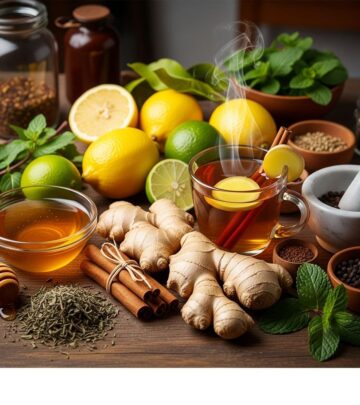
12 Effective Home Remedies for a Sour Stomach
Soothe indigestion and stomach discomfort naturally with these 12 proven home remedies and lifestyle tips.

Sour stomach, often described as a general sensation of discomfort in the upper abdomen, is a common digestive issue. Symptoms can include bloating, nausea, indigestion, heartburn, and a sour or acidic taste in the mouth. Fortunately, most cases can be managed at home with simple, natural remedies and dietary modifications. This guide introduces 12 effective home remedies to provide fast and lasting relief from a sour stomach, explains the causes and symptoms, and answers frequently asked questions.
Table of Contents
- What is Sour Stomach?
- Causes of Sour Stomach
- Symptoms of Sour Stomach
- 12 Home Remedies for Sour Stomach
- Dietary & Lifestyle Tips
- When to See a Doctor
- Frequently Asked Questions
What is Sour Stomach?
Sour stomach is not a medical diagnosis but rather a term used to describe a cluster of digestive symptoms involving discomfort, bloating, nausea, mild stomach pain, and sometimes acid reflux. It is generally a temporary condition caused by dietary choices, stress, or mild infections. In most cases, it resolves on its own with basic care.
Common Causes of a Sour Stomach
- Overeating—Consuming large meals increases stomach acid production and slows digestion.
- Fatty or spicy foods—Heavy, spicy, or greasy foods irritate the stomach lining.
- Carbonated beverages—Bubbles can cause gas buildup and discomfort.
- Caffeine and alcohol—Both can relax the esophageal sphincter, leading to acid reflux.
- Stress or anxiety—Alters digestion and can trigger stomach upset.
- Food poisoning or minor infections
- Medications—Some pain relievers and antibiotics may upset the stomach.
Symptoms of a Sour Stomach
- Nausea
- Bloating or feeling of fullness
- Belching and gas
- Heartburn or burning sensation in the chest
- Bad or sour taste in the mouth
- Mild stomach cramps or discomfort
- Occasional vomiting
12 Effective Home Remedies to Relieve Sour Stomach
Several time-tested home remedies may help to soothe indigestion and bring relief from a sour stomach. Here are 12 approaches you can safely try at home:
1. Ginger
Ginger is a powerful anti-inflammatory that helps relax the muscles of the digestive tract, reduces nausea, and speeds up digestion. It can be consumed as:
- Fresh ginger tea (boil sliced ginger root in water)
- Chewing a small piece of fresh ginger
- Ginger supplements, chews, or crystallized ginger
Ginger works well for nausea and general distress and is widely considered safe for most people.
2. Apple Cider Vinegar
A teaspoon of apple cider vinegar diluted in warm water (optionally sweetened with honey) may help regulate stomach acidity by neutralizing excess gastric acid. This remedy is best for mild cases, but avoid undiluted vinegar to prevent esophageal or tooth enamel irritation.
3. Peppermint
Peppermint is known for its relaxing effect on smooth muscle in the GI tract, which helps relieve bloating, spasms, and cramping. You can use peppermint in several ways:
- Peppermint tea (steep fresh leaves or a commercial bag)
- Peppermint candies or gum
- Essential oil capsules (for adults; consult a doctor for use)
Peppermint is particularly useful for indigestion and irritable bowel symptoms, but avoid it if you have severe acid reflux.
4. Chamomile Tea
Chamomile tea calms digestive muscles and soothes inflammation. Drinking a warm cup before or after meals can help reduce indigestion, nausea, and gas. It also promotes relaxation and can be helpful if stress is a trigger for your symptoms.
5. Baking Soda
A half-teaspoon of baking soda mixed in a glass of water acts as an antacid, quickly neutralizing stomach acid. This remedy offers fast relief for heartburn and acidic discomfort but should only be used occasionally and in moderation to avoid side effects like gas or electrolyte imbalances.
6. Fennel Seeds
Fennel seeds have antispasmodic and carminative properties, helping to reduce bloating, gas, and stomach cramps. Simply chew half a teaspoon of fennel seeds after meals or prepare a light fennel tea.
7. Bananas
Bananas are easy to digest, gentle on the stomach, and can help absorb excess acid. They are a safe snack when experiencing nausea, acidity, or bloating, thanks to their fiber and potassium content which promotes balanced digestion.
8. Aloe Vera Juice
Aloe vera juice (pure, food-grade) may relieve heartburn, cramping, and acid reflux. Drink a small amount (2–4 oz) on an empty stomach for best results, but note that excessive intake can cause diarrhea or cramps in sensitive individuals.
9. Yoghurt or Probiotics
Yogurt with live probiotic cultures can help restore healthy gut bacteria, ease bloating, and improve digestion after minor infections or antibiotic use.
10. BRAT Diet
The BRAT diet—Bananas, Rice, Applesauce, and Toast—consists of bland, low-fiber foods that are easy to digest. This approach helps reduce nausea and prevents further irritations in the stomach, especially after vomiting or diarrhea.
11. Stay Hydrated
Drink clear fluids such as water, herbal teas, or diluted sports drinks. Hydration helps replace what’s lost through vomiting or diarrhea, reduces acidity, and supports overall digestive recovery.
12. Warm Compress or Heating Pad
Applying a warm compress or heating pad to your abdomen can relax gut muscles, reduce pain, and provide a soothing effect. Use a hot water bottle or microwave-safe heating pad as needed, avoiding direct contact with skin to prevent burns.
Dietary & Lifestyle Tips for Preventing Sour Stomach
- Eat smaller, more frequent meals—Avoid large, heavy meals that strain digestion.
- Limit fatty, spicy, and processed foods—Choose lighter, bland foods when symptoms occur.
- Avoid caffeine, carbonated drinks, and alcohol—These substances increase stomach acidity and weaken the gut lining.
- Chew food thoroughly—Proper chewing aids digestion and reduces strain on the stomach.
- Elevate your head after eating—Avoid lying down immediately after meals to prevent acid reflux.
- Reduce stress—Practice relaxation techniques like deep breathing, meditation, or light exercise.
- Stay hydrated—Drink water and non-caffeinated fluids throughout the day.
Foods to Avoid During a Sour Stomach Episode
- Fried and greasy foods
- Dairy if lactose intolerant
- Spicy or highly seasoned dishes
- Carbonated beverages
- Caffeinated drinks (coffee, energy drinks)
- Tomato-based products
- Acidic fruits (citrus, pineapple)
When to See a Doctor
Though sour stomach is usually benign and temporary, seek medical attention if you experience:
- Severe or persistent abdominal pain
- Blood in vomit or stool
- High fever with digestive upset
- Dehydration (dry mouth, decreased urination, dizziness)
- Unexplained weight loss
- Symptoms lasting more than a week
Frequently Asked Questions (FAQs)
Q: How quickly do home remedies work for a sour stomach?
A: Many people notice improvement within a few hours to one day, though it may take a couple of days for full recovery depending on the cause.
Q: Can children use these remedies safely?
A: Many remedies (ginger tea, bananas, plain yogurt, BRAT diet) are suitable for children, but always consult a pediatrician if symptoms are severe or persistent.
Q: Are there any ingredients to avoid in home remedies?
A: Avoid excessive consumption of apple cider vinegar and baking soda, as they may irritate the stomach or alter electrolyte balance if overused. Never use undiluted vinegar or expired baking soda.
Q: Can sour stomach be a symptom of an underlying disease?
A: Sometimes, recurring sour stomach episodes may signal conditions such as gastritis, ulcers, or GERD. If symptoms persist, consult a healthcare professional.
Q: Is it safe to use multiple remedies at once?
A: Most remedies listed (herbal teas, bananas, heating pad, digestive-friendly foods) can be combined. However, avoid using multiple acidic remedies (baking soda, vinegar) simultaneously.
Summary Table: Remedies & Their Benefits
| Remedy | How It Helps | Best For |
|---|---|---|
| Ginger | Reduces nausea, speeds digestion | Nausea, bloating, cramps |
| Peppermint | Relaxes GI muscles, reduces gas | Cramping, indigestion |
| Apple Cider Vinegar | Balances stomach acidity | Acid reflux, mild indigestion |
| Banana | Soothes stomach, easy to digest | Nausea, heartburn |
| Baking Soda | Neutralizes excess acid | Heartburn, acid indigestion |
| Chamomile Tea | Reduces inflammation, calms nerves | Nausea, mild pain |
| Aloe Vera Juice | Soothes GI lining, heals irritation | Heartburn, mild cramps |
| Yogurt/Probiotics | Restores gut flora | Post-infection, mild bloating |
| Heating Pad | Relieves pain/spasms | Mild to moderate discomfort |
| Fennel Seeds | Reduces gas, supports digestion | Bloating, fullness |
| BRAT Diet | Bland foods, easy on stomach | Recovery from vomiting/diarrhea |
| Hydration | Replaces fluid losses | All symptoms, esp. vomiting/diarrhea |
In conclusion, taking prompt action at the onset of sour stomach discomfort by adopting these simple remedies can significantly reduce symptoms and restore digestive comfort. If symptoms persist, worsen, or occur frequently, do not hesitate to seek medical advice to rule out more serious underlying conditions.
Similar Articles








Read full bio of medha deb