Home Remedies to Effectively Get Rid of Bed Bugs
Discover practical, natural, and cost-effective solutions to tackle bed bug infestations and restore comfort at home.
Bed bugs are persistent pests that can turn a peaceful night’s sleep into a nightmare. While professional pest control services are often recommended for severe infestations, there are many cost-effective, natural, and do-it-yourself methods you can try at home to remove bed bugs and prevent their return. This guide explores essential detection techniques, practical remedies, and ongoing prevention measures for tackling bed bug problems.
Understanding Bed Bugs: The Basics
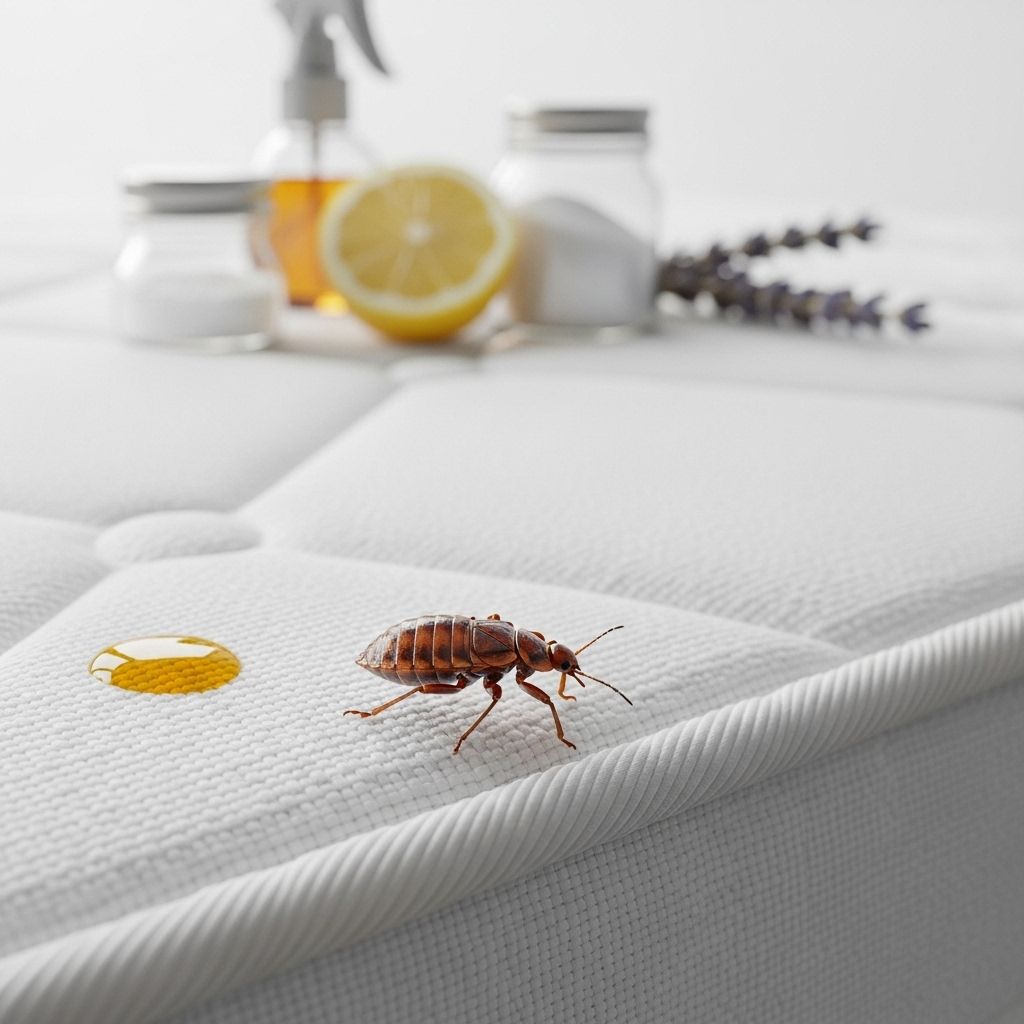
Bed bugs (Cimex lectularius) are small, reddish-brown insects that feed on human blood. They often hide in mattress seams, bed frames, upholstery, and cracks, emerging at night to feed. Infestations may originate from travel, second-hand furniture, neighboring infested units, or items brought into the home. Successful bed bug removal involves a combination of detection, cleaning, treatment, and prevention.
Signs of Bed Bug Infestation
- Small reddish stains on bedding (blood spots from bites).
- Dark spots (bed bug excrement) on mattresses and sheets.
- Presence of live bugs in mattress corners, creases, or furniture joints.
- Bite marks on skin, often in zigzag or clustered patterns.
Detecting and Confirming Bed Bugs
The first step to eliminating bed bugs is confirming their presence and locating their hiding places. Effective detection is critical because bed bugs are small (adults are about the size of an apple seed), flat, and skilled at staying hidden.
- Visual inspection: Use a flashlight to inspect mattress seams, bed frames, behind headboards, and soft furniture.
- Bite symptoms: Intense itching, welts, or clusters of bites on exposed skin, especially after sleeping.
- Bed bug monitors: Install interception devices or traps around furniture legs to catch and confirm activity.
Immediate Steps: Isolate and Clean
Stripping the Bed
Removing and washing all bedding is crucial for interrupting the cycle of infestation. Follow these steps:
- Strip bed linens directly into double plastic bags to avoid spreading bugs.
- Launder bedding in hot water (at least 30 minutes) and dry at high heat for a further 30 minutes.
- Discard the inner plastic bag after transferring linens to the washer.
Vacuuming and Cleaning
- Vacuum mattresses, bed frames, upholstery, and all crevices to capture bed bugs and eggs.
- Dispose of vacuum contents outside into a sealed bag to prevent reinfestation.
Decluttering and Reducing Hiding Spots
- Reduce clutter around beds and sleeping areas – store items in sealed boxes to eliminate hiding places.
- Encase mattresses and box springs in protective covers designed to trap and starve bed bugs.
- Move beds and furniture away from walls; ensure linens do not touch the floor, restricting bug access.
Natural Home Remedies for Bed Bug Control
While some infestations may require chemicals or professional intervention, several home remedies offer safe, effective options for reducing or eliminating bed bugs.
1. Rubbing Alcohol
- Fill a spray bottle with diluted rubbing alcohol (isopropyl alcohol) and spray directly onto bed bugs and suspected hiding spots.
- Kills adult bed bugs on contact, but not eggs or nymphs.
- Evaporates quickly, leaving no residue or odor.
- Apply with caution – rubbing alcohol is flammable; do not use near open flame.
2. Diatomaceous Earth (DE)
- DE is a natural powder made from fossilized aquatic organisms (diatoms).
- Sprinkle DE on mattress seams, bed frames, furniture crevices, and carpets.
- Kills bed bugs, nymphs, and eggs by dehydrating them over several days.
- Safe, nontoxic alternative to chemical insecticides; avoid inhaling powder.
- May require repeated applications for severe infestations.
3. Essential Oils: Tea Tree Oil & Lavender Oil
- Mix a few drops of lavender or tea tree oil with water in a spray bottle; spray directly on mattress and furniture seams.
- Both oils have insecticidal properties but are typically less effective than chemical treatments.
- Lavender oil not only repels bed bugs but also soothes bites; tea tree oil can kill bugs on contact.
4. Vinegar Solution
- Spraying white vinegar on infested areas can kill bed bugs on direct contact but has limited residual effect.
- May help supplement other methods but is not a standalone solution.
5. Heat Treatment
- High temperatures kill bed bugs at all life stages, including eggs.
- Launder infested bedding and clothing in hot water; dry on high heat.
- Use a steamer or hairdryer (on the hottest setting) to treat mattresses, furniture seams, and cracks.
- Professional heat treatment services raise room temperature to 115°F (46°C) or higher for thorough control.
6. Freezing & Cold Treatment
- Small items can be placed in a freezer for at least 4 days to kill bed bugs and eggs.
- Wrap items in plastic bags before freezing; ensure consistent temperature drop.
DIY Bed Bug Traps & Interceptor Devices
Interception traps are valuable tools for monitoring activity and protecting sleeping areas.
- Place commercial or homemade interceptor traps under bed and furniture legs.
- DIY interceptor trap instructions:
- Stack two clean plastic containers (one fitting inside the other); wrap the outer container with rough tape so bugs can climb in.
- Sprinkle talcum powder in both containers for slipperiness and containment.
- Position traps under each leg of infested beds or sofas.
- Move furniture a few inches away from walls and ensure bedding does not touch the floor.
- Check and clean traps weekly; reapply talcum powder as needed.
- Dispose of trapped bed bugs in a sealed bag.
Cost-Effective Bed Bug Control Methods
- Reduce clutter, store items in plastic boxes, and discard heavily infested items.
- Encasing mattresses and box springs in zippered protective covers.
- Launder bedding and linens weekly at high temperatures.
- Apply heat treatment with a steamer or professional service.
- Vacuum thoroughly and use traps to monitor progress.
- Apply repellents to pants, socks, and shoes in high-risk areas.
Methods to Avoid: Money-Wasting Solutions
- Avoid using unapproved sprays, foggers, or chemicals that could be ineffective or dangerous.
- Over-the-counter insecticides are often not strong enough for bed bug infestations, especially due to resistance.
- Discarding all furniture may not be necessary if thoroughly cleaned and treated.
- Do not rely on home remedies alone for large or recurring infestations; consult pest control professionals as needed.
Preventing Bed Bug Reinfection
Consistent preventive measures are essential to avoid another infestation. Stay vigilant:
- Inspect beds and furniture regularly, especially after traveling or purchasing used items.
- Seal cracks and crevices in walls, floors, and furniture to reduce hiding spots.
- Use protective mattress and pillow encasements.
- Keep bedding off the floor and away from walls.
- Practice good hygiene: regularly wash bedding, curtains, and cushions in hot water.
Managing Bed Bug Bites and Skin Irritation
Bed bug bites can cause uncomfortable skin symptoms but are generally harmless if managed properly.
- Wash affected areas with soap and water to minimize infection.
- Apply calamine lotion or mild corticosteroid cream to reduce itching and inflammation.
- Oral antihistamines can help relieve itching.
- Avoid scratching to prevent secondary skin infections.
When to Call a Professional Exterminator
- If infestation persists after home remedies or covers a large area.
- If you are unable to detect all hiding spots or if bugs reappear.
- Professional treatment may involve heat, stronger chemicals, and comprehensive monitoring for complete eradication.
Frequently Asked Questions (FAQs)
Q: Where are bed bugs most likely to hide?
They hide in mattress seams, box springs, bed frames, headboards, crevices, behind pictures, under carpets, and inside cracks of furniture.
Q: Can I get rid of bed bugs with only natural remedies?
Natural remedies like alcohol, essential oils, diatomaceous earth, and high heat are helpful for small, early infestations. Severe cases often require professional help.
Q: How long does it take to eliminate bed bugs?
It may take several weeks depending on the methods used and the extent of infestation. Repeated treatments and consistent prevention are essential.
Q: Are bed bug bites dangerous?
They cause itchy welts and irritation and may lead to secondary skin infections from scratching, but generally do not transmit diseases.
Q: How can I keep bed bugs from coming back?
Maintain regular inspections, use protective covers, clean bedding weekly in hot water, and reduce clutter. Always check luggage and clothing after travel.
Summary Table: Common Home Remedies for Bed Bugs
| Remedy | Effectiveness | Target(s) | Precautions |
|---|---|---|---|
| Rubbing Alcohol | Kills adults on contact | Bed bugs | Flammable; does not kill eggs |
| Diatomaceous Earth | Kills by dehydration over days | Bed bugs, nymphs, eggs | Avoid inhaling the dust |
| Tea Tree & Lavender Oil | Repels, limited killing | Bed bugs | Some people may have skin sensitivity |
| Heat (Washing, Steaming) | Kills all stages instantly | Bed bugs, eggs | May need professional equipment |
| Freezing | Kills after several days | Bed bugs, eggs | Limited to small items |
| Interceptor Traps | Detects, traps bugs | Bed bugs | Must be checked and cleaned regularly |
Conclusion
Bed bugs are resilient and challenging to eliminate, but with proper detection, home remedies, and preventive practices, you can regain control of your living space. For severe or persistent cases, professional pest control remains the most reliable solution. A multi-faceted approach—combining cleaning, heat, natural remedies, and vigilance—is key for lasting management and peace of mind.
Similar Articles








Read full bio of Sneha Tete