13 Proven Home Remedies to Relieve Constipation Naturally
Discover safe, evidence-based home remedies, plus expert tips to relieve constipation and restore healthy digestion.
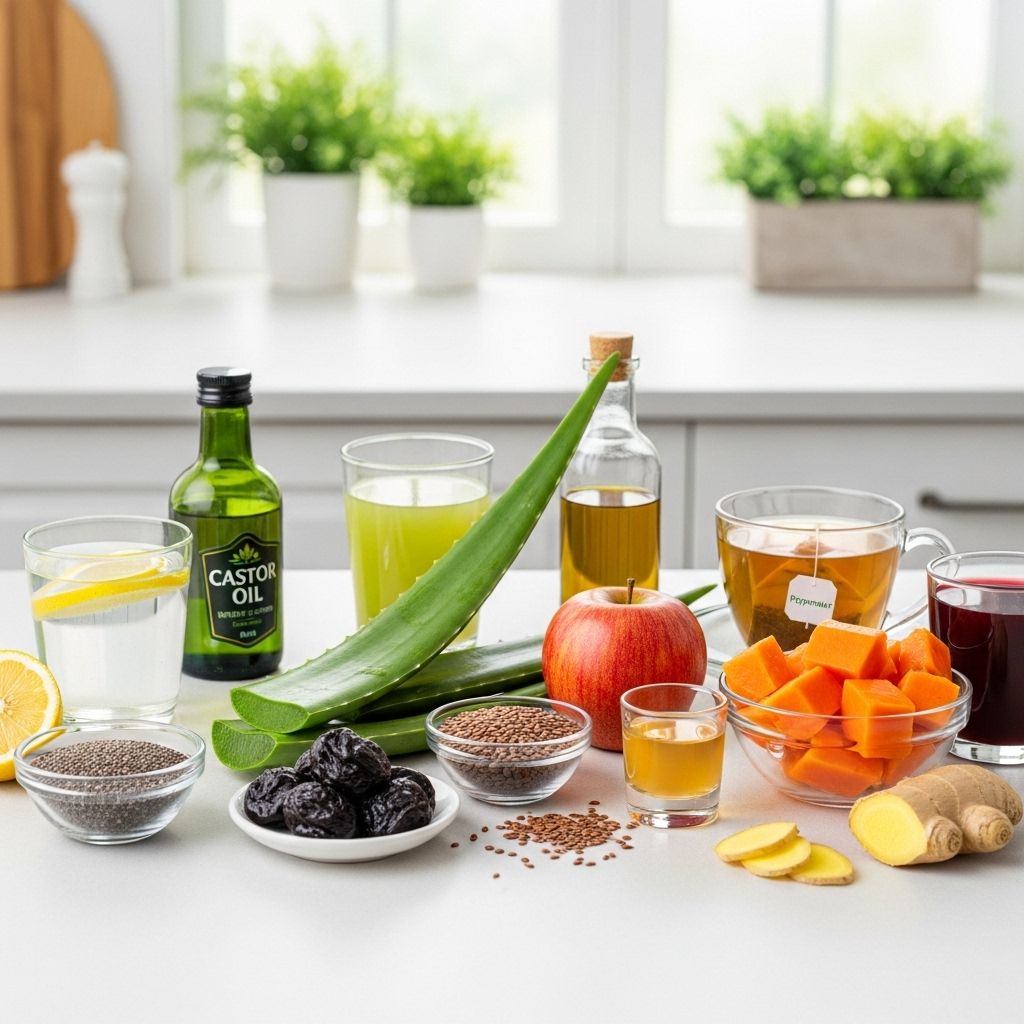
Constipation is a common digestive ailment that affects people of all ages and backgrounds. Characterized by infrequent, difficult, or painful bowel movements, constipation can disrupt daily life and overall well-being. While over-the-counter medications can offer relief, numerous natural remedies can help address this issue safely and effectively at home. This article details 13 evidence-based home remedies to ease constipation, along with helpful FAQs and expert tips for lasting digestive health.
Table of Contents
- Understanding Constipation: Causes and Symptoms
- 13 Natural Home Remedies for Constipation
- Tips to Prevent Constipation
- When To See a Doctor
- Frequently Asked Questions
Understanding Constipation: Causes and Symptoms
Constipation occurs when bowel movements become less frequent or more difficult than usual. While the frequency of bowel movements varies between individuals, a healthy range is often considered from three times a day to three times a week. The condition may be classified as acute (short-term) or chronic (persistent over several weeks or longer).
Common Causes of Constipation
- Low fiber diet: Lack of dietary fiber slows down intestinal movement.
- Insufficient hydration: Not drinking enough fluids leads to hard, dry stools.
- Sedentary lifestyle: Physical inactivity reduces colon motility.
- Ignoring bowel urges: Regularly delaying defecation can worsen symptoms.
- Medication side effects: Painkillers, some antidepressants, and antacids can cause constipation.
- Medical conditions: Hypothyroidism, diabetes, and irritable bowel syndrome may contribute.
Key Symptoms
- Less than three bowel movements per week
- Hard, lumpy, or dry stools
- Straining or pain during bowel movements
- Feeling of incomplete evacuation
- Abdominal discomfort or bloating
13 Natural Home Remedies for Constipation
Try these research-backed home remedies to manage and prevent constipation safely, without reliance on harsh medications:
1. Stay Hydrated
Ensuring adequate fluid intake softens stools and helps bowel movements pass more easily. Dehydration is a leading contributor to constipation.
- Recommendation: Aim for at least 8 glasses (about 2 liters) of water a day, or more if you are active or live in a hot climate.
- Include hydrating foods like cucumbers, watermelon, and oranges in your diet.
2. Increase Dietary Fiber
Fiber adds bulk to stools and speeds up intestinal transit. There are two types of fiber: soluble (attracts water, forming a gel) and insoluble (adds bulk and passes through digestive tract).
- Sources: Whole grains, fruits (apples, pears, berries), vegetables (broccoli, carrots), legumes, seeds, and nuts.
- Tip: Gradually increase fiber to 20–35 grams per day to prevent bloating or gas.
- Pair with plenty of fluids for optimal results.
3. Prunes and Prune Juice
Prunes are naturally high in fiber and contain sorbitol, a natural laxative. Prune juice is also beneficial due to its sorbitol content, which draws water into the colon and softens the stool.
- Eat 5–6 prunes or drink a glass of unsweetened prune juice daily for gentle relief.
4. Warm Liquids First Thing in the Morning
A warm beverage upon waking can stimulate bowels. Herbal teas and warm lemon water are particularly effective in promoting colonic movement.
- Try a cup of warm water, green tea, or herbal tea before breakfast each day.
5. Olive or Castor Oil
Certain oils help lubricate the digestive tract, making stool passage smoother.
- Olive oil: Take 1 tablespoon of extra-virgin olive oil on an empty stomach, followed by a glass of water.
- Castor oil: Acts quickly as a stimulant laxative. Use with caution and only for occasional relief after consulting a healthcare provider.
6. Probiotic Foods
Probiotics are beneficial bacteria that support digestive health. They can restore gut microbiota balance, potentially relieving constipation.
- Sources: Yogurt, kefir, sauerkraut, kimchi, miso, and kombucha.
- Consider a daily probiotic supplement, but discuss with your doctor first.
7. Flaxseeds
Flaxseeds are rich in both soluble and insoluble fiber, as well as healthy omega-3 fatty acids.
- Add 1–2 tablespoons of ground flaxseed to smoothies, cereals, or yogurt daily.
- Always drink plenty of fluids when consuming flaxseed.
8. Psyllium Husk
Psyllium is a plant-derived soluble fiber supplement well known for gently increasing stool bulk and promoting regularity.
- Mix 1 teaspoon of psyllium husk in a glass of water or juice and drink promptly. Follow with a second glass of water.
9. Coffee and Herbal Teas
Caffeinated coffee can stimulate the colon, while certain herbal teas (such as senna, peppermint, or ginger) possess natural laxative properties.
- Limit coffee to moderate amounts, as excess caffeine may have dehydrating effects.
- Try herbal teas specifically formulated for digestive support.
10. Lemon Water
Lemon juice contains vitamin C and may help stimulate digestive enzymes in the gut.
- Squeeze fresh lemon into a glass of warm water and drink on an empty stomach each morning.
11. Exercise Regularly
Physical activity increases muscle contractions in the colon, helping move stools through the bowels.
- Engage in daily walks, jogging, yoga, dancing, or stretching routines.
- Aim for at least 30 minutes of moderate activity most days of the week.
12. Set a Toilet Routine
Establishing a regular time for bathroom visits can help “train” your bowels, encouraging more predictable movements.
- Choose a set time each day, preferably after a meal, and relax while using the toilet.
- If possible, place a small stool under your feet to raise your knees above your hips, mimicking a natural squatting position for easier elimination.
13. Magnesium-Rich Foods
Magnesium supports muscle contractions in the digestive tract and can draw water into the intestines, making stool softer.
- Sources: Leafy green vegetables, nuts, seeds, avocados, beans, and whole grains.
- Check with a healthcare provider before using magnesium supplements, especially if you have kidney issues.
Tips to Prevent Constipation
- Eat a balanced diet focused on fruits, vegetables, and whole grains.
- Drink sufficient fluids throughout the day; avoid excess alcohol and sugary drinks.
- Move your body daily to stimulate healthy digestion.
- Listen to natural urges—don’t postpone bowel movements.
- Avoid overuse of stimulant laxatives to prevent dependency.
- Manage stress, as anxiety can trigger or worsen constipation.
When To See a Doctor
While constipation is frequently manageable at home, you should see a healthcare professional if you experience:
- Constipation lasting more than three weeks despite home care
- Severe abdominal pain, cramping, or bloating
- Unexplained weight loss
- Rectal bleeding or blood in stool
- Persistent nausea or vomiting
- History of inflammatory bowel disease or colon cancer
Frequently Asked Questions (FAQs)
Q: How quickly do natural remedies for constipation work?
A: Most home remedies, such as increasing fiber or hydration, will show results within a few days, but it may take up to two weeks for some people. Gentle remedies like prunes or psyllium can work within 12–72 hours. If symptoms persist, consult a doctor.
Q: Can I use natural remedies for chronic constipation?
A: Many people with chronic constipation benefit from long-term lifestyle and dietary changes, including fiber, fluids, and exercise. However, if constipation is severe, persistent, or accompanied by concerning symptoms (pain, bleeding, weight loss), consult a healthcare provider for guidance.
Q: Are laxatives safe to use regularly?
A: Occasional use of mild laxatives or fiber supplements is generally safe for short-term relief, but frequent stimulant laxative use can create dependence or worsen constipation. Use them only as directed and under medical supervision if used frequently.
Q: Is constipation dangerous?
A: While not usually life-threatening, untreated chronic constipation can lead to complications such as hemorrhoids, anal fissures, fecal impaction, or even bowel perforation in rare cases.
Q: What foods should be avoided if I’m constipated?
A: Limit low-fiber foods like processed snacks, white bread, red meat, and dairy products. Also, avoid excessive caffeine and alcohol, as these can dehydrate the body and worsen constipation.
Summary Table: Quick Guide to Home Remedies
| Remedy | Key Benefit | How to Use |
|---|---|---|
| Increase Fluids | Softens stool | 8+ glasses water/day |
| Fiber-rich foods | Bulk stool, speed transit | Fruits, vegetables, grains |
| Prunes/prune juice | Natural laxative | 5–6 prunes or 1 glass juice/day |
| Psyllium husk | Gentle bulk-forming laxative | 1 tsp in water daily |
| Exercise | Stimulate bowels | 30 mins most days |
Final Tips for Lasting Relief
- Adopt gradual lifestyle changes for sustainable improvement.
- Personalize your routine by noting which remedies work best for your body.
- Track symptoms and share with your healthcare provider if recurring constipation persists.
Similar Articles








Read full bio of medha deb