14 Effective Home Remedies to Quickly Relieve a Stuffy Nose
Discover natural and practical ways to relieve nasal congestion fast, using science-backed home remedies and expert guidance.
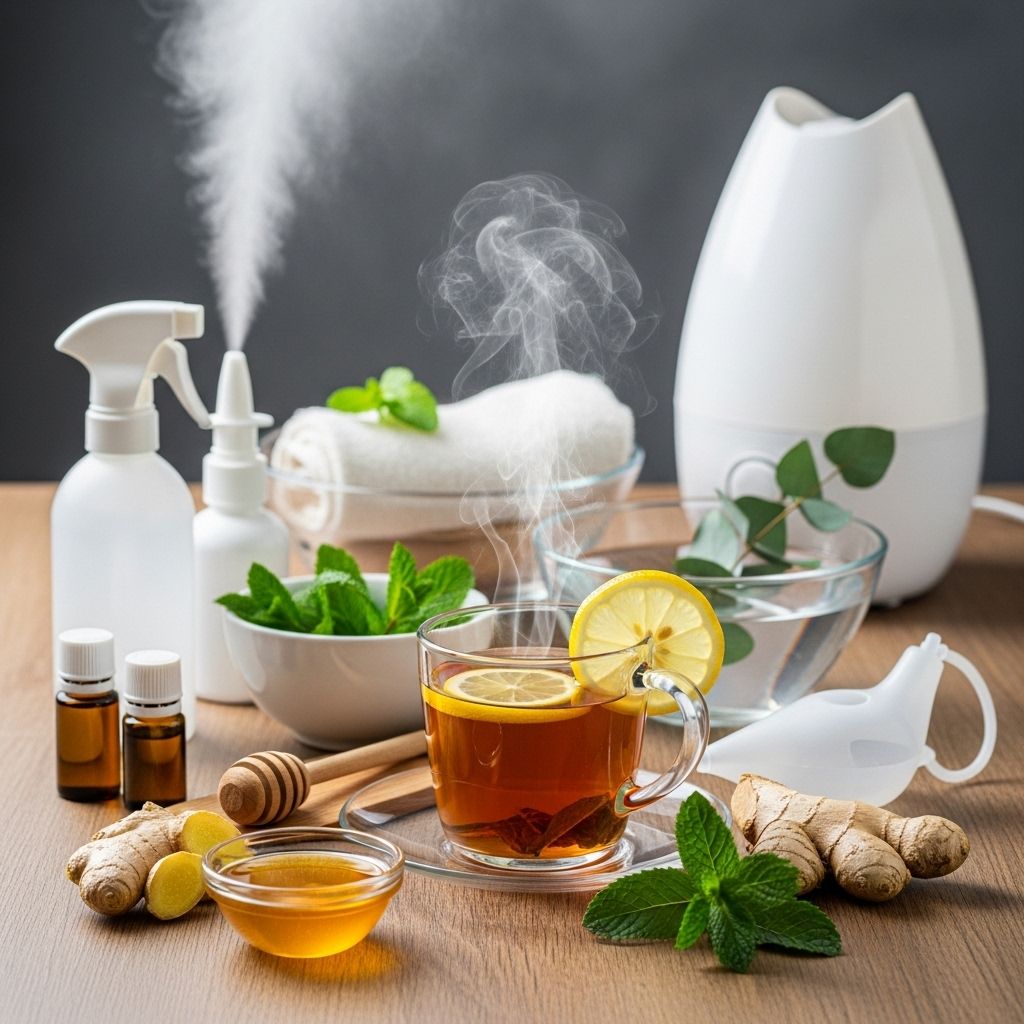
Nasal congestion, or a stuffy nose, is a common symptom associated with infections, allergies, or irritants. Difficulty breathing, sinus pressure, and discomfort can disrupt your daily life, but many practical and effective home remedies provide fast relief. Below, discover science-backed techniques, simple solutions, and important safety tips to help you breathe easier.
What Causes a Stuffy Nose?
Nasal congestion mainly occurs due to inflamed blood vessels and swollen tissues lining the nose, often in response to infections, allergens, or irritants. Increased mucus production further blocks airflow. Common causes include:
- Viruses (e.g., cold, flu)
- Allergies (e.g., pollen, dust mites)
- Sinusitis
- Environmental irritants (smoke, perfumes)
Proper treatment depends on identifying the underlying cause.
Home Remedies for Quick Relief
1. Warm Compress
- You’ll Need: Clean washcloth, hot water
- Method: Soak the washcloth in hot water, wring out excess liquid, and place it over your nose and forehead for 1–2 minutes. Repeat 3–4 times.
- Frequency: 2–3 times daily
The heat from the compress reduces swelling in the nasal passages, eases sinus pressure, and promotes easier breathing.
2. Apple Cider Vinegar
- You’ll Need: 1 teaspoon apple cider vinegar, 1 glass warm water
- Method: Mix the vinegar into warm water and drink.
- Frequency: 1–2 times daily
ACV contains acetic acid (fights infection) and potassium (thins mucus), helping to clear congestion and relieve discomfort.
3. Peppermint Tea
- You’ll Need: 8–10 peppermint leaves, 1 cup water
- Method: Boil leaves in water for 5–10 minutes, strain, and drink.
- Frequency: 1–2 times daily
Peppermint contains menthol, which acts as a natural decongestant and anti-inflammatory, soothing the nasal passages.
4. Steam Inhalation
- You’ll Need: Bowl of hot water, towel
- Method: Lean over the bowl, drape towel over your head, and inhale the steam for 5–10 minutes.
Steam moistens and loosens mucus, helps clear nasal passages, and reduces irritation.
5. Neti Pot Saline Irrigation
- You’ll Need: Neti pot, distilled saline water
- Method: Tilt your head over the sink. Pour saline solution through one nostril; allow drainage through the other. Repeat for both sides. Clean and air-dry neti pot after each use.
- Frequency: 3–4 times daily as needed
Neti pot irrigation thins mucus and flushes out irritants from your sinuses.
Tip: Add one drop of tea tree oil to fight infections, if recommended by your physician.
6. Salt and Water Nasal Rinse
- You’ll Need: 1 cup warm distilled water, ½ teaspoon salt
- Method: Dissolve salt in water, sniff solution through one nostril at a time over a basin.
- Frequency: As needed
Saline solution loosens dried mucus, relieving congestion caused by allergies, colds, or sinusitis.
7. Hot Showers
Taking a hot shower and inhaling steam opens airways, loosens mucus, and soothes irritated sinuses, providing instant relief.
8. Use a Humidifier
- Method: Place a cool-mist or warm-mist humidifier in your living space, especially at night.
Humidifiers add moisture to the air, which keeps nasal passages hydrated, reduces swelling, and helps mucus move more easily.
9. Eucalyptus Oil
- You’ll Need: Few drops eucalyptus oil, bowl of hot water
- Method: Add oil to hot water and inhale steam.
Eucalyptus oil has natural anti-inflammatory and antimicrobial properties, offering additional congestion relief.
Note: Never use undiluted essential oil directly in the nose.
10. Hydration
Drink plenty of fluids: Water, herbal teas, and clear broths keep mucus thin and aid its removal. Warm liquids further soothe the throat and promote drainage.
- Avoid alcohol, coffee, and sugary drinks, which may contribute to dehydration.
11. Blowing Your Nose Gently
Regular, gentle blowing helps expel mucus, reducing congestion and discomfort. Always use soft tissues to avoid irritating the skin.
12. Avoid Irritants
- Stay away from cigarette smoke, strong perfumes, cleaning chemicals, and allergens that can worsen irritation.
Reducing exposure helps nasal passages heal and prevents further inflammation.
13. Sleep Position & Comfort
- Elevate your head with extra pillows to allow mucus to drain and make breathing easier.
- Sleeping on your side, with your head above heart level, may reduce nighttime nasal congestion.
14. Over-the-Counter Remedies
- Decongestants: Drugs like pseudoephedrine reduce tissue swelling for fast relief. Always follow dosing instructions and avoid prolonged use (maximum 3 days to prevent rebound congestion).
- Nasal Sprays: Saline, corticosteroid, antihistamine sprays target inflammation, allergy, and excess mucus. Never overuse decongestant sprays.
- Antihistamines: Useful for allergic rhinitis. Some may cause drowsiness; consult your doctor.
Remedy Comparison Table
| Remedy | Key Ingredient/Method | Relief Type | How Often |
|---|---|---|---|
| Warm Compress | Hot water, washcloth | Reduces swelling | 2–3 times daily |
| Apple Cider Vinegar | ACV, warm water | Thins mucus/fights infection | 1–2 times daily |
| Peppermint Tea | Peppermint leaves | Decongests naturally | 1–2 times daily |
| Neti Pot | Saline & neti pot | Irrigates sinuses | 3–4 times daily |
| Salt Water Rinse | Salt, warm water | Loosens mucus | As needed |
| Steam Inhalation | Hot water steam | Moistens airway | 1–2 times daily |
| Decongestants | Pseudoephedrine | Reduces tissue swelling | As directed |
| Nasal Sprays | Saline, steroids | Relieves inflammation | As directed |
| Humidifier | Cool/warm mist | Moisturizes airways | Continuous |
Important Preventive Tips
- Practice good hygiene: Wash hands regularly to prevent infection.
- Avoid overuse: Don’t use decongestant sprays for more than three consecutive days.
- Consult your doctor: If symptoms persist beyond 7–10 days, worsen, or are accompanied by high fever or facial pain, seek medical care.
Frequently Asked Questions (FAQs)
Q: Can I use warm compresses for sinus headaches?
A: Yes, warm compresses help relieve sinus pressure and headaches by reducing swelling in nasal passages.
Q: How safe is the neti pot?
A: Neti pots are safe when used with sterilized, distilled water and cleaned thoroughly after use. Avoid tap water to prevent rare infections.
Q: Can a humidifier make congestion worse?
A: Only if not cleaned regularly; dirty humidifiers can introduce mold and bacteria. Use distilled water and follow cleaning guidelines.
Q: Does apple cider vinegar treat sinus infections?
A: ACV may help thin mucus and relieve mild congestion, but it does not cure infections. Seek medical help for severe symptoms.
Q: How do I know if my congestion is due to allergies or infection?
A: Allergies often produce clear, runny discharge with itchiness. Infections may cause thicker mucus, fever, and systemic symptoms. Consult a healthcare provider for diagnosis.
When to Call a Doctor
Seek medical attention if you experience:
- Symptoms lasting more than 7–10 days
- High fever or severe headache
- Facial pain/swelling
- Green or yellow mucus (may indicate infection)
- Shortness of breath or difficulty breathing
Conclusion
Relieving a stuffy nose can be achieved using simple, natural, and effective home remedies. By combining safe practices, avoiding irritants, and using targeted treatments like warm compresses, saline rinses, and humidification, you can quickly restore comfort and healthy breathing. For persistent or severe symptoms, professional medical advice is essential.
Similar Articles







Read full bio of medha deb