5+ Proven Ways to Eliminate Aphids and Safeguard Roses
Protect your roses naturally: Discover the most effective remedies and prevention techniques for aphid infestations.
How to Get Rid of Aphids on Roses: Natural Remedies and Expert Control Tips
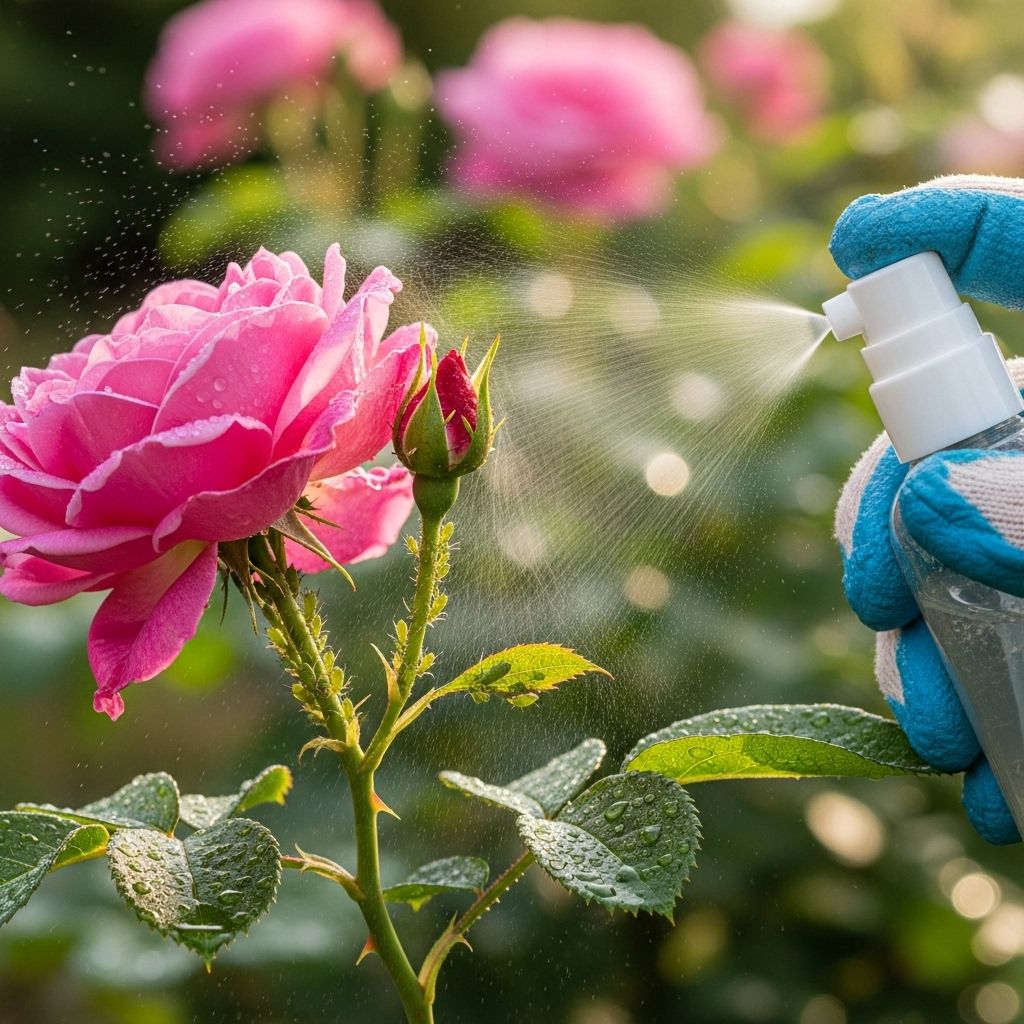
Roses—known for their vibrant blooms and intoxicating scent—are unfortunately irresistible to aphids. These destructive pests threaten the vitality and beauty of rose bushes. If unaddressed, an aphid infestation can swiftly damage leaves, shoots, and flower buds, leaving gardeners frustrated and blooms compromised. Thankfully, an array of natural and environmentally-friendly methods exist to combat aphids and safeguard your prized roses.
Understanding Aphids on Roses
Aphids—specifically the Rose aphid (Macrosiphum rosae)—are small (often green, but sometimes pink, red, brown, or black) sap-sucking insects. They gather in clusters along young shoots, new leaves, and flower buds. A single aphid can mature quickly and reproduce asexually, so populations can explode throughout spring and early summer. By using their piercing mouthparts to extract the nutrient-rich sap, aphids weaken your plants and disrupt flowering. Beyond visible damage, they also excrete a sticky substance called honeydew—which attracts sooty mold and ants—further stressing the plant and hindering photosynthesis.
- Common signs of aphid infestation:
- Clusters of tiny green, black, red, or white bugs on shoot tips
- Deformed, curled, or yellowing leaves
- Sticky, shiny leaves and stems (from honeydew)
- Black powdery growth (sooty mold)
- Ants crawling on stems (they are attracted to honeydew)
Early detection and management are essential, as unchecked aphid populations can cause significant weakening or even death of buds and reduce flowering potential.
Natural Solutions to Eliminate Aphids on Roses
Organic and household methods effectively control aphid infestations while preserving beneficial insects and overall garden health. Below are proven, natural approaches you can implement:
1. Manual Removal of Aphids
Sometimes the most straightforward and immediate method yields the best results, especially for small invasions. Here’s how:
- Hand Picking: Wear gloves and pick or rub aphids off rose shoots, buds, or leaves. Aphids are soft-bodied and crush easily.
- Damp Cloth or Paper Towel: For minor infestations, gently wipe leaves to remove aphids—this offers quick, localized results.
- Pruning: If a specific area is heavily infested, trim away affected shoots or leaves with sterilized clippers. Dispose of them to prevent further spread.
2. Hose Water Spray Method
A powerful stream from a garden hose can physically dislodge aphids from infested plants. Here’s how to do it safely:
- Direct a strong jet of water onto the infested parts, paying special attention to the undersides of leaves and buds where aphids congregate.
- Repeat once or twice daily for persistent infestations.
- Allow the plant to dry between treatments to avoid encouraging diseases such as powdery mildew or blight.
- Remove any damaged or mushy plant tissue after spraying.
3. Homemade Aphid Spray for Roses
Non-toxic, homemade sprays are an excellent way to treat aphids on roses without harming beneficial insects or the broader environment.
Basic Soap Spray Recipe
- Mix 1-2 tablespoons of liquid dish soap (without degreasers or added bleach) in 1 quart of water.
- Pour into a spray bottle and coat affected plant parts, focusing on the undersides of leaves.
- Rinse the plant with water after several hours to prevent potential leaf burn from soap residue.
- Repeat every few days as needed until aphids disappear.
How It Works: Soap solution disrupts aphid membranes, causing them to dehydrate and die while remaining safe for most garden plants and visitors when applied and rinsed correctly.
Other Natural Spray Ingredients:
- Neem oil
- Essential oils (such as peppermint or rosemary, diluted with water and soap)
- Garlic or chili-infused water for added pest deterrence
4. Neem Oil: An Organic Aphid Control Powerhouse
Neem oil, extracted from neem tree seeds, acts as both a repellent and an insect growth regulator. Systemic action enables neem’s active ingredient (azadirachtin) to be taken up by the plant, affecting any aphids that feed afterward.
- Mix neem oil concentrate (following package directions) with water and a few drops of mild soap to help it emulsify.
- Spray all surfaces of the plant until thoroughly covered, especially the undersides of leaves.
- For ongoing protection, repeat applications every 7-14 days.
- Neem disrupts aphid feeding, inhibits reproduction, and eventually leads to death. It is also effective against spider mites, whiteflies, and other rose pests.
Note: Use neem oil in early morning or evening to prevent leaf burn from sunlight.
5. Introducing Beneficial Insects
Many natural predators feast on aphids and can keep their populations in check when encouraged in your garden:
- Ladybugs (Ladybird beetles): voracious aphid eaters, especially the larvae.
- Lacewing larvae (“aphid lions”): feed heavily on aphids in all stages.
- Parasitic wasps and hoverflies: lay eggs inside or among aphids, using them as a food source for their young.
Planting pollinator-friendly flowers and avoiding broad-spectrum insecticides increases beneficial insects’ presence.
6. Removing Ants: Indirect Aphid Control
Ants protect aphids from natural enemies in exchange for their honeydew. Discouraging ants helps tip the balance back in favor of beneficial insects.
- Use sticky barriers around rose bush stems (commercially available or homemade with petroleum jelly) to prevent ants from climbing up.
- Locate and treat nearby ant nests if populations are large.
- Keep the garden area clean and free from other sweet residues.
Prevention: Keeping Aphids Off Your Roses
Consistent vigilance and cultural practices make your roses less attractive to aphids and more resilient overall.
- Inspect roses regularly, especially in early spring and after new growth appears.
- Encourage garden biodiversity to naturally balance pest and predator populations.
- Avoid excess nitrogen fertilization, which produces abundant, tender growth that aphids love.
- Maintain healthy, well-watered plants—stressed or drought-weakened roses are more vulnerable to infestations.
- Remove plant debris and fallen leaves which can harbor aphid eggs or overwintering adults.
Quick Comparison of Aphid Control Methods
| Method | Pros | Cons |
|---|---|---|
| Hand Removal | Immediate, no chemicals, very targeted | Time-consuming, impractical for heavy infestations |
| Hose Water Spray | Quick, effective, no chemicals | Can encourage disease if not dried, only works for small to medium infestations |
| Soap-Based Sprays | Eco-friendly, easy to make, effective on contact | May harm beneficial insects if overused, needs repeat application |
| Neem Oil Spray | Longer-lasting, systemic protection, organic | Must be applied carefully, potential leaf burn in sunlight |
| Biological Control | Self-replenishing, environmentally balanced | Predators may leave if food supply (aphids) drops |
Frequently Asked Questions (FAQs)
Q: What are aphids, and why are they bad for roses?
Aphids are tiny, soft-bodied insects (typically green, black, red, or white) that feed on the sap of plants, particularly new growth and buds. Their feeding weakens rose bushes, causes leaf distortion and bud drop, and the sticky honeydew they excrete can attract sooty mold and ants, further damaging the plant.
Q: How often should I treat my roses for aphids?
Begin treatment as soon as aphids are spotted. For soap or neem oil sprays, apply every 7–10 days or as infestations persist. Manual removal and water spray can be done daily or as needed until populations drop.
Q: Will homemade sprays harm beneficial insects?
When used correctly and sparingly, most homemade sprays (like dilute soap solutions) are far less disruptive than chemical pesticides. Target only infested areas and avoid spraying when beneficial insects are active to minimize impact.
Q: How do I prevent aphids from coming back?
Regularly inspect your roses, promote helpful insect populations, limit fertilizer use (especially nitrogen), water adequately, and remove plant debris to prevent overwintering aphids.
Q: Can I use chemical pesticides to control aphids?
Chemical insecticides are generally discouraged as they also kill beneficial insects, can contaminate the garden environment, and encourage resistance. Natural and cultural methods are safer, more sustainable, and effective for most home garden settings.
Key Takeaways for Aphid-Free Roses
- Monitor your roses regularly for aphids and signs of damage.
- Act quickly—small populations are easiest to manage.
- Favor natural, non-toxic control methods to protect pollinators and beneficial insects.
- Encourage biodiversity for long-term pest management in your garden.
With diligence and these proven natural remedies, you can keep your roses robust, blooming, and free from aphid invaders all season long.
Similar Articles







Read full bio of Sneha Tete