How to Get Rid of Pink Eye: Causes, Symptoms, and Effective Remedies
Discover the symptoms, causes, and best treatments to quickly and safely manage pink eye and protect your eye health.
How to Get Rid of Pink Eye: Symptoms, Causes, and Home Remedies
Pink eye, also known as conjunctivitis, is a common and often highly contagious eye condition characterized by redness and inflammation of the conjunctiva—the thin, transparent membrane covering the white part of the eye and the inside of the eyelid. While it can be uncomfortable, most cases are mild and resolve within a week or two. Understanding the type, causes, and appropriate treatment is key to managing this condition effectively and preventing its spread.
What Is Pink Eye?
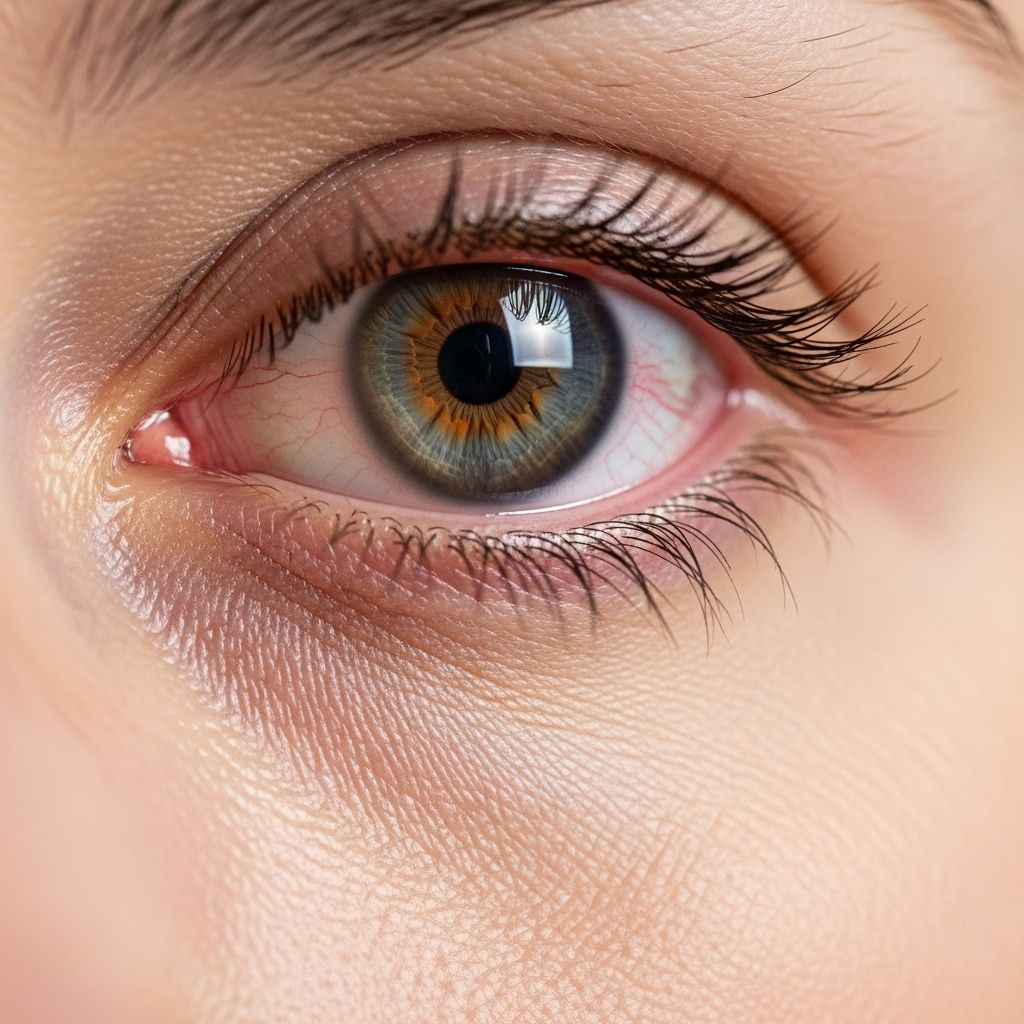
Pink eye (conjunctivitis) refers to inflammation of the conjunctiva. This can result from infections, allergies, or exposure to irritants. The eye appears red or pink due to increased blood flow to the inflamed tissue.
Types of Pink Eye
The different types of conjunctivitis have unique causes and features. Identifying the type is vital for effective management.
- Viral Conjunctivitis: Most common, highly contagious, and usually associated with respiratory infections.
- Bacterial Conjunctivitis: Caused by bacteria, can produce a thick yellow or green discharge, spreads easily.
- Allergic Conjunctivitis: Triggered by allergens like pollen, pet dander, or dust; not contagious and often associated with itching and watery eyes.
- Chemical/Irritant Conjunctivitis: Caused by irritants such as smoke, chlorine, or certain chemicals. Not contagious.
What Causes Pink Eye?
Pink eye has several potential causes. Understanding these helps determine the appropriate course of action:
- Viruses: Adenoviruses are the most common culprits. Other possibilities include herpes simplex virus and varicella-zoster virus.
Features: Frequently spreads with colds and respiratory symptoms; highly contagious. - Bacteria: Staphylococcus and Streptococcus species are typical causes, transferred from skin or respiratory system. Often affects children and is rampant in close-contact environments.
- Allergens: Pollen, pet dander, dust mites, and mold can trigger allergic conjunctivitis. Not transmitted between people.
- Irritants: Smoke, chlorine, pollution, chemical fumes, shampoos, and even swimming pools can cause non-infectious irritation.
- Contact Lenses: Improper cleaning, overuse, or use of others’ lenses can introduce both bacterial and chemical causes.
- Newborn Causes: Blocked tear ducts and exposure to bacteria during birth may cause conjunctivitis in infants.
Symptoms of Pink Eye
Symptoms can vary based on the underlying cause but typically include:
- Redness or pink color in the white part of the eye
- Watery or thick discharge (can be yellow/green in bacterial cases)
- Itching or burning sensation
- Gritty feeling, as if something is stuck in the eye
- Crusting of the eyelids, particularly after sleep
- Sensitivity to light
- Tearing or increased eye moisture
Allergic conjunctivitis may also include sneezing and nasal discharge, while infectious forms may present alongside cold or flu symptoms.
Is Pink Eye Contagious?
Contagiousness depends on the type of pink eye:
- Viral and bacterial conjunctivitis: Highly contagious. Spread by direct contact with eye secretions, contaminated surfaces, or respiratory droplets.
- Allergic and irritant conjunctivitis: Not contagious. Result from individual reactions to environmental factors.
How Does Pink Eye Spread?
Viral and bacterial pink eye can spread via:
- Touching or rubbing the infected eye, then touching objects or other people
- Sharing towels, washcloths, cosmetics, or bedding
- Respiratory droplets from coughing or sneezing (especially with viral origin)
- Contaminated contact lenses or lens solutions
How to Treat Pink Eye: Medical Treatment Options
Treatment depends on the underlying cause:
1. Viral Conjunctivitis
- Usually self-limiting and resolves within 1-2 weeks
- Supportive care: cool compresses, lubricating eye drops (artificial tears)
- If caused by herpes simplex or severe viruses, antiviral medications may be prescribed
2. Bacterial Conjunctivitis
- Antibiotic eye drops or ointments prescribed by a physician can speed recovery and limit transmission
- Mild cases may resolve without antibiotics, but children attending schools or daycare are often treated to minimize outbreaks
3. Allergic Conjunctivitis
- Antihistamine or anti-allergy eye drops (over-the-counter or prescription)
- Avoid allergen exposure when possible
- Oral antihistamines for moderate to severe symptoms
- Cool compresses to alleviate discomfort
4. Irritant (Chemical) Conjunctivitis
- Immediately flush the eye with clean water
- If symptoms persist or if a caustic chemical is involved, seek emergency care
How to Get Rid of Pink Eye at Home: Remedies and Tips
For mild cases, or while waiting for treatment to take effect, several home remedies can relieve pink eye symptoms. Always consult an eye care professional before self-treating, especially if symptoms worsen or vision changes.
- Cool Compresses: Gently apply a clean, cold, damp washcloth to closed eyelids to reduce discomfort. Use a separate cloth for each eye if both are affected to avoid cross-contamination.
- Artificial Tears: Lubricating eye drops can help alleviate dryness and wash out minor irritants.
- Avoid Touching or Rubbing Eyes: This prevents further irritation and the spread of infection.
- Strict Hygiene: Wash your hands frequently, and avoid sharing personal items (towels, pillowcases, cosmetics).
- Clean Eyelids Gently: Use a sterile cotton pad and wipe away discharge from the inner to the outer corner.
- Dispose of or Disinfect Makeup and Contact Lenses: Replace eye makeup and contact lenses used while infected.
Note: Avoid wearing contact lenses until the infection clears and it’s safe per your doctor’s advice.
When to See a Doctor
While most pink eye cases are mild, seek prompt medical attention if you experience the following:
- Moderate to severe pain in the eyes
- Vision loss or blurring which does not go away
- Sensitivity to light that is new or increasing
- Intense redness in one or both eyes
- Symptoms that worsen or fail to improve after a few days
- Significant discharge (especially green/yellow, thick, or pus-like)
- Immunocompromised individuals or newborns with symptoms
How to Prevent Pink Eye
- Wash your hands thoroughly and frequently—this is the most effective preventive measure
- Avoid touching your face and eyes with unwashed hands
- Do not share personal items including towels, makeup, or eye drops
- Replace or disinfect contact lenses as directed, and do not share lenses
- Launder pillowcases, sheets, and washcloths regularly, especially when infected
- Dispose of infected makeup and applicators
- Protect eyes from known allergens or irritants if prone to allergic or irritant conjunctivitis
- Practice good respiratory hygiene, such as covering your mouth when coughing or sneezing
Complications of Pink Eye
Most cases resolve without complications, but potential issues include:
- Corneal involvement: May occur in severe or untreated cases, leading to vision problems
- Chronic or recurrent infections: Especially in those with persistent irritant or allergic triggers
- Spread to others: Highly likely with poor hygiene, particularly in group settings such as daycares and schools
Table: Comparing Types of Pink Eye
| Type | Common Cause | Main Features | Contagious? | Primary Treatment |
|---|---|---|---|---|
| Viral | Adenoviruses, other viruses | Watery discharge, spreads rapidly | Yes | Supportive care |
| Bacterial | Staphylococcus, Streptococcus | Thick yellow/green discharge | Yes | Antibiotics |
| Allergic | Pollen, dust, animal dander | Itching, clear watery eyes | No | Antihistamines, avoid allergen |
| Irritant/Chemical | Smoke, chemicals | Redness, burning, watery | No | Flush eyes, avoid irritant |
Frequently Asked Questions (FAQs) about Pink Eye
How long does pink eye last?
Most viral and bacterial conjunctivitis cases resolve within 7–14 days, though some may last up to three weeks. Allergic and irritant conjunctivitis improve once exposure ceases.
Can I go to work or school with pink eye?
It is best to stay home while contagious, especially with bacterial or viral conjunctivitis. Return after 24 hours of starting antibiotics (for bacterial cases) or when symptoms resolve.
Can pink eye heal without medication?
Many mild viral cases resolve on their own, while bacterial forms may also self-resolve, but antibiotics can speed healing and reduce contagiousness. Allergic and irritant types often improve by avoiding the trigger.
Can pink eye cause permanent damage?
Complications are rare but can occur, particularly with severe bacterial or viral infections, or if left untreated—especially in newborns. Most people recover fully.
Should I wear contact lenses if I have pink eye?
No. Discontinue use until completely healed and your doctor says it’s safe to resume. Clean or discard any lenses and cases used while infected.
Home Care Do’s and Don’ts
- Do: Use clean hands and materials for any eye care; gently clean eyes as needed.
- Do: Change pillowcases and towels daily during infection.
- Do: Protect eyes from further irritants/shield from sunlight if sensitive.
- Don’t: Use red-eye-reducing (vasoconstrictor) eyedrops not prescribed for conjunctivitis.
- Don’t: Share eye drops or cosmetics.
- Don’t: Touch the unaffected eye after caring for the affected one.
Pink Eye in Children
Pink eye is particularly common in children due to frequent close contact in schools and daycare centers. Teach good hygiene habits early and enforce handwashing. If your child has pink eye accompanied by fever, severe pain, or vision changes, consult a pediatrician promptly.
When Is Pink Eye an Emergency?
- Severe pain, swelling, or inability to open the eye
- Significant vision loss or double vision
- New sensitivity to light (photophobia)
- Symptoms not improving after 3–5 days of treatment (or 24 hours if in a newborn)
- Known exposure to caustic chemicals
Seek immediate medical attention if these serious symptoms develop.
Common Myths about Pink Eye
- Myth: Only children get pink eye.
Truth: Anyone can develop pink eye, though it’s especially common in children. - Myth: All forms are contagious.
Truth: Only viral and bacterial types are contagious; allergy and irritant forms are not. - Myth: Pink eye always requires antibiotics.
Truth: Antibiotics help only for bacterial types; not effective for viral or allergic conjunctivitis. - Myth: You should cover your eyes while infected.
Truth: Covering may cause further irritation or infection; keep eyes clean and dry instead.
Key Takeaways
- Pink eye can be caused by viruses, bacteria, allergens, or irritants.
- Determine the type to ensure proper treatment.
- Most viral cases clear on their own; antibiotics speed up bacterial recovery.
- Practice good hygiene to prevent spread.
- Seek medical help for severe, unresponsive, or infant cases.
Similar Articles








Read full bio of medha deb