How to Increase Low Blood Pressure: Effective Home Remedies and Tips
Discover natural remedies, dietary tips, and lifestyle changes to safely manage and improve low blood pressure at home.
How to Increase Low Blood Pressure: Home Remedies & Tips
Low blood pressure, medically known as hypotension, can cause a variety of uncomfortable symptoms such as dizziness, fatigue, blurred vision, and even fainting. Although less discussed than high blood pressure, maintaining healthy blood pressure is crucial for overall wellbeing. This article outlines the best home remedies, dietary improvements, and lifestyle modifications to help safely increase low blood pressure and enhance your daily health.
Understanding Low Blood Pressure (Hypotension)
Low blood pressure occurs when blood flows through your body at lower-than-normal force, which means the body’s vital organs may not receive enough oxygen and nutrients. While some people experience no symptoms and may naturally have lower blood pressure, others can suffer from frequent dizziness, fatigue, and a greater risk of falls or fainting episodes. Common causes include dehydration, nutritional deficiencies, prolonged standing, sudden position changes, some medications, hormonal imbalances, or underlying medical conditions.
Symptoms of Low Blood Pressure
- Light-headedness or dizziness, especially when standing up
- Fainting episodes
- Blurred vision
- Fatigue and weakness
- Nausea
- Pale, cold or clammy skin
Causes of Low Blood Pressure
Low blood pressure can be triggered by:
- Dehydration resulting from inadequate fluid intake or excessive sweating
- Loss of blood due to injury or medical procedures
- Poor nutrition, especially deficiency in vitamin B12 and folate
- Certain medications such as antihypertensives or diuretics
- Endocrine problems including thyroid disorders
- Heart problems affecting circulation
Home Remedies to Increase Low Blood Pressure
Addressing hypotension often starts with simple lifestyle and dietary shifts. Here are practical home remedies and expert-recommended strategies to manage and improve low blood pressure:
1. Stay Hydrated
Dehydration is one of the most frequent causes of low blood pressure. Drinking adequate water throughout the day helps maintain blood volume and pressure. On hot days, during illness, or after exercise, water needs increase. Adults should aim for at least 2–2.5 liters daily unless limited by a healthcare provider. Consider including electrolyte-rich beverages, like coconut water or sports drinks, especially if fluid loss is significant due to sweating or vomiting.
Tip: Sip water gradually to avoid overwhelming your system, and monitor your urine color to ensure proper hydration—it should be pale yellow.
2. Eat Small, Frequent Meals
Instead of large, heavy meals that shunt blood to the digestive tract, opt for smaller, more frequent meals throughout the day. This helps stabilize blood pressure and maintains steady energy levels. Meals should be balanced, featuring whole grains, lean protein, and healthy fats.
Some people may notice a dramatic dip in blood pressure after eating large meals, known as postprandial hypotension. Frequent small meals alleviate this risk.
3. Increase Salt Intake (With Caution)
Sodium helps retain fluid, thereby increasing blood pressure. People with low blood pressure may benefit from slightly higher salt consumption but should consult a doctor before making significant changes, especially if they have heart, kidney, or liver issues.
Salty foods suggestions: Cottage cheese, pickled foods, olives, smoked fish, canned soups, and lightly salted nuts. Avoid excessive processed salty foods, as these may be high in unhealthy fats or additives.
4. Consume Foods Rich in Vitamin B12 and Folate
Deficiencies in vitamin B12 and folate can cause anemia, contributing to low blood pressure and fatigue. Including B12- and folate-rich foods in your diet helps boost red blood cell production and overall circulatory health:
- Eggs
- Fortified cereals
- Lean meats and liver
- Beans and lentils
- Leafy green vegetables
- Asparagus and citrus fruits
5. Limit Alcohol Consumption
Alcohol can lower blood pressure by dilating blood vessels and causing dehydration. Those prone to hypotension should reduce or avoid alcoholic beverages, especially on hot days or during physical exertion.
6. Wear Compression Stockings
Compression stockings (or socks) prevent blood from pooling in the legs, promoting venous return to the heart and stabilizing blood pressure. These are particularly useful for people who notice symptoms when standing for long periods or have varicose veins.
How to use: Wear medically approved compression stockings during the day, especially if suffering from orthostatic hypotension (drop in blood pressure on standing up).
7. Tulsi (Holy Basil) Leaves
Tulsi leaves are traditionally used in Ayurveda to maintain blood pressure thanks to their rich supply of potassium, magnesium, and antioxidants. Chewing a few fresh Tulsi leaves or drinking Tulsi tea in the morning can help stabilize blood pressure naturally.
8. Almonds
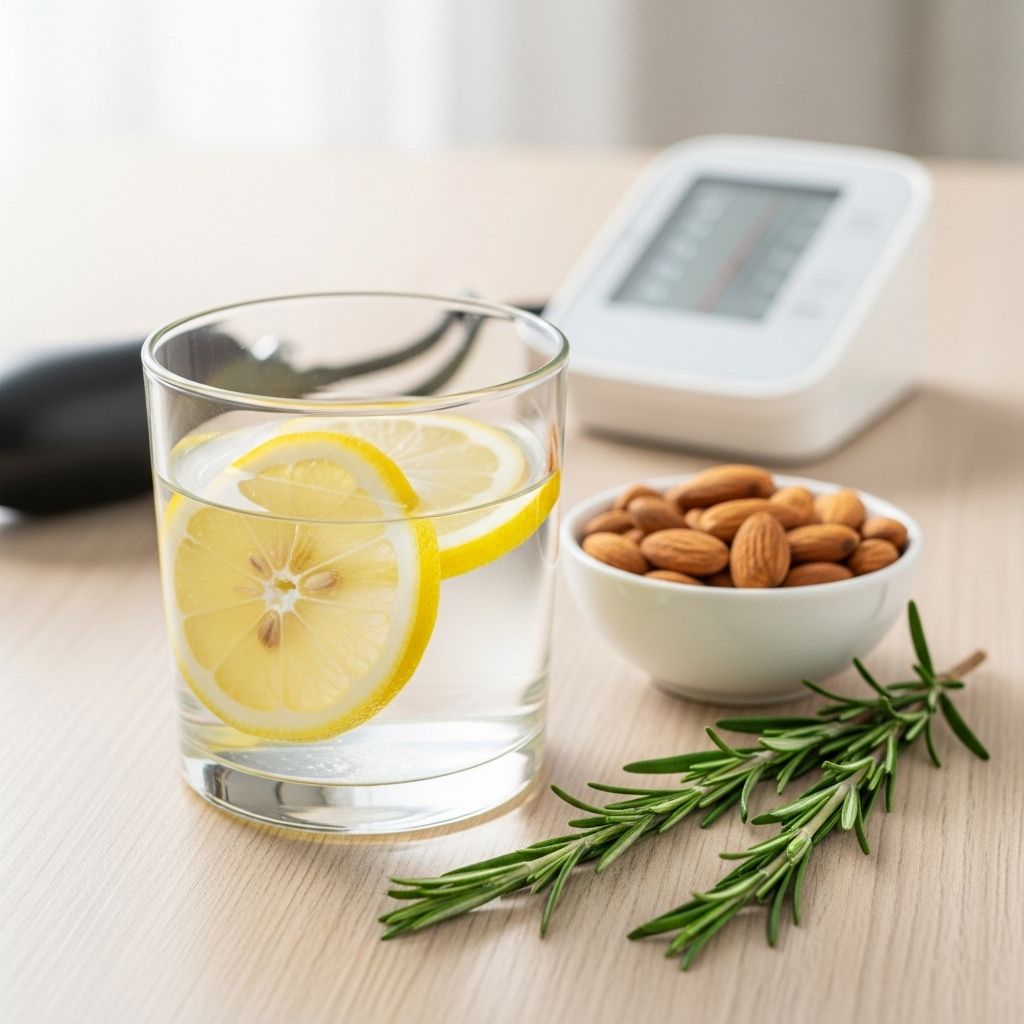
Almonds provide healthy fats, magnesium, and other nutrients beneficial for cardiovascular health. Eating a handful of almonds daily may help to increase and regulate low blood pressure.
9. Cross Your Legs While Sitting
This simple body posture can help raise blood pressure temporarily by restricting blood flow in the legs and increasing it toward the upper body and brain. Useful during sudden light-headedness.
10. Herbs and Natural Stimulants
Certain herbs and beverages may temporarily raise blood pressure, but should only be used with caution and under medical supervision:
- Caffeinated beverages (coffee, tea): Stimulate the cardiovascular system and offer a temporary rise in blood pressure.
- Licorice root: Contains glycyrrhizin, which can raise blood pressure. Only true licorice, not flavored sweets, is effective.
- St. John’s Wort, Ephedra: Used in traditional medicine, but can cause strong blood pressure spikes and interactions—consult a doctor before use.
Note: These remedies can sometimes induce hypertension if not carefully monitored. Stop use if you experience headaches or other hypertension symptoms.
Key Lifestyle Changes for Managing Low Blood Pressure
Alongside dietary changes and home remedies, certain lifestyle modifications can sustainably improve low blood pressure and minimize related symptoms.
- Gradually get up from sitting or lying down positions. Avoid sudden changes, as they can cause dizziness or fainting. Take care when getting out of bed—first sit up, then rise slowly.
- Engage in regular, moderate physical activity. Walking, gentle cycling, and swimming enhance circulation and overall heart health. Consult your physician before starting new exercise routines.
- Manage stress. Practice meditation, yoga, or deep breathing exercises to reduce negative stress, which can affect blood pressure levels.
- Don’t skip meals or fast for prolonged periods. Skipping meals causes energy drops and may provoke hypotension episodes.
- Get adequate rest. Quality sleep is essential for blood pressure regulation and daily recovery.
- Quit smoking. Smoking detrimentally affects circulation and overall blood pressure management.
Foods to Help Increase Low Blood Pressure
| Food Group | Examples | Key Nutrients | Benefit |
|---|---|---|---|
| High-sodium Foods | Olives, pickled vegetables, cottage cheese, smoked fish, canned soup | Sodium | Increases blood pressure |
| B12-rich Foods | Eggs, fortified cereals, meat, nutritional yeast | Vitamin B12 | Prevents anemia-linked hypotension |
| Folate-rich Foods | Beans, lentils, leafy greens, citrus fruits, asparagus | Folate (Vitamin B9) | Supports healthy blood cells |
| Caffeinated Beverages | Coffee, black tea, green tea | Caffeine | Temporarily raises blood pressure |
| Healthy Fats | Almonds, avocados, olive oil | Magnesium, unsaturated fats | Supports cardiovascular function |
Precautions & When to Seek Medical Help
- If symptoms appear suddenly, are severe, or occur after starting a new medication, consult your healthcare provider immediately.
- Never drastically increase salt or caffeine intake without medical supervision, especially if you have cardiac, renal, or hepatic concerns.
- If fainting, persistent weakness, palpitations, or confusion occur, seek prompt medical evaluation.
A doctor may investigate for underlying health conditions, adjust medications, or recommend more intensive treatments if necessary.
Frequently Asked Questions (FAQs)
Q: Is low blood pressure dangerous?
A: Low blood pressure is not always dangerous, especially if you feel fine. However, if it causes symptoms such as fainting or persistent dizziness, it could lead to injuries and may indicate an underlying health issue requiring medical attention.
Q: Can more salt be added to the diet to increase blood pressure?
A: Increasing salt intake can help raise blood pressure, but it should be done with caution and preferably under medical advice. Excess salt can negatively impact health, especially if you have kidney or heart problems.
Q: Which foods are best for people with low blood pressure?
A: Salty foods (in moderation), foods rich in vitamin B12 and folate, nuts like almonds, and moderate amounts of caffeinated beverages can help support healthy blood pressure levels.
Q: What lifestyle changes help prevent symptoms?
A: Rise slowly from bed or sitting positions, stay hydrated, wear compression stockings if your doctor recommends, eat balanced and frequent small meals, and manage stress through relaxation techniques.
Q: When should I see a doctor about low blood pressure?
A: Seek medical help if you experience repeated fainting, confusion, palpitations, or if symptoms develop suddenly or worsen over time.
Conclusion
Low blood pressure can be managed effectively at home with the right combination of dietary adjustments, hydration, and simple lifestyle modifications. However, persistent or severe cases require medical attention to identify and treat any underlying causes. Building healthy routines and making small but strategic changes to your eating patterns and daily habits can restore blood pressure levels and elevate your quality of life.
Similar Articles





Read full bio of medha deb