How To Prepare Green Tea: Essential Brewing Methods & Tips
Discover the best methods to brew a perfect cup of green tea, exploring traditional and modern techniques, and avoiding common mistakes.
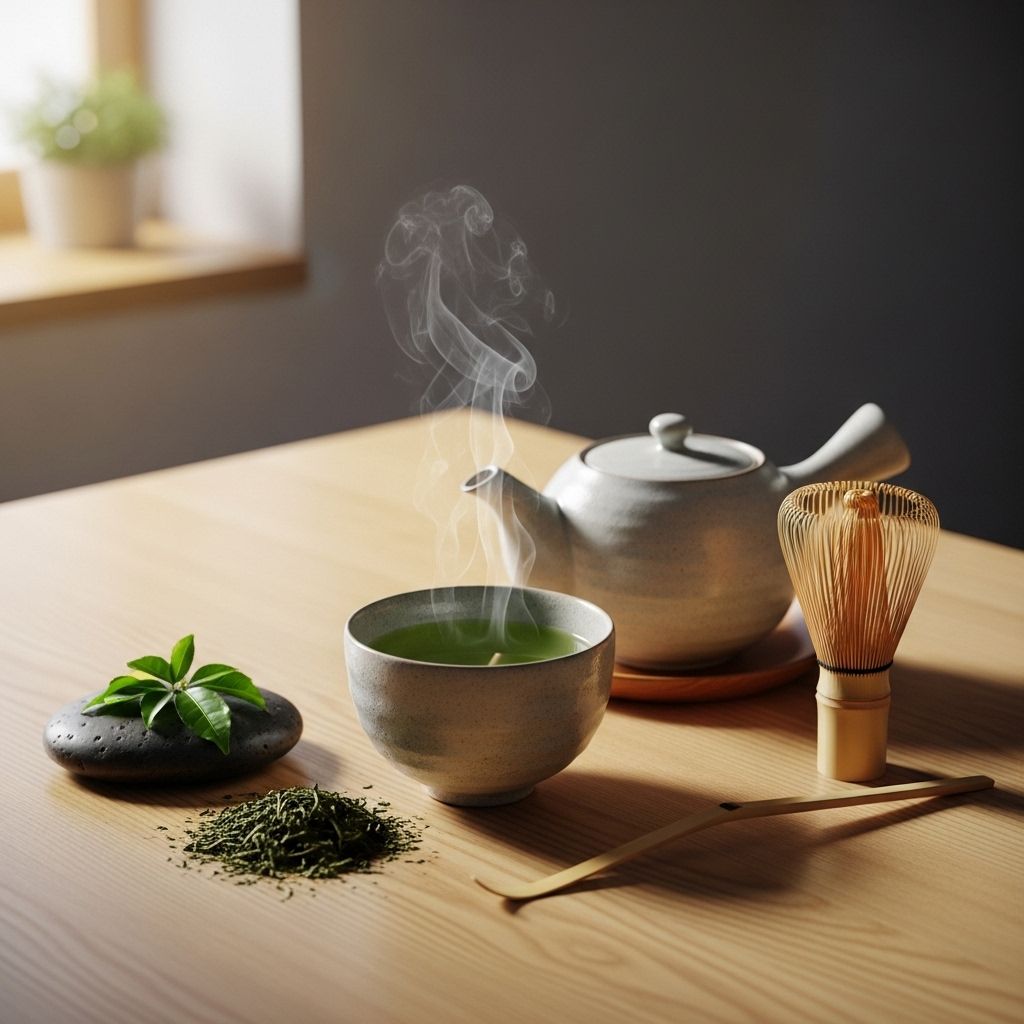
How To Prepare Green Tea: Comprehensive Methods For A Perfect Brew
Green tea is celebrated worldwide for its delicate flavor and remarkable health benefits. However, brewing the perfect cup often requires more than just hot water and tea leaves. This guide delves into the most effective ways to prepare green tea using both loose leaves and powder, explores expert techniques for achieving the best flavor, and addresses common questions to help you avoid bitterness and maximize the tea’s natural goodness.
Table of Contents
- Preparing Green Tea with Loose Leaves
- Preparing Green Tea with Powder
- Essential Brewing Techniques & Tips
- Common Mistakes: Avoiding Bitterness
- Advanced & Traditional Green Tea Brewing Methods
- Frequently Asked Questions (FAQs)
Preparing Green Tea With Loose Leaves
Brewing green tea with loose leaves is the foundation for a flavorful and aromatic cup. To ensure you capture the most nuanced flavors while avoiding bitterness or astringency, follow this proven step-by-step method.
What You Need
- Green tea leaves (1 teaspoon per cup; for multiple cups, use 1 teaspoon per cup)
- Tea strainer or sieve (cleaned, especially if also used for black tea)
- Stainless steel pot or glass tea kettle
- Cup or mug
- Water (fresh, filtered recommended)
- Optional: 1 teaspoon honey
Step-by-Step Method
- Measure The Leaves: Place 1 teaspoon of green tea leaves for each cup into a clean strainer or sieve, set aside.
- Heat The Water: In a stainless steel pot (or glass teapot), heat water until it reaches 80°C to 85°C (176°F to 185°F). Avoid boiling; if water boils, let it cool for 30-45 seconds.
- Position The Strainer: Place the strainer with leaves over your cup.
- Pour & Steep: Gently pour the hot water (not boiling) into the cup, over the tea leaves. Allow to steep for 2 to 3 minutes. Taste periodically with a spoon every 30-45 seconds to achieve your preferred strength.
- Remove & Sweeten: Take out the strainer. Add honey if desired. Stir and let the drink cool slightly before enjoying your fresh, vibrant cup of green tea.
Brewer’s Note:
The ideal steeping temperature and time are crucial—hotter water or longer steeping can create a bitter brew. Adjust to taste, but lighter is often better with green tea.
Preparing Green Tea Using Powder
Green tea powder (distinct from traditional matcha, but similar in preparation) offers a quick and modern approach. This method is perfect for those who want a smooth cup with minimal fuss.
What You Need
- Green tea powder (1.5 teaspoons per cup)
- Water (1 cup, filtered is best)
- Stainless steel or heat-safe glass bowl
- Strainer
- Optional: 1 teaspoon honey
Step-by-Step Method
- Heat The Water: Pour 1 cup water into a stainless steel or glass bowl, gently heat to about 85°C (not boiling).
- Cool Slightly: Allow the water to sit for a few seconds after boiling to reach the right temperature if needed.
- Add Powder: Sprinkle in 1.5 teaspoons of green tea powder.
- Steep & Check: Let the mixture steep for about 3 minutes. Taste after 1.5 minutes; continue steeping for a stronger flavor.
- Strain & Sweeten: Pour through a strainer into a cup. Add honey if desired and stir well.
This method yields an elegantly smooth cup of green tea, customizable in intensity and sweetness.
Essential Brewing Techniques & Tips
The art of brewing green tea is a blend of science and personal taste. Even small adjustments in temperature or steeping time can dramatically alter flavor and mouthfeel. Here’s how to elevate your brewing skills:
- Ideal Water Temperature: Green tea thrives at 75–85°C (167–185°F), never boiling. Boiling water extracts bitter tannins, overwhelming the delicate flavor.
- Brew Time: Start with 2–3 minutes. Increase or decrease by 30 seconds based on your preference and the tea’s variety.
- Tea-to-Water Ratio: 1 teaspoon of leaves or 1.5 teaspoons powder per 250ml (8 oz) water is a solid baseline for most teas.
- Quality Matters: High-grade green tea leaves or powder give a sweeter, smoother cup with richer health benefits.
- Experiment! Try different temperatures and steep times; use filtered water for best results.
Common Mistakes: How to Avoid Bitter Green Tea
Green tea’s flavor can easily tip into bitterness if key guidelines are overlooked. Here’s how to safeguard your brew:
- Never use boiling water. Exposing leaves or powder to very hot water (above 90°C) damages flavor compounds and brings out bitterness.
- Don’t over-steep. Steeping beyond 3–4 minutes releases excess catechins and tannins, making the brew astringent.
- Avoid reusing leaves without adjusting steep time; earlier infusions are gentler, later ones need less steeping to avoid harshness.
Advanced & Traditional Brewing Methods
Beyond the basic approaches, traditional Chinese tea professionals have refined specialized methods to get the best from every leaf type. Here are three recognized techniques:
| Method | Best For | Steps |
|---|---|---|
| Top-Infusion (Shàng Tóu Fǎ) | Very delicate, light leaves (e.g., Bi Luo Chun) |
|
| Middle-Infusion | More robust, rolled, or denser leaves |
|
| Bottom-Infusion | Hardy, large-leaf greens or those needing a bit more coaxing |
|
Each method allows you to customize the tea’s extraction, enhancing sweetness, floral notes, or complexity as preferred. Always adjust steeping time, temperature, and quantity according to your choice of leaf, with a spirit of experimentation.
Matcha: The Special, Stone-Ground Green Tea
Matcha is a fine, vibrant powder made from stone-ground green tea leaves. Unlike regular green tea, with matcha you consume the entire leaf, which explains its concentrated taste and health benefits. Matcha is traditionally enjoyed in two ways:
- Usucha (Thin Tea): Whisk 1 teaspoon of matcha powder into 8 oz hot water (about 185°F/85°C) until frothy. Enjoy as is or add a touch of sweetness.
- Koicha (Thick Tea): Mix 2 teaspoons matcha powder into 4 oz of hot water, whisking to a thick consistency for a more intense flavor.
Modern matcha lattes use milk instead of water, for a creamy, nourishing drink served hot or iced.
Quick Tips For Matcha Preparation:
- Always sift the powder before whisking to prevent clumping.
- Use a bamboo whisk (chasen) for traditional preparation, or a small metal whisk or frother if unavailable.
Frequently Asked Questions (FAQs)
Q: What water temperature is best for brewing green tea?
A: The ideal temperature is between 75°C and 85°C (167°F to 185°F). Never use boiling water, as it will make your green tea taste bitter.
Q: Why does my green tea taste bitter even with high-quality leaves?
A: The two main causes are too hot water or over-steeping the leaves. Try lowering the temperature and shortening steep time for a smoother taste.
Q: Can I reuse green tea leaves for multiple infusions?
A: Yes, many loose-leaf green teas such as gunpowder and dragonwell can be re-brewed several times. Each infusion will offer a subtler flavor, but reduce steep time by 10–20% with each additional brewing.
Q: Is it possible to sweeten green tea without harming its health benefits?
A: Light natural sweeteners like honey or stevia can be added, but go sparingly. Too much sugar can negate green tea’s advantages for metabolism and weight management.
Q: What is the difference between brewing with leaves, powder, and matcha?
A: Loose leaves yield a traditional, aromatic infusion; powder dissolves entirely for a quick, smooth cup; matcha is uniquely whisked and ingested whole, offering richer flavor and boosted antioxidant content.
Final Tips For The Perfect Cup
- Always start with fresh, high-quality tea and clean water.
- Customize steep time and temperature to suit your palate and green tea variety.
- Experiment with different infusion methods—each reveals unique flavors and aromas.
- Enjoy your green tea as a moment of calm, mindfulness, and healthful ritual.
Similar Articles




Read full bio of Sneha Tete