How to Stop Eye Twitching: Causes, Remedies, and Prevention
Understand why your eyes twitch and discover proven ways to stop and prevent eyelid spasms for lasting eye health.
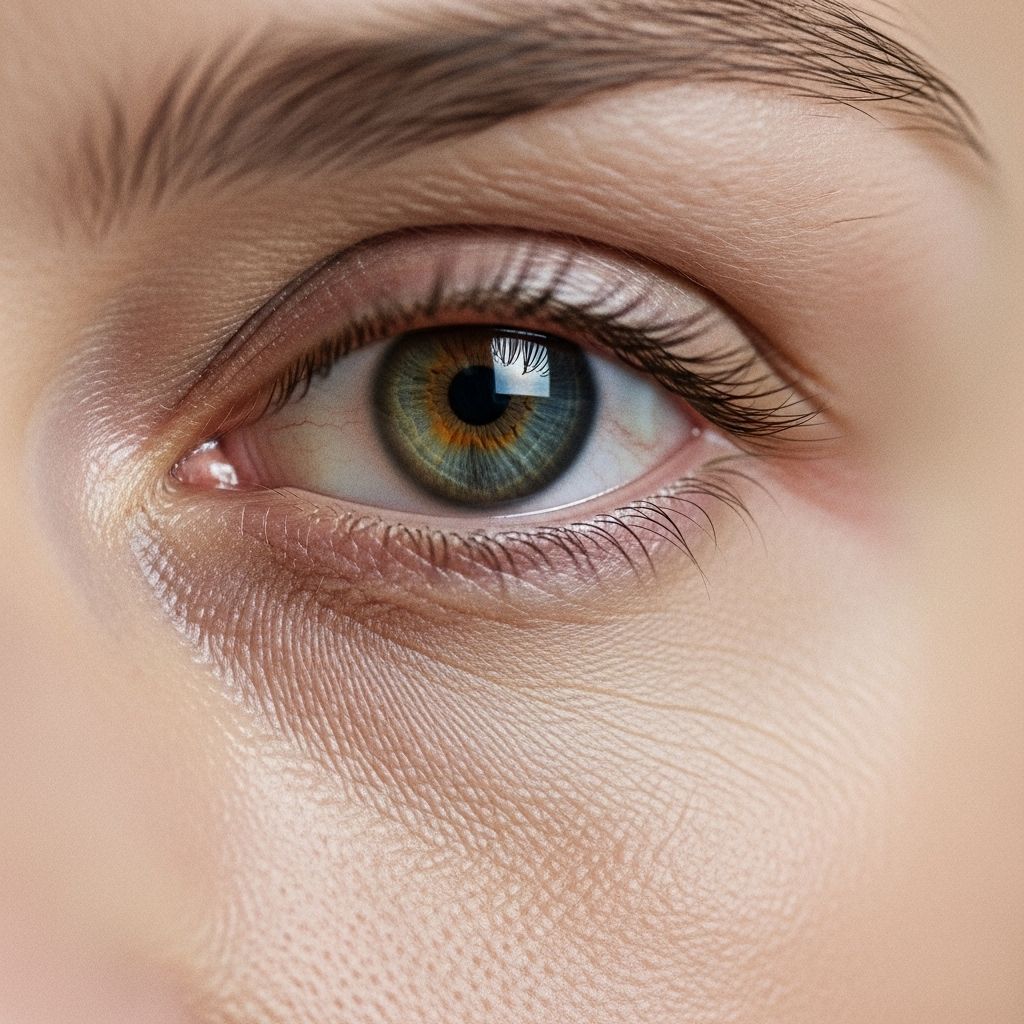
Eye twitching is a widespread phenomenon characterized by the involuntary, repetitive spasm of the eyelid muscles—a condition medically known as myokymia. While eye twitching is generally harmless, it can cause discomfort, distraction, and concern when it becomes persistent or severe. This comprehensive guide delves into the root causes of eyelid twitching, explores effective remedies, offers prevention strategies, and clarifies when to seek help from an eye specialist.
What Is Eye Twitching?
Eye twitching refers to the uncontrollable, spontaneous contractions of the muscles around the eyelid. The twitch most often affects the upper eyelid, but can occur in the lower eyelid as well. Episodes range from fleeting spasms lasting seconds to persistently repetitive movements that last for days or even weeks. Although rarely painful, chronic twitching can become a source of frustration or self-consciousness for many individuals.
Medical Terminology: Myokymia and Beyond
- Myokymia: The most common and benign form of eyelid twitching, usually affecting only one eye and subsiding without intervention.
- Benign essential blepharospasm: A rarer, more severe condition involving sustained, forceful closures of both eyelids. It typically requires medical evaluation.
- Hemifacial spasm: Involuntary muscle contractions affecting one entire side of the face, sometimes including the eyelid, often indicating an underlying neurological issue.
What Causes Eye Twitching?
Understanding the reasons behind eyelid twitching is the first step toward effective management. The most frequent causes are lifestyle-related and benign, but persistent or severe twitching can sometimes signal a more serious health problem.
| Cause | Description |
|---|---|
| Stress | Elevated stress levels prompt the body to react in numerous ways, including muscle twitching in the eyelids. |
| Fatigue | Sleep deprivation disrupts the nervous system, increasing the likelihood of spasms. |
| Eye Strain | Excessive screen time or uncorrected vision problems can overwork eye muscles. |
| Caffeine | Large amounts stimulate the nervous system, provoking muscle twitches. |
| Alcohol | Like caffeine, alcohol may overstimulate nerves and muscles. |
| Dehydration | Lack of fluid affects muscle and nerve function, leading to spasms. |
| Allergies | Allergic responses may cause irritation, itching, and eye rubbing, all of which trigger twitching. |
| Nutritional Deficiency | Low levels of magnesium, potassium, or B vitamins can increase risk of muscle spasms, including eyelids. |
| Other Factors | Bright lights, wind, pollution, smoking, certain medications, and eye surface irritation are additional triggers. |
When Eye Twitching Could Signal a Serious Condition
Chronic or severe eyelid spasms are uncommon, but if your symptoms persist, are painful, or affect other parts of your face, consult a healthcare professional. Potentially linked conditions include:
- Blepharitis (eyelid inflammation)
- Dry eye disease
- Facial palsy (e.g., Bell’s palsy, hemifacial spasm)
- Neurological disorders (e.g., dystonia, multiple sclerosis, Parkinson’s disease, Tourette syndrome)
If you experience associated symptoms—such as eyelid drooping, persistent swelling, redness, or discharge—seek medical guidance promptly.
Effective Remedies to Stop Eye Twitching
For most people, eye twitching is temporary and responds well to simple lifestyle adjustments. Try the following measures to stop or reduce eyelid spasms:
- Get adequate sleep: Prioritize restful sleep each night to support healthy nerve and muscle function.
- Manage stress: Practice relaxation techniques such as deep breathing, meditation, or gentle exercise to alleviate tension.
- Reduce screen time: Apply the 20-20-20 rule: Every 20 minutes, look at something 20 feet away for at least 20 seconds.
- Limit caffeine and alcohol: Cut back on coffee, tea, sodas, and alcoholic beverages to reduce stimulation of the nervous system.
- Stay hydrated: Drink plenty of water throughout the day to help muscles function properly.
- Treat allergies: Use prescribed or over-the-counter allergy medicines; avoid rubbing your eyes.
- Consider dietary supplements: Speak to your doctor about magnesium, potassium, or B-vitamin supplements if you suspect deficiency.
- Artificial tears: Lubricating eye drops relieve dryness and minor irritation. Consult a doctor for persistent symptoms.
Adjusting Lifestyle Habits
- Take frequent breaks from screens to prevent eye strain, especially during long work or study sessions.
- Wear sunglasses in bright sunlight, wind, or high-pollution areas to protect your eyes from environmental irritants.
- Avoid smoking and exposure to tobacco, which can worsen eye irritation.
How to Prevent Eye Twitching
Proactive eye care habits can minimize your risk of developing recurrent eyelid spasms. Consider the following tips for prevention:
- Maintain a regular sleep schedule to ensure adequate rest.
- Keep stress in check by managing workloads and practicing self-care.
- Use proper lighting for reading, screen work, and other visual tasks to avoid unnecessary strain.
- Regular eye exams help detect and address vision problems early.
- Eat a balanced diet rich in essential nutrients, especially magnesium, potassium, and B-complex vitamins.
- Stay hydrated and limit intake of stimulants (caffeine, alcohol).
When Should You See a Doctor?
While most cases of eye twitching are benign, prompt consultation with an eye care specialist is crucial if you experience any of the following:
- Twitching that persists beyond one week
- Pain, swelling, redness, or discharge from the eye
- Upper eyelid drooping (ptosis)
- Total eyelid closure with each spasm
- Spasms affecting other facial muscles
- Loss or disturbance of vision
Persistent, severe, or complex cases may require physical examination, investigations, and even referrals to specialists such as neurologists, especially if a neurological disorder is suspected.
Possible Complications
In most cases, the twitching resolves without consequences. However, untreated or frequent twitching due to underlying problems (such as chronic dryness, allergies, or strain) can lead to complications:
- Chronic dry eyes
- Persistent discomfort or pain
- Difficulty focusing or performing daily tasks
Addressing the root cause typically prevents long-term issues.
FAQs: Frequently Asked Questions About Eye Twitching
Q: Is eye twitching dangerous?
A: Occasional eyelid twitching is typically harmless and temporary. However, persistent or severe twitching, or twitching with other symptoms (such as drooping, pain, or vision changes), should prompt evaluation by an eye specialist.
Q: How can I relieve eye twitching at home?
A: Make sure to rest your eyes, reduce caffeine and alcohol, remain hydrated, manage stress, and use lubricating eye drops if dryness is present.
Q: When should I worry about eye twitching?
A: Seek prompt medical advice if the twitching lasts longer than a week, worsens, or is accompanied by additional symptoms such as swelling, drooping eyelid, discharge, or facial muscle involvement.
Q: Can vitamin deficiency cause eye twitching?
A: Deficiencies in vitamins and minerals such as magnesium, potassium, and B complex can contribute to muscle spasms, including those of the eyelids. Consult your doctor before starting supplements.
Q: Are there treatments for severe or persistent cases?
A: Severe cases related to movement disorders or conditions like benign essential blepharospasm may require specialized treatments, including prescription medications or botulinum toxin injections. Always follow the guidance of your eye care provider.
Final Tips for Healthy Eyes
- Adopt habits supporting overall eye health, such as regular breaks during focused tasks and good, balanced nutrition.
- If you use contact lenses, follow all hygiene guidelines, and never overwear them.
- Schedule comprehensive eye exams regularly, even in the absence of symptoms, to catch issues early.
- Listen to your body; early attention to minor symptoms helps prevent bigger health concerns later.
Similar Articles








Read full bio of Sneha Tete