How To Stop Throwing Up After Drinking: Recovery Tips And Remedies
Learn evidence-based ways to ease nausea, recover quickly, and prevent vomiting after drinking alcohol.
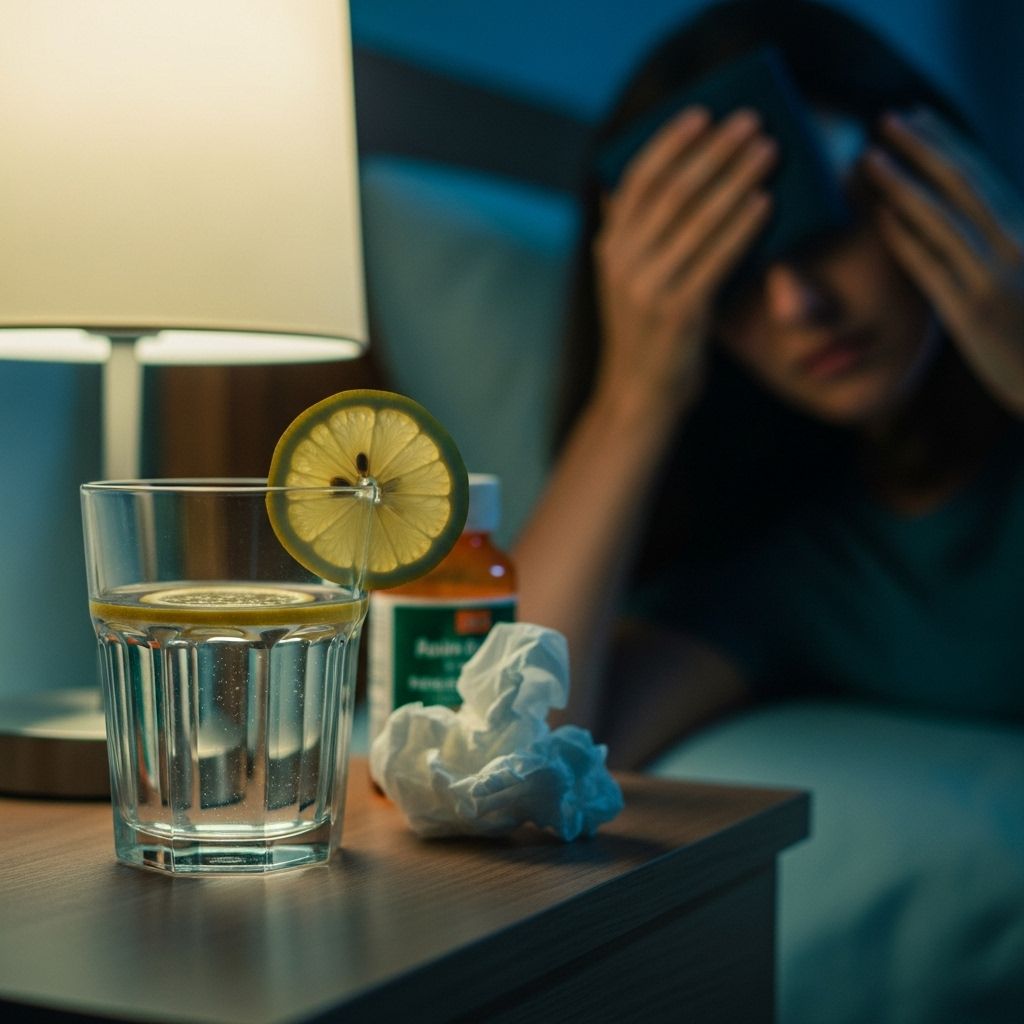
How To Stop Throwing Up After Drinking: Complete Guide
Throwing up after drinking is a common, though deeply unpleasant, aftermath of excessive alcohol consumption. This guide explores why alcohol can make you vomit, how to recover quickly once it happens, and essential tips for preventing future bouts of post-drinking nausea and vomiting.
Table of Contents
- Why Does Alcohol Make You Throw Up?
- Vomiting and Alcohol Poisoning: What’s the Link?
- Immediate Actions: What To Do After Vomiting
- What To Eat and Drink After Throwing Up
- Foods and Drinks to Avoid
- When To Seek Medical Help
- How To Prevent Vomiting After Drinking
- Frequently Asked Questions (FAQs)
Why Does Alcohol Make You Throw Up?
Vomiting after drinking is your body’s defensive response to excess toxins. Several physiological factors contribute to this unpleasant reflex:
- Acetaldehyde Build-Up: When you drink, your liver metabolizes alcohol into acetaldehyde, which is toxic at high levels. If your liver can’t process it rapidly enough, your body tries to expel the excess through vomiting.
- Stomach Irritation: Alcohol can irritate the gastric lining, causing acid build-up and nausea. This is why you might feel queasy or start vomiting after too much drinking.
- Body’s Protective Reflex: Vomiting acts as a safeguard, ridding the system of toxins before severe harm or deeper intoxication can occur.
- Long-Term Damage Risk: Frequent heavy drinking may cause gastritis—a chronic inflammation of the stomach lining—leading to recurrent nausea and vomiting episodes.
Understanding these mechanisms highlights why your body may force you to vomit after members. It is generally a protective, though distressing, reaction.
Vomiting and Alcohol Poisoning: What’s the Link?
It’s critical not to dismiss vomiting after drinking as harmless. While vomiting is a common side effect of too much alcohol, it can also be an indicator of alcohol poisoning, a life-threatening emergency.
- Signs of Alcohol Poisoning: Confusion, seizures, slow or irregular breathing, unconsciousness, pale or bluish skin.
- Vomiting typically occurs when blood alcohol concentration (BAC) reaches 0.2%–0.4%, which can also impact vital functions such as breathing and heart rate.
If vomiting is accompanied by severe symptoms, seek immediate medical attention. Never leave an unconscious person alone or assume sleeping it off is safe.
Immediate Actions: What To Do After Vomiting
If you can’t stop throwing up after drinking, care is crucial to prevent further complications like severe dehydration, electrolyte imbalance, or aspiration (inhaling vomit into the lungs).
- Hydrate Gradually: Sip small amounts of water or other clear fluids (broth, oral rehydration solution, sports drinks). Do not gulp large quantities at once as this may trigger more vomiting.
- Rest: Try to rest and avoid strenuous activity. Lying in an slightly upright position may help settle nausea.
- Eat Bland Foods When Possible: Small amounts of easy-to-digest foods—such as crackers or plain toast—can help.
- Avoid Greasy or Spicy Foods: These can further irritate your stomach.
- Over-the-Counter Pain Relief: If you have headaches or muscle aches, nonsteroidal anti-inflammatory drugs (NSAIDs) like ibuprofen or aspirin may help. Do not use acetaminophen (paracetamol) after drinking alcohol as it increases liver toxicity risk.
- Do Not Induce Vomiting: Never try making yourself vomit intentionally—it doesn’t speed up recovery and can cause serious injury to your throat and esophagus.
What To Eat and Drink After Throwing Up
Certain foods and beverages support your recovery by replenishing nutrients and electrolytes, promoting rehydration, and soothing the digestive tract.
| Food/Drink | Benefit | Tips/Notes |
|---|---|---|
| Water | Rehydrates the body and helps replace lost fluids. | Take small sips regularly. Do not chug. |
| Electrolyte Drinks (Sports drinks, oral solutions) | Restore depleted minerals and salts. | Opt for low-sugar or diluted versions if possible. |
| Bananas | High in potassium, helps restore electrolytes lost through vomiting. | Eat when able to tolerate solid food. |
| Watermelon | Contains over 90% water; provides hydration and some vitamins. | Eat small cubes to test stomach tolerance. |
| Oranges/Citrus Fruits | Provide vitamin C and hydration. | Eat in moderation; acidic foods can irritate some people’s stomachs. |
| Ginger Tea | Known for anti-nausea properties; soothes digestion. | Steep fresh ginger in hot water; sip slowly. |
| Bland Foods (Toast, Crackers, Rice) | Gentle on the stomach; provide small amounts of energy. | Start with a few bites, increase gradually. |
| Broth | Hydrates and replaces sodium lost during vomiting. | Choose clear, low-fat broths. |
| Coffee/Tea | May relieve headaches; comfort beverage. | Caffeine may irritate stomach; not recommended for all. |
Best Practices for Recovery Nutrition
- Start with liquids, then introduce bland solids gradually.
- Stop immediately if nausea worsens, and wait before trying again.
- Avoid foods and drinks that are very hot, cold, spicy, or fatty.
- Do not force yourself to eat large meals.
Foods and Drinks to Avoid After Vomiting
- Greasy or Fried Foods: Can further irritate your stomach lining.
- Highly Spiced Foods: Increase the risk of additional gastric discomfort.
- Energy Drinks: High in caffeine and sugar, may worsen dehydration or irritate the stomach.
- Acidic Foods: Such as tomatoes and citrus in large amounts; while some fruits in moderation are helpful, acidity can increase irritation for some people.
- Alcohol: Avoid all additional alcohol until you have fully recovered.
When To Seek Medical Help
Vomiting after drinking is common, but if you notice any of the following, seek emergency care immediately:
- Repeated or uncontrollable vomiting (especially with inability to keep fluids down)
- Signs of dehydration: dry mouth, sunken eyes, absence of urination for 8 hours or more
- Confusion, inability to stay awake, or unconsciousness
- Slow, irregular, or shallow breathing
- Seizures
- Bloody or black vomit (indicates possible internal bleeding)
- Chest pain or severe abdominal pain
The presence of any of these symptoms could indicate alcohol poisoning or other serious medical emergencies. Do not hesitate to call emergency services if you are concerned.
How To Prevent Vomiting After Drinking
The best cure is prevention. Observing the following strategies can help reduce your risk of gastrointestinal distress and vomiting after consuming alcohol:
- Know Your Limits: Keep track of how much you drink. Moderate your intake and avoid binge drinking.
- Pace Yourself: Hold to a “one drink per hour” guideline, and alternate each alcoholic drink with water or a non-alcoholic beverage.
- Eat Before and While Drinking: Consuming food, especially items rich in complex carbohydrates and proteins, slows alcohol absorption and reduces stomach irritation.
- Stay Hydrated: Drink plenty of water before, during, and after your event.
- Avoid Drinking on an Empty Stomach: Increases risk of fast absorption and irritation.
- Avoid Mixing Drinks: Combining various types of alcohol or adding energy drinks increases the risk of GI discomfort.
- Be Cautious with Carbonated Drinks: These can speed up gut absorption of alcohol.
- Don’t Force Vomiting: If you feel nauseous, allow your body to expel it naturally rather than making yourself vomit, which can harm your esophagus or introduce aspiration risks.
Frequently Asked Questions (FAQs)
Q: Is it safe to make yourself throw up after drinking?
A: No, inducing vomiting intentionally after drinking can damage the esophagus and lead to dangerous complications. Let your body vomit naturally if it needs to and focus on rehydration and rest.
Q: How long does vomiting after drinking last?
A: For most people, vomiting and nausea subside within 12–24 hours once the alcohol has been processed and the body has had time to recover. Persistent vomiting or symptoms beyond this time should prompt a visit to a healthcare provider.
Q: What’s the best thing to drink after vomiting from alcohol?
A: Water in small, frequent sips is safest. Oral rehydration solutions or diluted clear juices can help replenish electrolytes. Avoid caffeine, sugar-laden, or highly acidic beverages until your stomach settles.
Q: Are there any foods that help you recover faster?
A: Bananas, watermelon, plain toast, crackers, and clear broths are easy to digest and can help with recovery. Wait until your stomach feels capable of tolerating solids, and always start with small portions.
Q: Can vomiting after drinking be a sign of something more serious?
A: Yes. If vomiting is persistent, contains blood or black material, or is accompanied by confusion, difficulty breathing, or loss of consciousness, it could be a sign of alcohol poisoning or another medical emergency. Seek care right away.
Q: What can I do to avoid throwing up next time I drink?
A: Set personal consumption limits, pace yourself, eat before and during drinking, and stay well-hydrated throughout the night. Avoid risky drinking behaviors and remember your body’s warning signs.
Similar Articles







Read full bio of medha deb