How to Stop Your Period Early: Effective Methods, Tips & Medical Insights
Discover safe, proven natural and medical ways to shorten, delay or suppress your period, including expert-backed tips and answers to common questions.
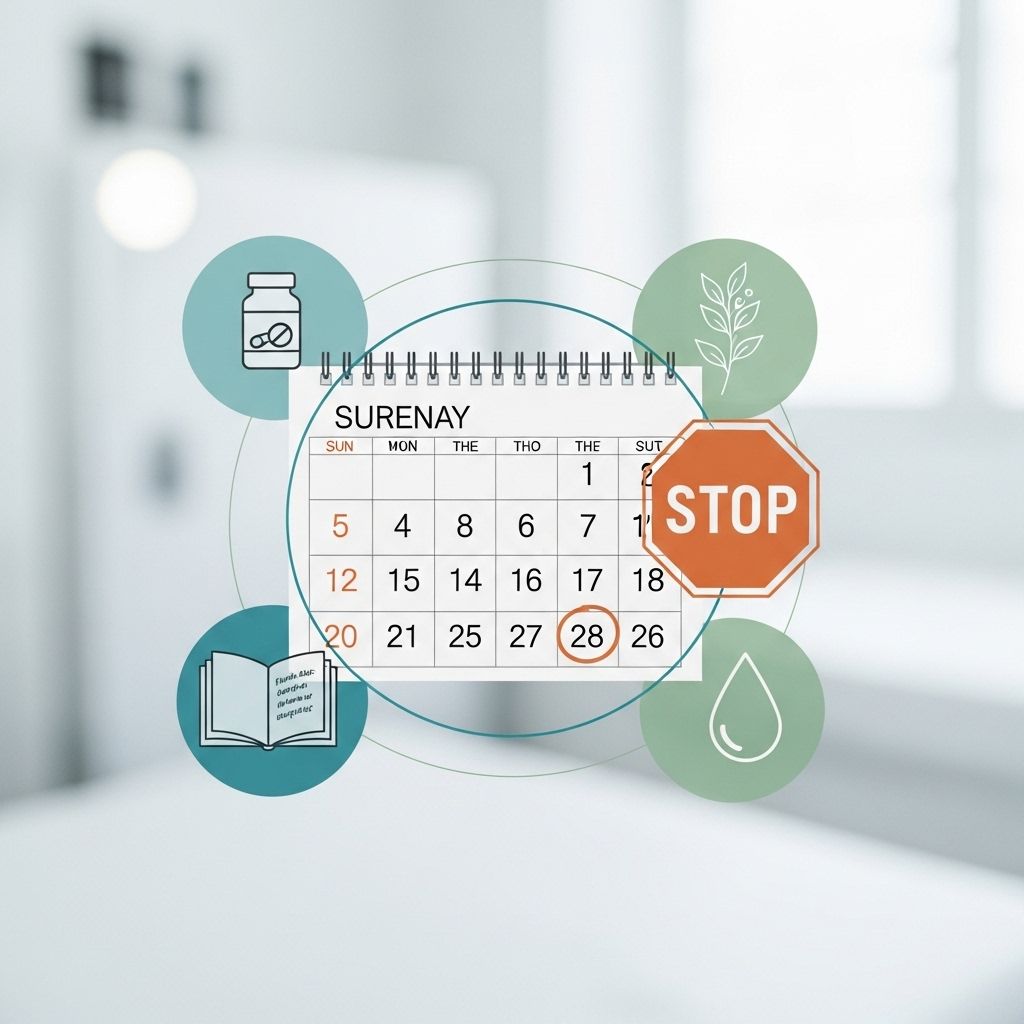
How to Stop Your Period Early: Effective Methods, Safety, and FAQs
An unexpected period can disrupt your everyday activities, travel plans, or important events, prompting many to seek ways to stop or shorten their menstrual flow. Both natural and medical solutions exist to help manage, delay, or suppress menstruation—but it’s essential to choose options that are safe and medically sound. This comprehensive guide explores proven methods to stop your period early, examines their effectiveness, and answers common questions based on expert insight.
Understanding the Menstrual Cycle
The menstrual cycle is a complex process controlled by fluctuating hormones. Periods typically last between 3 and 7 days, with cycles ranging from 21 to 35 days for most people. Factors like stress, illness, and underlying health conditions can influence both cycle regularity and duration.
- Menstruation marks the start of a new cycle. Tracking your cycle using apps or calendars helps you anticipate periods and manage symptoms.
- Natural period length can’t be shortened once bleeding begins, but several strategies can help manage symptoms or slightly reduce flow.
Can You Safely Stop or Shorten Your Period?
According to medical experts, it’s safe to deliberately stop or delay periods using certain methods if done appropriately. Wanting to skip your period due to events or health reasons is common, and options range from natural remedies to prescription birth control. Consult your healthcare provider before making any decisions, especially if you experience heavy bleeding or underlying conditions.
- Reasons for stopping a period include:
- Special occasions (vacations, weddings)
- Heavy or painful periods
- Medical conditions (endometriosis, anemia)
- Gender dysphoria
- No home treatment can instantly stop a period after it starts, but symptom management is possible.
Natural Methods to Stop Your Period Early
While medical consensus states you can’t completely halt a period in its tracks, anecdotal reports and some preliminary studies suggest certain natural remedies may help reduce menstrual flow or slightly shorten its duration. Always approach these methods with caution and consult a doctor if you have underlying health conditions.
- Hydration
- Drinking plenty of water may help reduce bloating and support your body’s natural processes to manage menstrual flow.
- Exercise
- Regular physical activity can improve circulation, relieve cramps, and potentially help periods finish a bit faster by stimulating blood flow.
- Applying Heat
- Warm compresses or heating pads may relieve cramps and encourage faster uterine contractions, potentially making bleeding end sooner.
- Herbal Remedies
- Ginger Tea: Traditionally consumed to promote uterine contractions and potentially minimize bleeding. Scientific evidence is limited.
- Parsley Tea: Largely anecdotal, believed to stimulate uterine muscles.
- Apple Cider Vinegar: Some suggest diluted apple cider vinegar helps reduce flow, but clinical research is lacking.
- Vitamin C-rich Foods
- Citrus fruits, berries, and leafy greens may support hormonal balance and help regulate flow.
Important Note: Evidence supporting these methods is largely anecdotal, and results vary greatly. For significant results or persistent symptoms, speak with a medical professional.
Medical Options to Delay or Suppress Your Period
If you need reliable results, medical menstrual suppression offers more control and effectiveness. These methods should be used under professional supervision for safety and best outcomes.
- Hormonal Birth Control Pills
- Continuous or extended-cycle birth control pills—skip the placebo (inactive) pills and immediately begin a new pack to avoid withdrawal bleeding.
- This approach can safely delay periods for weeks or months, as advised by your doctor.
- Hormonal Intrauterine Devices (IUDs)
- Levonorgestrel IUDs not only provide contraception but also dramatically reduce or may eliminate periods for many users after several months.
- Birth Control Patches and Vaginal Rings
- By using these methods without a hormone-free interval, bleeding can be safely delayed.
- Hormonal Injections
- Injectable contraceptives (like Depo-Provera) suppress periods for months at a time. Discuss suitability with your doctor.
Key Points:
- Hormonal suppression is generally low-risk for most, but side effects can include spotting or breakthrough bleeding.
- Not all hormonal birth control methods work the same way; consult your gynecologist for the right method.
- Menstrual suppression can be especially beneficial for those with painful, heavy periods, or specific gynecological conditions.
How Effective Are These Methods?
| Method | Effectiveness | Speed of Action | Main Drawbacks |
|---|---|---|---|
| Birth Control Pills | High | Several cycles needed for consistent results | Spotting, headaches, side effects |
| Hormonal IUD | Very High | May take months to eliminate periods | Insertion discomfort, initial spotting |
| Natural Remedies | Low/Anecdotal | Varies (often little direct impact) | Insensitive to medical problems, unpredictable |
| Patches/Rings | High | Immediate delay if used correctly | Nausea, breast tenderness |
| Hormonal Injections | High | May take 1-2 injections | Weight gain, bone density loss risk |
Safety Considerations and When to Consult a Doctor
Most period suppression methods are safe when medically supervised. However, it’s vital to:
- Always discuss plans to delay or stop periods with a licensed healthcare professional.
- Report unusual symptoms, like heavy prolonged bleeding or severe pain.
- Recognize that suppressed bleeding doesn’t ‘build up’ in the body; it’s reabsorbed naturally.
- Track your menstrual symptoms to aid diagnosis or management of underlying conditions.
Common Myths About Stopping Your Period Early
- Myth: Period blood accumulates in the body if suppressed.
Fact: Menstrual lining is safely reabsorbed, and there is no dangerous build-up. - Myth: It’s risky to skip periods.
Fact: Period suppression via birth control is generally safe when supervised by a doctor. - Myth: Natural remedies can guarantee early period stoppage.
Fact: There is no clinical evidence that home remedies can instantly stop periods once they begin.
Tips for Managing Period Discomfort
- Stay Hydrated: Minimizes bloating.
- Eat Balanced Meals: Nutrient-rich foods boost energy and hormonal health.
- Gentle Exercise: Walking, yoga, and stretching ease cramps.
- Over-the-counter Pain Relief: Ibuprofen or acetaminophen can help reduce pain and moderately lighten flow.
- Track Symptoms: Use period-tracking apps to log flow, discomfort, and patterns for medical consultations.
Frequently Asked Questions (FAQs)
Q: Can I really make my period end faster once it’s started?
A: No, there is no medically approved way to immediately finish a period in the same cycle. Symptom management can support comfort, but only medical interventions prescribed before your cycle begins can delay or suppress a period.
Q: Is it safe to suppress my period using birth control?
A: Yes, hormonal suppression is generally safe and often used for both convenience and health—but always check with your healthcare provider about risks and suitability for your situation.
Q: What natural methods are commonly used to try to stop a period early?
A: Popular approaches include increased hydration, exercise, ginger or parsley teas, and vitamin C, but their efficacy is mostly anecdotal and not guaranteed.
Q: Do periods need to happen every month for health?
A: Periods can be safely delayed or suppressed for months or even years using medical contraceptives, with no harmful consequences for most users.
Q: Who should avoid trying to suppress their period?
A: Anyone with uninvestigated abnormal bleeding, clotting disorders, or hormone-sensitive health conditions should avoid menstrual suppression except under medical guidance.
Takeaways: Key Points for Stopping Your Period Early
- No home remedy can guarantee immediate period cessation; only medical methods initiated before bleeding starts can reliably delay or suppress your period.
- Birth control pills, patches, rings, IUDs, and injections—prescribed and monitored—are safe, effective tools for period suppression with proper medical supervision.
- Natural methods may ease symptoms but typically cannot stop period bleeding once it has started.
- Tracking symptoms and consulting a physician ensures personalized, safe menstrual management.
When to Seek Medical Advice
- If you experience heavy, prolonged, or unmanageable bleeding
- If you notice severe pain, fever, or unusual discharge
- If period suppression is a regular need, talk to your doctor to identify the best long-term option for your reproductive health
References & Resources
- Cleveland Clinic: Medical options for stopping periods
- WebMD: Birth control and menstrual suppression
- Flo Health: Menstrual cycle advice
Similar Articles







Read full bio of medha deb