Hydrogen Peroxide for Nail Fungus: Complete Step-By-Step Guide
Discover how to safely and effectively use hydrogen peroxide to treat nail fungus, step by step, with tips, risks, comparisons, and home remedy advice.
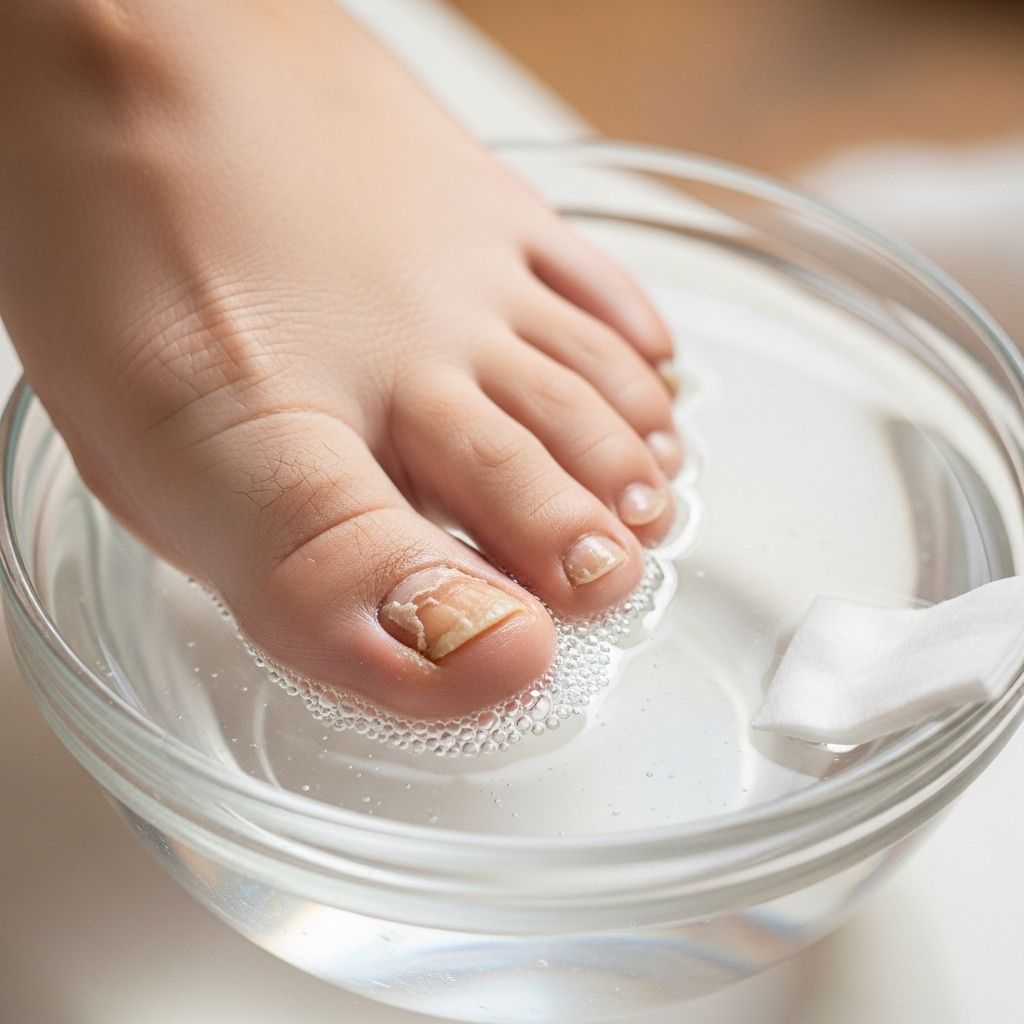
Hydrogen Peroxide for Nail Fungus: A Step-By-Step Guide
Nail fungus (onychomycosis) is a common and persistent condition that causes discoloration, thickening, and brittleness of finger or toenails. Many people seek natural and affordable solutions at home, and hydrogen peroxide is one of the most popular remedies for treating nail fungus. This comprehensive guide covers how hydrogen peroxide works, its effectiveness, safety tips, step-by-step application instructions, what results to expect, and comparisons with other home remedies.
Understanding Nail Fungus
Nail fungus is caused by various fungal organisms (most commonly dermatophytes) that can infect the nail, nail bed, and surrounding skin. Symptoms include:
- Yellowing, white spots, or brown streaks in the nail
- Thickened, brittle, or distorted nail appearance
- Crumbly or ragged nail edges
- Nail separation from the nail bed (onycholysis)
- Possible discomfort, pain, or mild odor
Nail fungus can affect anyone but is more common in people with athlete’s foot, diabetes, or weakened immunity. Humid environments and poor nail hygiene also increase risk.
How Does Hydrogen Peroxide Fight Nail Fungus?
Hydrogen peroxide (H2O2) is a clear, odorless liquid with strong antiseptic and oxidizing properties. Here’s how it targets nail fungus:
- Antiseptic action: Breaks down fungal cell walls, killing fungi by oxidation and releasing reactive oxygen.
- Oxygen release: When it contacts organic material (like fungal cells), it releases oxygen, making the environment inhospitable for fungal growth.
- Surface disinfection: Destroys spores on the nail surface and cleanses debris and discoloration.
Hydrogen peroxide is inexpensive, widely available, and generally considered safe for external use when properly diluted.
Is Hydrogen Peroxide Effective for Nail Fungus?
Hydrogen peroxide can kill nail fungus on the nail’s surface and may slow the spread of mild to moderate infections. However, it has limitations:
- It penetrates the nail plate partially, meaning deep or severe infections under the nail may not fully respond.
- Its effect is primarily on the surface; deeper fungi often require prescription treatments for a full cure.
- Clinical research on hydrogen peroxide for nail fungus is limited, with mixed evidence for significant long-term success.
Hydrogen Peroxide vs. Other Home Remedies
| Remedy | How it Works | Strengths | Limitations |
|---|---|---|---|
| Hydrogen Peroxide | Breaks fungal cell walls by oxidation | Inexpensive, strong antiseptic, surface cleaning | Limited penetration for deep infections |
| Vinegar (Acetic Acid) | Makes nail environment acidic, inhibiting fungal growth | Easily available, non-toxic in low concentrations | Less evidence for efficacy, not strong enough alone |
| Tea Tree Oil | Contains antifungal compounds (terpinen-4-ol) | Natural, pleasantly scented, some evidence of effect | May cause skin irritation; effectiveness is variable |
| Baking Soda | Absorbs moisture, alters pH to inhibit fungal growth | Safe, inexpensive, easy to use with soaks | No proven antifungal effect; best as adjunct |
Alternating hydrogen peroxide with vinegar (not mixing them directly) may provide some additional benefit by combining antifungal and acidic actions, but neither are substitutes for medical treatment in severe cases.
How to Use Hydrogen Peroxide for Nail Fungus: Step-by-Step Instructions
What You’ll Need
- 3% hydrogen peroxide solution (do not use higher concentrations, which may burn skin)
- Clean cotton balls, swabs, or gauze
- Small bowl or basin (for soaking)
- Optional: Antifungal cream (post-treatment)
- Clean towel
Preparation
- Wash your hands and affected nails thoroughly with soap and water.
- Trim and file the nail if possible to reduce thickness and improve access to infected areas.
- Clean and disinfect any tools (clippers, files) with alcohol or hydrogen peroxide.
Direct Application Method
- Soak a cotton ball or swab in 3% hydrogen peroxide.
- Apply it directly to the fungus-infected nail, ensuring full coverage on the nail surface and around the nail edges.
- Leave the cotton ball on the nail for 5–10 minutes.
- Rinse the area with clean water afterward and gently pat dry with a clean towel.
Hydrogen Peroxide Soak Method
- In a small basin, dilute hydrogen peroxide with water (1:1 ratio).
- Soak the affected nails in the solution for 10–15 minutes.
- You may notice bubbling or fizzing; this is normal and indicates the peroxide is breaking down debris.
- After soaking, rinse with water and dry thoroughly.
Optional: Post-Treatment Steps
- Follow up by applying an antifungal cream or ointment as recommended by your healthcare provider.
- Repeat the hydrogen peroxide application daily or several times per week, depending on infection severity and tolerance.
- Be consistent; improvement may take several weeks to months.
Precautions and Safety Tips
- Always use 3% hydrogen peroxide or less. Higher concentrations can cause burns and tissue damage.
- Expect mild stinging or fizzing, but discontinue use if you experience significant burning, pain, or blistering.
- Avoid using hydrogen peroxide if the skin around the nail is cracked, bleeding, or highly sensitive.
- Consult a healthcare professional if you have uncontrolled diabetes, poor circulation, or immune suppression.
- If infection worsens, spreads, or does not improve after several weeks, seek medical attention.
- Disinfect all nail care tools after use to prevent reinfection or cross-contamination.
How Long Does It Take to See Results?
- 2–4 weeks (minor surface infections): Early improvement may show less discoloration or superficial clearing.
- 2–3 months (moderate infection): Gradual healthy nail growth from the base replacing infected areas.
- 6+ months (severe/deep infection): May require longer treatment and the addition of medical therapies. The nail must grow out fully to see complete results.
Results also depend on consistency of use, extent of infection, and whether you are addressing the underlying cause (such as foot hygiene or underlying medical conditions).
Hydrogen Peroxide for Other Uses in Nail Care
Disinfecting Nail Clippers and Tools
- Soak clippers, scissors, or nail files in hydrogen peroxide for 10 minutes to reduce fungal spores and bacteria.
- Wipe with a clean cloth or rinse with water afterward and allow to air dry.
Skin Fungal Infections
- Hydrogen peroxide may be used diluted with water to disinfect minor fungal infections on the skin (such as athlete’s foot), but it can cause dryness or irritation.
- Most skin fungal infections respond better to topical antifungal creams than to hydrogen peroxide alone.
Frequently Asked Questions (FAQs)
Can hydrogen peroxide cure toenail fungus completely?
No, hydrogen peroxide can help reduce or slow nail fungus on the surface but may not fully eradicate deep or severe infections. Prescription antifungal medications or oral treatments may be necessary for complete cures, especially if the infection is resistant or widespread.
Is it safe to use hydrogen peroxide every day?
Daily application of 3% hydrogen peroxide is generally safe for mild to moderate nail fungus, but overuse can cause dryness or irritation. Monitor for skin sensitivity and discontinue if irritation occurs.
Can I use hydrogen peroxide and vinegar together?
Rather than mixing them, alternate days between vinegar soaks and hydrogen peroxide soaks if desired. Combining both in one solution is not recommended due to potential chemical reactions and skin irritation.
Does hydrogen peroxide reach fungus under thick nails?
Hydrogen peroxide struggles to penetrate thick or lifted nails. Filing the nail to reduce thickness and soaking may help but deep infections often require medical treatments.
How do I prevent nail fungus from coming back?
- Keep feet clean, dry, and well-ventilated.
- Change socks regularly and avoid sharing shoes or nail care instruments.
- Disinfect tools after every use.
- Treat athlete’s foot or skin fungal infections promptly to prevent nail infection.
When to See a Doctor
If your nail fungus is persistent, worsening, or affecting several nails, or if you have a health condition such as diabetes, seek professional medical advice. Prescription antifungal medications, laser treatment, or minor surgical interventions may be recommended for stubborn cases.
Key Takeaways
- Hydrogen peroxide is an affordable and accessible home remedy for mild nail fungus.
- It is most effective on surface infections and when used consistently over weeks to months.
- Deep, severe, or recurrent infections often require medical intervention.
- Always consult a healthcare provider if home remedies do not provide relief, or if you have underlying health concerns.
Similar Articles








Read full bio of Sneha Tete