How to Kill Weeds Permanently: Natural and Herbicide Methods
Discover proven techniques, both natural and chemical, to effectively and safely kill weeds while protecting your lawn’s health and ecosystem.
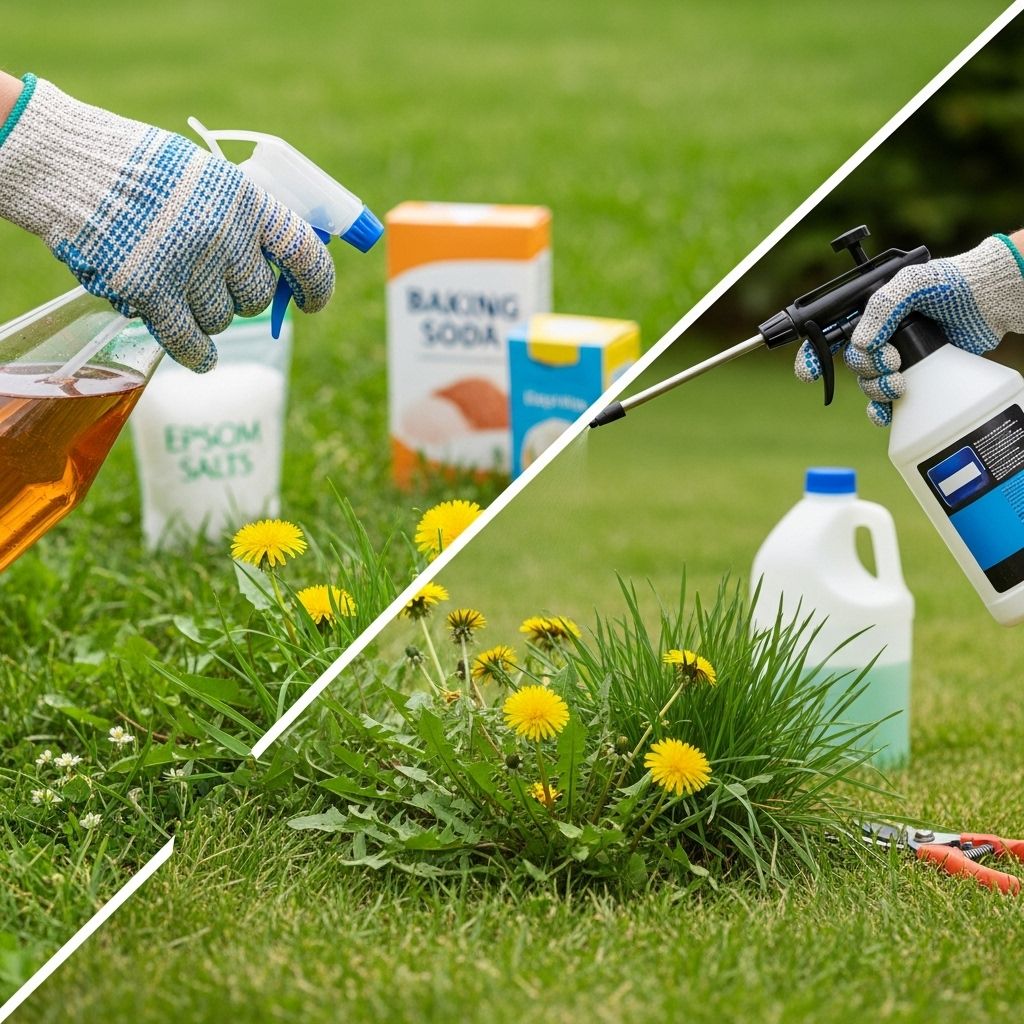
Weeds are unwanted and often invasive plants that can disrupt the growth, appearance, and health of lawns and gardens. The persistent nature of weed seeds and their ability to thrive in disturbed environments make them a significant challenge for homeowners and avid gardeners. Although permanently eliminating all weeds is virtually impossible—since seeds can remain dormant in soil for years—a combination of natural and chemical strategies can ensure long-term management, reduce regrowth, and help your lawn compete more effectively against weed invasion.
Understanding Weeds: What Makes Them So Persistent?
Weeds are opportunistic. They take advantage of bare spots, weak turf, and disturbed soil. Many common varieties—including dandelions, crabgrass, clover, and thistle—spread quickly. Their seeds often remain viable for several years, waiting for the right conditions to sprout. Achieving a weed-free environment is less about immediate eradication and more about sustained, multi-pronged management tactics.
Why Kill Weeds Naturally?
Traditional herbicides offer quick relief but come with environmental and health risks. Chemical treatments can:
- Leach toxins into the soil
- Pollute local water sources
- Harm beneficial insects and microbes
- Cause resistance in weed populations over time
Natural remedies minimize ecosystem disruption and are often safer for pets, children, and wildlife. Below, you’ll find a comprehensive guide to the most effective natural methods for killing weeds along with their limitations and best-use scenarios.
Natural Methods to Kill Weeds Permanently
While no technique guarantees that weeds will never return, these natural options disrupt their cycle and provide strong long-term control. Each method is most powerful when used consistently and in conjunction with good lawn maintenance practices.
Vinegar-Based Weed Killers
Vinegar works as a contact killer by dehydrating leaves and stems. The effectiveness depends on its acetic acid content:
- Household Vinegar: Typically 5% acetic acid. Effective only on young, tender weeds.
- Horticultural Vinegar: Contains 20–30% acetic acid. More potent and effective against mature weeds.
How to Use Vinegar:
- Mix horticultural vinegar with a few drops of dish soap and one tablespoon of salt per quart.
- Pour into a spray bottle and apply directly on weeds during a sunny day.
- Avoid contact with desirable grass and plants as vinegar is non-selective and may damage them.
Note: Vinegar typically kills only foliage, not deep roots; repeat applications may be necessary for persistent weeds.
Boiling Water
Pouring boiling water over weeds is one of the simplest natural remedies. The intense heat ruptures plant cells, causing rapid wilting and death.
- Ideal for weeds growing in driveways, sidewalk cracks, or paved patios.
- Boil water in a kettle, take care to pour directly at the base of weeds.
- Do not use near flowers, vegetables, or grass, as boiling water destroys all plant tissue.
Salt Treatments
Salt (sodium chloride) disrupts water absorption in weed roots.
- Sprinkle a pinch of rock salt at the base of individual weeds for spot treatment.
- Effective for driveways, walkways, and paver cracks.
- Warning: Overuse can sterilize the soil for months, preventing any plant growth in treated areas. Never use this method on lawns or garden beds.
Rubbing Alcohol or Vodka
Alcohol breaks down the waxy surface layer, increasing dehydration and susceptibility to sun damage:
- Mix one ounce of vodka (or rubbing alcohol) with two cups of water and a few drops of dish soap in a spray bottle.
- Spray directly on weeds during bright sunlight for maximum effect.
- Avoid use on desired vegetation.
Corn Gluten Meal: Preventive Control
Unlike the methods above, corn gluten meal prevents weed seeds from germinating.
- Apply early in the spring before weeds emerge.
- Safe for lawns; do not use in vegetable gardens or freshly seeded areas (it can inhibit all seed germination).
- This method does not affect already existing weeds and must be reapplied annually to maintain effectiveness.
Flame Weeding
A propane torch can be used to incinerate weeds:
- Best suited for gravel pathways, driveways, or large open spaces free from flammable material.
- Instantly kills foliage and seeds at the soil surface.
- Exercise caution, especially in dry conditions and fire-prone areas.
Smothering and Mulching
Smothering deprives weeds of sunlight and air, inhibiting growth and seed germination.
- Apply a thick layer of organic mulch (e.g., wood chips, straw, or pine needles) to your garden beds and around plants.
- Use landscape fabric beneath the mulch for long-term suppression; simply cut holes for desired plants.
- For seasonal control, cardboard or newspaper can be layered and covered with mulch to smother spring and summer weeds.
This method not only controls weeds but adds organic matter to your soil as mulch decomposes.
Hand Pulling and Hoeing
- Manually removing weeds with tools or by hand works best for small areas and annual weeds before they set seed.
- Uprooting weeds before they flower reduces future infestations.
- Use a hoe to disturb roots and seedlings in garden beds; frequent cultivation prevents establishment.
Solarization
Covering soil with clear plastic sheeting creates a greenhouse effect, heating the soil enough to kill weed seeds and young plants.
- Best performed during hot, sunny months.
- Leave plastic for 4–6 weeks to ensure thorough eradication.
- Effective for preparing new beds or reclaiming weed-infested areas.
Chemical Herbicide Methods
When natural methods fail or for more extensive infestations, selective use of chemical herbicides may be necessary. Herbicides work by disrupting vital plant processes, with formulations targeting foliage, roots, or seeds.
Types of Herbicides
| Type | Use Case | Main Ingredients | Pros | Cons |
|---|---|---|---|---|
| Pre-Emergent | Prevents seed germination | Corn gluten meal, synthetic chemicals | Can reduce weed outbreaks if timed well | Does not affect existing weeds; timing is critical |
| Post-Emergent | Kills actively growing weeds | Glyphosate, 2,4-D, Dicamba | Effective on visible weeds; quick results | Potential health and ecological risks; may harm desirable plants |
| Selective | Kills broadleaf OR grassy weeds, not both | 2,4-D (broadleaf), sethoxydim (grassy) | Spares turfgrass when properly used | Misuse may damage entire lawn |
| Non-Selective | Kills any plant contacted | Glyphosate, vinegar-based products | Total clearance needed for hardscapes | Root death and regrowth risk; cannot use on lawns/gardens |
Best Practices with Herbicides
- Always read and follow manufacturer’s instructions.
- Avoid windy days to limit drift into desirable plants.
- Wear protective gloves, eye and face protection during application.
- Limit use near edible gardens, water sources, or environmentally sensitive sites.
- Combine herbicide use with proper turf care, overseeding, and mulch for maximum effectiveness.
Long-Term Weed Prevention Strategies
Effective weed control works best as a sustained plan, rather than a one-time fix. Consider these steps to reduce weed pressure over the seasons:
- Maintain Turf Density: Healthy, vigorously growing grass shades soil, depriving weeds of sunlight and space.
- Mow Regularly: Frequent mowing prevents seed heads from forming and dispersing.
- Water Wisely: Deep, infrequent watering promotes turf root growth and discourages shallow-rooted weeds.
- Fertilize Appropriately: Use lawn fertilizers to strengthen turf and minimize bare spots.
- Rotate Control Methods: Mixing techniques limits the chances of resistance or adaptation in weed populations.
Frequently Asked Questions (FAQs)
Q: Can weeds be killed permanently?
A: Weed seeds are extremely resilient and can remain dormant for years. It is impossible to prevent all weeds from returning permanently, but with a sustained strategy combining natural remedies, proper lawn maintenance, and strategic herbicide use, you can greatly reduce their presence and impact over the long term.
Q: Is vinegar a safe weed killer for lawns?
A: Vinegar is effective against weeds, but it is non-selective, meaning it will harm grass and other plants it contacts. Apply carefully and only on targeted weeds, not over the entire lawn.
Q: How often should I apply corn gluten meal?
A: Corn gluten meal should be applied each spring before weed seeds germinate. It prevents weed growth but will also inhibit grass seed germination in newly seeded areas.
Q: When is the best time to use boiling water to kill weeds?
A: Use boiling water on visible weeds, especially those in hard-to-reach places (like cracks in pavement) or on young plants. It is not suitable for garden beds or lawns, as it will damage desirable plants as well.
Q: What is the difference between selective and non-selective herbicides?
A: Selective herbicides target either broadleaf or grassy weeds, sparing desired lawn species if used correctly. Non-selective herbicides kill all plants they come into contact with and are best for total clearance in areas like driveways or walkways.
Summary Table: Natural and Chemical Weed Control Options
| Method | Best Use | Pros | Cons |
|---|---|---|---|
| Vinegar (Natural) | Young, annual weeds in beds | Eco-friendly, fast-acting | May harm grass/plants; repeat use required |
| Boiling Water | Cracks, paved areas | No chemicals; rapid results | Limited to hardscapes; not for gardens/lawns |
| Corn Gluten Meal | Lawns before weed germination | Prevents new weeds | Not for vegetable beds; does not kill existing weeds |
| Salt | Driveways, walkways | Very effective, long-lasting | Sterilizes soil for months; not for gardens/lawns |
| Flame Weeding | Gravel, non-flammable spaces | Immediate results | Fire risk; not for flammable or dry areas |
| Hand Pulling | Small beds, annual weeds | Low cost; selective | Labor-intensive; ongoing maintenance |
| Chemical Herbicides | Extensive infestations | Fast, thorough | Environmental/health risks; resistance potential |
Conclusion
Achieving a weed-free lawn is possible with diligence and a combination of methods. Sustainable approaches—natural controls, healthy turf practices, and judicious herbicide use—protect your soil, water, and beneficial organisms in the long run. Whether you’re seeking organic solutions or considering chemical treatments, consistency and proactive prevention are the keys to keeping unwanted weeds from taking over your landscape.
Similar Articles








Read full bio of Sneha Tete