Natural Home Remedies for Poison Ivy Relief
Soothe and heal poison ivy rash naturally with evidence-based home remedies, practical tips, and expert advice.
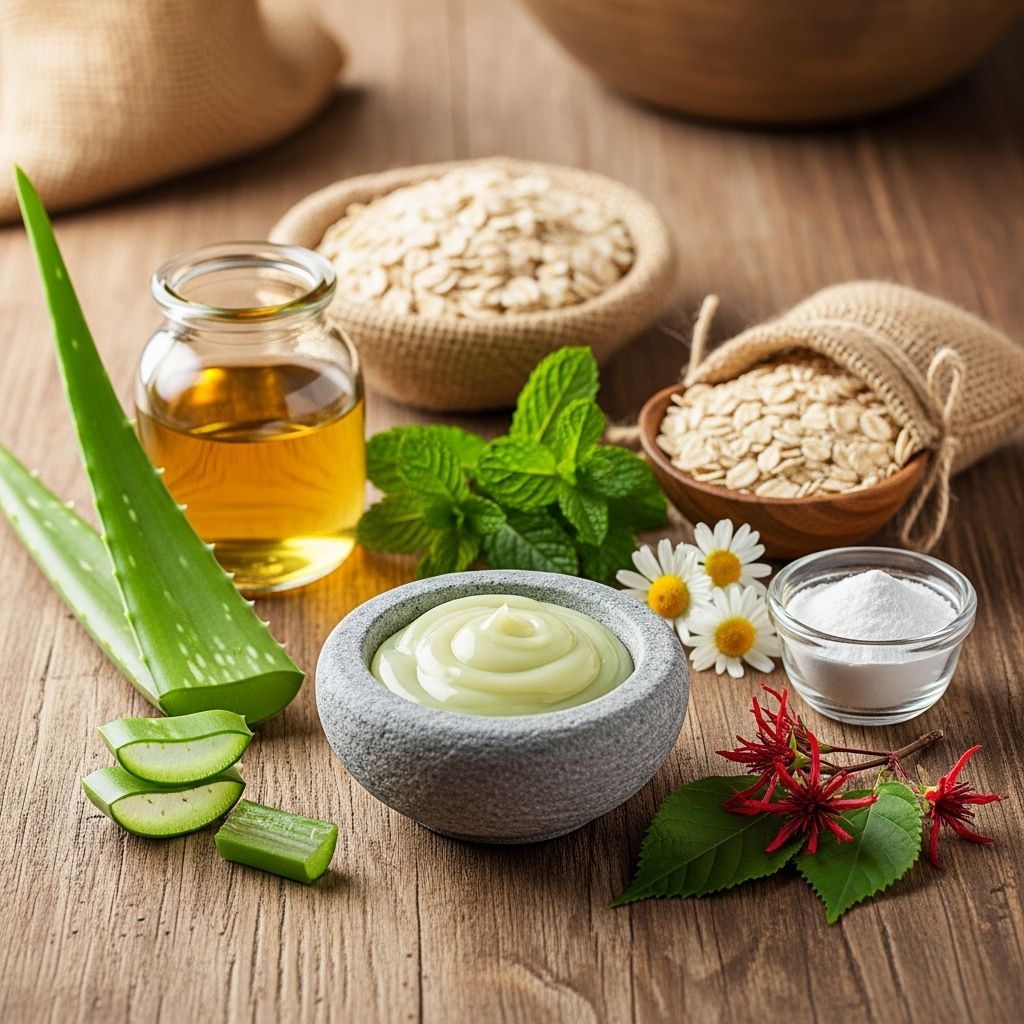
Poison ivy is a notorious North American plant that can cause intensely itchy, blistering rashes on contact, thanks to its irritant oil called urushiol. Each year, countless people—hikers, gardeners, outdoor enthusiasts—seek immediate relief from the relentless itch and skin discomfort. While medical care may be necessary for severe cases, many mild to moderate rashes can be managed safely at home using proven and natural remedies.
Understanding Poison Ivy: Causes and Symptoms
Poison ivy, poison oak, and poison sumac all contain the same irritating sap—urushiol. Even a trace amount can incite redness, swelling, blisters, and fierce itching, typically appearing 12 to 48 hours after exposure. Prompt recognition and immediate cleansing are crucial for limiting severity.
- Symptoms: Red, itchy rash, swelling, blisters, sometimes streaky or linear in appearance.
- Causes: Direct contact with the leaves, stems, roots, or oil from poison ivy plants.
First Steps: Immediately After Exposure
Time is critical when dealing with poison ivy. The following steps can minimize severity if taken immediately after contact:
- Wash affected skin with soap and lukewarm water (not hot) as soon as possible, ideally within 30 minutes.
- Clean under fingernails: Urushiol can linger and spread during scratching.
- Launder contaminated clothing and gear to avoid repeated exposure.
After cleansing the skin, several home remedies can help tame the itching, inflammation, and discomfort as the rash heals.
Evidence-Based Natural Remedies for Poison Ivy Rash
While not all home remedies are equally effective, several are supported by expert recommendation and anecdotal success. Below are the most widely used natural treatments to soothe poison ivy rash:
Baking Soda: A Soothing Classic
- Baking soda paste: Mix three parts baking soda with one part water to form a thick paste. Apply it directly to the rash for itch relief and drying of blisters.
- For widespread rash, add half a cup of baking soda to a lukewarm bath and soak for 15–30 minutes.
- Baking soda is accessible, inexpensive, and recommended for its ability to soothe irritation.
Oatmeal Baths: Time-Tested Comfort
- Colloidal oatmeal (finely ground oats) added to a lukewarm bath coats the skin and brings temporary relief from itching and inflammation.
- Grind 1 cup of plain oatmeal, mix into bathwater, and soak for 15 minutes.
- Both DIY and store-bought packets are effective.
- Safe to repeat daily until symptoms subside.
Apple Cider Vinegar: Anecdotal Solution
- Apple cider vinegar is often applied by dabbing onto the rash. Users report that it helps dry out the rash and provides relief, sometimes with a brief stinging sensation.
- No strong scientific proof, but many people find it helpful.
- To avoid irritation, do not apply to raw or broken skin.
Aloe Vera: Cooling and Anti-Inflammatory
- The gel from the aloe vera plant gently soothes inflamed skin and reduces redness, swelling, and blister discomfort.
- Can use fresh plant gel or store-bought pure aloe vera products.
Witch Hazel: Nature’s Skin Calm
- Witch hazel, derived from the Hamamelis virginiana plant, is applied with a cotton ball for its cooling, anti-inflammatory, and astringent properties.
- May ease itching, swelling, and burning when used up to several times daily.
Cold Compresses: Immediate Comfort
- Apply a clean, damp washcloth or an ice pack (wrapped) to the rash.
- Relieves itching and decreases inflammation.
- Use for 15–20 minutes several times daily, but never apply ice directly to skin.
Avoid Hot Water
- Never use hot water for washing or showering after poison ivy exposure—heat opens pores and promotes further entry of urushiol into the skin.
- Use cool or tepid baths and compresses for relief.
Other Natural Remedies Explored
Other plant-based solutions and over-the-counter treatments may provide supplemental relief but should be used with caution:
- Tea Tree Oil: Anti-inflammatory and antimicrobial, helps reduce redness and risk of infection if blisters open.
- Menthol Cream: Peppermint or menthol products provide cooling relief, but essential oils must be diluted before use to avoid irritation.
- Cucumber Slices: Their cooling effect can soothe itch temporarily.
- Chamomile and Eucalyptus Oil: May reduce itch and redness; test for sensitivity before widespread application.
- Bentonite Clay: Used as a paste, may draw out irritants and calm the skin.
Over-the-Counter and Medical Treatments
Some over-the-counter medications complement natural remedies for resistant symptoms:
- Calamine lotion: A staple for poison ivy, calamine dries blisters and relieves itching.
- Hydrocortisone cream: Topical steroid effective in reducing inflammation; best used in the first few days.
- Antihistamines: Oral medications like diphenhydramine (Benadryl) are not very effective against poison ivy itch (which isn’t caused by histamine), but they can help you sleep.
| Remedy | Effect | Usage Notes |
|---|---|---|
| Baking Soda | Soothes itch, dries blisters | Paste or bath; repeat as needed |
| Oatmeal Bath | Relieves irritation, itching | 15-min soak; daily use |
| Apple Cider Vinegar | Dries rash, may sting | Dab with cotton; avoid open skin |
| Aloe Vera | Cools and heals | Apply gel directly; repeat as needed |
| Calamine Lotion | Dries and relieves itch | Apply gently; avoid eyes |
| Hydrocortisone Cream | Reduces inflammation | Short-term use recommended |
Best Practices for Healing and Prevention
Speed recovery and prevent future encounters with poison ivy by following these practical tips:
- Keep the rash clean and dry, except during bathing or compress application.
- Lightly bandage areas that open or blister to prevent infection.
- Resist scratching, as this can lead to infection.
- Wear gloves and protective clothing when outdoors in potential poison ivy habitats.
- Learn to identify poison ivy plants (usually three leaflets per stem) and avoid them.
- Launder outdoor clothes and gear promptly after exposure.
When to Seek Medical Help
Most cases of poison ivy can be treated at home, but contact a healthcare provider if:
- Rash covers a large area, face, or genitals.
- Rash does not improve after 7–10 days, or worsens.
- There are signs of infection: pus, increasing pain, fever, or swelling.
- Difficulty breathing, severe swelling (especially of face or throat).
- If you are immunocompromised or if small children get poison ivy.
Frequently Asked Questions (FAQs)
Q: Can poison ivy rash spread by scratching?
A: The rash itself does not spread, but scratching can transfer urushiol to other areas of the skin if not washed off initially. Scratching also increases risk of infection.
Q: What should I do if poison ivy gets on my clothes?
A: Launder clothes and shoes separately in hot water as soon as possible. Urushiol can linger and cause rash after repeated contact.
Q: Is it safe to use essential oils on poison ivy rash?
A: Essential oils (e.g., tea tree, chamomile, eucalyptus) can be soothing, but must be diluted to prevent skin irritation. Do a patch test before applying widely.
Q: What if my rash blisters and oozes?
A: Cover lightly with a sterile bandage, keep skin clean, and avoid picking at blisters. If signs of infection appear, see a doctor.
Q: Does eating poison ivy cause a rash?
A: Never ingest poison ivy. It can cause serious internal injury. Rash only occurs from skin contact with urushiol.
Conclusion: Safe and Effective Home Care
Poison ivy rash can be uncomfortable, but many people manage their symptoms at home using proven natural remedies. Baking soda, oatmeal baths, aloe vera, and cool compresses top the list of safe, effective options. Always start by washing skin and clothing promptly, and be proactive in preventing repeat exposure. When in doubt, or if symptoms escalate, professional medical care is essential. Remember, being well-informed about poison ivy not only helps you heal faster—it equips you to enjoy the outdoors safely and confidently.
Similar Articles







Read full bio of medha deb