Natural Remedies to Get Rid of a Baker’s Cyst: A Comprehensive Guide
Learn effective, science-backed natural methods to relieve symptoms, reduce swelling, and support recovery from Baker’s cyst without invasive procedures.
Natural Remedies to Get Rid of a Baker’s Cyst
Experiencing a painful, swollen bulge at the back of your knee? You might be dealing with a Baker’s cyst, also known as a popliteal cyst. While these fluid-filled swellings are often caused by underlying knee issues like arthritis or injury, they can lead to significant discomfort and restriction of movement. Conventional treatments exist, but many seek natural remedies to relieve symptoms, shrink the cyst, and improve knee function. This in-depth guide covers the best natural and complementary approaches, supported by traditional wisdom and current evidence.
What Is a Baker’s Cyst?
A Baker’s cyst is a pocket of synovial fluid that accumulates behind the knee, often in response to inflammation or damage within the knee joint. This can result in:
- Swelling behind the knee
- A feeling of tightness or stiffness
- Knee pain (especially when bending or straightening)
- Restricted range of motion
Baker’s cysts are frequently associated with osteoarthritis, meniscus tears, rheumatoid arthritis, or knee injuries. The cyst itself is not usually dangerous, but the underlying causes should be addressed to prevent recurrence.
Understanding the Underlying Causes
The synovial fluid within the knee lubricates and cushions the joint. When the knee is injured or becomes inflamed due to arthritis, trauma, or overuse, the body produces excess fluid which sometimes accumulates at the back of the knee, forming a visible and palpable cyst. Thus, the most effective remedies target both symptom relief and underlying joint health.
Conventional vs. Natural Treatment Approaches
Conventional treatment may include medications (anti-inflammatories), aspiration (draining the cyst with a needle), corticosteroid injections, or even surgery for severe or recurrent cases. However, many individuals look for gentler, natural strategies to alleviate symptoms and support healing, especially when symptoms are mild or moderate.
| Conventional Approaches | Natural Remedies |
|---|---|
| Prescription NSAIDs | Cold therapy, herbal compresses |
| Physical therapy | Knee exercises, yoga, hydrotherapy |
| Aspiration | Osmosis patches, poultices |
| Corticosteroid injections | Anti-inflammatory herbs, topical oils |
| Surgery | Lifestyle changes, supportive devices |
Top Natural Remedies for Baker’s Cyst Relief
1. RICE Protocol: First-Line Home Care
The cornerstone of acute Baker’s cyst management is the RICE method:
- Rest the affected knee. Avoid activities that aggravate pain or swelling.
- Ice the area for 15–20 minutes several times daily to minimize inflammation and numb pain.
- Compression using an elastic bandage or knee sleeve can reduce swelling and provide support.
- Elevation by propping the leg up above heart level can promote fluid drainage and decrease swelling.
These steps help decrease joint inflammation and alleviate discomfort, especially after strenuous activity. The RICE protocol is widely recommended by orthopedic experts and physical therapists for acute knee swelling.
2. Targeted Exercise and Physical Therapy
Physical activity may seem counterintuitive, but gentle movement and knee-specific exercises actually help:
- Improve circulation around the knee joint
- Encourage synovial fluid to move back toward the joint cavity
- Strengthen muscles supporting the knee for better stability
Examples of simple exercises:
- Ankle pumps: Flex and point your toes rapidly to activate the calf muscles.
- Heel slides: Slide your heel toward your buttocks while lying flat, then extend.
- Calf raises and gentle squats: Perform as tolerated, keeping movements controlled and pain-free.
Always consult a physical therapist to design an appropriate program and ensure proper technique. Overexertion or incorrect movement can worsen symptoms.
3. Application of Osmosis Patch
The OSMO Patch is a drug-free, non-invasive adhesive pad designed to be worn overnight directly over the cyst. Its mechanism utilizes osmosis to draw out excess fluid from the affected area, aiming to:
- Reduce swelling
- Relieve localized pain
- Aid in natural healing without drugs or injections
Many users report improved comfort and mobility when used with rest and gentle activity. However, those with seafood or shellfish allergies should avoid this product.
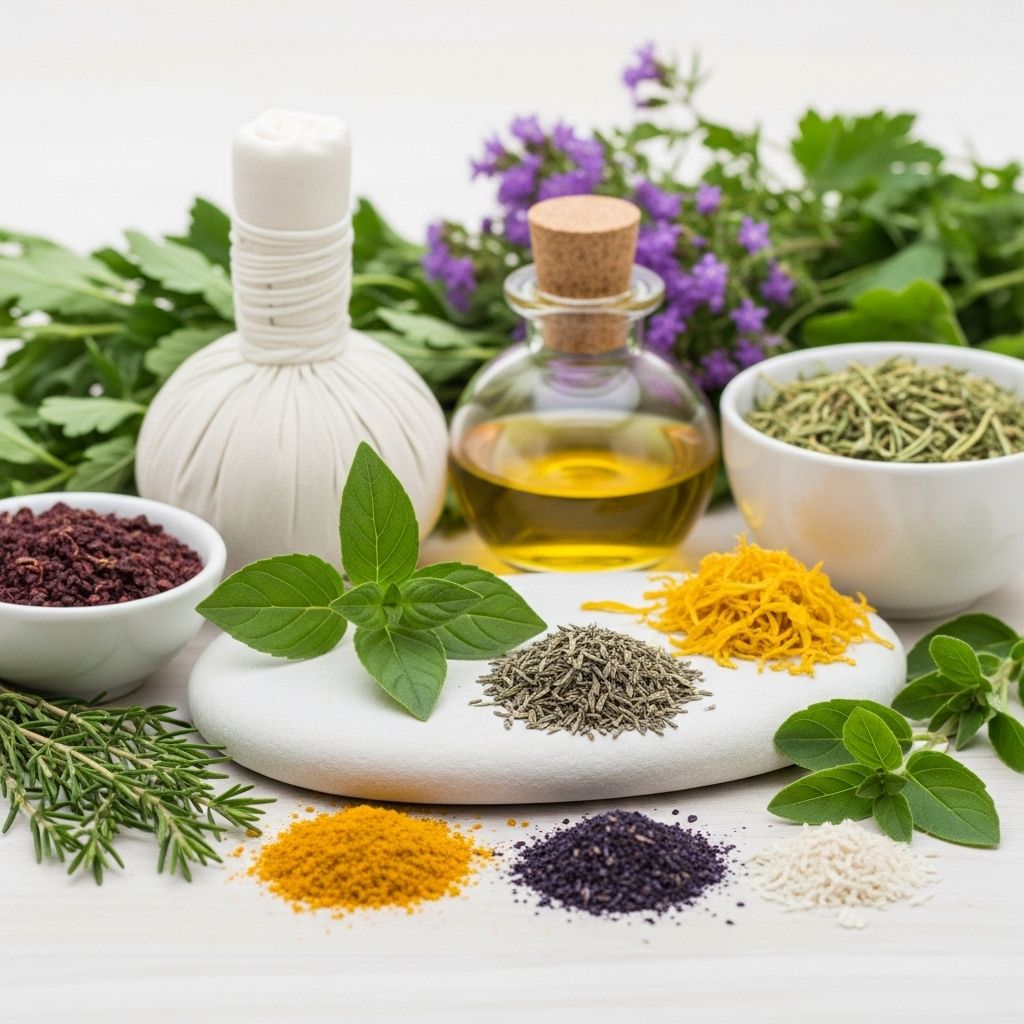
4. Warm Herbal Compresses
Traditional and alternative medicine utilize warm compresses to ease knee discomfort and promote circulation. Options include:
- Herbal poultices made from ingredients like turmeric, ginger, or castor oil (see below)
- Saturated towels heated to a comfortable temperature
Apply gently over the cyst for 15–20 minutes at a time, always testing heat to avoid burns. Warmth helps relax muscles, encourage fluid resorption, and provide symptomatic relief.
5. Topical Natural Remedies
There are a variety of herbal and plant-based products that may be applied topically for knee swelling and pain:
- Castor oil: Recognized for its anti-inflammatory and antibacterial effects; apply a few drops to the cyst and massage gently, several times a day.
- Aloe vera gel: Soothes irritation and may reduce inflammation; apply pure gel as needed.
- Witch hazel: Contains astringent tannins and can be dabbed onto the cyst area with a cotton ball; may help alleviate pain.
- Apple cider vinegar: Dilute with equal parts water and apply to the cyst daily; lauded for its anti-microbial effects, though scientific evidence is limited.
- Honey: Acts as a soothing, anti-inflammatory agent; dab onto the cyst and rinse after a few hours.
Always patch test before using topical remedies to ensure you do not experience skin irritation or allergic reactions.
6. Ayurvedic Therapies for Baker’s Cyst
Ayurveda, the traditional medical system of India, offers a variety of treatments aiming to reduce cyst size, relieve pain, and address underlying imbalances:
- Abhyangam: Full-body massage with medicated herbal oils to enhance blood flow and reduce pain.
- Kizhi: Application of heated herbal boluses over the knee, alleviating inflammation and encouraging fluid movement.
- Janu Basti: Pouring warm, medicated oil directly over the knee joint—believed to restore lubrication and improve mobility.
- Upnaham: Herbal paste application therapy that targets swelling and pain.
- Pizhichil: Oil squeezing technique for vata balancing, muscle strengthening, and knee lubrication.
- Sneha Basti & Kashaya Basti: Medicinal oil or decoction enemas aiming at whole-system detoxification and vata pacification.
These therapies are best performed by qualified Ayurvedic practitioners and tailored to individual constitution and underlying pathology.
7. Supportive Diet and Lifestyle Adjustments
Knee health and overall inflammation are impacted by daily choices. Consider the following recommendations:
- Maintain a healthy weight: Reducing excess pounds lessens stress on the knee joint and limits cyst formation.
- Stay hydrated: Adequate water intake supports joint lubrication and fluid balance.
- Anti-inflammatory foods: Incorporate fatty fish, leafy greens, berries, turmeric, and ginger into meals.
- Limit highly processed foods, sugars, and inflammatory oils known to aggravate swelling.
- Consider using a knee brace or sleeve for gentle support, particularly during flare-ups.
- Rest and listen to your body—avoid pushing through severe pain or swelling.
When to Seek Medical Attention
Natural remedies are most appropriate for mild to moderate cases and when used in tandem with guidance from a healthcare provider. Medical attention is necessary if you experience:
- Sudden, severe pain or rapid swelling of the knee
- Signs of infection (fever, redness, warmth)
- Progressive weakness, numbness, or loss of function
- Recurring or very large cysts
It is imperative to rule out other potential causes of a knee lump, such as deep vein thrombosis, tumors, or serious joint disease, before pursuing self-treatment.
Frequently Asked Questions about Baker’s Cyst Natural Remedies
Q: Can Baker’s cyst go away on its own?
A: In some cases, especially if the underlying knee irritation resolves, a Baker’s cyst may shrink or disappear without intervention. However, chronic cysts often require sustained management.
Q: Is it safe to pop or drain a Baker’s cyst at home?
A: No. Never attempt to drain or pop a cyst yourself. This risks infection, recurrence, and damage to nearby structures. Always seek professional care for aspiration or injections.
Q: Which natural remedy is best for reducing swelling?
A: Cold compresses and the OSMO Patch offer the most immediate swelling reduction. Exercise and herbal treatments may provide longer-term benefits.
Q: Are supplements like turmeric or fish oil beneficial for Baker’s cyst?
A: While not a cure, anti-inflammatory supplements (turmeric, omega-3s) may reduce overall joint inflammation and support healing when combined with other treatments.
Q: How long do natural remedies take to work?
A: Symptom improvement may be noticeable within days to weeks, but full relief—especially of larger or chronic cysts—takes consistent application over several weeks or longer.
Conclusion: Combining Approaches for Optimal Relief
A holistic, natural approach to relieving Baker’s cyst combines rest, ice, gentle movement, targeted herbal therapies, and lifestyle adjustments. Always rule out serious conditions first and consult your healthcare provider before beginning any new treatment. Through patience and dedicated self-care, most people can find meaningful relief and regain knee function.
Similar Articles







Read full bio of medha deb