8 Natural Remedies to Clear Away Tonsil Stones Effectively
Discover proven natural methods to eliminate tonsil stones at home safely
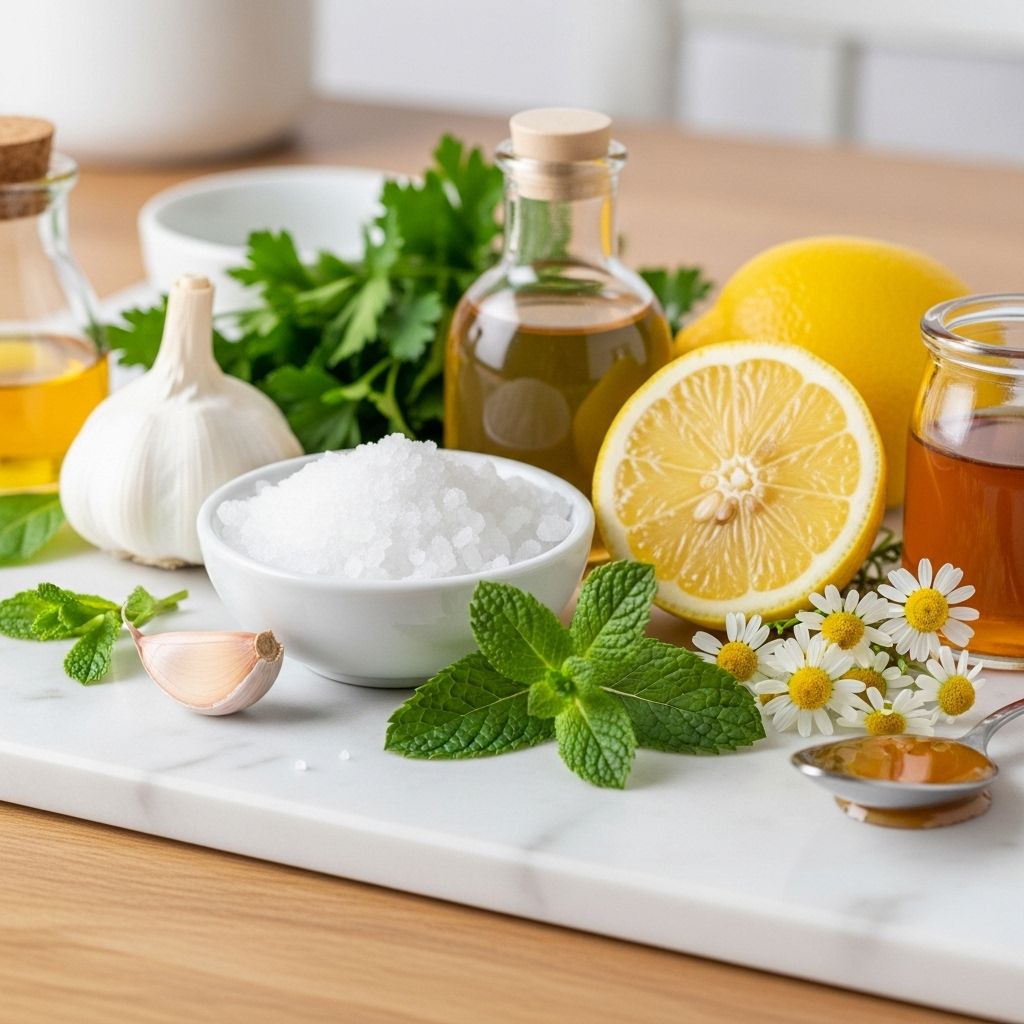
Tonsil stones, medically known as tonsilloliths, are small, calcified formations that develop in the crevices of your tonsils. These whitish or yellowish deposits can cause considerable discomfort, bad breath, and an unpleasant sensation in the throat. While they’re generally harmless, tonsil stones can significantly impact your quality of life and social confidence. Understanding how to address these formations naturally can help you manage this common condition without immediately resorting to medical interventions.
The good news is that several natural remedies can effectively help clear away tonsil stones from the comfort of your home. These methods range from simple gargling techniques to targeted mechanical removal, all designed to work with your body’s natural processes. By incorporating these remedies into your oral hygiene routine, you can not only remove existing stones but also prevent future formations from developing.
Understanding Tonsil Stones and Their Formation
Before diving into remedies, it’s essential to understand what causes tonsil stones. Your tonsils contain naturally occurring crevices called crypts, which can trap food particles, dead cells, mucus, and bacteria. Over time, this debris calcifies and hardens, forming the characteristic stones that cause discomfort. The size of these formations can vary significantly, from barely noticeable specks to larger, pea-sized masses that are clearly visible.
People with larger or deeper tonsil crypts are more susceptible to developing these stones. Additionally, poor oral hygiene, chronic tonsillitis, and certain dietary habits can increase the likelihood of formation. The bacteria and infection associated with tonsil stones are the primary concerns, which is why antibacterial and anti-inflammatory treatments prove most effective in addressing them.
Natural Remedy #1: Saltwater Gargles
Saltwater gargles represent one of the simplest yet most effective remedies for tonsil stones. This time-tested method works by creating an environment that can help dislodge stones while simultaneously soothing inflammation in your tonsils. The salt helps draw out moisture and can gradually loosen debris trapped in the tonsil crypts.
To prepare an effective saltwater gargle, dissolve one teaspoon of regular table salt in one cup of warm water, stirring until completely dissolved. Take a comfortable mouthful of the solution, tilt your head back, and gargle for approximately 10 seconds before spitting it out. Continue this process until you’ve used most of the cup, which should take about five minutes. Research demonstrates that rinsing with salt water effectively treats oral wounds and can provide significant relief.
For optimal results, use saltwater gargles at least two to three times daily. This frequency allows the solution to work consistently at breaking down the materials holding the stones together. The beauty of this remedy lies in its safety—you can use it as often as needed throughout the day without risking irritation or side effects.
Natural Remedy #2: Apple Cider Vinegar Rinse
Apple cider vinegar has gained recognition as a powerful natural remedy for various health conditions, and its effectiveness extends to tonsil stones. The acidic content in apple cider vinegar can help break down the minerals that form around tonsil stones, making them softer and more likely to dislodge naturally. This remedy works by gradually dissolving the calcified material that gives tonsil stones their characteristic hardness.
To create an apple cider vinegar rinse, mix one tablespoon of apple cider vinegar into a cup of warm water. Take a mouthful, tilt your head back, and gargle for 10 to 15 seconds before spitting it out. Repeat this process five to six times per session. The vinegar’s antibacterial properties also help combat the bacteria contributing to stone formation, addressing both the symptoms and underlying causes simultaneously.
However, it’s crucial to exercise moderation with this remedy. Limit apple cider vinegar rinses to twice daily to prevent throat irritation. The high acidity can erode tooth enamel with excessive use, so always dilute it properly and avoid direct contact with teeth when possible. Despite this caveat, when used correctly, apple cider vinegar remains one of the most effective natural solutions for dissolving tonsil stones.
Natural Remedy #3: Water Flosser or Oral Irrigator
Water flossers, commonly known by the brand name Waterpik, offer a gentle yet effective mechanical approach to removing tonsil stones. These devices create a pulsing stream of water that can flush out debris from tonsil crypts without causing damage to the delicate throat tissue. The controlled pressure allows you to target specific areas where stones have formed, encouraging them to pop out naturally.
To use a water flosser for tonsil stone removal, fill the device with lukewarm water and set it to the lowest possible pressure setting. Aim the stream directly at the tonsil stone and activate the water for approximately 20 seconds. It’s helpful to lean over a sink during this process so that any dislodged stones fall forward into your mouth or the sink rather than back into your throat. If unsuccessful after 20 seconds, wait a few minutes before trying again to avoid overstimulating the area.
Water flossers work best on soft, small tonsil stones, as larger and harder formations prove more resistant to this method. If you don’t own a water flosser, low-pressure manual irrigators or irrigation kits available at pharmacies can serve as alternatives. Some people also find success using a syringe with a curved tip. Regular use of a waterpik after meals can help prevent buildup, making it both a treatment and preventive measure.
Natural Remedy #4: Strategic Coughing
Coughing represents perhaps the most straightforward natural remedy for tonsil stones, requiring absolutely no tools or special preparation. Depending on the size and position of the stone, controlled coughing can generate enough force to dislodge it from the tonsil crypt. This method works by creating pressure changes in the throat that can push stones out of their lodged positions.
To employ the coughing method effectively, attempt six to ten forceful coughs in succession. If you notice that the stone has moved but hasn’t completely dislodged, try another series of coughs. The key is to cough with enough vigor to create movement without straining your throat excessively. While this technique doesn’t work for everyone, when it does succeed, it offers a completely safe and cost-free solution.
The coughing method proves most effective for smaller, loosely attached stones rather than larger, firmly embedded ones. It’s worth attempting this approach first before moving to more involved remedies, as it requires minimal effort and carries no risk of throat irritation or injury.
Natural Remedy #5: Cotton Swab Technique
For visible tonsil stones that are within easy reach, the cotton swab method offers a direct approach to removal. This technique involves using a clean cotton swab to gently nudge or press around the stone until it dislodges from the tonsil tissue. However, this method requires careful execution and should only be attempted when stones are clearly visible and accessible.
Before attempting this technique, thorough preparation is essential. Wash your hands completely and sterilize the cotton swab with clean water or an antiseptic solution. Position yourself in front of a mirror with good lighting so you can clearly see the affected area. Gently press around the stone with the swab, applying minimal pressure to encourage it to pop out. Never prod aggressively, as this can cause gagging, minor bleeding, or introduce additional infection.
After successfully removing a stone with this method, immediately gargle with salt water to cleanse the area and reduce the risk of infection. It’s crucial to use this technique sparingly, as repeated prodding can irritate or damage the delicate tonsil tissue. This method should be reserved for situations where stones are small, easily accessible, and causing significant discomfort. Never attempt to use this method on children due to the risk of injury.
Natural Remedy #6: Garlic for Antibacterial Action
Garlic has earned its reputation as a powerful natural antimicrobial agent, with studies demonstrating its antibacterial, antifungal, and antiviral properties. These qualities make it particularly valuable in combating the bacterial growth and infection that contribute to tonsil stone formation. While garlic won’t physically remove existing stones, it addresses the underlying bacterial issues that promote their development.
Incorporating raw garlic into your diet can help reduce the bacterial load in your mouth and throat. The active compound allicin, released when garlic is crushed or chewed, exhibits potent antimicrobial effects that target the bacteria colonizing tonsil crypts. You can chew raw garlic cloves, add crushed garlic to meals, or create a garlic-infused rinse by steeping minced garlic in warm water.
For those who find raw garlic too intense, aged garlic supplements offer a more palatable alternative while retaining many of the beneficial properties. Regular consumption of garlic as part of your dietary routine can create an inhospitable environment for the bacteria that contribute to tonsil stone formation, serving as both a treatment support and preventive measure.
Natural Remedy #7: Alcohol-Free Mouthwash
Regular use of alcohol-free mouthwash provides multiple benefits for managing tonsil stones. Gently swishing mouthwash around your mouth can help loosen existing stones while reducing the overall bacterial population in your oral cavity. The key is selecting an alcohol-free formula, as alcohol-based products can dry out mouth tissues and potentially exacerbate the problem.
An effective mouthwash routine involves swishing the solution thoroughly for 30 to 60 seconds, ensuring it reaches the back of your throat where tonsils are located. The antibacterial ingredients in quality mouthwashes help eliminate the microorganisms that contribute to stone formation. By reducing bacterial colonies, you address one of the primary factors enabling debris to accumulate and calcify in tonsil crypts.
For best results, use alcohol-free mouthwash twice daily—once in the morning and once before bed. This consistent routine helps maintain a cleaner oral environment, making it more difficult for tonsil stones to develop. Some people find success with mouthwashes containing essential oils like tea tree or eucalyptus, which offer additional antimicrobial benefits without the harsh effects of alcohol.
Natural Remedy #8: Maintaining Optimal Oral Hygiene
Perhaps the most fundamental natural remedy for tonsil stones involves establishing and maintaining excellent oral hygiene practices. Good oral hygiene serves as both a treatment support and the most effective preventive measure against future stone formation. This comprehensive approach addresses the root causes by minimizing the debris, bacteria, and conditions that allow stones to develop.
A robust oral hygiene routine should include brushing teeth at least twice daily with fluoride toothpaste, paying special attention to the back of the tongue where bacteria accumulate. Flossing daily removes food particles from between teeth before they can migrate to the throat area. Using a tongue scraper helps eliminate the bacterial coating that forms on the tongue’s surface, reducing the overall bacterial load in your mouth.
Additionally, staying well-hydrated throughout the day helps wash away food particles and debris naturally. Drinking water regularly prevents the dry mouth conditions that allow bacteria to thrive. Avoiding dairy products before bedtime can also help, as dairy tends to promote mucus production that can contribute to stone formation. By addressing these fundamental aspects of oral health, you create an environment where tonsil stones are far less likely to develop.
Prevention Strategies for Long-Term Management
While removing existing tonsil stones provides immediate relief, prevention represents the key to avoiding recurring problems. Several lifestyle and dietary adjustments can significantly reduce your risk of developing new stones. Understanding these preventive measures allows you to take a proactive rather than reactive approach to managing this condition.
First, maintain consistent oral hygiene as discussed above—this cannot be overstated. Regular brushing, flossing, and tongue cleaning remove the debris that serves as raw material for stone formation. Second, use water flossers or oral irrigators regularly to flush tonsil crypts, preventing accumulation before calcification occurs. This proactive flushing proves far more effective than waiting for stones to form.
Dietary considerations also play a role in prevention. Reducing consumption of dairy products can decrease mucus production, while limiting sugary foods reduces the nutrients available for bacterial growth. Some people find that avoiding certain foods that tend to lodge in tonsil crypts—such as popcorn kernels, seeds, and small nuts—helps minimize stone formation. Staying hydrated ensures adequate saliva production, which naturally cleanses the mouth and throat throughout the day.
When to Seek Professional Treatment
While natural remedies effectively address most tonsil stones, certain situations warrant professional medical attention. If stones persist despite consistent home treatment, grow unusually large, cause severe pain, or lead to difficulty swallowing, consulting an ear, nose, and throat (ENT) specialist becomes necessary. These symptoms may indicate a more complex situation requiring professional intervention.
Medical professionals can offer treatments beyond natural remedies, including laser treatment and tonsillectomy. Laser treatment represents a less invasive option where lasers resurface the tonsils and reduce the size of crypts where stones form. This procedure can be performed in a doctor’s office and provides long-term relief by eliminating the spaces where stones develop.
A tonsillectomy—surgical removal of the tonsils—is typically considered a last resort for individuals suffering from chronic tonsil stones or frequent tonsillitis. While this surgery provides a permanent solution by removing the tissue where stones form, it’s reserved for severe cases due to the invasive nature of the procedure and recovery requirements. Most people find adequate relief through natural remedies and good oral hygiene without requiring surgical intervention.
Frequently Asked Questions
Q: How long does it take for natural remedies to remove tonsil stones?
A: The timeframe varies depending on stone size and the remedy used. Smaller stones may dislodge within days of consistent treatment, while larger stones might require several weeks of regular application. Saltwater gargles and apple cider vinegar rinses work gradually by softening stones, while mechanical methods like water flossers may provide more immediate results for accessible stones.
Q: Can tonsil stones go away on their own without treatment?
A: Yes, tonsil stones often fall out naturally without intervention, especially smaller ones. Many people unknowingly swallow dislodged stones during eating or drinking. However, larger stones or those causing discomfort typically benefit from active treatment rather than waiting for spontaneous resolution.
Q: Are there any risks associated with home removal of tonsil stones?
A: When performed correctly, most natural remedies carry minimal risk. However, aggressive cotton swab use can cause minor bleeding, irritation, or gagging. Water flossers set to high pressure might damage delicate throat tissue. Always start with gentle methods and discontinue if you experience pain or bleeding.
Q: How can I tell if I have tonsil stones if I can’t see them?
A: Common symptoms include persistent bad breath that doesn’t improve with brushing, a metallic taste in your mouth, difficulty swallowing, ear pain, or a feeling that something is stuck in your throat. White or yellow debris visible on your tonsils is a clear indicator, but many stones remain hidden in deeper crypts.
Q: Will changing my diet help prevent tonsil stones?
A: Yes, dietary modifications can reduce tonsil stone formation. Limiting dairy products decreases mucus production, while reducing sugary foods starves bacteria of nutrients. Avoiding foods that easily lodge in tonsil crypts, such as popcorn and small seeds, also helps. Staying well-hydrated supports natural cleansing of the throat area.
Q: Can children develop tonsil stones, and are these remedies safe for them?
A: Children can develop tonsil stones, though they’re more common in adults. Saltwater gargles and maintaining good oral hygiene are safe for children. However, cotton swab removal should never be attempted on children due to injury risk. Water flossers should be used cautiously under adult supervision. Consult a pediatrician if your child experiences persistent tonsil stones.
Conclusion: Taking Control of Tonsil Stone Management
Natural remedies offer effective, accessible solutions for managing tonsil stones without immediately resorting to medical interventions. From the simplicity of saltwater gargles to the targeted approach of water flossers, these eight remedies provide options suitable for various preferences and situations. The key to success lies in consistency—regular application of these methods yields the best results for both removal and prevention.
Remember that tonsil stone management involves both addressing existing stones and preventing future formations. By combining active removal techniques with preventive strategies like excellent oral hygiene and dietary awareness, you can significantly reduce the impact of this common condition on your daily life. Most people find that a combination of remedies works better than relying on a single method, allowing you to customize your approach based on stone size, location, and personal comfort.
While natural remedies prove sufficient for most cases, don’t hesitate to seek professional medical advice if stones persist, worsen, or significantly impact your quality of life. Your oral health plays a crucial role in overall well-being, and addressing tonsil stones effectively contributes to better breath, comfort, and confidence in social situations. With patience and the right approach, you can successfully manage tonsil stones and enjoy improved oral health.
Similar Articles








Read full bio of Sneha Tete