11 Natural Remedies to Manage and Reduce Nasal Polyps
Discover science-backed natural approaches for managing, downsizing, and preventing nasal polyps safely at home.
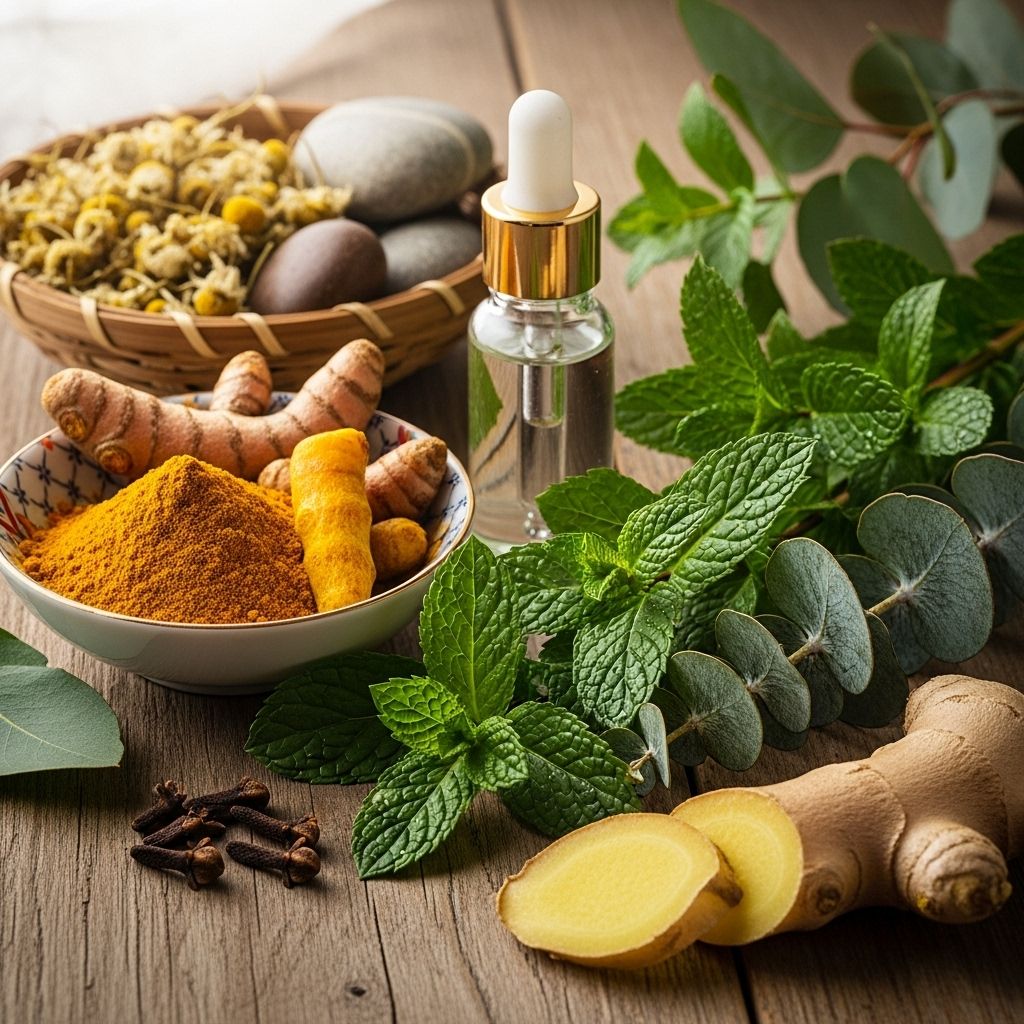
Natural Remedies to Relieve and Reduce Nasal Polyps
Nasal polyps are soft, noncancerous growths that develop along the lining of your nasal passages or sinuses. These can cause persistent nasal congestion, reduced sense of smell, frequent sinus infections, and breathing difficulties. While medical treatments like corticosteroid sprays and surgery are common, many people seek natural remedies to relieve symptoms, manage inflammation, and support sinus health. This guide explores 11 evidence-informed remedies, their safe use, and lifestyle tips for long-term management.
Table of Contents
- Understanding Nasal Polyps
- Top 11 Natural Remedies for Nasal Polyps
- Healthy Lifestyle Habits for Nasal Health
- How Diet Influences Nasal Polyps
- Frequently Asked Questions
What Are Nasal Polyps?
Nasal polyps are benign (noncancerous) growths found in the nasal cavity or sinuses. They most often occur due to chronic inflammation caused by conditions like allergies, recurrent infections, asthma, or immune disorders.
- They typically appear as soft, painless swellings inside the nose.
- Smaller polyps may cause few or no symptoms, but larger ones can obstruct airflow and block sinus drainage.
- Symptoms include persistent nasal congestion, postnasal drip, reduced sense of smell, facial pressure, and sometimes snoring.
- Nasal polyps are usually diagnosed via nasal endoscopy or imaging.
Medical frontline treatments include steroid sprays, oral steroids, and sometimes surgical removal. However, natural remedies may help lessen inflammation, relieve symptoms, and reduce recurrence risk.
Top 11 Natural Remedies for Nasal Polyps
While not a replacement for medical care, the following remedies may help reduce inflammation, open passageways, and provide symptomatic relief from polyps. Always consult your doctor before starting new treatments, especially if you are on medication or have underlying conditions.
1. Inhalation of Steam or Steam Therapy
Steam inhalation helps open nasal passages, loosen mucus, and reduce congestion. Warm, moist air soothes irritated tissues in the nose and sinuses.
- Boil water and pour into a bowl. Drape a towel over your head and inhale the steam for 5-10 minutes.
- Repeat 1–2 times per day as needed.
- For an added effect, add a few drops of essential oils like eucalyptus or peppermint.
2. Saline Nasal Rinse
A saline rinse (nasal irrigation) flushes out allergens, irritants, and excess mucus, supporting sinus health and comfort.
- Use a commercial saline spray or neti pot. Mix 1 teaspoon non-iodized salt with 2 cups boiled, cooled water and a pinch of baking soda.
- Gently irrigate each nostril once or twice daily.
- Helps reduce swelling and polyp irritation.
3. Horseradish and Honey Combination
Fresh horseradish is well-known for its pungency and antimicrobial properties. When combined with honey, it may support sinus decongestion and reduce inflammation.
- Mix one teaspoon of grated fresh horseradish with an equal part of raw honey.
- Consume one teaspoon, morning and night. The strong flavor may help open nasal passages and thin mucus.
4. Garlic and Onion Intake
Garlic and onions contain natural anti-inflammatory, antifungal, and antibacterial compounds such as allicin and quercetin. Both may aid in fighting nasal infections and reducing inflammation.
- Eat two cloves of raw garlic and some pieces of raw onion twice a day.
- Include these regularly in your diet — raw if possible — for added benefit.
5. Diluted Capsicum Annum (Cayenne Pepper)
Capsicum annum (including cayenne pepper) contains capsaicin, which helps stimulate circulation, relieve pain, and decrease inflammation.
- Prepare tea by mixing 1–2 teaspoons of cayenne pepper in hot water, adding raw honey for taste. Sip carefully.
- Nasal sprays or supplements with capsicum extract are also available; use with caution and follow manufacturer instructions strictly.
6. Essential Oils
Certain essential oils have properties believed to reduce inflammation, fight microbes, and ease nasal congestion.
- Popular choices: tea tree oil, eucalyptus oil, lavender, thyme oil.
- Never apply essential oils directly into the nose. Instead, add a few drops to steam inhalation or a diffuser.
- For topical use, always mix with a carrier oil (such as coconut or olive oil) before applying externally around the nasal area.
Note: Consult a medical professional before use, especially if you have respiratory conditions (such as asthma).
7. Turmeric
Turmeric, a golden-yellow spice, is rich in the anti-inflammatory compound curcumin. Turmeric may help mitigate chronic inflammation contributing to nasal polyps.
- Add half a teaspoon of turmeric powder to warm milk and drink daily.
- Turmeric tea is another alternative — steep 1–2 tsp turmeric in a cup of hot water, add honey to improve taste.
- Curcumin supplements are available, but consult your doctor before starting.
8. Xanthium Supplements
Xanthium (Fructus Xanthii) is a traditional Chinese medicine commonly used to relieve nasal congestion and sinus issues. Its anti-inflammatory benefits are valued in herbal medicine.
- Available as capsules, teas, or dried herb forms. Follow the dosage on commercial products.
- Always buy from reputable sources and discuss with your healthcare provider before use.
9. Chamomile
Chamomile is a soothing herb that may help in managing allergies, irritation, and mild inflammation associated with nasal polyps.
- Drink chamomile tea regularly.
- Add a few drops of chamomile extract to steam inhalation.
- Do not apply chamomile directly into the nose.
Studies indicate nasal drops containing chamomile extract may aid symptoms of chronic rhinosinusitis, but always follow safe usage and consult a professional.
10. Butterbur
Butterbur (Petasites hybridus) is popular for allergy and sinus support. Limited research suggests potential benefits for related symptoms such as headaches and allergic inflammation.
- Take as a supplement or standardized extract (make sure it is PA-free and from a trusted source).
- Seek medical advice before starting, especially if you have liver disease or are taking other medications.
11. Peppermint & Eucalyptus
Peppermint contains menthol, which may help open up congested sinuses, while eucalyptus contains cineole, shown in studies to clear mucus and decrease inflammation.
- Add 1–2 drops of peppermint or eucalyptus oil to a bowl of steaming water and inhale deeply (keep eyes closed).
- Avoid direct nasal or skin application to prevent irritation or toxicity.
Healthy Lifestyle Habits for Nasal Health
Combining natural remedies with healthy lifestyle changes can amplify results and reduce recurrence risk:
- Humidify indoor air: Use a humidifier to maintain humidity between 30–50%, easing dryness and reducing irritation.
- Avoid nasal irritants: Minimize exposure to cigarette smoke, strong perfumes, cleaning chemicals, and airborne allergens.
- Practice good nasal hygiene: Regularly use saline rinses to keep your nasal passages clear of allergens and irritants.
- Manage allergies and asthma: Stay on top of prescribed asthma or allergy medications, and address triggers promptly.
- Monitor infection risk: Treat respiratory infections early to prevent inflammation spirals that lead to polyp growth.
How Diet Influences Nasal Polyps
Nutrition plays a pivotal role in reducing systemic and local inflammation, supporting immune function, and promoting recovery.
Recommended Dietary Tips:
- Eat a balanced diet: Include lean proteins, whole grains, healthy fats, non-fat dairy, and abundant fruits and vegetables daily.
- Increase anti-inflammatory foods: Add foods rich in omega-3s (fatty fish, walnuts, flaxseed), vitamin C (citrus, kiwi, bell peppers), and antioxidants (berries, leafy greens).
- Incorporate herbs and spices: Ginger, turmeric, garlic, and onions offer anti-inflammatory benefits.
- Avoid processed foods: Cut down on added sugars, heavily processed foods, and unhealthy fats as these may aggravate inflammation.
- Stay hydrated: Drink plenty of water to keep mucus thin and easier to clear from the nasal passages.
Consult a registered dietitian for a tailored anti-inflammatory diet plan if you have additional health needs.
Frequently Asked Questions (FAQs)
Q: Can natural remedies completely cure nasal polyps?
A: While natural remedies can help manage symptoms and reduce polyp size, they do not offer a guaranteed cure. Polyps often require a combination of medical and lifestyle approaches for best results. Always consult an ENT specialist for proper evaluation and management.
Q: Are there any risks or side effects to natural remedies?
A: Some herbal supplements and essential oils can interact with medications or cause allergic reactions. Never apply undiluted essential oils or raw herbs directly into the nose. Always do a patch test for topical treatments and consult your doctor beforehand.
Q: Which essential oils are safest for nasal polyps?
A: Eucalyptus, peppermint, and chamomile oils are commonly used for sinus support. Use only in steam inhalation or diffusers (never apply undiluted oils in or around nostrils). Avoid altogether if you have severe respiratory conditions unless a healthcare provider approves.
Q: When should I see a doctor for nasal polyps?
A: Seek medical advice if you experience persistent symptoms such as sinus pain, nasal blockage, nosebleeds, vision changes, or symptoms not improving with home care. Medical treatments or surgery may be necessary for severe cases.
Q: How can I prevent nasal polyps from recurring?
A: Manage allergies effectively, practice good nasal hygiene, stay hydrated, avoid irritants, and maintain a healthy, anti-inflammatory diet. Regular follow-ups with your doctor can help detect and treat new polyps early.
Key Takeaways
- Natural remedies offer relief from nasal polyp symptoms, but they do not replace medical treatments.
- Effective options include steam therapy, saline rinses, dietary interventions, and selected herbal approaches.
- Always consult a healthcare professional before starting any new supplement, herbal remedy, or if symptoms persist or worsen.
Disclaimer: This article is for informational purposes only and should not be considered a substitute for professional medical advice. If you suspect you have nasal polyps or experience severe or persistent symptoms, consult an ear, nose, and throat specialist (ENT) for evaluation and personalized care.
Similar Articles







Read full bio of medha deb