Natural Remedies to Deter Bed Bugs in Your Home
Discover safe, effective natural remedies and prevention strategies to keep bed bugs at bay without relying on harsh chemicals.
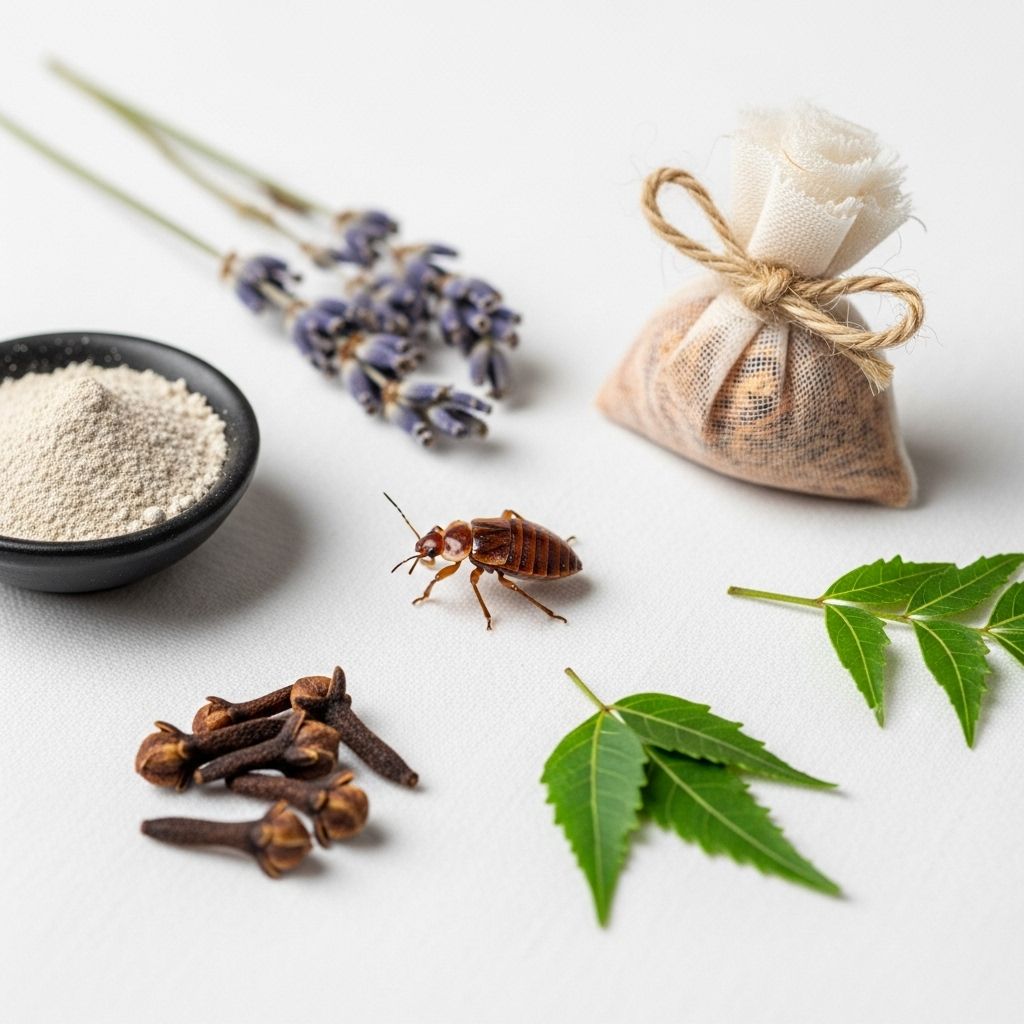
As bed bug infestations continue to trouble homes across the world, many homeowners are seeking alternatives to chemical pesticides. This comprehensive guide covers scientifically recognized natural remedies to deter and control bed bugs, incorporating essential oils, plant-based solutions, household treatments, and preventive practices. Learn how to make your environment inhospitable to these persistent pests and restore your peace of mind.
Understanding Bed Bugs
Bed bugs are small, reddish-brown insects that feed on the blood of humans and animals. Their ability to hide in tiny cracks in furniture, bedding, and walls makes them difficult to detect and eliminate. Traditional pesticides may pose health risks or environmental concerns, making natural remedies an appealing alternative for many.
Why Choose Natural Bed Bug Remedies?
- Non-toxic to humans and pets when applied correctly.
- Environmentally sustainable and safer than synthetic pesticides.
- Multi-purpose: Many remedies also repel other insects or sanitize your home.
- Readily available ingredients and easy DIY recipes.
- Lower risk of resistance compared to conventional chemicals.
Proven Natural Remedies to Deter and Control Bed Bugs
Essential Oils as Bed Bug Deterrents
Essential oils carry strong scents and compounds that disrupt the nervous system or physical protection of bed bugs, leading to their repulsion or death. Here are the most effective:
- Peppermint Oil: The strong aroma repels bed bugs and also deters ants and spiders. Spray diluted peppermint oil around the bed and sleeping areas for continued protection.
Application: Mix 15–20 drops of peppermint oil in 500ml of water, spray on bedding, bed frames, and surrounding furniture.
Frequency: Apply once daily for a week. - Tea Tree Oil: Exhibits insecticidal and antibacterial properties.
Application: Dilute 20 drops in a spray bottle filled with water. Spray all furnishings, mattress seams, and infested corners. - Lavender Oil: Its robust scent repels bed bugs and aids relaxation.
Tips: Add a few drops to laundry, bedding, or diffuse in the bedroom. - Eucalyptus Oil: Known for anti-inflammatory and repellent effects.
Application: 30 drops in 500ml water, spray on mattresses and furniture. Combine with lemongrass or tea tree oil for enhanced effect. - Clove Oil: Contains eugenol, a powerful insect deterrent.
Recipe: Mix 30 drops clove oil and 10 drops lemon eucalyptus oil in 500ml warm water and spray on affected areas twice a day for a week. - Lemongrass Oil: Repels and kills bed bugs with its acidity.
Spray areas like seams, skirting boards, and corners daily for 7–10 days. - Cedarwood Oil: Acts as a natural insecticide, suffocating bed bugs.
Use cedarwood spray around sleeping spaces.
Other Natural Powders and Household Substances
- Diatomaceous Earth: A silica-based powder that damages the bed bug’s exoskeleton, causing dehydration and death.
Method: Sprinkle on mattress edges, furniture cracks, and carpet. Leave for several days before vacuuming. Repeat weekly. - Baking Soda: Dehydrates bed bugs and absorbs odors.
Application: Sprinkle on the mattress, leave for several hours, then vacuum. Effective as a weekly maintenance treatment. - Talcum Powder: More commonly used in traps to prevent bed bugs from escaping, rather than as a killer.
Natural Liquids and Sprays
- Vinegar: White vinegar’s acidity kills bed bugs on contact. Use as a cleaning solution for infested areas but note that eggs are not affected.
- Rubbing Alcohol (Isopropyl 70%): Kills bed bugs by desiccation. Spray directly, but avoid use around open flames. May have limited residual effect.
- Lemon Juice: Citric acid creates an unfavorable environment for bed bugs. Spray fresh lemon juice on mattresses and fabric for a natural scent and mild repellent effect.
Plant-Based Remedies and Herbal Solutions
- Black Walnut Tea: The aroma from tea bags and leaves deters bed bugs when placed in nooks and crannies, mattress seams, and behind furniture.
- Thyme Leaves: Tie fresh thyme leaves in cloth and place under the mattress; burning thyme releases a repellent scent (always practice fire safety).
- Mint Leaves: Crushed mint leaves can be placed in entry points, closets, and on mattresses to prevent bed bug movement.
- Bean Leaves: Used as a natural bed bug trap. The microscopic hairs entangle and trap insects, acting as natural flypaper.
- Indian Lilac (Neem): Crush leaves and place around the home, or boil and spray in closets and on upholstered furniture for added protection.
DIY Bed Bug Repellent Spray Recipes
| Ingredients | Amount | Instructions | Recommended Use |
|---|---|---|---|
| Peppermint Oil + Water | 15–20 drops oil 500ml water | Mix in spray bottle. Spray on bedding, mattresses, and furniture. | Daily, 1 week |
| Tea Tree Oil + Water | 20 drops oil 500ml water | Mix and spray on infested areas, cracks, and soft furnishings. | As needed, repeat weekly |
| Clove Oil + Lemon Eucalyptus + Water | 30 drops clove 10 drops eucalyptus 500ml warm water | Mix, spray twice daily on seams, skirting, furniture. | Twice daily, 1 week |
| Cayenne/Ginger/Oregano Spray | 1 tsp cayenne 1 tsp ginger 1 tsp oregano 1 cup water | Mix, strain, spray in affected areas. | As needed |
Other Effective Organic Approaches
- Beauveria Bassiana: A parasitic fungus that attacks bed bugs, immobilizing and rendering them infertile. Available as a bio-insecticide.
- Pyrethrum: Natural pyrethrum extract from chrysanthemums attacks bed bug nervous systems.
- Sweet Flag: Prepare an herbal solution and spray around the home.
Preventive Actions and Maintenance Tips
While natural remedies can help deter and reduce bed bug populations, prevention and ongoing maintenance are critical for long-term control.
- Launder Bedding and Clothing: Wash regularly at high temperatures (at least 30 minutes in hot water).
- Regular Vacuuming: Frequently vacuum carpets, mattresses, and furniture to remove eggs and bugs.
- Steam Cleaning: Use a steamer on mattresses, couches, and infested furniture, as bed bugs cannot survive steam heat.
- Declutter and Sanitize: Reduce hiding places by organizing belongings and using natural cleaning agents like vinegar.
- Seal Cracks and Gaps: Prevent movement by caulking wall gaps, furniture seams, and baseboards.
- Inspect Secondhand Furniture: Always check and treat pre-owned items before bringing them home.
Troubleshooting & Limitations
Natural remedies are most effective for prevention and the early stages of infestation. Heavily infested properties may still require professional intervention. Always monitor the situation closely and repeat treatments as needed. Some remedies may help reduce populations but not eliminate them completely, especially when eggs are involved.
Safety Notes
- Use essential oils with caution; some oils may be irritating or toxic to pets and children. Dilute properly and avoid direct skin contact.
- Exercise fire safety when burning herbs like thyme.
- Alcohol and powders (diatomaceous earth, talcum) should not be inhaled or ingested.
- If allergic reactions occur to any ingredient, discontinue use immediately.
Frequently Asked Questions (FAQs)
Q: Can natural remedies completely eliminate a bed bug infestation?
A: Natural remedies such as essential oils, powders, and herbal barriers can deter and control bed bugs, often preventing minor infestations from escalating. However, severe infestations may still require professional pest control for full eradication.
Q: Are essential oils safe to use around children and pets?
A: Most essential oils are safe when diluted, but some (like tea tree and eucalyptus oil) should be used sparingly as they can be irritating or toxic if consumed or over-applied. Always research safety recommendations for each oil and keep out of reach of children and pets.
Q: How often should I apply natural remedies?
A: Frequency depends on severity. For active repellence and mild infestations, daily application for 7–10 days is recommended. For maintenance, apply sprays or powders once a week or after laundering textiles.
Q: Do bed bugs develop resistance to natural remedies like they do to pesticides?
A: Resistance to natural substances is much less common because natural compounds have multiple effects (repellent, dehydrating, neurotoxic). However, consistent application is necessary, and combining strategies provides more robust results.
Q: What household tools are most effective in natural bed bug management?
A: Vacuum cleaners, steamers, and laundry machines (hot washing) are essential for physically removing pests and eggs. Pair these methods with natural sprays and powders for optimal results.
Conclusion
Natural remedies offer diverse, eco-friendly options to deter and minimize bed bug problems in your home. With careful application of essential oils, powders, plants, and daily cleaning routines, you can protect your living environment without exposing your family to unnecessary chemicals. Remember, severe infestations may require professional support, but for prevention and early action, these natural strategies provide an invaluable toolkit.
Similar Articles








Read full bio of medha deb