5 Natural Remedies for Ear Mites in Cats That Actually Work
Safe, effective home treatments to help your feline friend find relief
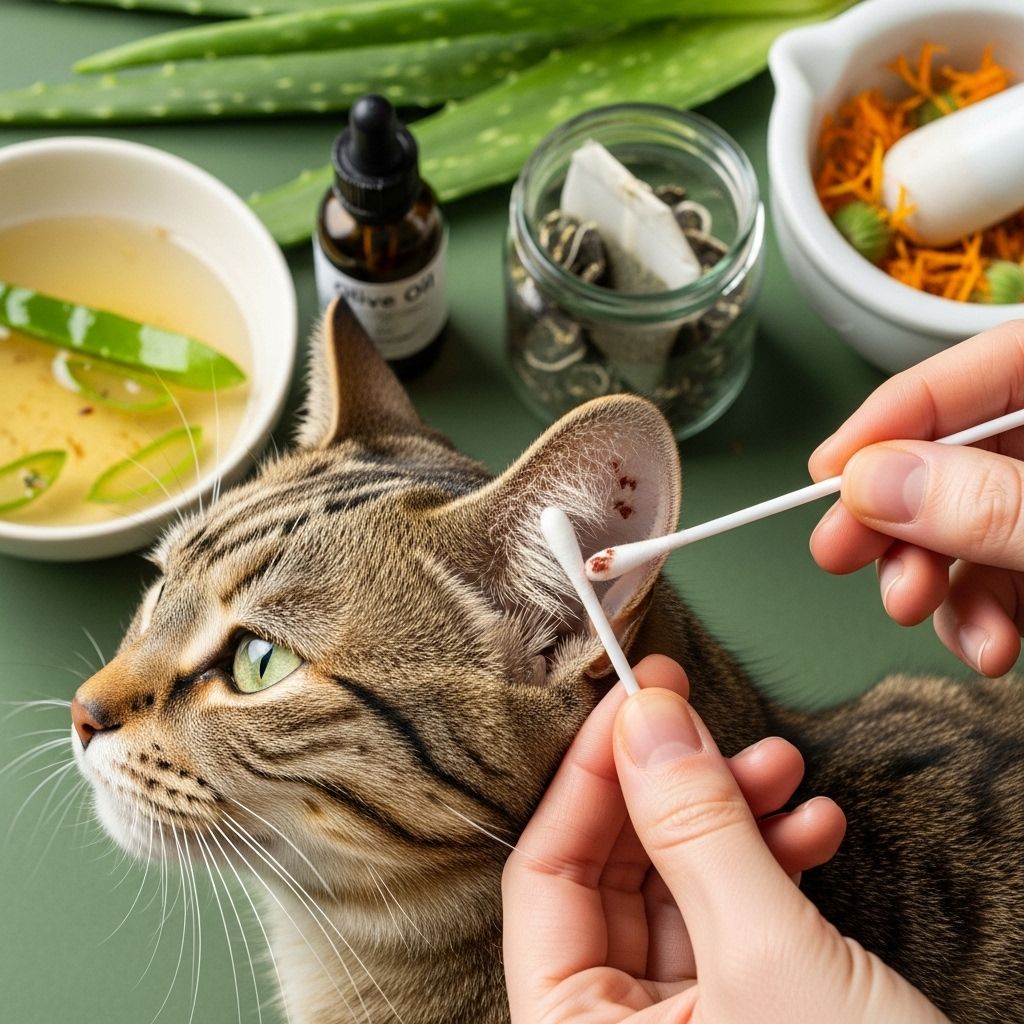
Ear mites are one of the most common parasitic infections affecting cats, causing significant discomfort and irritation. These tiny creatures, barely visible to the naked eye, burrow into your cat’s ear canal and feed on ear wax and skin oils. If left untreated, ear mites can lead to secondary infections, inflammation, and even hearing problems. While veterinary medications are highly effective, many cat owners prefer to explore natural remedies first, especially for mild to moderate infestations.
Natural treatments offer several advantages: they’re gentle on your cat’s sensitive ears, often use ingredients you already have at home, and avoid the harsh chemicals found in some commercial products. This comprehensive guide explores five proven natural remedies that can help eliminate ear mites and restore your cat’s ear health. Understanding these options empowers you to make informed decisions about your pet’s care while maintaining their comfort throughout the treatment process.
Understanding Ear Mites in Cats
Before diving into natural remedies, it’s essential to understand what you’re dealing with. Ear mites, scientifically known as Otodectes cynotis, are microscopic parasites that thrive in the warm, dark environment of your cat’s ear canal. These creatures complete their entire life cycle within the ear, laying eggs that hatch into larvae and eventually mature into adult mites within approximately three weeks.
The most common signs of ear mite infestation include excessive scratching at the ears, head shaking, dark brown or black discharge resembling coffee grounds, inflammation of the ear canal, and a distinctive unpleasant odor. Your cat may also hold their head tilted to one side or display sensitivity when you touch their ears. These symptoms occur because the mites cause intense itching and irritation as they move around and feed on the delicate tissues inside the ear.
Ear mites are highly contagious among cats and can easily spread through direct contact. If you have multiple cats in your household and one develops an infestation, there’s a strong likelihood that the others will become infected as well. This makes prompt treatment crucial not just for the affected cat’s comfort, but also to prevent the spread of these parasites throughout your home.
Natural Remedy #1: Olive Oil Treatment
Olive oil stands as one of the most effective and gentle natural remedies for treating ear mites in cats. This kitchen staple works through multiple mechanisms to combat these parasites. First, the oil suffocates the ear mites by coating them and preventing them from breathing. Second, it creates an inhospitable environment that prevents the mites from latching onto your cat’s skin. Third, olive oil helps loosen and soften debris, making it easier to remove the mites, eggs, and accumulated ear wax.
The antibacterial properties of olive oil provide an additional benefit by reducing inflammation and promoting healing of irritated tissues. As the oil soothes the inflamed ear canal, your cat experiences relief from the intense itching and discomfort caused by the infestation. This soothing effect is particularly important because it helps prevent your cat from scratching excessively, which could lead to secondary bacterial infections or injuries to the ear.
To use olive oil effectively, start by warming the oil to a comfortable temperature. You can do this by placing the container in a bowl of warm water for a few minutes. Never heat olive oil directly on the stove or in the microwave, as this could make it dangerously hot. Test the temperature on your wrist before applying it to your cat’s ear to ensure it’s pleasantly warm but not hot.
Gently tilt your cat’s head to one side and carefully place three to five drops of the warmed olive oil into the ear canal. Massage the base of the ear gently for about 30 seconds to help the oil penetrate deeply into the canal and reach all the affected areas. Your cat will likely shake their head after this process, which actually helps dislodge debris and dead mites. Use a soft cloth or cotton ball to wipe away any discharge that comes out, but never insert cotton swabs into the ear canal as this could push debris deeper or damage the eardrum.
Repeat this treatment once daily for at least two to three weeks. The extended treatment period is necessary because olive oil primarily kills adult mites and may not be as effective against eggs. By continuing treatment for several weeks, you ensure that newly hatched mites are eliminated before they can mature and reproduce.
Natural Remedy #2: Apple Cider Vinegar Solution
Apple cider vinegar has earned its reputation as a powerful natural remedy for various ailments, and ear mite treatment is no exception. This fermented liquid contains acetic acid and other compounds that create an antifungal and antibacterial environment, making it hostile to ear mites while simultaneously addressing any secondary yeast or bacterial infections that may have developed.
One of apple cider vinegar’s most valuable properties in treating ear mites is its ability to adjust the pH balance in your cat’s ear canal. Ear mites thrive in a specific pH range, and apple cider vinegar alters this environment, making it difficult for the parasites to survive and reproduce. This pH-balancing effect not only helps eliminate existing mites but also creates conditions that discourage future infestations.
To prepare an apple cider vinegar solution, mix equal parts raw, unfiltered apple cider vinegar with warm water in a clean container. The dilution is crucial because undiluted vinegar can be too acidic and may cause stinging or further irritation to your cat’s already inflamed ear tissues. Always use raw, unfiltered apple cider vinegar with the “mother” intact, as this contains the beneficial enzymes and compounds that make the treatment effective.
There are two application methods you can use. The first involves using a spray bottle: transfer your diluted solution into a clean spray bottle and lightly mist the inside of your cat’s ear. Be careful not to spray directly into the ear canal; instead, target the outer areas and let the solution naturally flow inward. The second method uses a cotton ball or soft cloth soaked in the solution. Squeeze out excess liquid, then place the saturated material at the opening of your cat’s ear, allowing the solution to slowly seep into the canal as you gently massage the ear base.
After applying the solution, massage your cat’s ear for 30 seconds to help distribute it throughout the canal. Then use a clean, dry cotton ball to wipe away any visible debris, discharge, or excess solution. For optimal results, apply this treatment once or twice daily for approximately two weeks. Many cat owners report seeing improvement within the first few days, but completing the full treatment course ensures that all mites and eggs are eliminated.
Natural Remedy #3: Aloe Vera Gel
Aloe vera has been celebrated for centuries for its remarkable healing properties, and these benefits extend to treating ear mites in cats. This succulent plant contains over 75 active compounds, including vitamins, minerals, enzymes, and amino acids, which work synergistically to promote healing. The anti-inflammatory properties of aloe vera help reduce swelling and redness in the irritated ear canal, while its antiviral and antibacterial effects help prevent or address secondary infections that often accompany ear mite infestations.
The cooling, soothing sensation that aloe vera provides offers immediate relief to cats suffering from the intense itching caused by ear mites. This comfort is invaluable because it reduces your cat’s urge to scratch, which helps prevent further damage to the delicate ear tissues. Additionally, aloe vera promotes tissue regeneration and speeds up the healing process for any areas that have been scratched or wounded.
When selecting aloe vera for ear mite treatment, choose pure, organic aloe vera gel or juice without added fragrances, colors, or preservatives. These additives can irritate your cat’s ears and may even be toxic if ingested. You can purchase high-quality aloe vera gel from health food stores or pet supply retailers, or you can extract fresh gel directly from an aloe vera plant if you have one at home. To extract gel from a plant, cut a mature leaf and squeeze out the clear, viscous gel from the inside.
To apply aloe vera, use a clean dropper to place three to five drops directly into your cat’s ear canal. Gently massage the base of the ear to help the gel spread throughout the canal and reach all affected areas. The gel’s consistency allows it to coat the ear canal thoroughly, providing extended contact time with the mites while simultaneously soothing inflamed tissues. After massaging, use a soft cotton ball to remove any excess gel and debris that works its way out of the ear.
Continue this treatment once daily for at least one week, or until symptoms completely resolve. Many cats find aloe vera particularly soothing, and they may be more cooperative with this treatment compared to others. One advantage of aloe vera is that it’s completely safe if your cat ingests some while grooming, and it can even provide digestive benefits.
Natural Remedy #4: Garlic and Olive Oil Infusion
The combination of garlic and olive oil creates a potent natural remedy that addresses ear mites through multiple pathways. Garlic contains allicin and other sulfur compounds that possess powerful antimicrobial and antiparasitic properties. When combined with olive oil, which we’ve already discussed for its mite-suffocating abilities, you create a synergistic treatment that attacks the infestation while reducing inflammation and promoting healing.
Garlic’s anti-inflammatory properties help reduce the swelling and redness that characterize ear mite infestations. The compounds in garlic also support the immune system, helping your cat’s body naturally fight off the parasitic invasion. Meanwhile, the olive oil acts as a carrier, allowing the beneficial garlic compounds to penetrate deeply into the ear canal while simultaneously providing its own therapeutic benefits.
To prepare this remedy, you have two options. The first method involves letting two to three fresh garlic cloves soak in approximately two tablespoons of olive oil for at least 24 hours. This allows the beneficial compounds from the garlic to infuse into the oil. Strain out the garlic pieces before use. The second, quicker method involves mixing a small pinch of garlic powder (approximately one-eighth teaspoon) into one teaspoon of olive oil and allowing it to sit for a few minutes before application.
Before applying any garlic-olive oil mixture to your cat’s ears, always test a small amount on your own skin to ensure it’s not too strong or irritating. Garlic can be quite potent, and you want to make sure the concentration is gentle enough for your cat’s sensitive ears. Once you’ve confirmed the mixture is appropriate, warm it slightly by placing the container in warm water, then apply three to four drops into your cat’s ear canal.
Massage the ear base gently to distribute the oil throughout the canal. Your cat may shake their head, which helps work the mixture around and dislodge debris. After a minute or two, use a soft cloth to wipe away any discharge or excess oil. This treatment should be repeated daily for at least ten days to two weeks. While garlic-olive oil infusions are generally safe, monitor your cat for any signs of irritation. If you notice increased redness or your cat seems more uncomfortable after application, discontinue use and consult your veterinarian.
Natural Remedy #5: Coconut Oil
Coconut oil has surged in popularity as a natural remedy for various pet health issues, and its effectiveness against ear mites makes it a valuable addition to your treatment arsenal. This tropical oil contains medium-chain fatty acids, particularly lauric acid, which possesses remarkable antimicrobial properties. These compounds can help eliminate ear mites while simultaneously addressing any bacterial or fungal infections that may have developed as secondary complications.
The anti-inflammatory properties of coconut oil help reduce pain and swelling in the affected ear canal, providing your cat with much-needed relief. Additionally, coconut oil helps soften and loosen accumulated ear wax and debris, making it easier to clean your cat’s ears and remove dead mites and their waste products. The oil creates a protective barrier on the ear canal tissues, which can help prevent further irritation and support the healing process.
When selecting coconut oil for treating your cat, choose organic, virgin, cold-pressed coconut oil without any additives or fragrances. This ensures you’re using the purest form of the oil with the highest concentration of beneficial compounds. Coconut oil is solid at room temperature but melts easily when warmed. You can liquefy it by placing the container in warm water or by rubbing a small amount between your palms until it melts.
To apply coconut oil, place three to five drops of the liquefied oil into your cat’s ear canal. Gently massage the base of the ear for about 30 seconds to help the oil penetrate throughout the canal. The massage also helps loosen debris and encourages it to work its way out. Alternatively, you can soak a cotton ball in melted coconut oil and hold it gently against the opening of your cat’s ear, allowing the oil to gradually absorb into the canal.
After application, use a clean, soft cloth to wipe away any excess oil and debris. Some cats may try to lick the coconut oil, but this is perfectly safe and can even provide additional health benefits. Coconut oil is well-tolerated by most cats and rarely causes adverse reactions. Apply this treatment once or twice daily for two to three weeks, following guidance from your veterinarian or pet homeopathy expert.
Important Considerations and Best Practices
While natural remedies can be highly effective for treating ear mites in cats, success depends on proper application and realistic expectations. Natural treatments work best for mild to moderate infestations caught early. If your cat has a severe infestation, shows signs of secondary infection such as pus or extreme swelling, or displays symptoms of pain that go beyond normal discomfort, professional veterinary care is essential.
Before starting any home treatment, gently clean your cat’s ears to remove visible debris and discharge. This cleaning helps the remedies penetrate more effectively and reach the mites living deeper in the ear canal. Use a soft cloth or cotton ball moistened with warm water or a veterinary-approved ear cleaning solution. Never use cotton swabs inside the ear canal, as this can push debris deeper, compact it against the eardrum, or even puncture the eardrum if you accidentally insert the swab too far.
Patience and consistency are crucial when using natural remedies. Unlike prescription medications that may kill mites more quickly, natural treatments typically work more gradually. You must commit to treating your cat daily for the full recommended duration, which is usually two to three weeks minimum. This extended treatment period ensures that you eliminate not just the adult mites but also the eggs and newly hatched larvae.
If you have multiple cats, treat all of them simultaneously, even if only one shows symptoms. Ear mites spread easily through direct contact, and asymptomatic cats can still harbor and transmit the parasites. Similarly, clean and disinfect your cat’s bedding, toys, and favorite resting spots to prevent reinfestation. Wash these items in hot water and dry them on high heat when possible.
Monitor your cat’s response to treatment carefully. You should see gradual improvement in symptoms over the course of a week or two. If symptoms worsen, if new symptoms appear, or if there’s no improvement after one week of consistent treatment, consult your veterinarian. These signs may indicate that the infestation is more severe than initially thought, that your cat has developed a secondary infection, or that the particular remedy you’ve chosen isn’t effective for your cat’s specific situation.
Preventing Future Ear Mite Infestations
Prevention is always preferable to treatment when it comes to ear mites. Regular ear inspections should become part of your routine cat care regimen. Check your cat’s ears weekly by gently folding back the ear flap and looking inside. Healthy ears should be pale pink, relatively clean, and free from excessive wax or odor. Dark discharge, redness, swelling, or a strong smell can all indicate problems that need attention.
Keep your cat’s ears clean through regular, gentle maintenance. Using a veterinarian-approved ear cleaning solution once or twice monthly can help prevent the buildup of wax and debris that attracts ear mites. However, avoid over-cleaning, as this can disrupt the natural protective barriers in your cat’s ears and potentially cause irritation.
If your cat goes outdoors or interacts with other animals, they face a higher risk of contracting ear mites. Consider limiting outdoor access or supervised outdoor time in controlled environments. If your cat must be outdoors, check their ears more frequently for early signs of infestation. When introducing a new pet to your household, have them examined by a veterinarian first to ensure they’re not carrying ear mites or other parasites that could spread to your existing pets.
Maintaining your cat’s overall health through proper nutrition, regular exercise, and stress reduction also supports their natural resistance to parasitic infestations. A healthy immune system is better equipped to fight off parasites and recover more quickly if an infestation does occur. Provide a balanced, high-quality diet appropriate for your cat’s age and health status, and ensure they have opportunities for physical activity and mental stimulation.
Frequently Asked Questions
Q: How long does it take for natural remedies to eliminate ear mites in cats?
A: Natural remedies typically require two to three weeks of consistent daily treatment to fully eliminate ear mites. You may see improvement in symptoms within the first week, but completing the full treatment course is essential to ensure all mites and eggs are eradicated and prevent reinfestation.
Q: Can I use multiple natural remedies at the same time?
A: It’s generally best to use one remedy at a time so you can assess its effectiveness and ensure your cat doesn’t experience adverse reactions. If one remedy doesn’t produce results after a week, you can switch to a different natural treatment. However, combining certain remedies, such as apple cider vinegar with olive oil, can sometimes enhance effectiveness.
Q: Are natural remedies safe for kittens with ear mites?
A: Natural remedies like olive oil and coconut oil are generally safe for kittens, but their delicate systems require extra caution. Use smaller amounts and gentler application techniques. For very young kittens under eight weeks old, always consult a veterinarian before attempting any home treatment, as they may require special care.
Q: What should I do if my cat won’t let me treat their ears?
A: Wrap your cat gently but securely in a towel, leaving only the head exposed. This “burrito” technique prevents scratching and makes application easier. Work quickly but calmly, and reward your cat immediately afterward with treats or playtime. If your cat remains extremely resistant, ask a veterinarian to demonstrate proper restraint techniques or consider professional treatment.
Q: Can ear mites spread from cats to humans?
A: While ear mites primarily affect cats and other animals, they can occasionally cause temporary, mild irritation in humans who handle infected cats. However, they cannot establish a permanent infestation in human ears. Practice good hygiene by washing your hands thoroughly after treating your cat’s ears to minimize any risk of irritation.
Similar Articles








Read full bio of Sneha Tete