9 Natural Remedies for Ant Bites: Fast Relief and Healing
Explore effective natural remedies to soothe, heal, and relieve discomfort from ant bites using household ingredients.
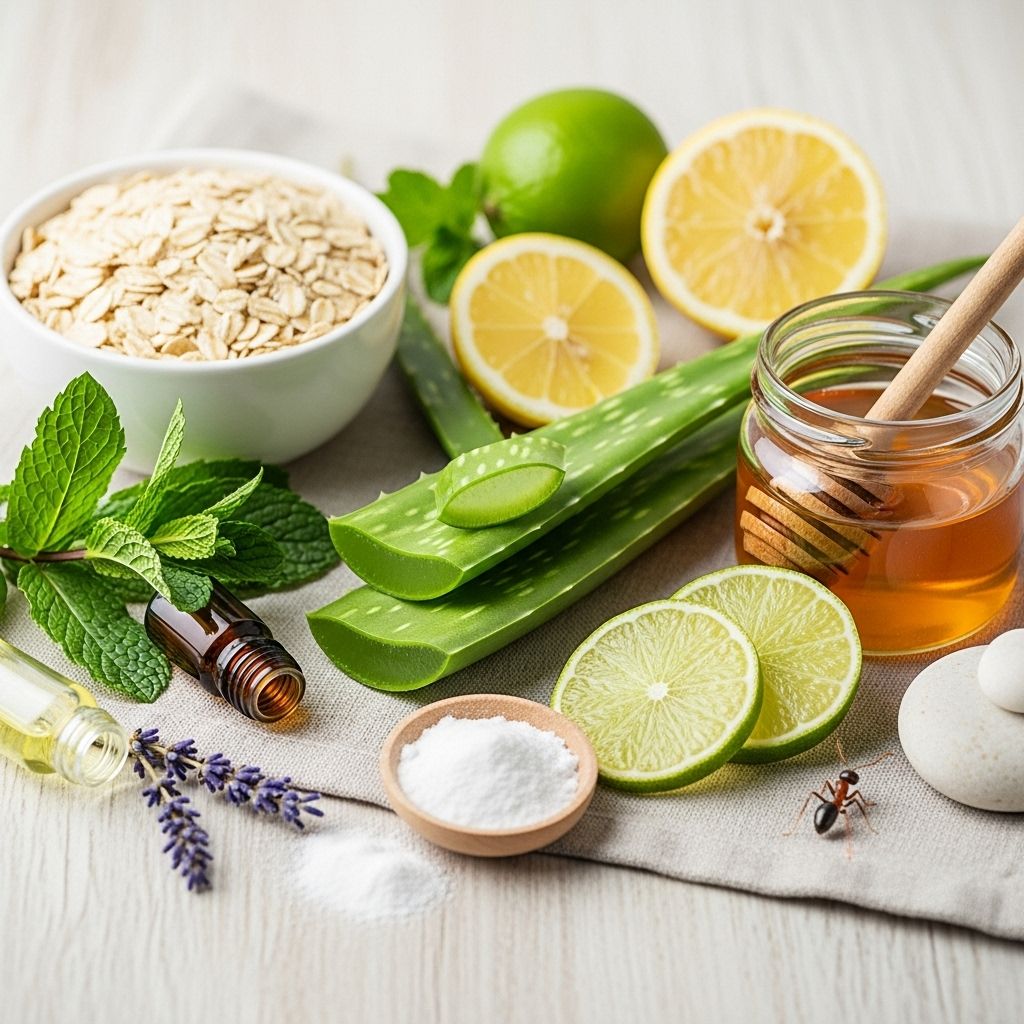
Ant bites, often encountered during warm months or outdoor activities, can cause significant discomfort—ranging from redness and swelling to persistent itching and pain. While over-the-counter creams provide relief, many people seek natural, household solutions that are simple, safe, and effective. Below, discover nine scientifically backed natural remedies to treat ant bites, quickly calm unpleasant symptoms, and promote skin healing.
Understanding Ant Bites: What Happens to Your Skin?
When an ant bites, it releases venom or formic acid into your skin. This triggers mild to severe symptoms, including burning, itching, swelling, and sometimes blistering—especially in the case of fire ants. Although not usually dangerous, intense allergic reactions or excessive scratching can lead to infection. Addressing the bite early with soothing remedies minimizes symptoms and aids recovery.
Immediate First Aid Steps for Ant Bites
- Wash the area thoroughly with soap and water to remove any venom and reduce the risk of infection.
- Avoid scratching to prevent opening the skin and potential scarring.
- Apply a cold compress or ice pack for 10–15 minutes to rapidly reduce swelling, numb pain, and slow the spread of irritation.
1. Aloe Vera
Aloe vera gel is a classic home remedy known for its soothing, anti-inflammatory, and healing properties. Applying pure aloe vera gel directly to ant bites can:
- Reduce inflammation and redness
- Alleviate itching and stinging sensations
- Accelerate the skin’s natural healing process thanks to its antioxidant and antimicrobial effects
Use either gel from an aloe leaf or a bottled product labeled “100% aloe vera.” Reapply several times daily for the most relief.
2. Honey
Honey acts as a natural antibacterial and anti-inflammatory agent. When applied in a thin layer to the bite, honey:
- Reduces itching, redness, and swelling
- Moisturizes and forms a protective barrier, preventing infection
- Soothes skin, mimicking its use for sore throats but on the skin’s surface
Leave the honey covering the affected area for 20–30 minutes before rinsing off.
3. Tea Tree Oil
Tea tree oil is a potent essential oil prized for its anti-inflammatory, antiseptic, and healing properties. When treating ant bites:
- Dilute a few drops in a carrier oil (such as coconut or olive oil) before applying to avoid skin irritation.
- Apply with a cotton swab for relief from itching and pain and to lower the risk of infection.
- Do not use tea tree oil undiluted, especially on sensitive skin.
4. Cucumber Slices
The cooling effect of cucumber helps soothe skin affected by ant bites. Place thin slices directly on the bite for several minutes to:
- Alleviate itching and burning sensations
- Reduce localized inflammation
- Hydrate the skin and provide quick, gentle relief
Repeat as needed throughout the day, especially if treating multiple bites.
5. Oatmeal Bath
A colloidal oatmeal bath is beneficial when dealing with numerous ant bites or if the irritation covers a large area. The oatmeal:
- Soothes itching and calms inflamed skin
- Relieves discomfort, especially for sensitive individuals or children
- Makes irritated skin less prone to further scratching
Add colloidal oatmeal to a lukewarm bath and soak the affected area for 15–20 minutes. Pat dry gently.
6. Lemon Juice
Lemon juice is valued for its antibacterial and anti-inflammatory properties. Squeeze fresh lemon juice, dilute with a little water, and apply directly to the bite:
- Stings on application but rapidly reduces redness and swelling
- Restricts itching and may prevent infection thanks to its acidity
- Should be washed off and not left on for extended periods to avoid skin irritation (especially on broken skin)
7. Salt Paste
A simple salt and water paste can draw out venom, reduce swelling, and promote healing. Here’s how to use it:
- Mix salt with just enough water to form a thick paste
- Apply generously to the ant bite; leave for 15–20 minutes
- Salt’s natural antiseptic effect helps prevent infection and dries out the area for faster recovery
Rinse thoroughly afterward and reapply as needed.
8. Herbal Teas (Compresses)
Certain herbal teas like chamomile or green tea act as anti-inflammatories and antioxidants that offer skin relief. To use:
- Brew a strong tea; cool the tea bag or soak a cotton pad in the liquid
- Apply as a compress onto the affected area for 10–15 minutes
- Chamomile, in particular, can reduce swelling, redness, and itching
This method is especially useful if you have sensitive skin.
9. Essential Oils: Lavender & More
Besides tea tree oil, lavender essential oil is known for its soothing, calming, and antimicrobial benefits.
- Always dilute essential oils in a carrier oil before applying to the skin
- Lavender oil can relieve itching, reduce burning, and prevent infection
- Other helpful oils include peppermint and eucalyptus, which cool the skin
Perform a patch test to ensure no allergies or sensitivity before widespread use.
FAQs: Natural Remedies for Ant Bites
Q: How quickly can I expect relief from these remedies?
A: Most natural remedies provide immediate soothing sensations, with swelling and redness usually reducing within a few hours to a day. For ongoing itching or blisters, continue applying your chosen remedy twice daily until skin has healed.
Q: Can I use these remedies on children?
A: Most remedies, such as aloe vera, honey, oatmeal bath, and cucumber, are gentle and safe for kids. However, use essential oils with extra caution, always dilute heavily, and avoid use on infants.
Q: When should I see a doctor for an ant bite?
A: Seek medical care if you experience severe swelling, difficulty breathing, hives, rapid heartbeat, or signs of infection (pus, spreading redness, fever). This may indicate an allergic reaction or secondary infection.
Q: Should I avoid any home remedies?
A: Avoid using undiluted essential oils directly on skin, applying ammonia, bleach, vinegar, or alcohol to bites, and do not pop blisters. Scratching can worsen the bite and increase infection risk.
When to Use Over-the-Counter and Medical Treatments
While natural treatments are effective for mild reactions, certain situations call for OTC or prescription remedies:
- Hydrocortisone cream may be used for persistent itching not relieved by natural methods.
- Antihistamines can help if symptoms are widespread or you’re prone to allergies.
- See a doctor if an allergic reaction or serious infection develops, as stronger treatments like steroids or antibiotics may be necessary.
Tips for Preventing Ant Bites
- Wear closed shoes and socks when outdoors or in grassy/wooded areas.
- Avoid sitting or working in areas with visible ant activity or nests.
- Use safe insect repellents and check clothing or blankets left on the ground.
- Promptly brush ants off your body to prevent multiple bites.
- Control ant populations indoors and around outdoor living spaces.
Summary Table: Natural Remedies for Ant Bites
| Remedy | Main Benefits | How to Use |
|---|---|---|
| Aloe Vera | Soothes itching, reduces swelling, speeds healing | Apply gel directly to bite, repeat as needed |
| Honey | Antimicrobial, reduces redness/itching | Spread thin layer, leave 20–30 minutes then rinse |
| Tea Tree Oil | Antiseptic, anti-inflammatory, prevents infection | Dilute with carrier oil, dab with cotton swab |
| Cucumber | Cools and soothes irritation | Place slice on bite, repeat as necessary |
| Oatmeal Bath | Relieves itchiness, soothes large affected areas | Add colloidal oatmeal to lukewarm bath, soak 15–20 min |
| Lemon Juice | Reduces swelling, antibacterial | Apply diluted juice, leave briefly, rinse off |
| Salt Paste | Draws venom, reduces swelling, antiseptic | Apply thick paste, leave 15–20 min, rinse |
| Herbal Tea Compress | Anti-inflammatory, soothes skin | Apply cool tea bag or pad soaked in tea to bite |
| Lavender Essential Oil | Reduces itch, antimicrobial | Dilute in carrier oil, apply with cotton swab |
Frequently Asked Questions (FAQs)
Q: Why do ant bites itch so much?
A: Ant bites inject mild toxins and chemicals like formic acid, which trigger the release of histamine in your skin, causing itching, redness, and swelling.
Q: Are these remedies also useful for fire ant stings?
A: Yes, most remedies help with fire ant stings. However, fire ant stings may blister, so avoid breaking blisters and watch for severe allergic reactions.
Q: How many times a day can I reapply natural remedies?
A: You can usually reapply every 2–4 hours as needed for relief, making sure to monitor your skin for any signs of irritation or allergy.
Q: What natural remedy works best to prevent infection?
A: Both honey and tea tree oil have strong antimicrobial properties, making them especially useful for preventing skin infections after ant bites.
Q: How do I know if my symptoms are severe?
A: Symptoms such as trouble breathing, swelling beyond the bite site, dizziness, or continued spreading redness may signal a severe allergic reaction needing urgent medical attention.
Similar Articles







Read full bio of medha deb