Natural Remedies for Blood Thinning: Foods, Herbs & Lifestyle
Understanding natural blood thinners, from foods and herbs to important precautions for safe and effective cardiovascular support.
Blood health plays a crucial role in overall cardiovascular well-being. Blood that is too prone to clotting increases the risk of heart attacks, strokes, and deep vein thrombosis, while excessively thin blood can heighten bleeding risks. Understanding natural blood thinning remedies—including certain foods, herbs, and lifestyle choices—can help maintain a healthy balance for many people, particularly those at risk of clot-related issues. This article explores the best-studied natural blood thinners, how they work, and important precautions to consider.
What is Blood Thinning and Why is it Important?
Blood thinning—or anticoagulation—refers to the reduction of the blood’s ability to form abnormal or excessive clots. While a healthy clotting response is vital to prevent excessive bleeding after injuries, some medical conditions make the blood abnormally prone to clot, leading to serious complications such as stroke, heart attack, or pulmonary embolism. Blood thinning can be achieved through prescription medications, but various natural remedies may support healthy blood viscosity and circulation.
Main Causes of Blood Clot Risk
- Atrial fibrillation: An irregular heartbeat increases clot risk.
- Post-surgery: Prolonged immobility can predispose to clots.
- Genetic conditions: Thrombophilia and related disorders.
- Chronic inflammation: Linked to metabolic syndrome and obesity.
Top Natural Blood Thinners: Foods, Herbs, and Supplements
Several foods, herbs, and dietary supplements possess mild blood-thinning properties, often due to their antioxidant, anti-inflammatory, or direct anticoagulant effects. Consuming these regularly, as part of a balanced diet, may help reduce abnormal clotting tendencies.
1. Vegetables and Fruits
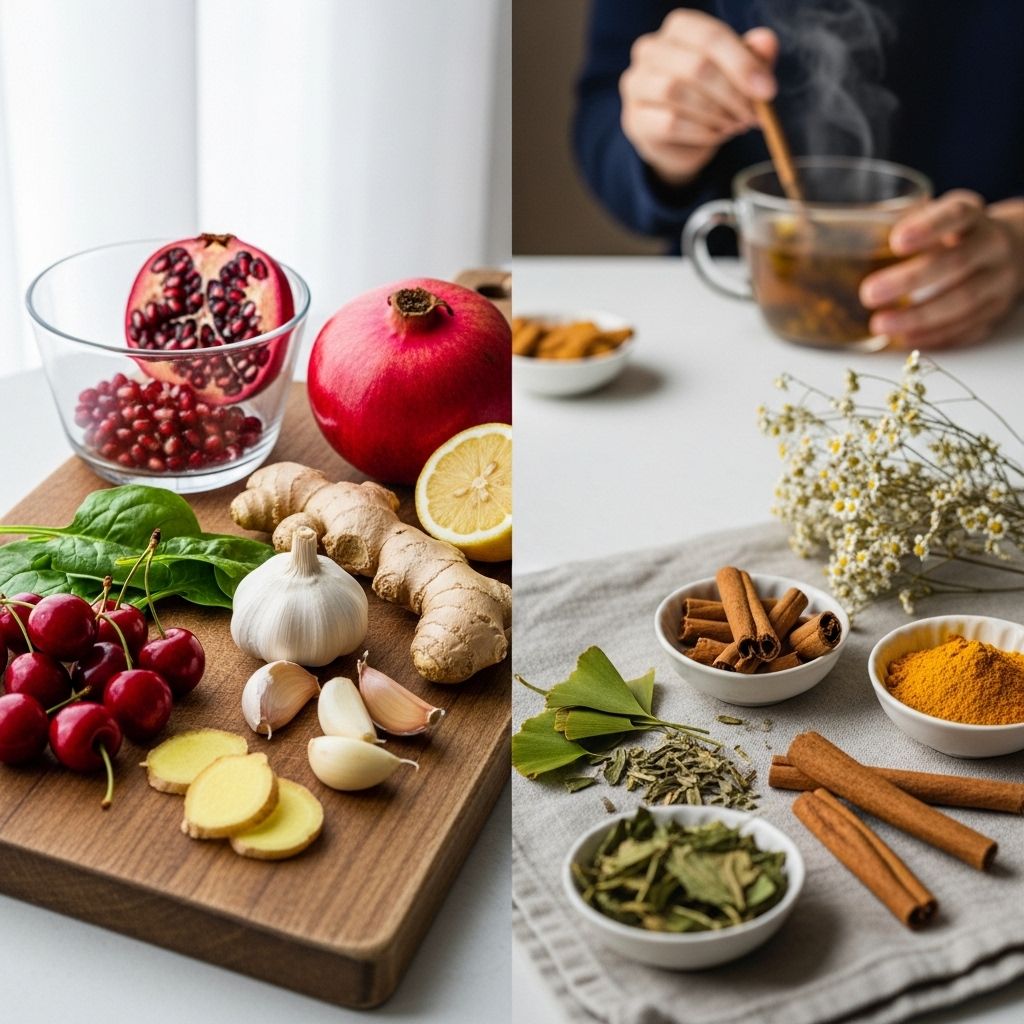
- Garlic: Contains allicin, which has proven anticoagulant and blood pressure–lowering effects. Alongside supporting circulation, some studies also link garlic to reduced artery stiffness and lower cholesterol levels.
- Onions: Rich in flavonoids that decrease platelet aggregation (clumping). Regular consumption may support blood fluidity.
- Tomatoes: High in lycopene and salicylates, both of which help prevent clot formation. Studies have shown daily tomato juice reduces platelet “stickiness” significantly.
- Berries (Strawberries, Blueberries, Cranberries): Packed with antioxidants and natural salicylates, these fruits lightly thin the blood and reduce inflammation.
- Citrus fruits (Oranges, Lemons, Grapefruits): Their vitamin C and bioflavonoids boost circulation. They also help prevent vessel damage that can trigger clotting.
- Pineapple: Contains bromelain, an enzyme shown to break down fibrin in blood clots.
- Grapes: The skin is rich in resveratrol, supporting vessel health and circulation.
2. Nuts and Seeds
- Almonds and Walnuts: Among the richest food sources of vitamin E, which naturally reduces clot formation.
- Flaxseeds and Chia Seeds: Provide plant-based omega-3 fatty acids, which are known to decrease blood viscosity and lower inflammation.
- Sunflower Seeds: High in vitamin E and healthy fats, supporting vascular function.
3. Herbs and Spices with Anticoagulant Effects
- Turmeric: The active compound curcumin acts as a natural anti-inflammatory and may help prevent excessive clotting. Turmeric can be used in cooking or as tea.
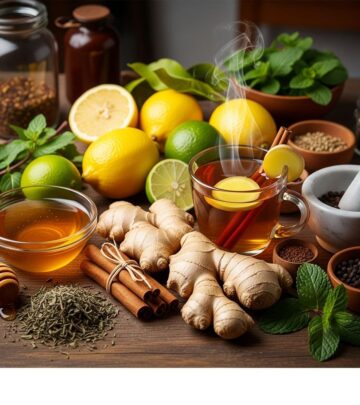
- Ginger: Contains natural salicylates, similar in effect to aspirin, and has been linked to blood thinning. Regular use may help, but ginger is less potent than prescription anticoagulants.
- Cinnamon: Especially cassia cinnamon, is high in coumarin, an effective natural blood thinner. Coumarin is also the basis for several medical anticoagulants, but high cinnamon intake may risk liver damage—moderation is key.
- Cayenne Pepper: A source of salicylates and capsaicin, helping improve blood flow and modestly lowering blood pressure.
- Basil, Oregano, and Dill: All provide eugenol and other compounds that offer mild anticoagulant benefits.
- Ginkgo Biloba: A traditional herbal supplement often used for memory and blood disorders. Some studies suggest ginkgo has fibrinolytic (clot-dissolving) effects, with results similar to some clot-busting drugs, though strong evidence in humans is still lacking.
4. Omega-3 Fatty Acids
- Fatty Fish: Salmon, mackerel, tuna, sardines, trout, and anchovies are rich in omega-3s, which reduce blood viscosity and have anti-inflammatory effects.
- Seaweed: Some varieties provide natural anticoagulants.
- Hemp Seeds: A valuable plant-based omega-3 source for vegetarians and vegans.
- Fish Oil Supplements: Popular dietary supplements, but consult a doctor if taking anticoagulant medications.
5. Other Foods: Whole Grains and Legumes
- Oats and Quinoa: Their fiber content helps improve cholesterol and supports cardiovascular health.
- Lentils and Beans: Provide anti-inflammatory benefits and nutrients that strengthen the vascular system.
- Brown Rice: Offers B vitamins and minerals that are essential for blood vessel health.
6. Supplements and Extracts with Blood-Thinning Potential
- Vitamin E: Shown to inhibit platelet aggregation and act as a mild anticoagulant. Found in higher amounts in plant oils, nuts, and seeds.
- Grape Seed Extract: Contains compounds that support blood vessel elasticity and may help keep blood from clotting excessively.
- Bromelain: The enzyme in pineapple, available as a supplement, has been researched for dissolving blood clots and lowering inflammation.
- Aloe Vera: Sometimes used for heart health, though evidence is limited.
- Melatonin: Preliminary research suggests a possible blood-thinning effect, but more studies are needed.
How Do Natural Blood Thinners Work?
Natural blood thinners work by influencing multiple pathways that regulate clot formation and blood flow. These typically act by one or more of the following mechanisms:
- Inhibiting Platelet Aggregation: Platelets clump together to start a clot. Antioxidants and certain nutrients (like flavonoids and vitamin E) reduce this “stickiness.”
- Blocking Clotting Factors: Some plant compounds, such as coumarin (found in cinnamon), interfere with proteins needed to form clots.
- Reducing Inflammation: Chronic inflammation can make clots more likely. Many natural blood thinners (ginger, turmeric, berries) are potent anti-inflammatories.
- Dissolving Fibrin: Enzymes like bromelain break down fibrin, a protein that stabilizes blood clots.
Table: Common Foods and Supplements with Blood Thinning Effects
| Food/Herb/Supplement | Key Component | Main Effect | Notes |
|---|---|---|---|
| Garlic | Allicin | Reduces platelet aggregation | May lower blood pressure as well |
| Ginger | Salicylates | Inhibits clot formation | Less potent than medical blood thinners |
| Fatty Fish/Omega-3s | EPA/DHA | Reduces blood viscosity | Supports heart health |
| Cinnamon | Coumarin | Prevents clotting | Use moderate amounts to avoid liver toxicity |
| Turmeric | Curcumin | Anti-inflammatory, mild anticoagulant | Helps in chronic inflammation |
| Bromelain (Pineapple) | Proteolytic enzyme | Dissolves fibrin, thins blood | Found in both raw pineapple and supplements |
| Vitamin E (Nuts/Seeds) | Tocopherol | Decreases platelet aggregation | High doses can increase bleeding risk |
| Ginkgo Biloba | Terpenoids/flavonoids | Promotes circulation, may dissolve clots | Consult doctor if on prescription anticoagulants |
Precautions and Safety Guidelines
Although natural blood thinners are generally safe for most healthy adults in moderation, they still warrant caution, especially in certain situations:
- If you’re already on blood-thinning medications: Combining natural anticoagulants with prescription drugs (like warfarin, heparin, or newer oral anticoagulants) can increase the risk of dangerous bleeding.
- In pregnancy and for children: Many herbs and supplements are not safety-tested for these groups.
- If you have a bleeding disorder: Natural blood thinners can exacerbate problems like hemophilia, thrombocytopenia, or heavy menstrual bleeding.
- Before surgery or dental procedures: Inform your doctor of any supplements or dietary changes that may impact bleeding risk.
- Liver or kidney disease: Some herbs (notably cinnamon in excess) can stress the liver if taken long-term or in large doses.
Always consult with a healthcare provider before starting any supplement or making significant diet changes to reduce blood clot risks.
Lifestyle Tips for Healthy Blood Flow
Along with dietary choices, these simple steps help maintain a healthy balance between clotting and bleeding:
- Maintain physical activity: Regular exercise promotes good circulation and naturally prevents stasis (blood pooling).
- Stay hydrated: Proper hydration reduces blood viscosity.
- Avoid smoking: Smoking damages vessels and increases clot risk.
- Manage stress: Chronic stress can promote inflammation and clotting.
- Monitor blood pressure and cholesterol: Keeping these within healthy ranges limits vascular injury.
Blood Thinning vs. Bleeding Risk: The Delicate Balance
Natural blood thinners are particularly valuable for those with a history of cardiovascular disease, atrial fibrillation, or thrombophilia. However, excessive blood thinning is dangerous—leading to uncontrolled bleeding even from minor cuts, or hemorrhages in the brain or gastrointestinal tract. Knowing when to use, avoid, or supplement blood-thinning substances is essential.
Common Symptoms of Excess Blood Thinning
- Unexpected or prolonged nosebleeds
- Easy bruising
- Excessively heavy menstrual flow
- Blood in urine or stool
- Prolonged bleeding after injury or surgery
If any of these symptoms occur, review your medications and supplements with your doctor promptly.
Frequently Asked Questions (FAQs)
Q: Are natural blood thinners as effective as prescription medications?
A: Most natural blood thinners—such as dietary salicylates, omega-3 fatty acids, and certain herbs—have relatively mild anticoagulant effects compared to prescription drugs like warfarin or direct oral anticoagulants. They may benefit overall cardiovascular health but should not replace medical treatment for conditions requiring strict anticoagulation.
Q: Which foods should I avoid if I am already taking blood-thinning medication?
A: It’s essential to avoid excess intake of strongly anticoagulant foods and supplements—such as large amounts of garlic, ginger, turmeric, ginkgo biloba, and omega-3 rich fish oil—without consulting a doctor. Certain foods (like green leafy vegetables high in vitamin K) can also reduce the effectiveness of some anticoagulant medications.
Q: Can someone with a bleeding disorder eat natural blood thinners?
A: People with bleeding disorders should be very cautious with all blood-thinning foods, herbs, and supplements. Even mild natural anticoagulants can increase bleeding risk and lead to severe complications.
Q: Is it safe to take herbal supplements for blood thinning long-term?
A: Some herbal products, like ginkgo biloba or cassia cinnamon, should only be used short-term or under supervision, as they may cause adverse effects with chronic use, particularly affecting the liver or increasing risk of internal bleeding.
Q: How can I discuss natural blood thinners with my doctor?
A: Bring a list of all foods, herbs, and supplements you use regularly to every appointment. Ask specifically about potential interactions or bleeding risks related to your medications and conditions.
Key Takeaways
- Numerous foods, herbs, and supplements provide mild blood-thinning effects and can support cardiovascular health when used wisely and with medical supervision.
- These remedies are not a substitute for prescription anticoagulants in those with diagnosed clotting disorders or heart disease.
- Always consult a healthcare provider before starting or stopping any blood-thinning remedies, especially if you are on medication or have a chronic condition.
Similar Articles





Read full bio of Sneha Tete