8 Natural Remedies for Headaches: Effective Relief without Medication
Find gentle, proven methods to prevent and soothe headaches naturally—without relying on medicine.
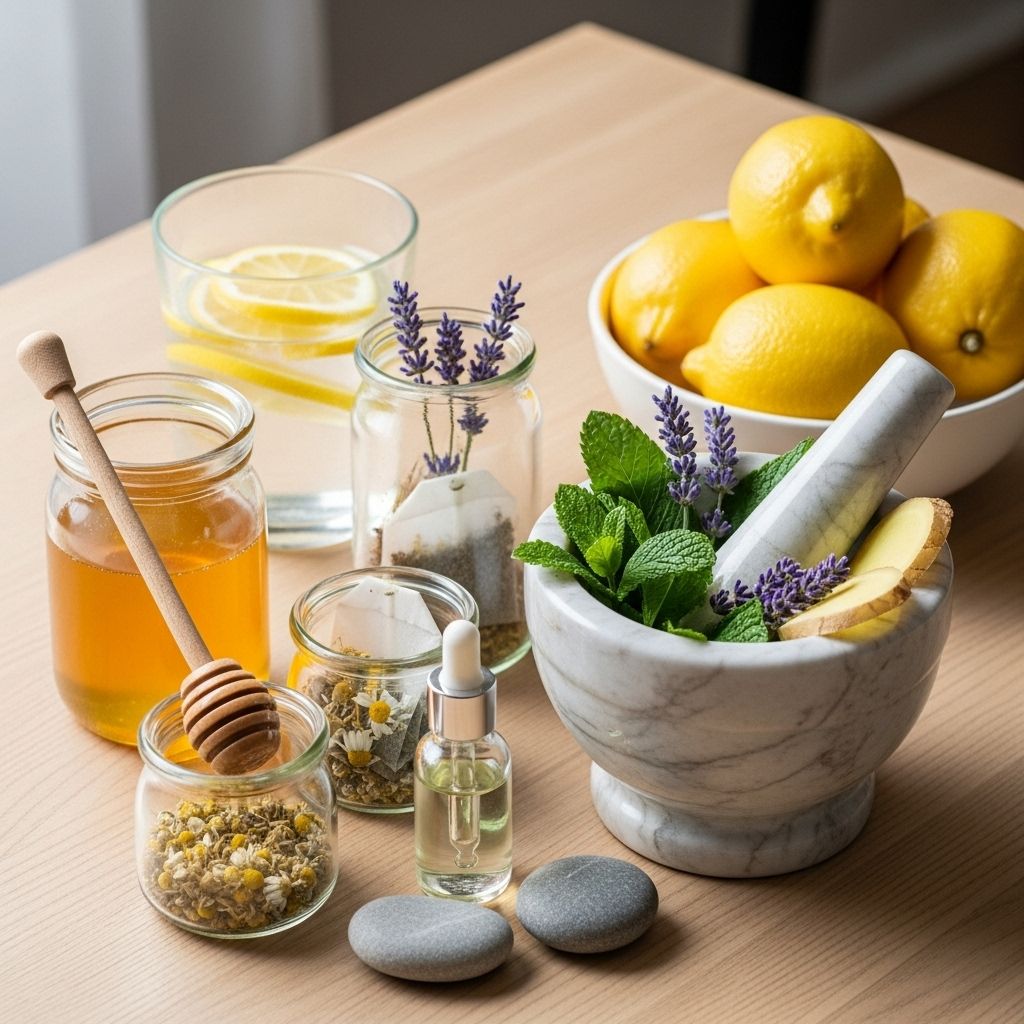
Headaches affect millions around the world and can disrupt even the simplest daily activities. While over-the-counter medications are a common go-to, many people prefer natural remedies that provide relief with minimal side effects. Learn the most effective natural strategies, understand what triggers headaches, and discover tips for long-term prevention.
Understanding Headaches: Types and Common Triggers
The first step in managing headaches is understanding their root causes. Headaches come in several forms—tension headaches, migraines, cluster headaches, and sinus headaches. Among these, tension headaches are the most common, often triggered by stress, poor posture, muscle strain, or dehydration.
Other potential triggers include:
- Bright or flickering lights
- Loud noises
- Changes in weather
- Hunger, skipping meals, or certain foods
- Alcohol or excessive caffeine consumption
- Lack of sleep or irregular sleep patterns
Knowing your personal headache triggers is key to prevention and selecting the best natural remedy.
1. Stay Hydrated: The Foundation of Headache Prevention
Dehydration is a major but often overlooked cause of headaches. Research suggests that insufficient water intake can trigger both tension headaches and migraines. Staying hydrated is a simple yet powerful remedy:
- Drink 6–8 glasses of water daily, or more if you’re active or live in a hot climate.
- Eat water-rich foods, such as watermelon, cucumber, and celery.
- Avoid or limit dehydrating beverages like caffeinated sodas, coffee, and alcohol.
If you notice signs of dehydration (dry mouth, fatigue, dark urine), focus on gentle rehydration. Carry a reusable water bottle and sip throughout the day. Adequate hydration may not only relieve an ongoing headache but may also reduce the frequency of future ones.
2. Use Cold or Warm Compresses for Rapid Relief
Applying temperature therapy to your head or neck is one of the easiest immediate headache remedies.
- Cold Compress: Place an ice pack, cold gel, or a chilled cloth on your forehead or the back of your neck. This constricts blood vessels, reduces inflammation, and can effectively ease headache pain—especially helpful for migraines.
- Warm Compress: Use a warm towel, heating pad, or take a warm shower. Heat helps relax tense muscles, making it a great remedy for tension headaches.
Choose the method that feels best for you, and apply for 10–20 minutes while reclining in a calm environment.
3. Harness the Power of Essential Oils
For centuries, various aromatic essential oils have been used for pain relief and relaxation:
- Peppermint Oil: Apply a few diluted drops to your temples or neck. Its cooling properties can soothe tension headaches by relaxing muscles and increasing local blood flow.
- Lavender Oil: Inhale the scent or diffuse lavender oil in your room to help relieve migraines and promote relaxation.
- Eucalyptus Oil: Inhaling eucalyptus can relieve sinus pain and headaches, particularly those caused by sinus congestion.
Never ingest essential oils. Always dilute essential oils with a carrier oil (like coconut or almond) before skin application to avoid irritation. Aromatherapy can be paired with other relaxation techniques or enjoyed on-the-go.
4. Try Herbal Teas and Anti-Inflammatory Herbs
Herbal teas and plant-based supplements provide gentle, multi-faceted support:
- Ginger Tea: Ginger contains powerful anti-inflammatory compounds that can address nausea and inflammation, common with migraines.
- Chamomile Tea: Known for its calming effects, chamomile tea can promote relaxation and help with stress-induced headaches.
- Feverfew and Butterbur: These herbs are traditionally used to reduce the frequency and intensity of migraine attacks. Only use butterbur supplements certified as “PA-free” (pyrrolizidine alkaloids free) and under medical guidance.
Herbal teas should be brewed fresh and enjoyed plain, without mixing with other herbs unless prescribed. Always consult a healthcare provider before using herbal supplements, especially if you take regular medications.
5. Eat a Headache-Friendly Diet
Your daily nutrition has a direct effect on headache patterns. Several foods help prevent and soothe headaches, while others can act as triggers. To create a headache-friendly diet:
- Increase Magnesium: Magnesium helps relax nerves and blood vessels, playing a vital role in headache prevention. Eat dark leafy greens (spinach, kale), beans, chickpeas, nuts, and seeds.
- Try Omega-3 Rich Foods: Fatty fish like salmon, tuna, sardines, and mackerel contain omega-3s that reduce inflammation.
- Include Fruits: Bananas supply magnesium; berries are rich in antioxidants that reduce brain inflammation from stress; citrus gives a quick vitamin C and hydration boost; watermelon is excellent for hydration.
Equally important is avoiding trigger foods (aged cheeses, processed meats, foods with MSG or artificial sweeteners) and not skipping meals.
6. Practice Relaxation Techniques and Mind-Body Therapies
Stress is a common trigger of tension-type headaches and migraines. Various mind-body methods can both prevent and help manage headaches by lowering overall stress and relaxing muscles:
- Deep Breathing: Slow, diaphragmatic breathing calms the nervous system. Try focusing on long, smooth exhalations.
- Meditation and Mindfulness: Even a few minutes of meditation or guided mindfulness can ease headache pain and increase overall resilience to stress.
- Progressive Muscle Relaxation: Gradually tense and relax each muscle group, working from toes to head, to release physical and mental tension.
- Yoga: Gentle yoga stretches improve flexibility and circulation, while also calming the mind—a good choice for chronic tension headaches.
- Listen to Soothing Music or Nature Sounds: Calming sounds may slow your breathing and encourage relaxation.
Many people find combining one or more of these practices yields the best results. Mind-body techniques are drug-free, accessible, and can be used at home or work.
7. Rest and Sleep Hygiene: Give Your Brain a Break
Lack of proper rest is both a direct and indirect cause of many headaches. Steps to improve sleep and manage fatigue:
- Maintain a consistent sleep schedule, going to bed and waking at the same time daily—even on weekends.
- Rest in a quiet, dark, or softly lit room if a headache strikes.
- Limit screen time before bed and create a relaxing bedtime routine (e.g., taking a warm bath, meditating, reading).
- Avoid sleeping too much or too little, as both can be headache triggers.
Quality sleep boosts your body’s resilience and lowers the risk of recurring headaches.
8. Exercise Regularly for Long-Term Headache Prevention
Consistent physical activity is associated with fewer and less severe headaches. Exercise supports overall cardiovascular health, reduces stress, and releases endorphins—your body’s natural painkillers.
- Aim for 30 minutes of moderate aerobic activity (such as walking, cycling, or swimming) most days of the week.
- Choose low-impact or mindful movement (like yoga or tai chi) if high-intensity workouts trigger your headaches.
- Stretch gently before and after exercise to avoid muscle tension.
Always listen to your body—if you feel an imminent headache, rest and try relaxation techniques instead.
Bonus Tips: Everyday Habits to Prevent Headaches
- Maintain a Regular Schedule: Eat and sleep at regular intervals to avoid drops in blood sugar or fatigue.
- Limit Alcohol: Some people are sensitive to even small amounts of alcohol, so try to limit or avoid it if you notice a pattern with headaches.
- Improve Posture: Pay attention to your body alignment, especially when working at a desk.
- Manage Screen Time: Take breaks during long computer sessions to reduce eye strain and neck tension.
Comparison Table: Natural Remedies and Their Benefits
| Remedy | Main Benefit | Best For |
|---|---|---|
| Hydration | Prevents & relieves headaches caused by dehydration | All headache types |
| Cold/Warm Compress | Quick pain reduction | Migraines, tension headaches |
| Essential Oils | Muscle relaxation, reduces pain | Tension, sinus, stress-related headaches |
| Herbal Teas | Anti-inflammatory & calming | Migraines, stress-induced headaches |
| Diet Modifications | Addresses nutrient imbalances/triggers | Chronic headaches, migraines |
| Relaxation Techniques | Stress reduction | Tension, migraine, cluster headaches |
| Sleep Hygiene | Reduces fatigue triggers | All recurring headache types |
| Exercise | Promotes general wellness & lowers stress | Prevention of most headaches |
Frequently Asked Questions (FAQs)
Q: Which essential oil is most effective for headaches?
A: Peppermint oil is widely used for tension headaches—apply diluted to temples or inhale. Lavender oil is especially helpful for migraines or stress-induced headaches.
Q: What foods should I avoid if I am prone to headaches?
A: Try to limit aged cheese, processed meats, foods with MSG, chocolate, excessive caffeine, and artificial sweeteners, as these can trigger headaches in certain individuals.
Q: Is it safe to use herbal supplements like feverfew and butterbur?
A: When used under medical supervision, some people find them helpful for migraine prevention. Only use certified and proven-safe products, and consult your healthcare provider before starting them.
Q: How quickly can I expect relief from natural remedies?
A: Results vary—hydration or compresses may bring relief within minutes, while dietary changes and regular relaxation practices may take days or weeks to show their full benefit.
Q: When should I see a doctor?
A: Always consult a healthcare professional if headaches are sudden and severe, accompanied by vision changes or neurological symptoms, or if you have chronic headaches that disrupt daily life.
Natural remedies can bring significant relief and help manage or prevent headaches for many people. However, consult your healthcare provider to rule out underlying health issues and ensure your approach is safe for your unique needs.
Similar Articles






Read full bio of Sneha Tete