Natural Remedies for Overactive Bladder: Herbs, Diet, and Lifestyle Strategies
Comprehensive guide to managing overactive bladder naturally with herbs, diet changes, and lifestyle tips.
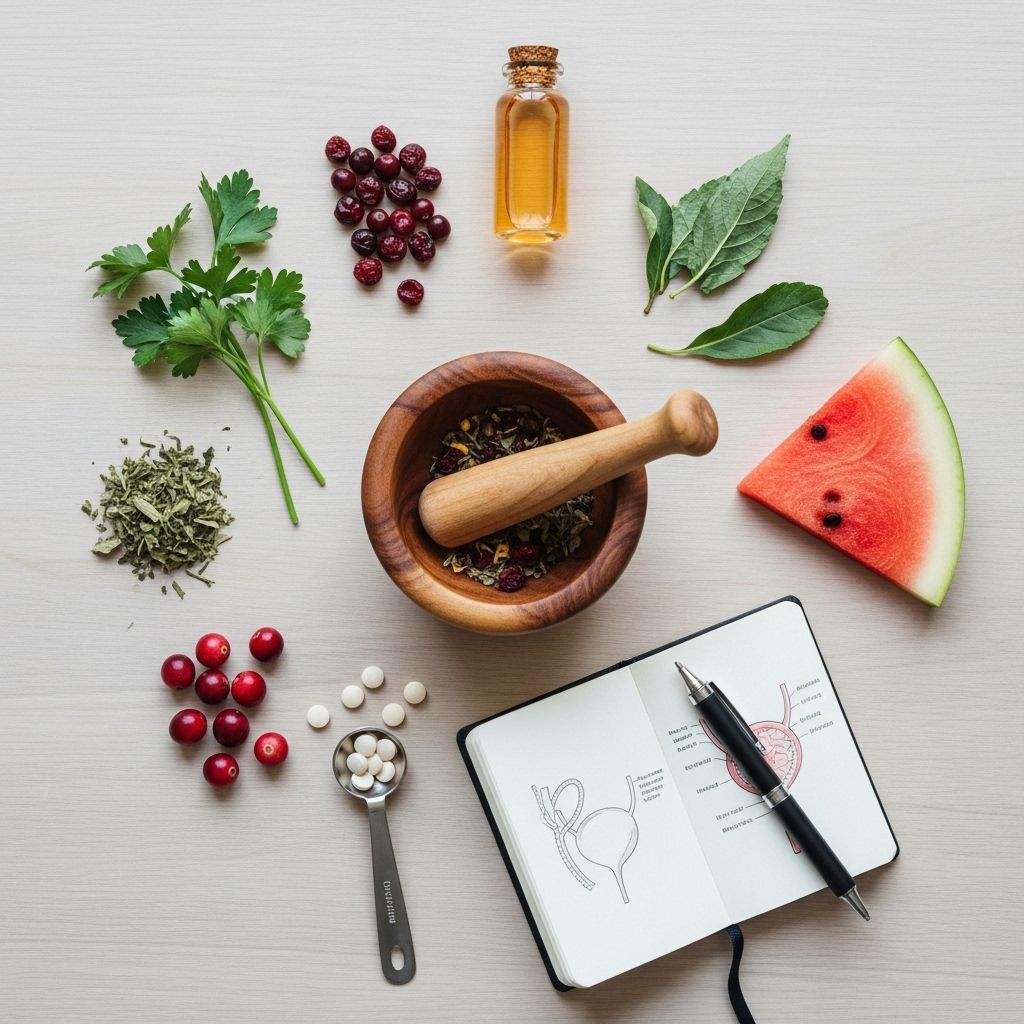
Overactive bladder (OAB) is a chronic condition marked by sudden, frequent urges to urinate, which can lead to interruption of daily activities and, in some cases, episodes of incontinence. While conventional treatments such as medications and behavioral therapy are common, many individuals seek natural remedies either for added benefit or to minimize potential side effects. This comprehensive guide explores the efficacy of various natural approaches—including herbs, supplements, dietary adjustments, and lifestyle changes—to help manage OAB and improve quality of life.
Understanding Overactive Bladder
OAB is characterized by sudden bladder muscle contractions, which prompt an urgent need to urinate, often with little warning. Common symptoms include:
- Frequent urination (eight or more times in 24 hours)
- Urgency to urinate
- Nocturia (waking up at night to urinate)
- Urge incontinence (loss of urine following a strong urge to urinate)
The prevalence of OAB increases with age, but it can affect people of all ages and genders. It is not a normal part of aging and should not be ignored.
Why Seek Natural Remedies for OAB?
Although prescription medications and surgical interventions are available to manage OAB, they can sometimes cause unwanted side effects such as dry mouth, constipation, and blurred vision. Natural remedies—including herbal treatments, dietary strategies, and lifestyle adjustments—may complement conventional approaches or offer relief for those seeking alternative options.
Effective Herbal Remedies for Overactive Bladder
Numerous herbs have been traditionally used for urinary health and are gaining scientific attention for their potential role in OAB management. Always consult your healthcare provider before starting any supplement, especially if you are taking medications, as interactions and side effects are possible.
Gosha-jinki-gan (GJG)
Gosha-jinki-gan is a Japanese blend of ten traditional herbs. Research indicates that GJG may help reduce urinary frequency, urgency, and nighttime urination by inhibiting bladder contractions and improving bladder capacity.1
- May show best results with daily supplementation under medical guidance
- Particularly useful in men experiencing lower urinary tract symptoms
Pumpkin Seed Extract
Pumpkin seed extract is renowned for promoting pelvic floor health and may help strengthen the muscles involved in bladder control.2,6,8
- Research suggests benefits for nocturia and daytime urgency
- Rich in antioxidants and healthy fats, easily incorporated into diet
Ganoderma lucidum (Reishi Mushroom)
Ganoderma lucidum, or Reishi mushroom, is celebrated for anti-inflammatory and immune-supportive properties. Initial studies show it may improve symptoms related to bladder function, especially in men.1,6,8
Capsaicin
Capsaicin, the compound that gives chili peppers their spiciness, has been explored for its desensitizing effect on bladder nerves, which can help lower urinary urgency and frequency.1,6,8
- Clinical data suggests increased bladder capacity and reduced urgency
- May also aid in symptoms of pelvic pain syndrome, often comorbid with OAB
Corn Silk (Zea mays)
Corn silk is a traditional remedy widely used for soothing the urinary tract and reducing irritation. It may help support mucous membrane repair and reduce incontinence episodes.
Other Herbal and Nutritional Supplements
- Magnesium Hydroxide: May help relax bladder muscles and reduce spasms. Magnesium-rich foods such as leafy greens, nuts, and seeds can also support bladder health.2,8
- Saw Palmetto: Commonly used for prostate enlargement in men, saw palmetto may also improve bladder control symptoms due to its anti-inflammatory properties.2
- Vitamin D: Low vitamin D levels have been associated with increased risk of OAB and pelvic floor disorders. Supplementing may reduce urine leakage, especially in older adults.
Safety Considerations
Herbal remedies and supplements are not strictly regulated. Always choose reputable suppliers, opt for products with clear labeling, and discuss options with a healthcare provider to prevent interactions and side effects.
Dietary Strategies for Overactive Bladder
Diet plays a significant role in managing OAB. Certain foods and beverages can irritate the bladder, increasing urgency and frequency. Identifying and minimizing these triggers can substantially reduce symptoms.
Bladder Irritants To Avoid
- Caffeine: Coffee, tea, soda, and energy drinks stimulate the bladder and increase urge
- Alcohol: Both an irritant and a diuretic, leading to increased urine output
- Artificial sweeteners: Common in diet sodas and sugar-free products
- Citrus fruits and juices: Highly acidic, may aggravate the lining of the bladder
- Tomatoes and products: Tomato-based sauces, soups, and condiments
- Spicy foods: Hot peppers, salsas, and spicy dishes
- Chocolate: Contains caffeine and other bladder-stimulating compounds
- Other potential triggers: Cranberry juice, carbonated beverages, vinegar, corn syrup, dairy (for some), sugar, honey
How to Identify Personal Triggers
- Keep a food and symptom diary to identify individual bladder irritants
- Eliminate suspected foods or drinks for two weeks, then reintroduce one at a time to assess reactions
Foods That May Benefit Bladder Health
- Magnesium-rich foods: pumpkin seeds, bananas, kale, cashews
- Fiber-rich fruits and vegetables to prevent constipation (which can worsen OAB)
- Lean proteins and whole grains to support overall health
Lifestyle Changes to Manage OAB Symptoms
Alongside herbs and dietary interventions, specific behavioral changes and healthy habits significantly influence OAB control and symptom reduction.
Quit Smoking
- Smoking irritates the bladder and can worsen OAB symptoms
- Coughing fits from smoking increase the risk of stress incontinence
- Quitting smoking brings overall and urinary health benefits
Monitor Medications
- Certain medications—such as diuretics, antihistamines, muscle relaxants, sedatives, narcotics, and alpha-adrenergic antagonists—can worsen OAB
- Consult your healthcare provider before stopping or changing any medications
Bladder Training and Behavioral Techniques
- Gradually increase time between urinations to train the bladder to hold more urine
- Schedule bathroom visits—even if you don’t feel the urge—to reduce accidents
- Practice double voiding (waiting a few minutes after urinating, then trying again) to help empty the bladder completely
Pelvic Floor Exercises (Kegels)
Strengthening the pelvic floor muscles supports bladder control and reduces OAB symptoms. Kegel exercises involve contracting and relaxing these muscles regularly to improve their function.
Hydration: Drinking the Right Amount
- Do not restrict fluids excessively; this can concentrate urine and worsen irritation
- Aim for steady, moderate fluid intake throughout the day
- Avoid drinking large amounts right before bed to reduce nocturia
Manage Stress and Weight
- Chronic stress can exacerbate bladder symptoms—practice deep breathing, meditation, or yoga
- Excess weight increases pelvic pressure and can worsen urinary incontinence; gradual weight loss often improves symptoms
Table: Comparison of Natural Remedies for Overactive Bladder
| Remedy | Potential Benefits | Key Considerations |
|---|---|---|
| Gosha-jinki-gan | Reduces frequency, urgency, and nighttime urination; increases bladder capacity | Best used under professional supervision |
| Pumpkin seed extract | Supports muscle control and pelvic floor health | May be added to diet or taken as supplement |
| Ganoderma lucidum | Improves urinary tract function, anti-inflammatory benefits | More evidence needed; may interact with other medications |
| Capsaicin | Desensitizes bladder nerves, increases bladder capacity | Best used in clinical guidance; may cause burning sensations in some |
| Magnesium | Relaxes bladder muscles, reduces spasms | Dietary foods preferred; supplements only under guidance |
| Saw Palmetto | Reduces urinary symptoms, especially in men | Primarily used for prostate health; consult healthcare provider |
| Vitamin D | May reduce incontinence, supports pelvic floor | Best used if levels are low; sunlight and diet are natural sources |
Practical Tips for Using Natural Remedies for OAB
- Consult your doctor before starting any new supplement or drastic diet change—especially if you are pregnant, breastfeeding, or have chronic health issues
- Begin with small doses, monitor your body’s response, and watch for side effects
- Give new remedies adequate time to take effect before evaluating their benefit
- Only use supplements from reputable sources with clear dosing instructions
- Combine natural remedies with other healthy lifestyle habits for best results
Frequently Asked Questions (FAQs)
Q: What is the most effective natural remedy for overactive bladder?
A: While there is no single cure, some find success with a combination of pumpkin seed extract, Gosha-jinki-gan, and dietary changes such as avoiding bladder irritants. Consulting with a physician is essential before starting any herbal regimen.
Q: Is it safe to use herbal supplements for OAB?
A: Most herbal remedies are safe when used appropriately, but they may interact with medications or pose risks for people with certain health conditions. Always discuss supplements with your healthcare provider.
Q: Can diet alone help control OAB symptoms?
A: Adjusting the diet—especially by eliminating known bladder irritants—can provide significant symptom relief for some individuals. However, the effectiveness varies and is best combined with other approaches.
Q: Are lifestyle changes such as exercise or stress reduction helpful?
A: Yes. Regular pelvic floor exercises, stress management, and healthy hydration habits often reduce urgency and episodes of incontinence.
Q: How long does it take to notice improvement with natural remedies?
A: Results may vary. Some people experience improvement within a few weeks, while others may need a few months. Consistency and professional guidance are important for long-term benefits.
When to See a Doctor
If natural remedies and lifestyle adjustments do not improve OAB symptoms after several weeks, or if you experience blood in the urine, pain, or signs of infection, consult a healthcare professional promptly. OAB can sometimes indicate underlying health concerns that require medical care.
Disclaimer: This article is for informational purposes only and does not constitute medical advice. Always consult a qualified healthcare provider regarding diet, lifestyle changes, or the use of supplements for overactive bladder management.
Similar Articles





Read full bio of medha deb