7 Natural Remedies for Ulcerative Colitis: Evidence, Diet, and Lifestyle
Explore science-backed natural therapies, dietary strategies, and lifestyle adjustments for managing ulcerative colitis symptoms and supporting remission.
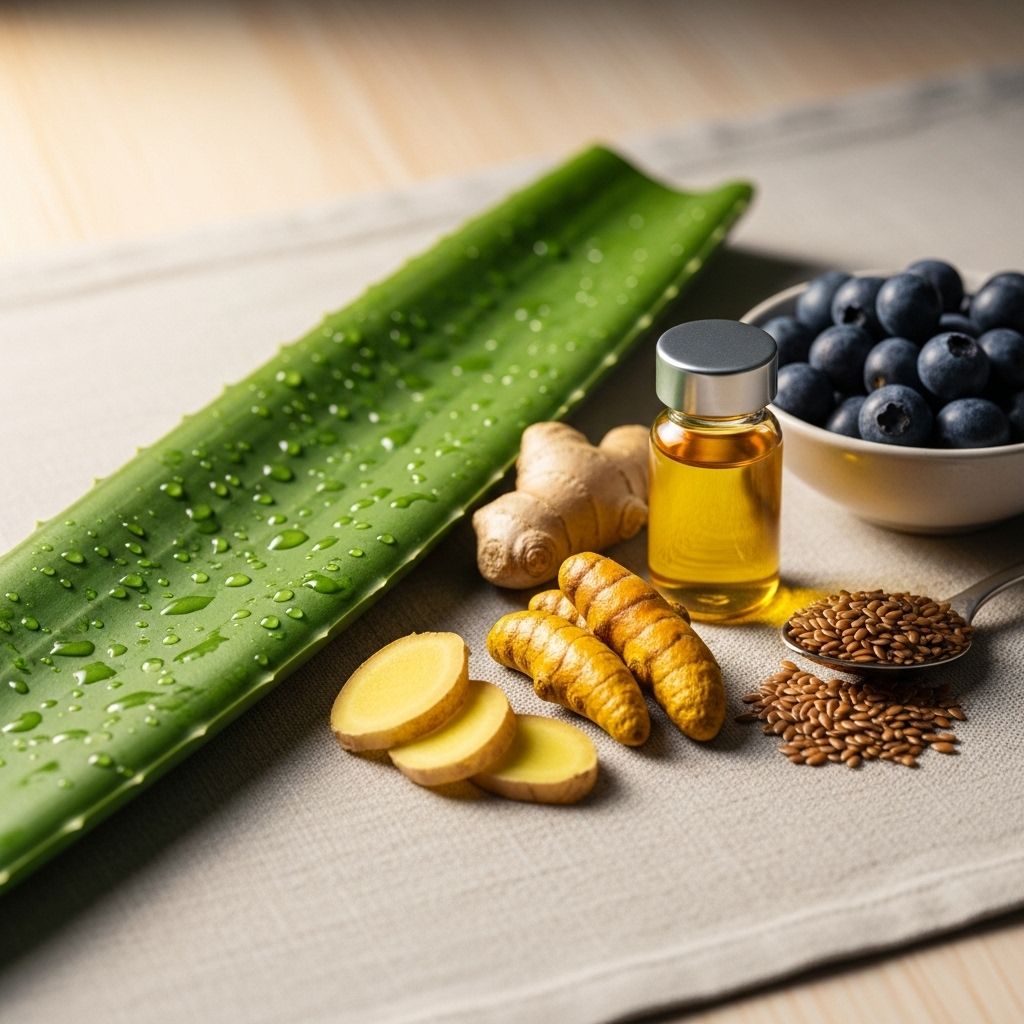
7 Natural Remedies for Ulcerative Colitis: Evidence-Based Options for Managing Symptoms
Ulcerative colitis (UC) is a chronic inflammatory bowel disease (IBD) characterized by inflammation and ulceration of the colon’s inner lining. While conventional medical therapies are the mainstay for treating UC, increasing attention has turned to natural remedies and complementary strategies that may assist in symptom management, support remission, and improve quality of life. This guide explores seven widely discussed natural approaches—highlighting current scientific evidence, safe practices, and key considerations for integrating these therapies alongside standard medical care.
Understanding Ulcerative Colitis and the Role of Natural Approaches
Typical symptoms of UC include abdominal pain, diarrhea (often with blood or mucus), urgency, fatigue, and weight loss. Periods of symptom flare-ups alternate with periods of remission. The goals of treatment are reducing inflammation, maintaining remission, and improving daily comfort. While medication is foundational, some individuals find that lifestyle changes, diet, and natural therapies help manage the disease more effectively. However, consult a healthcare provider before trying supplements, herbal therapies, or significant dietary changes, as these may interact with medications or may not be suitable for all patients.
1. Dietary Management: Foundation of Natural Symptom Control
Diet plays a critical role in both triggering and relieving UC symptoms. Individual responses to foods vary, but several dietary strategies are supported by research:
- Avoid Common Triggers: Many people with UC report symptom improvement when reducing or eliminating:
- Whole grains and high-fiber foods during flare-ups
- Nuts, legumes, and seeds
- Lactose (dairy products)
- Gluten
- Raw or unpeeled fruits and vegetables
- Cruciferous vegetables (e.g., broccoli, cauliflower, cabbage)
- Added sugars, ultra-processed, fried, or fatty foods
- Soda, alcohol, and sugar-sweetened drinks
- Recommended Diets:
- Mediterranean Diet: Emphasizes fruits, vegetables, whole grains, lean protein, healthy fats.
- Vegetarian/Vegan Diets: May support gut health for some, but need careful planning to avoid nutrient deficiencies.
- Low FODMAP Diet: Designed to limit fermentable carbohydrates that often trigger bloating and diarrhea.
- Paleo/Low-Fat Diets: Have anecdotal and preliminary research support; individual tolerance is key.
- Fiber Intake: During flares, a temporary low-fiber (low residue) diet may ease symptoms. Fiber should be reintroduced gradually during remission to promote gut health.
- Hydration: Adequate fluid intake is essential to replace losses from diarrhea and help prevent dehydration.
Tip: Consulting with a registered dietitian familiar with IBD can help you identify trigger foods and build a balanced, personalized eating plan.
Always avoid drastic dietary restrictions without professional advice, as malnutrition is a risk.
2. Probiotics: Restoring Gut Microbial Balance
Research suggests the intestinal microbiome influences both the onset and course of ulcerative colitis. Probiotics—live beneficial bacteria—may support the restoration of normal gut flora and play a role in maintaining remission or reducing symptoms.
- Common Strains Studied in UC: Multistrain mixtures (e.g., VSL#3) containing Bifidobacterium, Lactobacillus, and Streptococcus thermophilus have shown benefit in mild to moderate UC when used alongside conventional therapy.
- Probiotic Foods: In addition to supplements, try incorporating fermented foods into your diet, such as:
- Yogurt (with active cultures)
- Kefir
- Sauerkraut
- Kimchi
- Miso
- Kombucha
- Scientific Evidence: Moderate-quality studies show probiotics may help maintain remission and decrease symptoms, especially in cases where conventional medication is also used.
Note: Not all probiotics are created equal. Strain and dosage matter, and some products lack quality control. Speak with your gastroenterologist before starting a probiotic regimen.
3. Herbal Remedies: Traditional Plants with Modern Backing
Several herbal medicines offer potential anti-inflammatory and mucosal healing properties suitable for UC management, though more research is needed for robust conclusions:
- Aloe Vera: Studies report that oral aloe vera gel may reduce colonic inflammation and support remission in some patients. Ensure you use only products designated for internal use and avoid whole-leaf aloe, which can be harmful.
- Slippery Elm (Ulmus fulva): Forms a gel-like substance that may soothe and protect the digestive tract lining. Often taken as a powder mixed in water.
- Marshmallow Root: Similar mucilaginous effects as slippery elm, thought to calm irritation and support the gut barrier.
- Licorice Root (DGL): Deglycyrrhizinated licorice root is used in gut-healing protocols to protect and heal mucosa. Glycyrrhizin should be removed to avoid side effects.
- Boswellia Serrata: Contains boswellic acids, which possess anti-inflammatory activity; some trials indicate a reduction in symptoms and maintenance of remission.
- Curcumin: The active component in turmeric. Multiple meta-analyses suggest curcumin may help maintain remission and reduce mucosal inflammation. Usually taken as a standardized supplement.
- Wheatgrass Juice: May reduce disease severity and has antioxidant properties. Start with small amounts due to taste and potential for nausea in sensitive individuals.
Herbal Safety: Herbs are potent, and some may interact with prescription drugs or cause side effects (e.g., blood pressure elevation, liver stress). Always discuss herbal options with your health provider and source herbs from trusted suppliers. Dosage, timing, and quality are crucial for safety and effectiveness.
4. Stress Management and Mind-Body Approaches
Emotional stress does not directly cause UC, but stress can worsen symptoms and trigger flares for many people. Mind-body techniques may indirectly ease disease activity and improve quality of life:
- Mindfulness Meditation: Regular mindfulness practices, such as guided meditation or mindful breathing, can help reduce stress perception, lower anxiety, and support emotional well-being.
- Yoga and Tai Chi: Gentle movement practices combine physical activity with stress relief, helping calm the nervous system and increase body awareness.
- Deep Breathing and Relaxation Training: Techniques such as progressive muscle relaxation or paced breathing may help manage acute stress and reduce abdominal discomfort.
- Counseling: Support from mental health professionals and peer support groups can be extremely valuable, especially in coping with the emotional impact of a chronic disease.
Lifestyle Tip: Schedule regular, brief breaks for relaxation or movement throughout your day to buffer the effects of ongoing stress.
5. Regular Exercise for Gut and General Health
Engaging in regular physical activity benefits people with UC by supporting immune balance, cardiovascular health, and mental well-being:
- Choose gentle, low-impact activities during flares, such as walking, swimming, cycling, or stretching.
- Gradually increase your activity as symptoms improve.
- Consistency is key; even 20–30 minutes on most days can be beneficial.
- Regular exercise may help reduce inflammation markers and build resilience against stress-related flares.
6. Acupuncture: Exploring Integrative Modalities
Acupuncture, a traditional Chinese medical technique involving the insertion of fine needles into specific points on the body, is sometimes explored for UC relief:
- Clinical trials offer mixed evidence. Some people report improvements in pain and overall well-being, while controlled studies show varied results.
- Acupuncture may be considered as a complementary therapy for people interested in integrative care, provided it is delivered by a qualified practitioner.
Note: Acupuncture should never replace conventional medical treatment for UC. Discuss options with your gastroenterologist and ensure clear communication between your healthcare team and complementary medicine providers.
7. Nutritional Supplementation and Addressing Deficiencies
Ulcerative colitis can lead to deficiencies in important nutrients due to malabsorption, increased losses, or restricted diets:
- Common Deficiencies: Iron, vitamin D, vitamin B12, folate, zinc, magnesium, and calcium.
- Monitoring: Routine lab testing helps detect and address low levels early.
- Supplement Advice: Only add supplements after confirming a deficiency and under professional guidance, as excess supplementation can be harmful.
In some cases, omega-3 fatty acids (from fish oil or flaxseed oil) may offer mild anti-inflammatory benefit, though research is inconclusive. Vitamin D, in particular, plays a role in immune moderation and bone health, making it a priority for ongoing monitoring in IBD management.
Table: Summary of Natural Remedies for Ulcerative Colitis
| Remedy | Potential Benefits | Notes |
|---|---|---|
| Dietary Modifications | Reduces symptom triggers, supports remission, aids recovery | Personalized approach necessary; avoid malnutrition risk |
| Probiotics | Restore healthy gut flora, reduce flares | Choose proven multi-strain products; consult your physician |
| Herbal Therapies | Anti-inflammatory, mucosal healing, symptom reduction | Discuss with health provider, ensure product quality |
| Stress Management | Reduce risk of flare-ups, support mental well-being | Combine with counseling or mindfulness practices |
| Exercise | Support immunity, overall health, mental resilience | Adapt intensity to disease phase and symptoms |
| Acupuncture | May offer symptom relief and relaxation | Inconclusive evidence; complementary only |
| Nutritional Supplements | Correct deficiencies, support immune and bone health | Test for deficiencies; guided supplementation only |
Practical Tips for Living Well with Ulcerative Colitis
- Work with your healthcare team to develop a holistic management plan.
- Keep a food and symptom diary to identify personal triggers and tolerances.
- Establish routines for stress reduction, consistent meals, and rest.
- Pursue supportive therapies—peer support groups, counseling, or mind-body programs—as part of your ongoing care.
- Be proactive about regular check-ups and laboratory monitoring for nutritional status and disease activity.
Frequently Asked Questions (FAQs)
Q: Can natural remedies cure ulcerative colitis?
A: No. While natural remedies may help manage symptoms and support remission, they cannot cure ulcerative colitis. All natural treatments should complement—not replace—conventional medical therapy.
Q: Are all herbal supplements safe for ulcerative colitis?
A: No. Some herbs may interact with medications or cause adverse effects. Always consult your doctor and use only high-quality, evidence-based products.
Q: What foods should I absolutely avoid during a flare?
A: Most experts recommend limiting high-fiber foods, raw vegetables, spicy foods, dairy (if lactose intolerant), and processed items during a flare. Personal triggers can vary; keep a diary and work with a dietitian.
Q: How do probiotics help ulcerative colitis?
A: Probiotics help restore healthy gut bacteria, which can support intestinal barrier function and reduce symptoms. Specific strains have been studied for their effectiveness; discuss best options with your doctor.
Q: Should I take a multivitamin if I have UC?
A: Consult your physician first. Some people benefit from multivitamins to fill dietary gaps, but targeted supplements for deficiencies (e.g., iron, vitamin D) are better monitored and prescribed following lab results.
Q: Can stress alone trigger an ulcerative colitis flare?
A: Stress does not cause UC, but it is a recognized trigger for symptom flares in many people. Managing stress with mind-body techniques may help reduce the risk or severity of relapses.
Q: How important is regular doctor follow-up if I’m using natural remedies?
A: It is essential. Regular follow-up ensures that your disease is monitored, complications are prevented, and natural therapies do not interfere with medical treatment.
Key Takeaways
- Natural remedies and lifestyle changes can support conventional ulcerative colitis treatment but should always be integrated under medical supervision.
- Effective UC management combines diet, probiotics, select herbal therapies, stress reduction, exercise, and attention to nutritional deficiencies.
- Personalized care, careful monitoring, and open communication with your health team are essential for living well with UC.
Similar Articles








Read full bio of medha deb