14 Effective Natural Remedies for Urinary Tract Infections
Discover how lifestyle changes, diet, and herbal support can help manage urinary tract infections naturally.
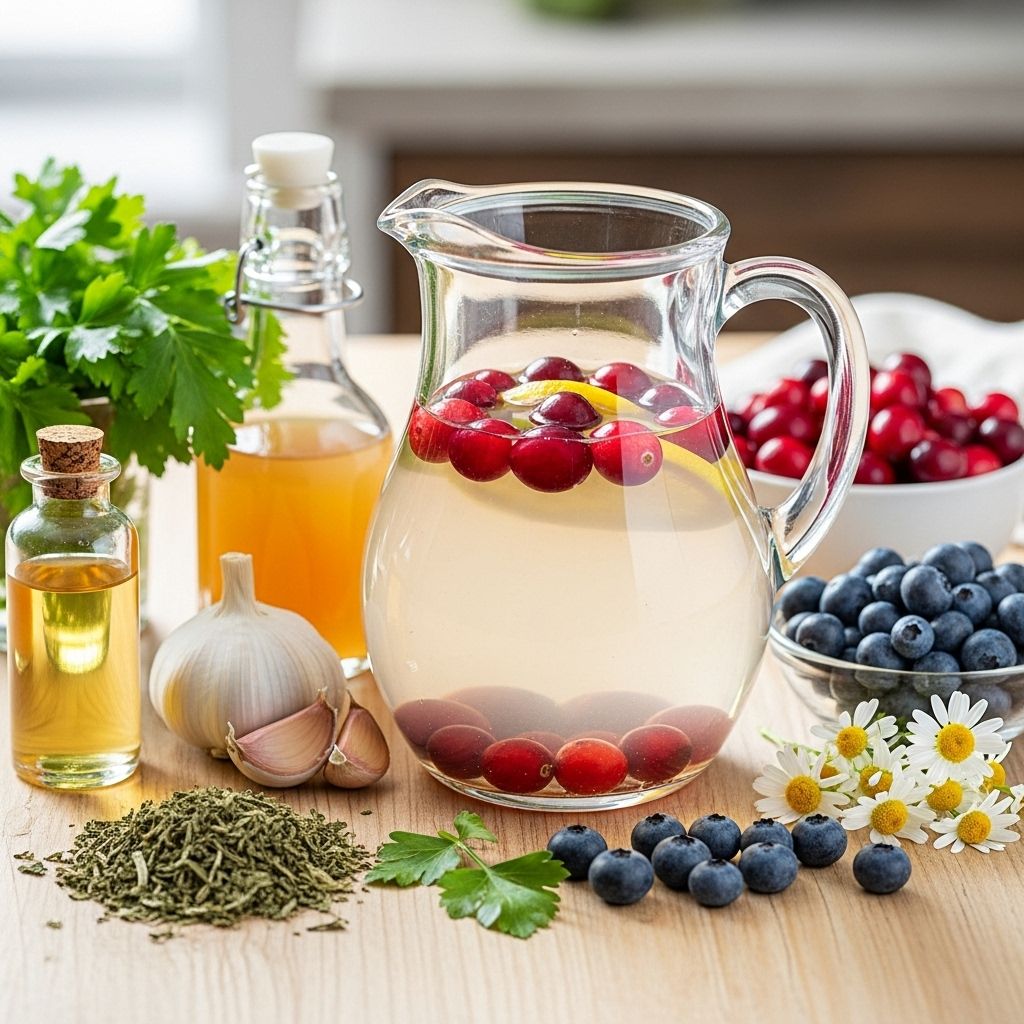
Urinary tract infections (UTIs) are among the most common bacterial infections affecting millions worldwide every year, especially women. While antibiotics remain the primary mode of treatment, frequent use can lead to resistance, side effects, and recurrence. This has driven interest in natural alternatives and supportive strategies that may help manage symptoms, prevent infections, and promote urinary health. Below are 14 evidence-informed natural remedies that may help reduce the risk and discomfort of UTIs.
Understanding UTIs
A UTI occurs when bacteria, most commonly Escherichia coli (E. coli), enter the urinary tract and multiply in the bladder, urethra, or kidneys. Symptoms include burning during urination, frequent urges to urinate, cloudy urine, and pelvic pain. While antibiotics are important for treating infections, lifestyle and dietary approaches can be effective in prevention and symptom relief.
1. Drink Plenty of Water
Hydration is the foundation of urinary tract health. Drinking ample water dilutes your urine, increases urination frequency, and flushes bacteria from the urinary system before they can settle and multiply.
- Aim for at least 8 glasses of water a day, increasing intake if you are physically active or living in a hot climate.
- Proper hydration can reduce mineral concentrations in urine, making the bladder environment less hospitable to bacteria.
- Frequent urination helps clear potential pathogens from the urinary tract.
2. Unsweetened Cranberry Juice and Supplements
Cranberries contain proanthocyanidins, plant compounds believed to prevent bacteria, such as E. coli, from sticking to the walls of the urinary tract. While the evidence for treating active UTIs isn’t robust, regular cranberry juice or supplement intake may help reduce recurrence in some individuals.
- Choose unsweetened cranberry juice, as added sugars can worsen symptoms and encourage bacterial growth.
- Cranberry extract capsules provide a concentrated dose without the tart taste or added calories.
- Not all studies support cranberry’s efficacy; benefits appear most notable for prevention, not acute treatment.
3. D-Mannose
D-mannose is a type of sugar related to glucose. It is thought to help by binding to E. coli bacteria and stopping them from adhering to the urinary tract lining, allowing for easier elimination with urine.
- Available as a supplement powder or capsule, often taken with water.
- Early studies and anecdotal evidence suggest it may reduce UTI recurrence rates.
- Side effects are rare but can include bloating and diarrhea with very high doses.
4. Probiotics
Probiotics are beneficial microorganisms that support healthy balance in the digestive and urogenital tracts. Lactobacillus and Bifidobacterium strains are especially notable for urinary health.
- Restoring natural flora may reduce harmful bacteria growth in the urethra and lower urinary tract.
- Probiotic-rich foods include yogurt, kefir, sauerkraut, and kimchi.
- Supplements offer targeted bacterial strains and higher potency for at-risk individuals.
5. Vitamin C
Vitamin C (ascorbic acid) is an antioxidant that can increase urine acidity, creating an inhospitable environment for some bacteria.
- Vitamin C also participates in immune defense, helping curb infections.
- Include citrus fruits, berries, bell peppers, and leafy greens in your diet.
- Supplements may be appropriate for those with low dietary intake, but consult a healthcare provider to avoid excess.
6. Warm Compress
Applying a warm compress or heating pad over the lower abdomen may bring considerable relief from UTI-related pain or cramps by improving local blood flow and relaxing the underlying muscles.
- Use a warm (not hot) pad for 15–20 minutes at a time to soothe discomfort.
- Avoid placing a hot pad directly on the skin to prevent burns.
7. Garlic
Garlic contains allicin, a compound with broad-spectrum antimicrobial activity. Laboratory studies show that garlic extract can inhibit the growth of common UTI-causing organisms, including antibiotic-resistant strains.
- Add raw or cooked garlic to meals regularly for potential benefit.
- Garlic extracts and supplements are widely available, but consult a healthcare provider regarding appropriate dosing.
8. Herbal Teas and Extracts
Certain herbs and herbal teas are traditionally used to help flush out bacteria and reduce inflammation:
- Parsley tea: Has mild diuretic properties that may help clear bacteria by increasing urine flow.
- Chamomile tea: Contains anti-inflammatory and antibacterial compounds that may reduce discomfort and support healing.
- Peppermint/mint tea: Some studies suggest antibacterial effects against E. coli. Provides soothing relief, though human studies are limited.
- Bearberry (Uva ursi): Used traditionally to fight UTIs for its purported antibacterial and anti-inflammatory properties. Use with healthcare supervision due to potential side effects.
9. Baking Soda
Baking soda (sodium bicarbonate) can neutralize urine acidity, possibly reducing burning sensations during urination. However, frequent or excessive use may disturb the body’s acid-base balance and is not suitable for everyone.
- If using, dissolve one teaspoon of baking soda in a glass of water and drink.
- Do not rely on this for recurring symptoms or as a replacement for medical care.
- Discuss with your doctor prior to use.
10. Apple Cider Vinegar
Apple cider vinegar is believed by some to have antibacterial and alkalizing properties, though scientific support is limited. It is most often recommended as a preventative tonic rather than a treatment for active infection.
- Some drink a mix of one to two teaspoons in a glass of water.
- Never consume undiluted, as it can be harsh on tooth enamel and the digestive tract.
11. Diet Modifications
Certain dietary changes may help reduce bladder irritation and support the healing process:
- Increase intake of fruits, vegetables, and whole grains to boost immunity and reduce inflammation.
- Avoid spicy foods, caffeine, alcohol, and artificial sweeteners, which can exacerbate bladder symptoms in sensitive individuals.
12. Personal Hygiene Practices
Good hygiene habits are essential for UTI prevention. Although natural, these habits can greatly reduce the chance of introducing bacteria to the urinary tract.
- Wipe front to back after bowel movements and urination.
- Urinate soon after sexual activity to flush out any introduced bacteria.
- Avoid harsh soaps, feminine sprays, and douches that can disrupt the protective flora of the vagina and urinary tract.
- Opt for breathable cotton underwear and avoid tight-fitting bottoms to reduce moisture and bacterial growth.
13. Don’t “Hold It”
Holding urine for prolonged periods allows bacteria in the bladder more opportunity to multiply, increasing the risk of infection.
- Urinating regularly—whenever you feel the urge—helps minimize bacterial growth and flush the urinary tract.
14. Consider Alternative and Complementary Approaches
Some additional strategies and remedies are sometimes recommended for recurrent UTIs, pending further research and with medical guidance:
- Vaginal probiotics or estrogen: For postmenopausal women or those with frequent UTIs, topical estrogen or vaginal probiotics may restore urinary and vaginal flora balance.
- Herbs like horseradish and nasturtium: Sometimes used in Europe as combination supplements for urinary tract health.
- Always consult your healthcare provider before starting new supplements or herbal treatments, especially if you are pregnant, breastfeeding, or managing other health conditions.
Natural Remedies Versus Conventional Treatment
While many of the above natural remedies are helpful for prevention and symptom relief, they are not a substitute for antibiotics when an infection is established, especially in cases with fever, severe pain, or kidney involvement. Prompt medical attention remains essential for acute UTIs to prevent complications.
Summary Table: Common Natural Remedies for UTI Management
| Remedy | Potential Benefit | Supporting Evidence | Cautions |
|---|---|---|---|
| Water | Dilutes urine, flushes bacteria | Widely supported | None |
| Cranberry | May prevent bacterial adhesion | Mixed | Not for those on warfarin |
| D-Mannose | Blocks E. coli binding | Some promising studies | Rare gastrointestinal issues |
| Probiotics | Restores healthy flora | Support for prevention | Check with immunocompromised patients |
| Herbal teas | Anti-inflammatory/antibacterial | Traditional use, limited studies | Possible allergies |
| Baking soda | Reduces urine acidity | Minimal evidence | Risk of alkalosis if overused |
| Apple cider vinegar | Possible antibacterial effect | Anecdotal | Gastrointestinal irritation |
Frequently Asked Questions (FAQs)
Q: Can natural remedies cure a UTI without antibiotics?
A: Natural remedies can help prevent UTIs and manage mild symptoms, but established infections typically require antibiotics. Delaying medical treatment can result in complications.
Q: Is it safe to drink cranberry juice every day for prevention?
A: For most individuals, unsweetened cranberry juice or supplements are considered safe for regular use but consult your healthcare provider if you take blood-thinners or have a history of kidney stones.
Q: Can probiotics prevent recurring UTIs?
A: Daily probiotic supplements or probiotic-rich foods may reduce recurrence risk in some people by promoting healthy urinary and vaginal flora.
Q: What dietary habits can help reduce UTI risk?
A: Hydrate adequately, limit bladder irritants like caffeine, alcohol, and spicy food, and include plenty of fruits and vegetables in your diet.
Q: When should I seek immediate medical attention for a UTI?
A: Seek immediate help if you experience fever, chills, lower back pain, blood in your urine, or symptoms worsening rapidly, as these may indicate a kidney infection or severe spread.
Final Thoughts
Combining natural remedies with healthy lifestyle practices offers a promising approach to preventing and managing urinary tract infections. Always talk with a healthcare professional before starting new supplements, especially if you have underlying health conditions or frequent infections. Early medical intervention remains essential for acute UTIs.
Similar Articles






Read full bio of medha deb