5 Proven Home Remedies for Migraine Relief
Natural solutions to ease migraine pain and prevent attacks, backed by tradition and science
Understanding Migraines
Migraines are much more than just headaches. According to the World Health Organisation, they rank among the world’s top 20 most disabling medical conditions. Symptoms range from increased sensitivity to light and sound, sharp head pains, and tingling in the arms and legs to more severe effects like blind spots, nausea, and vomiting. Unlike ordinary headaches, migraines can debilitate, leaving sufferers unable to work or carry out daily activities during an attack.
Why Try Home Remedies for Migraines?
While medications are the primary treatment for many migraine sufferers, they aren’t always effective and can come with side effects. More people are exploring home remedies—natural, often ancient approaches to pain relief—to complement or in some cases replace traditional treatments. These remedies can be especially useful when medication isn’t immediately available or when you want to reduce reliance on pharmaceuticals.
Top 5 Home Remedies for Migraine Relief
1. Cold, Dark, and Quiet Environment
Migraine pain is often worsened by light (especially bright or fluorescent) and noise. As soon as symptoms begin, retreat to a dark, quiet room. Close the blinds, reduce noise with comfortable headphones, and place an ice pack or cold cloth on your forehead. The cold helps constrict blood vessels and numb pain, while the darkness and silence reduce sensory overload and help hasten recovery.
- Use blackout curtains or an eye mask to block light.
- Keep an ice pack or cooling gel pad handy.
- Rest in a quiet, comfortable space until symptoms ease.
2. Apple Cider Vinegar Tonic
Apple cider vinegar is a popular cupboard cure for various ailments, including migraines. It’s packed with nutrients, helps regulate blood pressure, and supports detoxification. When you feel a migraine coming on, mix 1–2 tablespoons of apple cider vinegar with a teaspoon of honey in a tall glass of warm water and drink. Add a squeeze of lemon for flavor if desired. This simple tonic may help alleviate symptoms and promote overall well-being.
3. Magnesium-Rich Foods and Supplements
Magnesium plays a crucial role in nerve function, muscle relaxation, and energy production. Low magnesium levels have been linked to migraines. While magnesium won’t stop an attack in progress, maintaining adequate levels may help prevent future episodes.
Good dietary sources of magnesium include:
- Leafy greens (spinach, kale)
- Nuts and seeds (almonds, sunflower seeds)
- Beans, fish, yogurt, and avocados
Magnesium supplements are also widely available, but consult your doctor before starting any new supplement regimen.
4. Herbal Teas and Natural Remedies
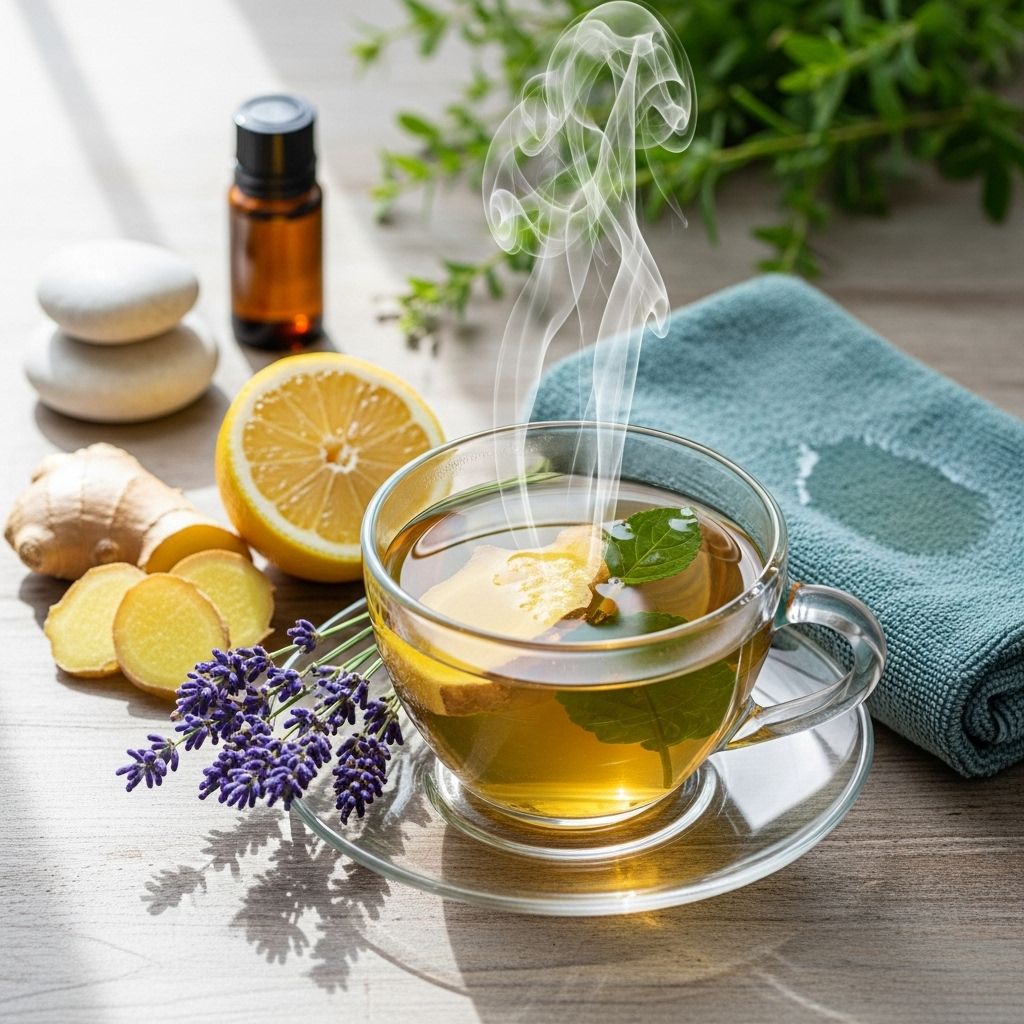
Herbal teas such as peppermint, ginger, and linden (lime blossom) have been used for centuries to relieve headaches and calm nerves. Peppermint tea can be particularly effective for migraine pain; try drinking a cup before bed or applying diluted peppermint essential oil to your temples during an attack. Ginger is known to reduce nausea and inflammation, while linden tea may help relieve tension and sinus headaches.
Cayenne pepper is another surprising migraine remedy—its heat can divert pain away from the head, sometimes increasing the pain threshold. Add a pinch to savory dishes or mix a teaspoon with hot water and lemon.
While these remedies are generally safe, always discuss herbal treatments with your healthcare provider, as some herbs can interact with medications.
| Remedy | Main Benefit | How to Use |
|---|---|---|
| Peppermint | Pain relief, relaxation | Tea, oil on temples |
| Ginger | Reduces nausea, anti-inflammatory | Tea, fresh root, supplements |
| Cayenne | Diverts pain, increases pain threshold | Food seasoning, tonic |
| Linden (Lime) | Calms nerves, relieves tension | Tea, tincture, capsules |
5. Hydration and Lifestyle Adjustments
Dehydration is a common migraine trigger. Keeping well-hydrated by drinking at least eight glasses of water daily can help prevent attacks. Other lifestyle factors, such as managing stress, avoiding known food triggers, and maintaining a regular sleep schedule, are also important for migraine prevention.
- Carry a water bottle and sip throughout the day.
- Identify and avoid personal migraine triggers (common ones include chocolate, caffeine, aged cheese, and processed meats).
- Practice relaxation techniques such as yoga, meditation, or deep breathing.
Additional Natural Migraine Relief Strategies
Beyond the top five remedies, several other approaches may help manage migraine symptoms:
- Acupressure: Applying pressure to specific points, such as the LI-4 point between the thumb and index finger, may help relieve headache pain. Learn proper technique from a professional before trying at home.
- Temperature Therapy: Some sufferers find relief from alternating hot and cold compresses on the head or neck. Experiment to see which works best for you.
- Essential Oils: While scientific evidence is limited, some people find relief from the relaxing scents of lavender or peppermint oil. Note that strong smells can trigger migraines in others, so use with caution.
When to Seek Medical Help
Home remedies can be effective for mild to moderate migraines, but they are not a substitute for professional medical care. Seek immediate medical attention if you experience:
- Sudden, severe headaches unlike any you’ve had before
- Headaches after a head injury
- Headaches accompanied by fever, stiff neck, confusion, seizures, double vision, weakness, numbness, or difficulty speaking
- Migraines that are increasing in frequency or severity
Always consult your healthcare provider before starting or changing any treatment plan, especially if you take prescription medications or have other health conditions.
Frequently Asked Questions (FAQs)
Q: Are home remedies effective for all types of migraines?
A: Home remedies may help relieve symptoms for many people, but effectiveness varies. They are generally best for mild to moderate migraines. Severe or chronic migraines often require medical treatment.
Q: Can I use essential oils for migraine relief?
A: Some people find essential oils like lavender or peppermint helpful for relaxation and pain relief, but there is limited scientific evidence for their direct effect on migraines. Be cautious, as strong smells can trigger attacks in some individuals.
Q: How much water should I drink to prevent migraines?
A: Aim for at least eight glasses (about 2 liters) of water daily, but individual needs vary. Dehydration is a common migraine trigger, so staying well-hydrated is important.
Q: Are there any foods I should avoid to prevent migraines?
A: Common dietary triggers include chocolate, caffeine, alcohol, aged cheeses, processed meats, and foods containing MSG or artificial sweeteners. Keep a food diary to identify your personal triggers.
Q: Is it safe to use herbal remedies with prescription medications?
A: Some herbs can interact with medications. Always consult your healthcare provider before combining herbal remedies with prescription drugs.
Conclusion
Migraines are complex and can significantly impact quality of life. While medications remain a mainstay of treatment, home remedies—such as creating a calm environment, using apple cider vinegar, incorporating magnesium-rich foods, sipping herbal teas, and staying hydrated—can offer significant relief and prevention for many sufferers. These natural approaches are generally safe, cost-effective, and easy to incorporate into daily life. However, always involve your healthcare provider in your migraine management plan, especially if symptoms are severe or worsening.
Exploring and combining these remedies may help you regain control and reduce the frequency and intensity of migraine attacks, empowering you to live a fuller, more comfortable life.
Similar Articles








Read full bio of Sneha Tete