17 Proven Home Remedies to Relieve Shin Splints Naturally
Discover safe, science-backed remedies to ease shin splints pain, accelerate healing, and prevent recurrence—right from home.
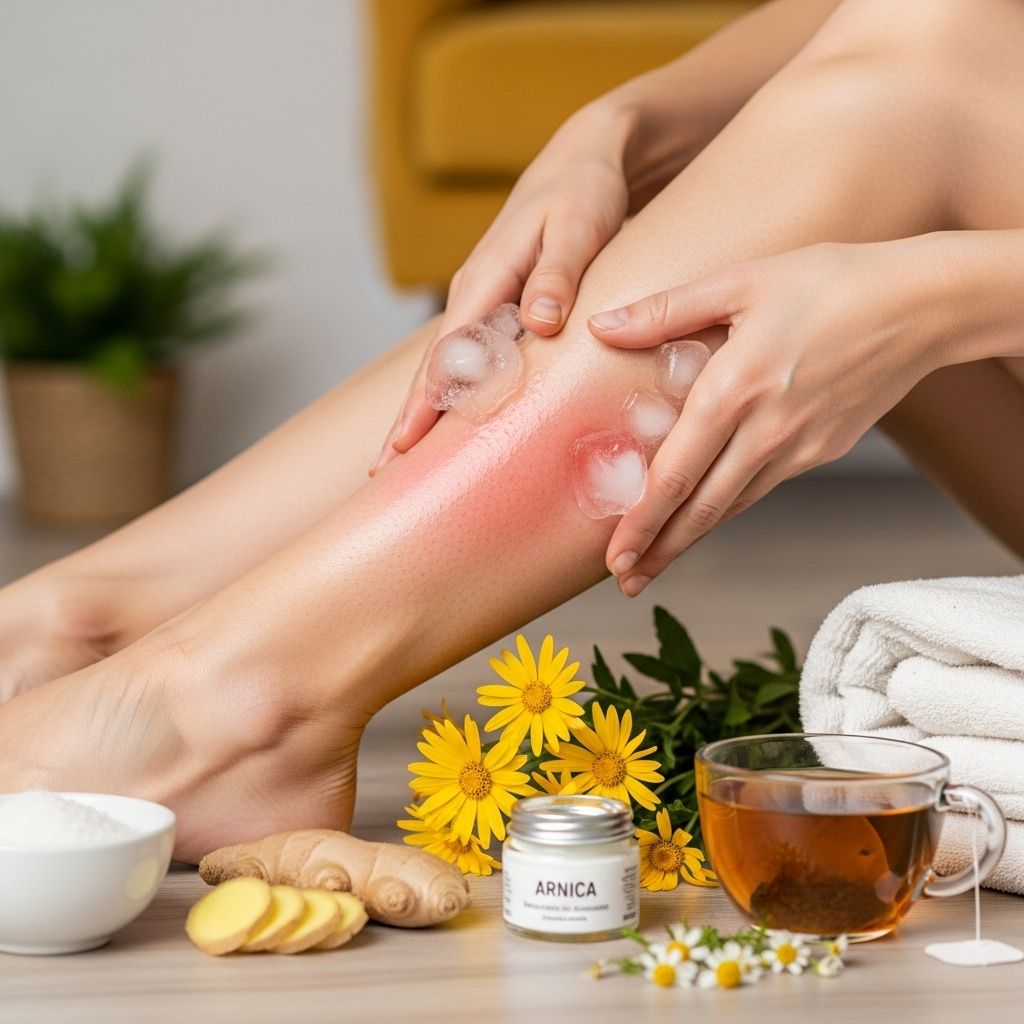
Shin splints—medically known as medial tibial stress syndrome—are a common overuse injury, especially among runners, athletes, and fitness enthusiasts. Characterized by pain along the inner edge of the shinbone (tibia), shin splints can significantly hamper daily activity and exercise routines. Fortunately, adopting effective home treatments and preventive measures can provide substantial relief and help avoid chronic recurrence.
Table of Contents
- Causes and Risk Factors
- Symptoms of Shin Splints
- 17 Effective Home Remedies for Shin Splints
- Preventive Measures
- Frequently Asked Questions
What Causes Shin Splints?
Shin splints typically develop when the muscles, tendons, and bone tissue around the tibia are overworked by repetitive activity. Common causes and contributing factors include:
- Sudden increase in activity intensity or duration (such as ramping up mileage too quickly in running).
- Improper or worn-out footwear that doesn’t offer proper support or cushioning.
- Tight calf muscles or Achilles tendons compromising lower limb biomechanics.
- Flat feet or high arches leading to altered weight distribution and stress.
- Running on hard or uneven surfaces, which increases impact on shins.
- Participating in activities with frequent stops and starts (e.g., basketball, soccer, dancing).
Symptoms of Shin Splints
- Aching pain or tenderness along the inner or outer side of the shinbone.
- Localized mild swelling at the lower leg.
- Pain that increases during or after exercise and alleviates with rest.
- Possible redness or warmth over the affected area in more severe cases.
17 Effective Home Remedies for Shin Splints
Below are target interventions using household and natural products to safely ease shin splint pain and inflammation. Most can be used as complementary therapies, alongside proper rest and activity modification.
1. Hot or Cold Compress
Applying warmth increases blood flow and loosens muscles, while cold compresses reduce inflammation and numb pain. These can be alternated for best effect.
- Apply a hot (heating pad/hot water bottle) or cold (ice pack/gel pack) compress on the affected shin for 15–20 minutes.
- Repeat every four hours for up to five days.
- Tip: Use the R.I.C.E. method—Rest, Ice, Compression, Elevation—for best results.
2. Cherry Juice
Cherries are rich in anthocyanins and antioxidants that naturally fight inflammation.
- Drink a glass of pure, unsweetened cherry juice daily, especially before intense workouts.
3. Turmeric Paste
The active compound curcumin in turmeric is a powerful anti-inflammatory agent. Turmeric paste provides targeted pain relief.
- Mix 1 teaspoon of turmeric powder with a small amount of water to form a thick paste.
- Apply the paste over the shin, cover lightly, and let it sit for 20–30 minutes before rinsing.
- Repeat twice daily.
4. Epsom Salt Soak
Epsom salt contains magnesium, which relaxes tensed muscles and reduces swelling.
- Add 1–2 cups of Epsom salt to a warm bath.
- Soak your legs for 20–25 minutes.
- Use this remedy once daily, after intense activity or when pain is pronounced.
5. Essential Oils Massage
Oils such as peppermint and lavender offer both analgesic and anti-inflammatory benefits.
- Mix a few drops of essential oil with a carrier (coconut or olive oil).
- Massage gently into the affected area for 5–10 minutes.
- Repeat 1–2 times daily.
6. Ginger Compress
Ginger’s anti-inflammatory and warming effects help soothe pain.
- Grate or finely chop fresh ginger and wrap in a thin cloth or gauze.
- Soak in warm water for 2–3 minutes, then place the compress on your shins for 15 minutes.
- Repeat once or twice daily.
7. Pineapple Juice
Pineapple contains bromelain, a natural enzyme that assists in reducing swelling and accelerating healing.
- Consume a glass of fresh pineapple juice once daily.
8. Pickle Juice
Pickle juice has shown efficacy in preventing and reducing muscle cramps, thus directly addressing one cause of shin splints.
- Drink 1/3 cup of pickle juice before or after intense exercise.
- Limit to once per day.
9. Almonds
Soaked almonds are rich in antioxidants and anti-inflammatory compounds that foster tissue repair.
- Soak 8–10 almonds overnight.
- Peel and eat directly or blend with milk each morning.
- Consume 1–2 times per day.
10. Apple Cider Vinegar Drink
Apple cider vinegar is a known anti-inflammatory and can be easily incorporated into your daily hydration system.
- Mix 1 tablespoon apple cider vinegar into a glass of water.
- Add honey for taste if desired and drink once daily.
11. Vitamin D and Calcium via Milk
Milk is a rich source of vitamin D and calcium; both are vital for bone health, muscle function, and inflammation control.
- Drink a glass of milk once or twice daily to support recovery.
12. Stretching and Strengthening Exercises
Regular targeted stretching and bounded strengthening of lower leg muscles relieve muscle tension and improve resilience against recurrent injury. Try:
- Toe raises: Slowly lift your toes off the ground, hold for 3 seconds, and lower. Repeat 10–15 times.
- Calf stretches: Lean against a wall, keep one leg back and the other forward, and stretch your calf muscles for 20–30 seconds per leg. Repeat.
- Achilles tendon stretches: Similar to calf stretch but keep back knee slightly bent.
13. Footwear Correction
Wear shoes that are stable, fit your foot type, and offer ample cushioning. Replace running or athletic shoes every 300–500 miles (480–800 km).
14. Coconut Oil Massage
Coconut oil contains medium-chain fatty acids with both analgesic (pain-relieving) and anti-inflammatory properties.
- Warm a tablespoon of coconut oil and massage gently onto the affected area.
- Repeat 2–3 times daily.
15. Cayenne Pepper Drink
Cayenne pepper contains capsaicin, which naturally blocks pain receptors and curbs inflammation.
- Add 1 teaspoon of cayenne pepper to a glass of warm water; mix well.
- Add honey if preferred for taste, and drink 1–2 times daily.
16. Magnesium-Rich Foods
Foods such as bananas, avocados, and pumpkin seeds are rich in magnesium, a mineral essential for muscle relaxation.
- Incorporate at least one magnesium-rich food daily.
17. Over-the-Counter Creams and Gels
Arnica-based or menthol gels may temporarily relieve inflammation and discomfort when massaged into the skin over sore shins.
- Apply as directed on packaging, ensuring the skin is not broken or sensitive.
Prevention Tips and Lifestyle Modifications
Avoid recurrence by combining remedies with these common-sense prevention strategies:
- Ramp up exercise intensity gradually.
- Perform warm-up and stretching exercises before every workout.
- Cross-train: Alternate between running, swimming, cycling, or low-impact activities.
- Strengthen supporting muscles, especially calves, ankles, and hips.
- Select suitable footwear and replace them regularly.
- Consider using insoles or orthotics for flat feet or abnormal arches.
- Rest at the first sign of pain—do not “push through” shin pain.
- Use soft, even surfaces for running or sports when possible.
Frequently Asked Questions (FAQs)
What are shin splints exactly?
Shin splints refer to pain and tenderness along or just behind the shinbone, especially after intensive activity. The condition is commonly seen in runners, dancers, and active individuals.
Can shin splints heal on their own?
Most mild to moderate cases of shin splints heal with conservative measures such as rest, ice, stretching, and avoiding aggravating activities.
How long does it take for shin splints to fully recover?
Recovery time varies based on severity and compliance with rest and treatment. Mild shin splints may resolve within a week or two, while severe or chronic cases could last several weeks.
When is it important to see a doctor for shin pain?
If pain persists despite home care, is severe enough to interfere with walking, or is accompanied by redness, swelling, or numbness, seek medical attention to rule out stress fractures or compartment syndrome.
Are home remedies effective for everyone?
Most people experience relief from one or more remedies, especially when combined with lifestyle modifications. Diligence and patience are key.
How can I prevent shin splints from recurring?
Follow preventive measures such as wearing proper footwear, gradual training, stretching, and muscle-strengthening exercises as part of your regular routine.
References
- Medical sources and anecdotal evidence, as cited throughout the article, with references to scientific literature on anti-inflammatory foods, muscle health, and exercise injury prevention.
Similar Articles







Read full bio of Sneha Tete