Serious Side Effects of Beetroots: Risks, Precautions, and Who Should Avoid Them
Learn about the lesser-known serious side effects of beetroot consumption, including digestive problems, kidney risks, allergic reactions, and more.
Serious Side Effects of Beetroots: What You Must Know
Beetroot is often celebrated for its nutritional value, vibrant color, and multiple health benefits. However, like many healthy foods, it is not universally safe for everyone. While moderate beetroot intake poses little risk for most people, there are important side effects and health hazards to consider for susceptible groups. This article synthesizes authoritative research and expert guidance on serious side effects of beetroot consumption, covering who should avoid it, the mechanisms behind its risks, and answers to frequently asked questions.
Table of Contents
- Overview: Nutritional Benefits vs. Risks
- Who Should Avoid Beetroot?
- Major Side Effects and Health Risks
- Beeturia and Colored Stools: Benign but Surprising Effects
- Beetroot Allergy and Hypersensitivity
- Digestive Issues: IBS and FODMAPs
- Interactions with Medications
- Nitrate Content: Potential Cancer Risks
- Precautions & FAQs
Overview: Nutritional Benefits vs. Risks
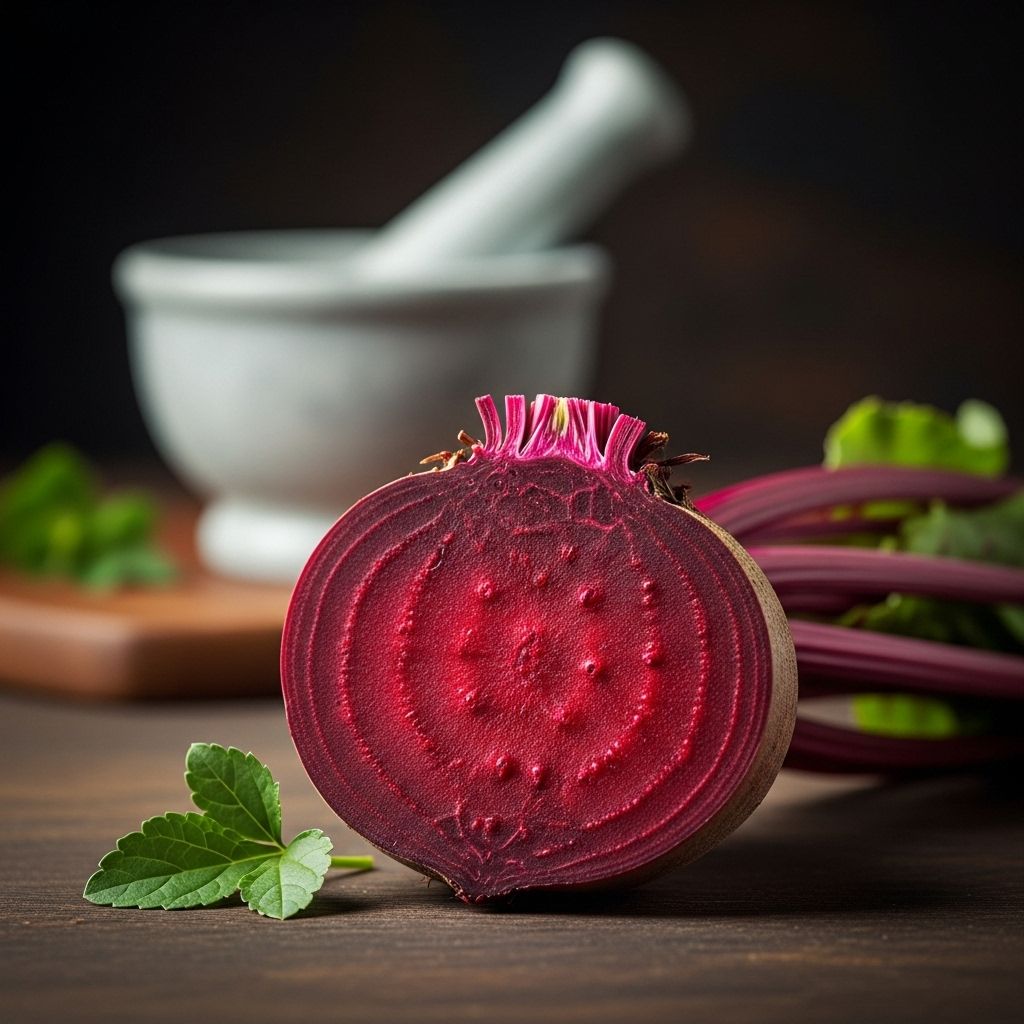
Beetroot (Beta vulgaris) is a root vegetable rich in folate, potassium, vitamin C, fiber, and dietary nitrates. These nutrients contribute to cardiovascular protection, improved exercise performance, and even anti-inflammatory effects. However, certain compounds in beetroot can also induce adverse reactions and pose risk factors for people with specific health concerns.
- High in oxalates: Promotes kidney stone formation in susceptible individuals.
- High nitrate content: May lower blood pressure excessively or increase risk of carcinogenic compounds.
- FODMAPs: Can exacerbate digestive issues, especially in those with IBS.
- Iron content: Cautioned for those with iron overload disorders.
Who Should Avoid Beetroot?
Below are key groups who should minimize or avoid beetroot consumption based on current scientific consensus and clinical guidelines:
- Individuals Prone to Kidney Stones
Due to beetroot’s high oxalate levels, it can promote the formation of calcium oxalate kidney stones. Past or recurrent kidney stone sufferers should consume beetroot with caution or under medical supervision. - People with Low Blood Pressure
Beetroot’s nitrates help relax blood vessels and reduce blood pressure—helpful for hypertension, but risky for those with hypotension (consistently low blood pressure). - Diabetics
The natural sugars in beetroot can influence blood glucose levels if consumed in large amounts. Diabetics should monitor beetroot intake and discuss with their healthcare provider if uncertain. - Individuals with Iron Overload Disorders (e.g., Hemochromatosis)
Excessive iron absorption can lead to complications; since beetroot contains iron, caution is advised. - People with Gastrointestinal Disorders
High fiber and FODMAP content may worsen symptoms in those with IBS or chronic digestive issues. - Anyone Experiencing Allergies
Though rare, beetroot allergy can cause reactions ranging from mild rash to severe anaphylaxis—immediate cessation and medical attention are required if these occur. - Individuals Taking Certain Medications
Especially blood pressure medications or anticoagulants, which can be potentiated or disrupted by beetroot’s natural compounds.
Major Side Effects and Health Risks of Beetroot Consumption
Even healthy individuals can experience side effects from beetroot, ranging from harmless to serious. Recognizing these can help you make more informed dietary choices.
1. Kidney Stone Formation
- Beetroot contains oxalates, naturally occurring compounds that bind with calcium to create calcium oxalate crystals—the primary composition of most kidney stones.
- High oxalate levels in beetroots particularly concern individuals with previous kidney stone history or low fluid intake.
- Symptoms: Severe pain in lower back/side, blood in urine, frequent urination.
2. Beeturia
- Consumption of beetroot can cause urine to appear pink or red (beeturia)—this is mainly due to betalain pigments and is harmless for most people.
- Occurs in a minority of people (10–14%) and may be more pronounced after heavy beetroot intake.
- Colored stools (red or dark) may also occur, and is likewise benign.
3. Digestive Upset and Gastrointestinal Discomfort
- Beetroot’s high fiber content is generally healthy, but can cause bloating, gas, and cramps in sensitive individuals.
- High FODMAP levels (fructans) make beetroot problematic for those with irritable bowel syndrome (IBS), often causing abdominal pain, diarrhea, or constipation.
- Consumption of raw beetroot has been linked to sudden outbreaks of gastrointestinal illness in population studies.
4. Allergic Reactions
- Symptoms: Skin rashes, hives, nausea, vomiting, anaphylactic shock.
- Allergy is rare but can be severe—stop beetroot intake and seek medical help if these symptoms occur.
5. Iron Overload Risk
- Beetroots contain iron—normally beneficial, but risky for people with iron overload conditions (e.g., hemochromatosis).
- Excess iron intake can cause joint pain, liver problems, fatigue.
6. Blood Pressure Changes
- Dietary nitrates in beetroot reduce blood pressure.
- May cause hypotension in those taking blood pressure medication or already prone to low blood pressure.
7. Nitrate Risks: Nitrosamine Formation and Cancer Concerns
- Beetroot (and beetroot juice) are high in nitrates; under some physiological conditions, these can convert to nitrite and form nitrosamines—potentially carcinogenic compounds.
- This process is accelerated in the presence of protein and fatty foods.
- Nitrosamines (e.g., monoalkylnitrosamines) and related products can bind DNA and initiate carcinogenic mutations.
- Regular, excessive consumption of beetroot juice may increase endogenous formation of these compounds.
- Regulatory bodies set acceptable daily intakes for nitrate—excess consumption can exceed these levels.
8. Interaction with Medication
- Blood pressure lowering medicines can be enhanced unpredictably by beetroot intake.
- Anticoagulants or other cardiovascular drugs may also interact with beetroot’s bioactive compounds.
Beeturia and Colored Stools: Benign but Surprising Effects
Many first-time beetroot consumers are alarmed when they notice red or pink urine and stools (a phenomenon known as beeturia). Beeturia is harmless and simply reflects the excretion of beetroot’s betalain pigments. Severity depends on genetics, the health of the digestive system, and the amount consumed. Other foods, such as blackberries and rhubarb, can also produce similar effects.
- No need for medical intervention unless other symptoms (abdominal pain, fever) are present.
- Red urine or stools after beetroot is not a sign of internal bleeding.
- Coloration usually resolves within 24–48 hours as pigments clear from the system.
Beetroot Allergy and Hypersensitivity
Although rare, beetroot allergy may manifest at first exposure. If you experience any combination of the following symptoms shortly after consuming beetroot, consult a doctor or allergist immediately.
- Sudden rash or hives
- Severe itching (especially of face, throat, or lips)
- Nausea, vomiting, or abdominal pain
- Swelling of tongue, lips, or airway (possible anaphylactic reaction)
- Low blood pressure or fainting
An allergy may be confirmed by an allergist via skin testing or blood antibody measurement. Ceasing all beetroot consumption is the primary strategy, and emergency epinephrine is indicated for severe cases.
Digestive Issues: IBS and FODMAPs
Beetroots are rich in FODMAPs—specifically fructans. For most people, these short-chain carbohydrates fuel beneficial gut bacteria, aiding digestion. In sensitive individuals, however, they can cause:
- Bloating
- Diarrhea or constipation
- Abdominal pain
- Excess gas
Patients with irritable bowel syndrome (IBS) or chronic digestive discomfort should moderate beetroot consumption or choose low-FODMAP alternatives. Cooking beetroot may marginally reduce FODMAP content, but the effect is modest.
Medication Interactions
| Medication Type | Possible Interaction | Precaution |
|---|---|---|
| Blood pressure lowering agents | Amplifies hypotensive effect | Monitor blood pressure; consult physician |
| Anticoagulants/platelet inhibitors | Potential disruption of blood viscosity or platelet function | Medical guidance advised |
| Iron supplements | Risk of iron overload | Assess iron status regularly |
| Diabetes medications | Possible elevation in blood glucose | Monitor blood sugar |
Nitrate Content: Potential Cancer Risks
Beetroot juice and powder contain substantial nitrate concentrations, which are metabolized to nitric oxide (NO)—a beneficial molecule for blood vessel dilation and stamina. However, excessive intake can result in the formation of nitrosamines and N-nitroso compounds (NOC), which scientific studies have shown to possess carcinogenic potential:
- Nitrates reduce to nitrite (especially via oral bacteria) that under acidic gastric conditions react with proteins and fatty acids, forming nitrosamines.
- Both smoking and high-protein diets can exacerbate nitrosamine formation.
- Regular high-level intake of beetroot juice or concentrated beetroot powder can raise NOC levels beyond regulatory safety recommendations.
While the cancer risk from standard dietary nitrate intake remains debated, individuals concerned with cancer prevention should be mindful of portion size and overall nitrate load.
Precautions & Frequently Asked Questions
What is the recommended daily limit of beetroot?
Most nutritionists recommend not exceeding one medium beetroot per day, or around 200g. For beetroot juice and powder, stick within product dosage guidelines and do not double up without consulting your healthcare provider.
Can children consume beetroot safely?
Beetroot is generally safe for healthy children in moderate amounts but watch for beeturia and allergic reactions, particularly at first exposure.
Should beetroot be avoided during pregnancy?
Pregnant women may safely consume beetroot as a source of folate, but those with hypertension, kidney issues, or digestive disorders should consult their OBGYN before including beetroot regularly.
How can I reduce oxalate content in beetroot?
Boiling beetroot and discarding the water can help lower oxalate levels, but removal is incomplete. Avoid beet greens if you are sensitive to oxalates; these contain much higher levels compared to the root itself.
How do I know if I’m allergic to beetroot?
If you experience skin rash, itching, vomiting, or swelling after beetroot consumption, discontinue use and seek medical advice. An allergist may perform a skin prick test to confirm sensitivity.
What should I do if I develop colored urine or stools?
This is a harmless effect of beetroot pigment excretion and requires no treatment.
Does beetroot interact with other superfoods or supplements?
Possibly. Combining beetroot with other nitrate-rich vegetables (e.g., spinach, arugula), anticoagulant supplements (e.g., high-dose omega-3), or iron pills may amplify the respective effects. Consult your healthcare provider for personal guidance if using multiple supplements or functional foods.
Tips for Safe Beetroot Consumption
- Start with small servings, especially if you have never eaten beetroot before.
- Monitor for symptoms such as stomach cramps, changes in urine/stool color, or allergic reactions.
- If you have a history of kidney stones, iron overload, or IBS, consult your doctor prior to regular beetroot intake.
- Boil or bake, rather than eat raw beetroot, to reduce bacterial risk and partially lower oxalate levels.
- Maintain hydration to help flush excess oxalates through the urinary tract.
Final Thoughts
Beetroot is a vibrant, nutrient-dense food that provides many health benefits—but it isn’t for everyone. People with kidney stone history, digestive disorders, allergies, hypotension, or specific medication regimens should exercise caution. Always consult your healthcare provider when making significant dietary changes, particularly with functional foods like beetroot. Proper understanding and moderation can allow most people to enjoy beetroot’s advantages without incurring unwanted side effects.
Similar Articles







Read full bio of medha deb