Simple Home Remedies for Bee, Hornet, and Wasp Stings
Learn safe, effective home remedies and essential first aid for stings from bees, hornets, and wasps with expert steps to relieve pain, swelling, and itching.
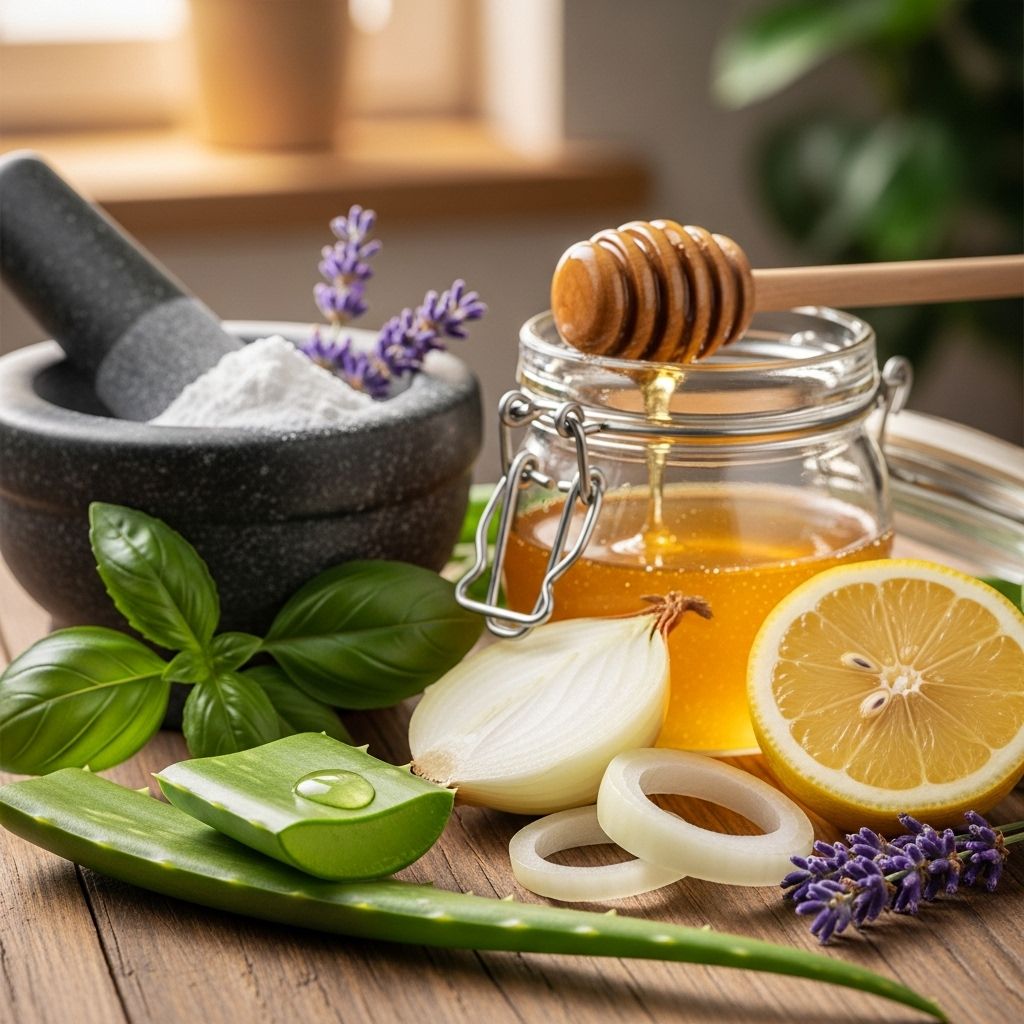
Stings from bees, hornets, and wasps are common outdoor hazards, causing pain, redness, swelling, and itching. While most stings are mild and treatable at home, understanding how to respond quickly and effectively can reduce discomfort and prevent complications. This article outlines essential first-aid steps, safe home remedies, red flags for severe reactions, and tips for prevention to help you and your loved ones stay safe throughout the season.
Table of Contents
- Immediate First Steps After a Sting
- Recognizing Common Symptoms
- Safe and Effective Home Remedies
- When to Seek Medical Attention
- Tips for Preventing Stings
- Frequently Asked Questions (FAQs)
Immediate First Steps After a Sting
Whether it’s a bee, hornet, or wasp sting, acting quickly and calmly is crucial. Proper first aid reduces the risk of further injury and infection. Here’s what you should do:
- Move to a safe area: Get away from the insects to prevent more stings.
- Check for the stinger: Bees leave behind their stingers; hornets and wasps usually do not. If you see a stinger (it looks like a small black dot in the skin), remove it as soon as possible by gently scraping it with a fingernail or the edge of a credit card. Do not squeeze or use tweezers, as this can inject more venom.
- Wash the area thoroughly: Use soap and water to clean the sting site and remove bacteria or remaining venom.
- Remove jewelry: Remove rings, watches, or tight clothing near the area before swelling begins.
- Apply a cold compress: Wrap ice or a cold pack in a cloth and apply for 10-20 minutes at a time, with breaks in between. This relieves pain and reduces swelling.
- Elevate the site: If possible, raise the affected limb to minimize swelling.
Recognizing Common Symptoms
The body’s reaction varies depending on the individual and type of insect. Most people will experience mild to moderate local symptoms:
- Pain or burning at the site
- Redness and swelling
- Itching or warmth
For many, these symptoms appear quickly and improve within hours or a couple of days. However, some people may develop more severe reactions—see When to Seek Medical Attention for guidance.
Safe and Effective Home Remedies
Various home remedies can help manage the discomfort of bee, hornet, and wasp stings. Here are some trusted options:
1. Ice or Cold Packs
- Wrap ice or a cold pack in a thin cloth and apply to the sting site for 10–20 minutes, then remove it for 10 minutes; repeat as needed.
- This helps reduce both swelling and pain.
2. Soap and Water
- Always clean the area thoroughly to prevent infection and help remove any remaining venom.
3. Baking Soda Paste
- Mix baking soda with a little water to create a paste and apply it to the sting for 15–20 minutes.
- It may help neutralize bee venom, reducing pain, itching, and swelling.
4. Honey
- Honey has natural anti-inflammatory and antibacterial properties.
- Apply a small amount to the sting area to soothe discomfort and help prevent infection.
5. Aloe Vera Gel
- Aloe vera is known for soothing the skin, with anti-inflammatory and antimicrobial effects.
- Spread a thin layer of pure aloe vera gel over the affected area to calm redness and reduce swelling.
6. Calamine Lotion
- Calamine lotion relieves itching and irritation from stings.
- Apply a thin layer and allow it to dry before covering the area.
7. Meat Tenderizer Paste
- Mix meat tenderizer (containing papain) with water and apply on the sting for up to 30 minutes.
- This enzyme may help break down venom proteins that cause swelling and pain.
8. Apple Cider Vinegar
- Soak the affected area in apple cider vinegar or dab it using a soaked cotton ball.
- It’s thought to neutralize certain kinds of venom, providing relief.
9. Toothpaste
- Some people apply a small amount of alkaline toothpaste directly to the sting area.
- Evidence is anecdotal, but some report reduced pain and swelling.
10. Hydrocortisone Cream and Antihistamines
- Over-the-counter hydrocortisone creams reduce inflammation and itching. Apply several times daily for relief.
- Oral antihistamines (such as diphenhydramine/Benadryl, loratadine/Claritin, or cetirizine/Zyrtec) help control itching and swelling from allergic responses.
11. Essential Oils (Use with Caution)
- Some essential oils—like tea tree, lavender, witch hazel, and thyme oil—may offer calming or antiseptic effects but should always be diluted with a carrier oil (e.g., olive oil) before applying.
- Essential oils cause allergic reactions in some people, so patch-test before use, and do not use on children or those with sensitive skin.
Summary Table of Common Remedies
| Remedy | Purpose | How to Use |
|---|---|---|
| Ice Pack | Reduce pain, swelling | 10-20 minutes on, then off; repeat as needed |
| Baking Soda Paste | Neutralize bee venom | Apply paste, leave for 15-20 minutes |
| Honey | Reduce inflammation, prevent infection | Apply a thin layer to area |
| Aloe Vera | Soothe skin, reduce swelling | Spread gel on sting |
| Calamine Lotion | Relieve itch | Apply thin layer to site |
| Meat Tenderizer | Breaks down venom protein (anecdotal) | Apply paste for up to 30 mins |
| Apple Cider Vinegar | Neutralizes venom (theoretical) | Soak area or dab with cloth |
When to Seek Medical Attention
Most stings resolve with home care, but serious reactions can occur, especially if you are allergic, stung multiple times, or stung in sensitive locations (mouth, throat, or eyes).
Seek emergency care if you experience:
- Difficulty breathing, wheezing, or shortness of breath
- Swelling of the face, lips, mouth, tongue, or throat
- Rapid pulse, dizziness, or fainting
- Widespread hives or rash
- Nausea, vomiting, or diarrhea
- Severe pain that does not subside
These symptoms may indicate a life-threatening allergic reaction (anaphylaxis). Use an epinephrine auto-injector if prescribed, and seek medical help immediately.
If the sting area shows increasing redness, pus, or feels warm, see a healthcare professional to rule out infection.
Tips for Preventing Stings
Minimizing your risk is possible with some awareness and preparation:
- Wear closed-toe shoes and long pants when hiking or gardening.
- Avoid brightly colored clothing and strong perfumes or scented lotions, which attract insects.
- Keep food and sweet drinks covered outdoors.
- Check for stinging insect nests near your home and remove them safely.
- Be cautious when picking fruit or flowers—look before you grab.
- Remain calm and move slowly if a bee, hornet, or wasp approaches.
- Teach children not to swat at flying insects.
Frequently Asked Questions (FAQs)
Q: What is the best way to remove a bee stinger?
A: Remove the bee stinger by gently scraping it with your fingernail or a blunt object. Avoid squeezing or using tweezers, as this can inject more venom into your skin.
Q: Can I use ice directly on the skin?
A: Never apply ice directly; always wrap it in a cloth to prevent skin damage.
Q: Are home remedies safe for children?
A: Most remedies such as cold compresses, soap and water, and calamine lotion are safe, but avoid essential oils and ensure no known allergies to topical agents. Always supervise treatments for children.
Q: How long will the swelling and pain last?
A: Swelling and pain typically peak within a few hours and subside over 1–3 days for most mild stings.
Q: What should I not do after being stung?
- Do not scratch the site, as it can lead to infection.
- Do not apply heat.
- Do not rub with mud or dirt.
- Do not attempt to dig out a stinger below the skin’s surface.
Q: Why do some people have stronger reactions than others?
A: Individual immune response varies; some people are allergic to insect venom. Those with known allergies should always carry an epinephrine auto-injector when outdoors.
Q: Should I take pain medication?
A: Over-the-counter pain medications like ibuprofen or acetaminophen can help manage discomfort. Follow dosing guidelines on the package.
Q: Do essential oils work for stings?
A: While some people find lavender and tea tree oil helpful, evidence is limited and oils can cause allergic skin reactions. Always dilute and use with caution.
Safety Reminder
Always watch for signs of severe allergic reaction after any sting. When caring for children or those with known allergies, be especially vigilant—rapid intervention can save lives.
For most people, the above remedies and care steps lead to quick recovery and continued outdoor enjoyment. By knowing how to act, how to prevent future stings, and when to seek help, you can manage these common mishaps with confidence.
Similar Articles







Read full bio of Sneha Tete