Stop the Stomach Flu in Its Tracks: Home Remedies That Work
Discover safe, effective home remedies and prevention strategies to quickly manage the stomach flu for your whole family.
The stomach flu, or viral gastroenteritis, is an unpleasant and disruptive illness that brings nausea, vomiting, diarrhea, and abdominal pain to households everywhere. Although it usually runs its course in a few days, even otherwise healthy adults and children can feel miserable. Fortunately, you can take proactive steps at home to help stop the stomach flu in its tracks, support recovery, and prevent it from spreading further in your family.
Understanding the Stomach Flu
Despite its name, the stomach flu is not related to influenza (the true ‘flu’). Instead, this illness is typically caused by various viruses—most notably, norovirus and rotavirus. The primary symptoms usually manifest as:
- Sudden onset of nausea
- Vomiting
- Diarrhea
- Stomach cramps
- Low-grade fever, headaches, and muscle aches in some cases
Symptoms often begin abruptly within 12–48 hours after exposure to the virus and generally subside within 1–3 days, though diarrhea can sometimes persist longer, especially in young children and the elderly.
Key Steps to Stop the Stomach Flu at Home
Managing the stomach flu centers on three main pillars: hydration, gentle diet adjustments, and supportive care. Let’s break down these strategies.
1. Prioritize Hydration
Vomiting and diarrhea cause a significant loss of fluids and electrolytes, which can quickly lead to dehydration. Dehydration is especially dangerous for infants, young children, and the elderly, and should be carefully monitored.
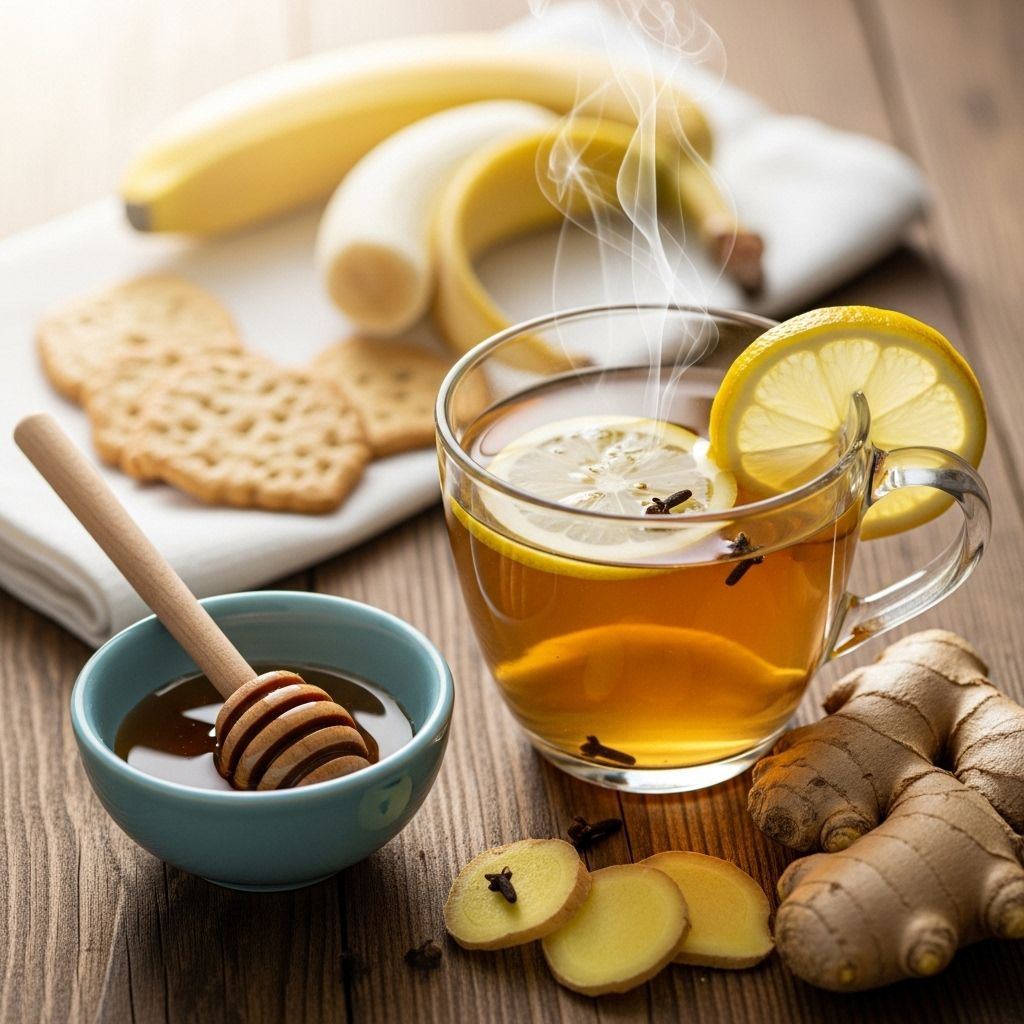
- Drink clear fluids frequently: Small sips of water, clear broths, electrolyte solutions (like oral rehydration solutions or sports drinks for older kids/adults), and herbal teas (such as ginger or peppermint) can help replace lost fluids and ease stomach discomfort.
- Start with ice chips or frozen fruit pops: If sipping feels overwhelming (especially after vomiting), sucking on ice chips or frozen juice cubes can gradually reintroduce fluids and reduce the risk of further vomiting.
- Watch for dehydration signs: Listlessness, dry mouth, lack of tears or urination, sunken eyes, and dizziness can indicate dehydration. Seek medical care if these symptoms develop.
2. Focus on Gentle, Soothing Foods
Once vomiting subsides and you can tolerate fluids, introduce bland and easily digestible foods. The classic BRAT diet—bananas, rice, applesauce, and toast—is widely recommended for its soothing, non-irritating qualities.
- Bananas help restore potassium lost during illness.
- Rice (preferably white) provides gentle carbohydrates without excessive fiber.
- Applesauce contains beneficial pectin and is easy on the stomach.
- Toast (plain, white bread) is easy to digest and provides quick energy.
Other suitable foods as recovery progresses may include:
- Boiled potatoes, plain noodles, or oatmeal
- Crackers and plain cereals with a pinch of salt
- Soup (clear broths or mild chicken noodle soup)
- Steamed vegetables (if tolerated)
What to Avoid
- Dairy products: Temporary lactose intolerance is common after gastroenteritis—milk, cheese, and ice cream can worsen diarrhea.
- Caffeinated or alcoholic drinks: These are dehydrating and can further upset the GI tract.
- Fatty, fried, spicy, or high-fiber foods: These are difficult to digest and can worsen GI symptoms.
- Sugary drinks and sodas: While tempting, these can sometimes make diarrhea worse.
3. Supportive Home Remedies
- Rest: Allow your body time to recover; fatigue and muscle aches are common, and rest is crucial for healing.
- Heat Therapy: A heating pad or warm compress on the abdomen can help soothe cramping and discomfort.
- Acupressure: Massaging the P-6 (Neiguan) point—located on the inner wrist—may help reduce nausea and vomiting in some individuals.
- Probiotics: Limited evidence suggests probiotics (as found in yogurt or supplements) may help restore gut balance, particularly after diarrhea has improved. Choose low-fat, lactose-free varieties if dairy tolerance is low.
- Herbal Teas: Ginger, peppermint, chamomile, sage, and licorice teas can help ease nausea and calm the digestive tract. Peppermint may also help relieve mild abdominal pain.
Note: Always consult your healthcare provider before starting new herbal remedies, especially for children or if you have chronic health problems.
Medications: What’s Safe and Effective?
- Acetaminophen (Tylenol): Recommended for fever or pain relief. Avoid aspirin and NSAIDs (like ibuprofen) as these may irritate the stomach.
- Anti-diarrheal agents (for adults): Short courses of loperamide (Imodium) or bismuth subsalicylate (Pepto-Bismol) may be helpful for acute diarrhea. Children and older adults should check with a healthcare provider before using these medications.
Antibiotics are not effective against viral gastroenteritis and may do more harm than good when taken unnecessarily. Most cases resolve on their own with supportive care.
Preventing the Spread of the Stomach Flu
The stomach flu is extremely contagious—especially norovirus, which can linger on surfaces for days and is resistant to some disinfectants. Here’s how to minimize the risk of family-wide outbreaks:
- Isolate the sick person: Keep those who are ill in a separate room if possible. Assign a dedicated bathroom if available and minimize their contact with others.
- Strict handwashing: Use soap and water, scrubbing thoroughly before eating, after bathroom use, and after cleaning up vomit or diarrhea.
- Disinfect surfaces: Clean toilets, bathroom surfaces, eating areas, and frequently touched objects (like light switches and doorknobs) with a bleach-based disinfectant.
- Avoid sharing: Do not share towels, eating utensils, or bedding with the affected individual.
- Laundry care: Wash soiled clothes or bedding separately using hot water and detergent; use gloves when handling contaminated laundry.
- Be aware after recovery: Individuals can still be contagious for up to two weeks after symptoms stop; maintain good hygiene practices.
When to Seek Medical Attention
While most cases of stomach flu are benign, some situations require prompt medical evaluation. Contact a healthcare provider if you or your child experiences:
- Signs of significant dehydration (as noted above)
- Blood in vomit or stool
- High, persistent fever
- Prolonged vomiting (over 24 hours), inability to keep fluids down
- Severe abdominal pain
- Vomiting in young infants (babies under 6 months)
Frequently Asked Questions (FAQs)
Q: What causes the stomach flu?
A: Stomach flu is most often caused by viruses such as norovirus or rotavirus. Bacterial and parasitic infections can also mimic similar symptoms, but viruses are by far the most common culprits. The illness spreads easily via contaminated food, water, and person-to-person contact.
Q: How long does gastroenteritis last?
A: In most healthy individuals, symptoms subside within 1–3 days. However, mild diarrhea may persist for another few days after initial recovery, especially in young children.
Q: Should I avoid food altogether?
A: You may not feel like eating while acutely ill, but begin with clear fluids as soon as possible. Gradually add bland foods like the BRAT diet as your appetite returns and vomiting subsides.
Q: Can probiotics or supplements help?
A: Probiotics may be helpful in restoring gut bacteria, especially post-diarrhea, and zinc supplements have been shown to decrease the duration and severity in some children. Consult your doctor before starting supplements, especially for the very young and immunocompromised.
Q: Is it safe to give anti-diarrheal medications to children?
A: Use caution. Some anti-diarrheal medications are not recommended for young children due to possible side effects. Always check with your pediatrician.
Q: How can I protect others in the household?
A: Isolate the ill person as much as possible, enforce strict handwashing, use separate dishes/towels, and disinfect frequently touched surfaces with a bleach-based cleaner.
Sample Daily Recovery Schedule
| Time of Day | Recommended Actions |
|---|---|
| Morning | Sip water, herbal tea, or electrolyte solution. Rest and avoid solid foods if still nauseous. Use a heating pad for comfort. |
| Late Morning | If vomiting stops, try ice chips or clear broth. Continue resting and avoid screen time if feeling dizzy. |
| Afternoon | As appetite returns, nibble on toast, crackers, or a bite of banana. Gradually increase fluid intake. |
| Evening | Eat a small amount of rice or applesauce if tolerated. Prepare for bedtime by ensuring a glass of water is nearby. |
Natural Remedies and Herbal Support
- Ginger: Renowned for anti-nausea properties. Drink ginger tea or chew on a piece of candied ginger if tolerable.
- Peppermint: Peppermint tea can ease GI pain and reduce cramping. Use caution with children or if you have any underlying health conditions.
- Chamomile: Supports relaxation and soothes the digestive tract. Try as a tea before bedtime.
- Sage and licorice: Used traditionally to calm digestive upset, but consult with a healthcare professional before using, especially for children or if you take regular medications.
Remember, while natural remedies can provide comfort, they should not replace hydration, nutrition, or appropriate medical care when needed.
Final Tips for Family Recovery
- Encourage plenty of rest and low stimulation (recovery may take several days).
- Gradually reintroduce normal foods as symptoms improve.
- Clean and disinfect high-touch surfaces every day while someone remains symptomatic.
- Remind everyone to wash hands frequently, especially before meals and after bathroom use.
- When in doubt, or if symptoms are severe or prolonged, call your healthcare provider.
By using these home remedies and taking proactive precautions, most families can successfully manage the stomach flu, limit its duration, and stop it from spreading further. Stay vigilant, care for each other, and keep these strategies handy to face future bouts with confidence.
Similar Articles








Read full bio of Sneha Tete