Top 8 Natural Remedies for Treating Hiatal Hernia: A Holistic Approach
Explore eight holistic and science-backed remedies for managing hiatal hernia symptoms, with proven natural strategies promoting digestive health.
A hiatal hernia occurs when part of the stomach pushes upward through the diaphragm, causing discomfort, reflux, and digestive distress. While conventional medical treatment often focuses on managing symptoms with medications, a holistic approach can address the root causes and promote long-term relief. This guide examines eight natural remedies—supported by tradition and science—to help individuals manage hiatal hernia and its symptoms effectively.
Understanding Hiatal Hernia: Causes and Symptoms
The hiatus is an opening in the diaphragm through which the esophagus passes before connecting to the stomach. When weakened muscles allow part of the stomach to shift upward, a hiatal hernia can develop. Common symptoms include heartburn, acid reflux, chest pain, difficulty swallowing, and bloating. Risk factors include obesity, aging, poor posture, chronic coughing, and excessive straining during bowel movements.
Natural remedies focus not only on mitigating symptoms but also on restoring overall digestive harmony.
1. Lifestyle Modifications for Long-Term Relief
Simple changes in habits can significantly influence symptom severity and overall digestive well-being:
- Weight Management: Excess abdominal fat increases pressure on the stomach and diaphragm, worsening hernia symptoms. Achieving a healthy weight through regular exercise and a wholesome diet reduces strain on digestive structures.
- Meal Timing & Portion Control: Eat smaller, more frequent meals instead of large portions. This practice minimizes gastric overload and the chance of reflux, especially when avoiding food within two hours of bedtime.
- Sleep Positioning: Elevate your upper body at night using wedge pillows or an adjustable bed to prevent stomach acid from moving upward into the esophagus while lying down.
- Avoid Trigger Foods: Limit spicy foods, processed carbohydrates, caffeinated drinks, alcohol, chocolate, and citrus—common culprits for reflux and heartburn.
2. Dietary Adjustments for Digestive Support
A balanced diet is critical for managing hiatal hernia and promoting overall digestive health:
- Focus on whole grains, lean proteins, and plenty of vegetables. These foods help maintain a healthy weight and prevent inflammation.
- Increase fiber intake: Fiber-rich foods support regular bowel movements and may help reduce symptoms of acid reflux and bloating. Sources include oats, psyllium husk, berries, legumes, and leafy greens.
- Opt for alkaline-forming foods like bananas, melons, broccoli, and celery to counteract acid production.
- Stay hydrated with water throughout the day, which aids digestion and dilution of stomach acids.
3. Herbal Remedies for Soothing Relief
Several herbs have been widely used for their calming and protective effects on the digestive tract:
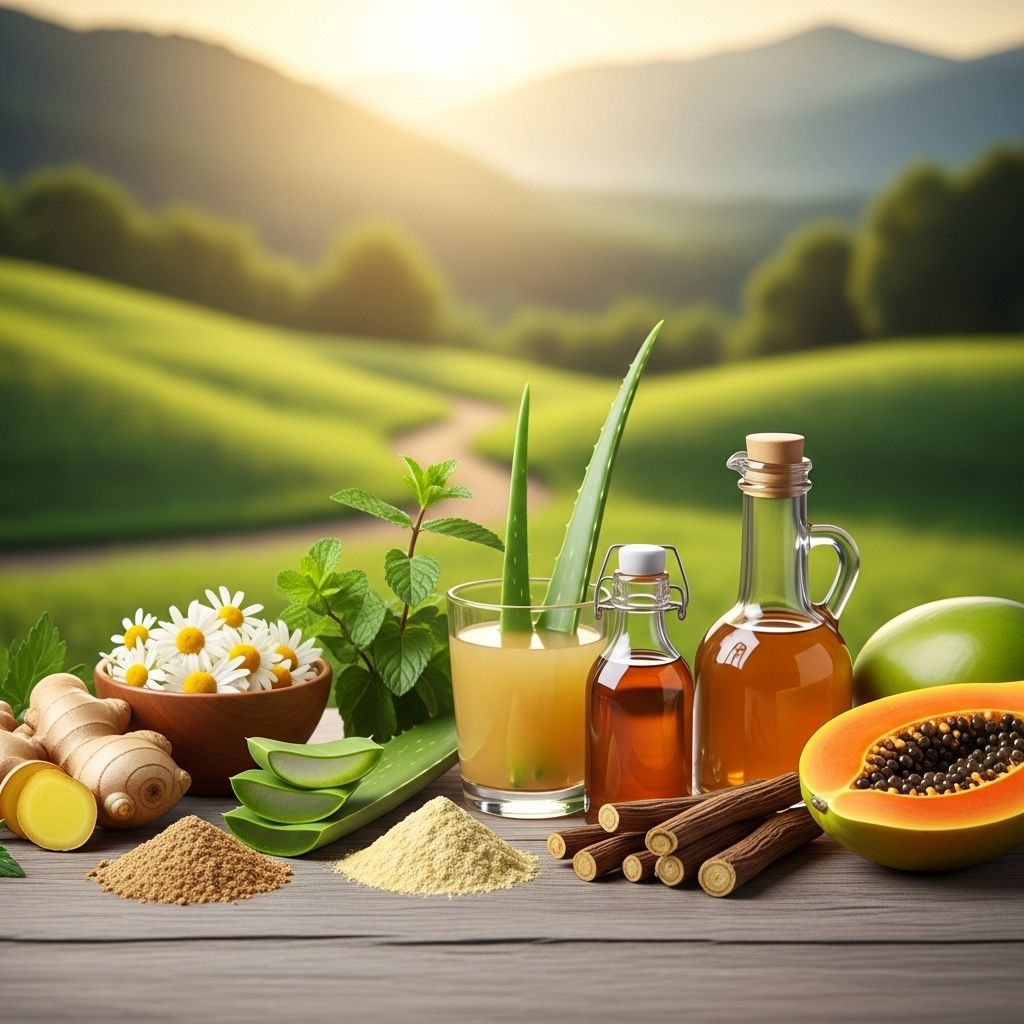
- Marshmallow Root: Contains mucilage that forms a protective gel coating over irritated esophageal and gastric tissues. Available as tea, capsules, or liquid extracts.
- Slippery Elm: Similar to marshmallow, creates a barrier against stomach acid damage, especially relieving heartburn and esophageal irritation. Stir slippery elm powder into water for a soothing drink.
- Chamomile Tea: Noted for anti-inflammatory and stress-reducing effects, chamomile tea can be consumed before bed to improve sleep and lessen nighttime reflux.
- Licorice Root (Deglycyrrhizinated Licorice/DGL): Used to decrease inflammation without affecting blood pressure. DGL tablets support healing in the upper digestive tract.
- Cinnamon: Contains cinnamaldehyde which helps lower gastric inflammation and reduce acid reflux. Mix cinnamon into warm water or herbal teas.
4. Traditional Chinese Medicine (TCM): A Holistic Perspective
TCM approaches hiatal hernia by restoring systemic balance and strengthening digestive integrity. Interventions include both acupuncture and customized herbal formulas:
Acupuncture
- Specific points such as CV12 (Conception Vessel 12) help regulate digestive function, strengthen the diaphragm, and improve muscle tone.
- Acupuncture relieves emotional stress and addresses imbalances in liver, stomach, and spleen energies believed to contribute to digestive disturbances.
Herbal Formulas
- TCM practitioners customize herbal blends. Licorice root (Radix Glycyrrhizae) reduces inflammation; Herba Pogostemonis helps harmonize digestive organ function.
- Formulas aim to promote overall digestive harmony rather than only targeting symptoms.
5. Probiotic and Prebiotic Support
Gut microbiome health is increasingly recognized as essential for digestive well-being:
- Probiotics: Beneficial bacteria may reduce reflux, bloating, and abdominal pain. Incorporate yogurt, kefir, or supplements containing Lactobacillus and Bifidobacterium strains.
- Prebiotics: Non-digestible fibers such as inulin and fructooligosaccharides encourage growth of healthy gut flora, supporting overall digestive resilience.
6. Self-Massage and Manual Techniques
Physical manipulation techniques aim to help reposition the stomach and alleviate discomfort:
- Self-massage: Gentle abdominal massage may help relax the diaphragm, encourage proper stomach positioning, and relieve tension.
- Warm Water Technique: Drink a glass of warm water, then perform specific gentle physical movements or stretches under professional guidance to attempt to reposition the stomach downward.
7. Yoga and Breathing Exercises
Yoga and breathwork not only strengthen digestive and respiratory muscles but also reduce stress and acid production:
- Yoga Poses: Choose poses that gently strengthen the diaphragm and abdominal muscles, such as gentle twists and supported bridge pose. Avoid poses that place significant pressure on the abdomen, like cobra or bow.
- Diaphragmatic Breathing: Practicing deep belly breathing tones the diaphragm, improves digestion, and helps relax muscles around the hernia.
8. Safe Natural Substances and Supplements
Certain naturally-derived substances can offer additional relief:
| Substance | Primary Use | Potential Benefit |
|---|---|---|
| Alginates | Forms a gel barrier in the stomach | Prevents acid reflux, similar efficacy as some heartburn medications |
| Melatonin | Over-the-counter hormone | May improve reflux symptoms, beneficial with or without medication support |
| Psyllium Fiber | Natural laxative, dietary fiber | Improves digestion, reduces abdominal pressure, supports regularity |
| Iberogast | Herbal blend | Supports indigestion relief, reduces bloating and pain |
Precautions and When to Seek Professional Care
- Natural remedies are most effective for
mild to moderate symptoms
. If symptoms are severe, frequent, or include significant pain, bleeding, or unintended weight loss, consult a medical professional promptly. - Before using herbs or supplements, check for possible allergic reactions or interactions with prescription medications.
- Practices such as manual manipulation or yoga should be supervised by trained practitioners when possible to ensure safety.
Frequently Asked Questions (FAQs)
How to fix hiatal hernia naturally?
Managing a hiatal hernia naturally involves a combination of lifestyle changes (weight management, smaller meals, avoiding trigger foods), stress management techniques, specific exercises or self-massage, and herbal or TCM therapies that promote digestive healing and reduce inflammation.
What drink is best for a hiatal hernia?
Water is the safest and most beneficial drink for hiatal hernia. Herbal teas (such as chamomile and ginger) and low-fat plant-based milks (almond, oat) can help neutralize acidity. Avoid carbonated drinks, alcohol, caffeine, and citrus juices as they tend to worsen symptoms.
What herb helps hiatal hernia?
- Marshmallow Root and Slippery Elm coat and protect the esophagus.
- Chamomile Tea soothes inflammation and relaxes digestive muscles.
- DGL Licorice Root is anti-inflammatory with fewer side effects.
- Cinnamon helps alleviate gastric inflammation and acid reflux.
Are natural remedies safe for everyone?
Most remedies are safe for adults when used correctly, but those with allergies, existing health conditions, pregnant or breastfeeding individuals, and those taking medications should consult healthcare providers before starting new remedies.
What foods should I avoid with a hiatal hernia?
- Spicy foods
- Fried and fatty foods
- Chocolate
- Citrus and tomato products
- Caffeinated and carbonated beverages
Summary Table: Top Remedies and Their Benefits
| Remedy | Main Benefit | Notes |
|---|---|---|
| Lifestyle modifications | Reduces abdominal pressure, minimizes reflux, supports digestion | Weight control, meal planning, posture |
| Herbal remedies | Soothing, anti-inflammatory, supports healing | Check with provider before use |
| TCM acupuncture & herbal formulas | Balances organs, relieves stress, strengthens muscles | Guided by qualified practitioner |
| Self-massage & yoga | Relieves tension, promotes proper stomach position | Gentle techniques only; avoid aggressive movements |
| Dietary modifications | Reduces inflammation, supports gut health | Increase fiber, avoid triggers |
Takeaway: A Holistic Blueprint for Hiatal Hernia Management
Managing hiatal hernia is not about one-size-fits-all solutions, but about embracing a comprehensive strategy that considers lifestyle, nutrition, herbal therapies, physical practices, and the mind-body connection. With careful adjustments, natural remedies can reduce symptoms and enhance quality of life for those living with hiatal hernia. For persistent or severe symptoms, professional guidance and evaluation are essential.
Similar Articles






Read full bio of medha deb