Top 9 Natural Remedies for Inguinal Hernia Relief Without Surgery
Discover evidence-based natural approaches to manage inguinal hernia symptoms without surgery and improve your quality of life.
Top 9 Natural Remedies That Can Help Manage Inguinal Hernia Without Surgery
An inguinal hernia occurs when a part of the intestine or abdominal tissue pushes through a weak spot in the lower abdominal muscles, typically forming a bulge in the groin area. While surgery is often considered the definitive treatment for inguinal hernias, many individuals seek natural strategies to relieve symptoms, improve comfort, and slow progression, especially when surgery is not immediately required or advisable. This article explores the top 9 natural remedies and integrative approaches to help manage inguinal hernia symptoms–emphasizing lifestyle, dietary, exercise, and holistic strategies. Always consult your healthcare provider before starting any new management approach for your hernia.
What Is an Inguinal Hernia?
An inguinal hernia happens when tissue, such as part of the intestine, protrudes through an opening in abdominal muscles in the groin region. This condition can cause a bulge, discomfort, pain (especially when lifting, coughing, or bending), and in severe cases, complications that require prompt medical attention. While not life-threatening in most cases, untreated inguinal hernias can get larger and more uncomfortable with time.
Can Inguinal Hernias Heal Naturally?
It is important to clarify that inguinal hernias do not fully heal without surgery. However, for smaller, reducible, and minimally symptomatic hernias, conservative management with natural remedies and lifestyle changes may control symptoms, support abdominal health, and improve quality of life in select cases.* Always monitor your condition closely with medical guidance.
1. Gentle Yoga and Targeted Exercises
Specific gentle yoga poses and exercises can help strengthen the abdominal wall, improve muscle tone, and reduce symptoms in early-stage and reducible hernias. Clinical studies indicate significant improvement in pain, frequency of bulge, and quality of life with selected asanas for reducible inguinal hernias.
- Vajrasana (Thunderbolt Pose): Prepares the body, compresses the inguinal canal, and prevents protrusion.
- Ustrasana (Camel Pose): Stretches and strengthens abdominal muscles, enhances muscle tone.
- Paschimottanasana (Seated Forward Bend): Contracts and tones the abdomen, reducing intra-abdominal pressure.
- Pawanmuktasana (Wind-Relieving Pose): Strengthens abdominal muscles, relieves gastrointestinal air and pressure.
- Utthanpadasana (Raised Leg Pose): Directly targets and strengthens the abdominal wall.
- Matsyasana (Fish Pose) and Sarvangasana (Shoulder Stand): Beneficial for core balance, muscle strengthening, and reducing intra-abdominal pressure.
These asanas should be performed under professional supervision, at least in the beginning, as improper technique may worsen the hernia. Avoid strenuous or high-pressure abdominal exercises like crunches or sit-ups, as they may aggravate the hernia.
2. Maintain a Healthy Body Weight
Excess body weight increases intra-abdominal pressure, which can worsen hernia symptoms and increase the risk of complications. Achieving and maintaining a healthy weight through balanced diet and physical activity supports abdominal muscle strength and reduces pressure on the hernia site.
- Work with your healthcare provider to set healthy, realistic weight loss goals.
- Adopt a gradual, sustainable approach to weight management.
3. Dietary Adjustments and Fiber-Rich Foods
A diet high in dietary fiber from whole grains, fruits, vegetables, and legumes helps maintain regular, soft bowel movements. Reducing straining during elimination prevents increased pressure in the abdominal cavity and can minimize hernia-related discomfort.
- Include plenty of leafy greens, beans, oats, whole fruit, and vegetables.
- Avoid foods that cause constipation or hard stools, such as excessive processed foods and low-fiber meals.
- Stay well-hydrated to support digestive health.
4. Smaller, More Frequent Meals
Eating smaller, lighter meals throughout the day, rather than large, heavy meals, helps prevent excessive pressure on the stomach and abdominal muscles.
- Opt for 45 small meals daily instead of 23 large ones.
- This approach aids digestion and reduces the risk of reflux and abdominal pressure which may aggravate hernia symptoms.
5. Apply Ice Packs or Warm Compresses
Cold therapy using ice packs can help reduce discomfort and inflammation around the hernia site. Conversely, warm compresses may help relax tense muscles and provide temporary symptomatic relief.
- Apply a wrapped ice pack to the affected area for 1520 minutes, several times daily, as needed for inflammation.
- If muscle spasm or tension is present, try a warm (not hot) compress for 15 minutes to promote relaxation.
- Never apply ice directly to the skin; avoid prolonged exposure to prevent skin damage.
6. Adopt Safe, Gentle Physical Activity
Gentle aerobic activities help maintain mobility and overall muscle tone without putting excessive strain on the hernia.
- Walking: Regular brisk walking promotes circulation, core stability, and gentle muscle activation.
- Cycling: Use a stationary or outdoor bike with low intensity and adequate support.
- Swimming (with physician approval): The buoyancy of water relieves intra-abdominal pressure, supports body weight, and can be particularly soothing for individuals with hernia-related discomfort. Gentle wading, rather than vigorous laps, is safest.
- Always avoid heavy lifting or exercises that involve bearing down or holding your breath.
7. Avoid Strenuous Activities and Proper Lifting Techniques
Strenuous exercise, heavy lifting, and activities that sharply increase abdominal pressure can exacerbate hernia pain and risk of progression.
- Avoid squatting, lifting heavy objects, or intense abdominal contractions.
- If you must lift objects, use proper body mechanics: bend at your knees, keep your back straight, lift with your legs, and avoid holding your breath.
- Break up long periods of standing or sitting, moving and stretching gently as tolerated.
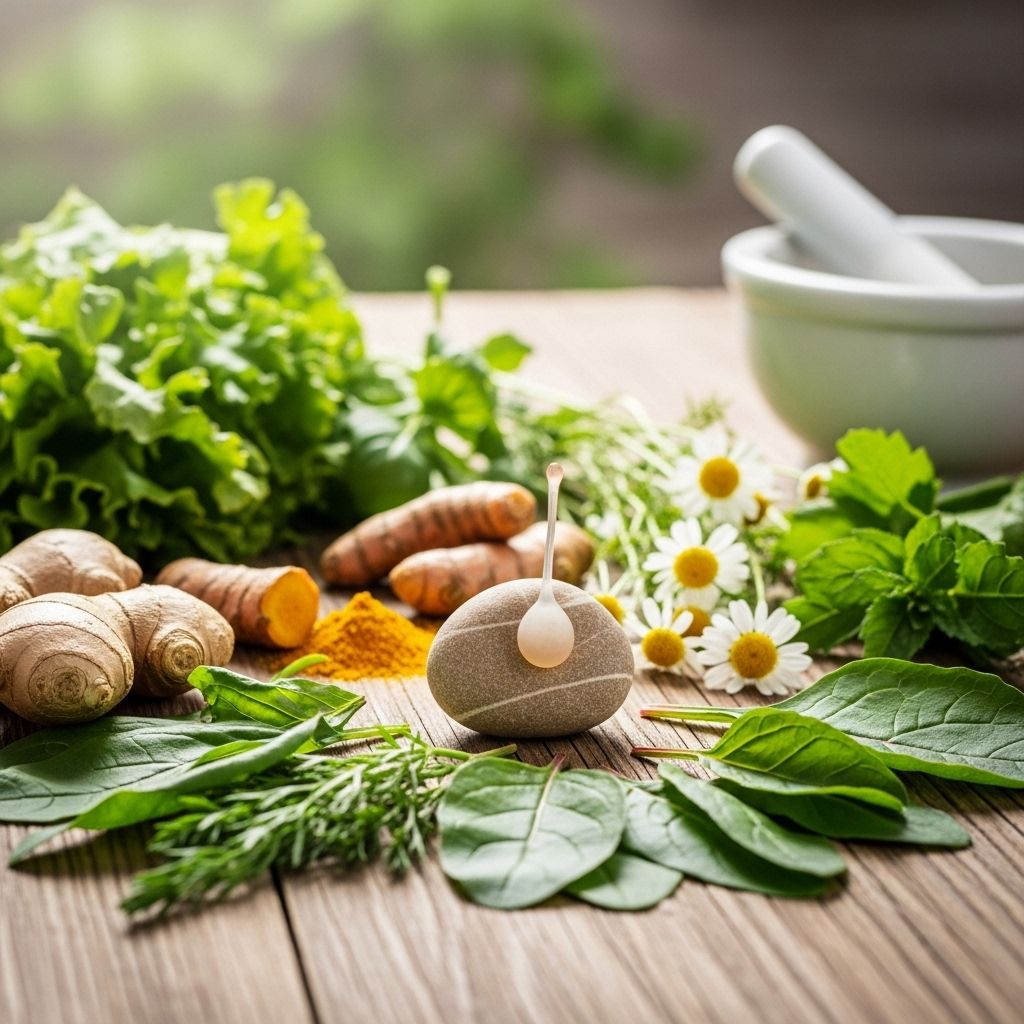
8. Use Herbal and Nutritional Remedies
Certain herbs and teas are traditionally used to provide comfort for hernia-related symptoms. Among them:
- Chamomile Tea: Known for its soothing, anti-inflammatory, and muscle-relaxant effects, chamomile tea may provide gentle relief from hernia discomfort.
- Anti-inflammatory Foods: Turmeric, ginger, and foods rich in antioxidants may reduce inflammation.
- Probiotic-rich Foods: Yogurt, kefir, and fermented products may support digestion and relieve gastrointestinal pressure.
Always consult a physician or nutritionist before adding herbal or dietary supplements, particularly if you are taking medications or have other health concerns.
9. Wearing a Supportive Truss (Hernia Belt)
A well-fitted, medical-grade inguinal hernia truss or belt may provide temporary support for select patients, helping to keep the hernia reduced and relieving symptoms during certain activities.
- Should be used under medical supervision to ensure proper fit and to avoid complications.
- Generally considered a short-term or interim solution, not a replacement for surgery in severe or complicated cases.
General Lifestyle Tips for Managing Inguinal Hernia
- Pay attention to posture—sit and stand tall to minimize pressure on the lower abdomen.
- Experiment with sleeping or reclining positions that best relieve groin discomfort (sometimes slightly elevating the legs or hips helps).
- Wear loose, comfortable clothing to avoid compressing the hernia site.
- Avoid activities that worsen symptoms, and listen to your body.
Frequently Asked Questions (FAQs)
Can an inguinal hernia heal completely with home remedies?
No, an inguinal hernia does not heal completely without surgery. However, natural remedies and lifestyle changes may relieve symptoms, slow progression, and improve comfort in early-stage, small, or reducible cases. Larger, painful, or complicated hernias require medical attention and often surgical repair.
Is yoga safe for people with inguinal hernias?
Gentle yoga, focusing on specific asanas under professional supervision, can strengthen the abdominal muscles, relieve symptoms, and enhance quality of life for individuals with reducible inguinal hernia. Avoid strenuous or high-pressure abdominal poses unless approved by your physician.
How does fiber help with hernia symptoms?
A high-fiber diet helps prevent constipation, reducing the need to strain during bowel movements. Less straining means lower abdominal pressure and less risk of worsening hernia symptoms.
Are there activities to avoid with an inguinal hernia?
Avoid exercises or activities that increase abdominal pressure, such as weight lifting, crunches, sit-ups, and heavy manual labor. Always use proper body mechanics when moving or lifting objects.
Can herbal teas or compresses cure an inguinal hernia?
Herbal teas (like chamomile) and warm compresses do not cure a hernia but may provide temporary symptom relief. Always use these methods as adjuncts to standard medical care and consult your healthcare provider for persistent or worsening symptoms.
When to Seek Medical Attention
If you experience severe pain, sudden swelling, inability to push back the bulge, nausea, vomiting, or changes in bowel movements, seek immediate medical care. These may signal hernia complications such as strangulation or obstruction, which are medical emergencies.
References
- PMC3276927: Effect of yoga therapy in reversible inguinal hernia
- Interim Healthcare: Soothing Hernia Pain at Home: Gentle Relief Strategies
- PharmEasy: Natural Home Remedies for Hernia To Relieve Pain
- Ohio State Health: A holistic approach to hernia repair
- Cleveland Clinic: Can a Hernia Heal Itself Without Surgery?
- GEM Hospitals: Effective Natural Remedies for Hernia Management
- Mayo Clinic: Inguinal hernia – Diagnosis & treatment
- Pristyn Care: Inguinal Hernia – Everything You Need To Know About
Similar Articles






Read full bio of medha deb