Bay Scallops vs. Sea Scallops: What’s the Difference?
Discover the key differences between bay and sea scallops, plus expert tips on buying, cooking, and enjoying these seafood favorites.
Bay Scallops vs. Sea Scallops: An In-Depth Guide
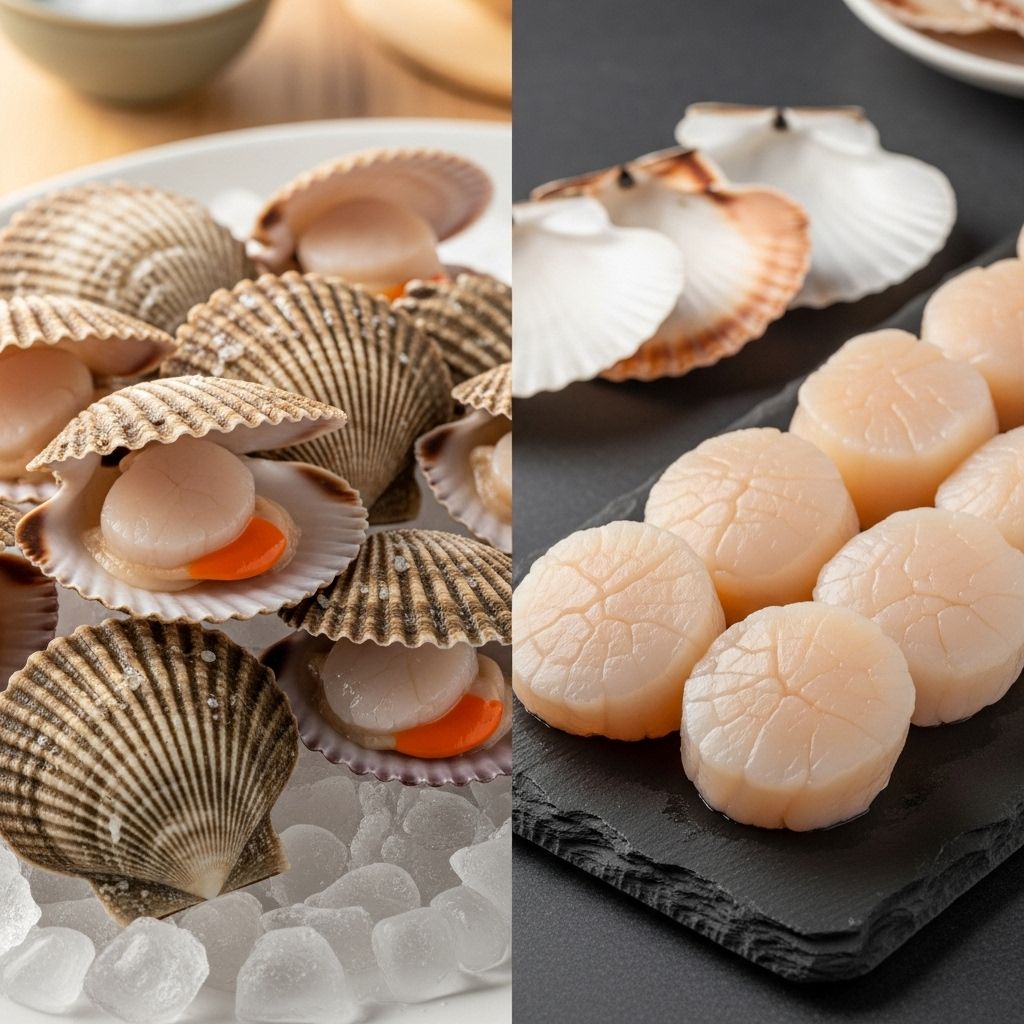
Scallops are a beloved seafood delicacy, prized for their sweet, delicate flavor and tender texture. While bay scallops and sea scallops may look similar at first glance, they have distinct differences in size, taste, texture, and best culinary uses. Understanding these differences is key to picking the right type for your recipe and ensuring a delicious meal every time.
What Are Scallops?
Scallops are bivalve mollusks, similar to clams, mussels, and oysters. They have two hinged shells and a soft, edible adductor muscle, which is the part commonly consumed. Scallops are harvested from both shallow coastal waters (bay scallops) and deeper offshore regions (sea scallops), and their habitat significantly influences their characteristics.
Types of Scallops
In the United States, two main types of scallops are available in markets: bay scallops and sea scallops. Here’s a quick overview of each:
- Bay Scallops: Small, sweet, and tender, harvested from shallow coastal bays and estuaries.
- Sea Scallops: Large, meaty, and slightly briny, found in deeper ocean waters.
Differences Between Bay and Sea Scallops
| Feature | Bay Scallops | Sea Scallops |
|---|---|---|
| Size | Small, about 1/2 inch in diameter—marble-sized | Large, 1.5–2 inches in diameter—three times bigger |
| Texture | Tender and delicate | Firm and chewy |
| Flavor | Sweeter, more subtle | Mild, slightly briny, richer |
| Harvest Location | Shallow bays and estuaries | Deeper ocean waters |
| Price | Generally less expensive | More expensive |
| Best Cooking Methods | Quick sauté, stir-fry, pasta, chowder | Searing, grilling, roasting, as a main dish |
While both types of scallops are versatile, the choice between them can make or break a recipe, depending on the desired texture, flavor, and presentation.
Bay Scallops: The Petite Powerhouse
Bay scallops are the smaller, sweeter cousins of sea scallops. They are typically about the size of a marble, harvested from shallow coastal waters where their environment contributes to their succulent texture and natural sweetness.
Appearance and Flavor
Bay scallops are small, usually light tan to pale pink, and have a tender, almost buttery texture. Their flavor is delicate and subtly sweet, making them a favorite for dishes that highlight their natural taste.
Culinary Uses
Due to their small size and quick cooking time (just 1–2 minutes), bay scallops are perfect for:
- Sauteed dishes with garlic, butter, and white wine
- Seafood chowders and soups
- Stir-fries and pasta dishes
- Lightly breaded and fried as appetizers
- Creamy risottos and salads
Their sweet flavor pairs well with fresh herbs like parsley and dill, bright citrus, and light creamy sauces. Bay scallops are also more budget-friendly, making them popular for home cooks and weeknight meals.
Buying Tips
- Look for fresh, moist scallops without any fishy or ammonia-like odor.
- Avoid scallops that appear dry or have a yellowish tint.
- Buy from reputable seafood markets with high turnover.
Sea Scallops: The Main Attraction
Sea scallops are the larger, more robust option, typically harvested from deeper ocean waters. Their size and texture make them ideal for dishes where scallops play the starring role.
Appearance and Flavor
Sea scallops are much larger, often 1.5–2 inches in diameter, and have a firm, meaty texture. Their flavor is mild with a hint of brininess, and they can take on bolder seasonings and accompaniments.
Culinary Uses
Sea scallops shine in dishes where their size and texture can be highlighted, such as:
- Searing with a golden, caramelized crust
- Grilling or roasting
- Serving as a main protein with rich sauces (e.g., beurre blanc, brown butter)
- Pairing with bacon, truffle oil, or roasted vegetables
Sea scallops are often the centerpiece of a meal, rather than a supporting ingredient. Their impressive presentation and luxurious feel make them perfect for special occasions.
Buying Tips
- Opt for dry-packed scallops (not soaked in preservative liquids) for the best sear.
- Look for scallops that are creamy white or light pink, with no strong fishy odor.
- Choose fresh over frozen for premium texture and flavor.
How to Cook Scallops Perfectly
Cooking scallops is quick and straightforward, but technique matters—especially for achieving a perfect sear on sea scallops.
Bay Scallops
- Pat dry to remove excess moisture.
- Heat a pan with butter or oil over medium-high heat.
- Add scallops and cook for 1–2 minutes, stirring gently.
- Season lightly; their delicate flavor shines with subtle seasoning.
Sea Scallops
- Pat dry thoroughly—dry scallops caramelize better.
- Season with salt and pepper.
- Heat a pan with oil or butter until very hot.
- Sear for 2–3 minutes per side until golden and just cooked through.
- Avoid overcrowding the pan to ensure a good crust.
Nutrition and Sustainability
Scallops are a lean source of protein, low in calories, and rich in omega-3 fatty acids, vitamin B12, and minerals like magnesium and potassium. Both bay and sea scallops offer similar nutritional profiles, making them a healthy seafood choice.
When possible, choose scallops that are sustainably harvested, certified by organizations like the Marine Stewardship Council, to support ocean health and responsible fishing practices.
Recipe Ideas
Bay Scallops
- Garlic Butter Bay Scallops over Pasta
- Creamy Bay Scallop Chowder
- Bay Scallop Ceviche
- Bay Scallops with Lemon and Herbs
Sea Scallops
- Pan-Seared Sea Scallops with Beurre Blanc
- Grilled Sea Scallops with Bacon and Corn
- Sea Scallops with Brown Butter and Sage
- Sea Scallop Skewers with Citrus Glaze
Cooking Tips and Tricks
- Never overcook scallops—they become tough and rubbery.
- Use high heat for searing sea scallops to get a caramelized crust.
- Add bay scallops at the last minute to hot dishes to preserve tenderness.
- Avoid soaking scallops in water; this dilutes their flavor.
Frequently Asked Questions (FAQs)
Can bay and sea scallops be used interchangeably?
While both are delicious, their sizes and textures differ significantly. Bay scallops cook much faster and are better suited for quick dishes, while sea scallops are ideal for searing and serving as a main course. Substituting one for the other may affect the texture and cooking time of your dish.
Are scallops safe to eat raw?
Quality scallops sourced from clean waters can be eaten raw in dishes like ceviche or tartare, but always buy from reputable suppliers to minimize risk.
How do I know if scallops are fresh?
Fresh scallops should smell clean and briny, not fishy. They should look moist and have a firm texture.
What’s the difference between dry-packed and wet-packed scallops?
Dry-packed scallops are untreated and better for searing. Wet-packed scallops are treated with a solution to preserve moisture, which can make them harder to brown.
Are bay scallops always wild-caught?
Most bay scallops in the U.S. are wild-caught, especially from locations like Nantucket or Cape Cod, though some are farmed.
What’s the best way to thaw frozen scallops?
Thaw overnight in the refrigerator in a sealed container to maintain quality and food safety.
Conclusion
Bay and sea scallops each bring unique qualities to the table—bay scallops with their sweet, tender bite and quick-cooking convenience, and sea scallops with their meaty texture and dramatic presentation. Understanding their differences empowers you to choose the right scallop for every occasion, whether you’re whipping up a quick weeknight pasta or hosting a gourmet dinner party.
By selecting high-quality scallops, mastering a few simple cooking techniques, and pairing them with complementary flavors, you can enjoy restaurant-worthy seafood dishes at home any night of the week.
Similar Articles




Read full bio of Sneha Tete