12 Top Foods That Help Lower Cholesterol Naturally
Explore science-backed foods and eating strategies to reduce cholesterol and promote better heart health.
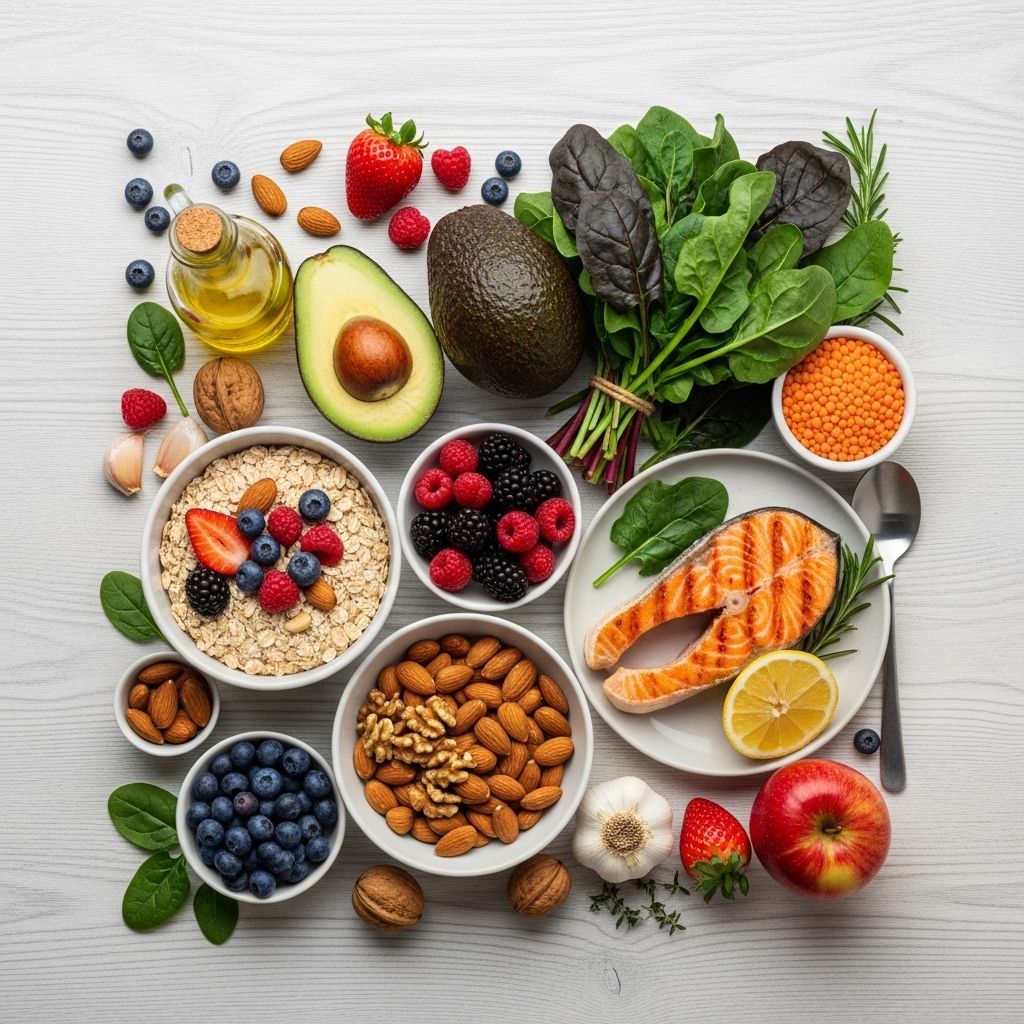
Cholesterol is a waxy, fat-like substance that’s essential for building healthy cells, but having too much can increase your risk of heart disease. With cardiovascular disease as a leading cause of death globally, finding ways to lower ‘bad’ LDL cholesterol and raise ‘good’ HDL cholesterol is a priority for many. While genetics and lifestyle play significant roles, what you eat can be a powerful tool in managing your cholesterol. This article explores twelve science-backed foods and strategies proven to help lower cholesterol naturally, plus tips for making them part of your daily routine.
Understanding Cholesterol: LDL vs. HDL
Cholesterol travels through your bloodstream in particles called lipoproteins. There are two primary types:
- Low-Density Lipoprotein (LDL) Cholesterol: Often called ‘bad’ cholesterol, high levels can lead to plaque buildup in arteries, raising heart disease risk.
- High-Density Lipoprotein (HDL) Cholesterol: Referred to as ‘good’ cholesterol, it picks up excess cholesterol and returns it to the liver for removal.
Dietary changes can help lower LDL cholesterol and support overall heart health. Let’s look at the most effective foods and how they work.
1. Oats and Other Whole Grains
Starting your day with a bowl of oatmeal or incorporating barley and other whole grains into your diet is proven to lower cholesterol. The secret is soluble fiber, particularly beta-glucan, which binds to cholesterol in the digestive system and removes it from the body.
- Just 1.5 cups of cooked oatmeal or 1 cup of cooked barley provides about 3 grams of soluble fiber, the amount linked with cholesterol reduction benefits.
- Other good sources include whole grain breads, brown rice, and quinoa.
Adding berries, chopped nuts, or flaxseed to oatmeal increases the heart benefits even further.
2. Beans, Lentils, and Other Legumes
Beans (like kidney, black, and navy), lentils, and chickpeas are high in soluble fiber and protein. They’re slow to digest, making you feel full longer and helping control calorie intake—a key part of managing cholesterol.
- Research has found that eating just a half-cup of beans daily can lower LDL cholesterol by about 5%.
- Try adding them to salads, soups, stews, or pureed for dips like hummus.
3. Nuts and Seeds
Nuts and seeds like almonds, walnuts, pistachios, chia, and flaxseed are packed with heart-healthy fats, fiber, plant sterols, and antioxidants. Consuming a handful daily (around 1–1.5 ounces) has been linked to reduced total and LDL cholesterol levels.
- Walnuts are especially high in omega-3 fatty acids.
- Chia and flaxseeds are rich in soluble fiber and can be sprinkled on yogurt, salads, or smoothies.
Tip: Choose unsalted, raw, or dry-roasted varieties for optimal benefits.
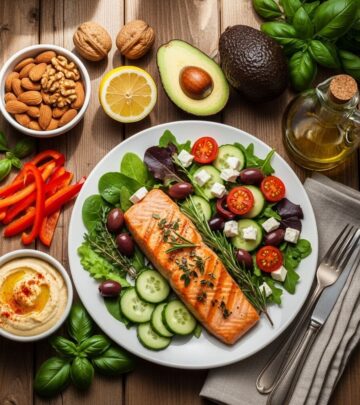
4. Fatty Fish
Fatty fish are top sources of omega-3 fatty acids, which help lower triglycerides (another blood fat) and support healthy cholesterol levels. Omega-3s also may reduce inflammation and improve the health of your arterial lining.
- Examples include salmon, mackerel, albacore tuna, sardines, and trout.
- Aim for at least two servings per week according to heart health guidelines.
5. Fruits, Especially Berries and Apples
Fruits are rich in soluble fiber, antioxidants, and plant compounds called polyphenols that support healthy cholesterol levels. Berries (blueberries, strawberries, raspberries), apples, grapes, and citrus fruits are particularly effective.
- Pectin, a type of soluble fiber found in apples, grapes, and citrus, binds cholesterol and helps eliminate it.
- Berries are high in anthocyanins, antioxidant compounds that offer additional cardiovascular protection.
Add fruit to breakfast cereals, salads, or eat as a snack to boost your daily intake.
6. Vegetables, Especially Okra, Eggplant, and Leafy Greens
All vegetables are good for your heart, but some provide extra cholesterol-lowering effects. Okra and eggplant are rich in soluble fiber, while leafy greens like spinach and kale contain lutein and other antioxidants that help keep arteries clear.
- Vegetables are also low in calories, making them excellent for weight management, another way to lower cholesterol.
- Raw, grilled, roasted, or sautéed: try to fill half your plate with veggies at each meal.
7. Plant Sterols and Stanols
Plant sterols and stanols are natural substances found in small amounts in fruits, vegetables, nuts, and grains. They block the absorption of cholesterol in the intestine, helping lower LDL cholesterol levels.
- Many foods now fortify products like margarines, orange juice, and yogurt with sterols and stanols.
- Consuming just 2 grams daily can lower LDL cholesterol by up to 10%.
8. Soy Foods
Soybeans and soy-based foods (like tofu, tempeh, soy milk, and edamame) have been shown to reduce LDL cholesterol when consumed regularly. Soy contains protein and isoflavones, plant compounds that can improve lipid profiles.
- Enjoy a stir-fry with tofu, roasted edamame as a snack, or swap soy milk for dairy on cereal.
- Replacing animal protein with soy also reduces saturated fat intake, further benefiting cholesterol.
9. Avocado
This creamy fruit is a particularly rich source of monounsaturated fats and fiber—two key nutrients for maintaining healthy cholesterol. Studies show eating one avocado per day can lower LDL cholesterol, particularly in people who are overweight or obese.
- Add sliced avocado to salads, toast, or smoothies for a heart-healthy boost.
- Guacamole is a delicious dip but watch the added salt and chips.
10. Olive Oil
Olive oil, a staple of the Mediterranean diet, is high in monounsaturated fat and antioxidants called polyphenols. Swapping out butter or margarine for olive oil can significantly improve cholesterol profiles.
- Use extra-virgin olive oil in salad dressings, drizzle over vegetables, or use for sautéing.
- Two tablespoons a day may help lower LDL cholesterol without affecting HDL.
11. Dark Chocolate & Cocoa
In moderation, dark chocolate and cocoa products (with at least 70% cocoa content) provide heart-protective benefits due to flavonoids which can lower cholesterol and improve blood flow. The key is moderation due to their calorie and fat content.
- Mix cocoa powder into oatmeal or choose a small square of dark chocolate as a treat.
- Aim for 1 ounce (about 28g) or less to keep calories in check.
12. Tea
Both black and green tea contain antioxidant polyphenols, including catechins, that help reduce cholesterol absorption and plaque buildup in arteries. Regular consumption has been linked to improved lipid profiles and a reduced risk of heart disease.
- Drink unsweetened tea hot or cold, add a squeeze of lemon for extra antioxidants.
- Herbal teas may offer health benefits, but it’s black and green tea that have cholesterol-lowering effects.
Lifestyle Tips for Maximum Cholesterol Control
- Limit saturated and trans fats: Found in fatty meats, full-fat dairy, and processed foods, these can raise LDL cholesterol. Opt for lean meats, low-fat dairy, and plant oils instead.
- Choose fiber-rich foods: Soluble fiber binds cholesterol in the gut and helps eliminate it. Aim for 25–30 grams of fiber daily from whole grains, legumes, fruits, and vegetables.
- Increase physical activity: Regular exercise raises HDL cholesterol and lowers LDL, triglycerides, and blood pressure.
- Maintain a healthy weight: Excess body weight is linked to elevated cholesterol and heart disease risk.
- Avoid smoking and limit alcohol: Smoking lowers HDL cholesterol, while too much alcohol can raise triglycerides.
Sample Cholesterol-Lowering Meal Plan
| Meal | Example Foods |
|---|---|
| Breakfast | Oatmeal with blueberries, walnuts, and soy milk |
| Lunch | Chickpea salad with avocado, spinach, cherry tomatoes, and olive oil vinaigrette |
| Snack | Apple slices with almond butter |
| Dinner | Grilled salmon, quinoa, roasted eggplant and mixed vegetables |
| Evening | Small square of dark chocolate and a cup of green tea |
Frequently Asked Questions (FAQs)
Q: How much can diet lower cholesterol?
A: Making consistent dietary changes can lower LDL cholesterol by 5–10%, and in some cases up to 20%. The impact varies based on genetics and overall lifestyle.
Q: Should I avoid all fats if I have high cholesterol?
A: No. While you should limit saturated and trans fats, healthy fats from nuts, seeds, avocado, and oily fish can actually help lower LDL and raise HDL cholesterol.
Q: How quickly will I see results from changing my diet?
A: It’s possible to see noticeable reductions in cholesterol in as little as 4–6 weeks, but most people see the greatest benefits after three months or more of sustained healthy eating.
Q: Are there foods I should avoid to lower cholesterol?
A: Yes. Limit processed meats, full-fat dairy, baked goods, fried foods, and foods with added sugars, as these may raise LDL and lower HDL cholesterol.
Q: Is it possible to lower cholesterol without medication?
A: For many people, diet and lifestyle changes alone can make a significant impact. However, some individuals may still require medication based on their risk factors and cholesterol levels. Always consult your healthcare provider for a personalized plan.
Conclusion: The Takeaway on Cholesterol-Lowering Foods
Lowering cholesterol naturally is achievable by making smart dietary choices and adopting a healthy lifestyle. Emphasize foods high in soluble fiber, plant-based protein, monounsaturated fats, and antioxidants—like those described above—for optimal heart health. While no single food is a magic bullet, consistent meals rich in these ingredients, alongside regular exercise and other healthy habits, can make a significant difference in your cholesterol numbers and long-term cardiovascular wellness.
Similar Articles




Read full bio of Sneha Tete