How to Exercise Safely at Home: Expert Tips and Guidelines
Stay active and injury-free at home by following expert advice on protecting joints, creating a safe workout space, and selecting the right gear.
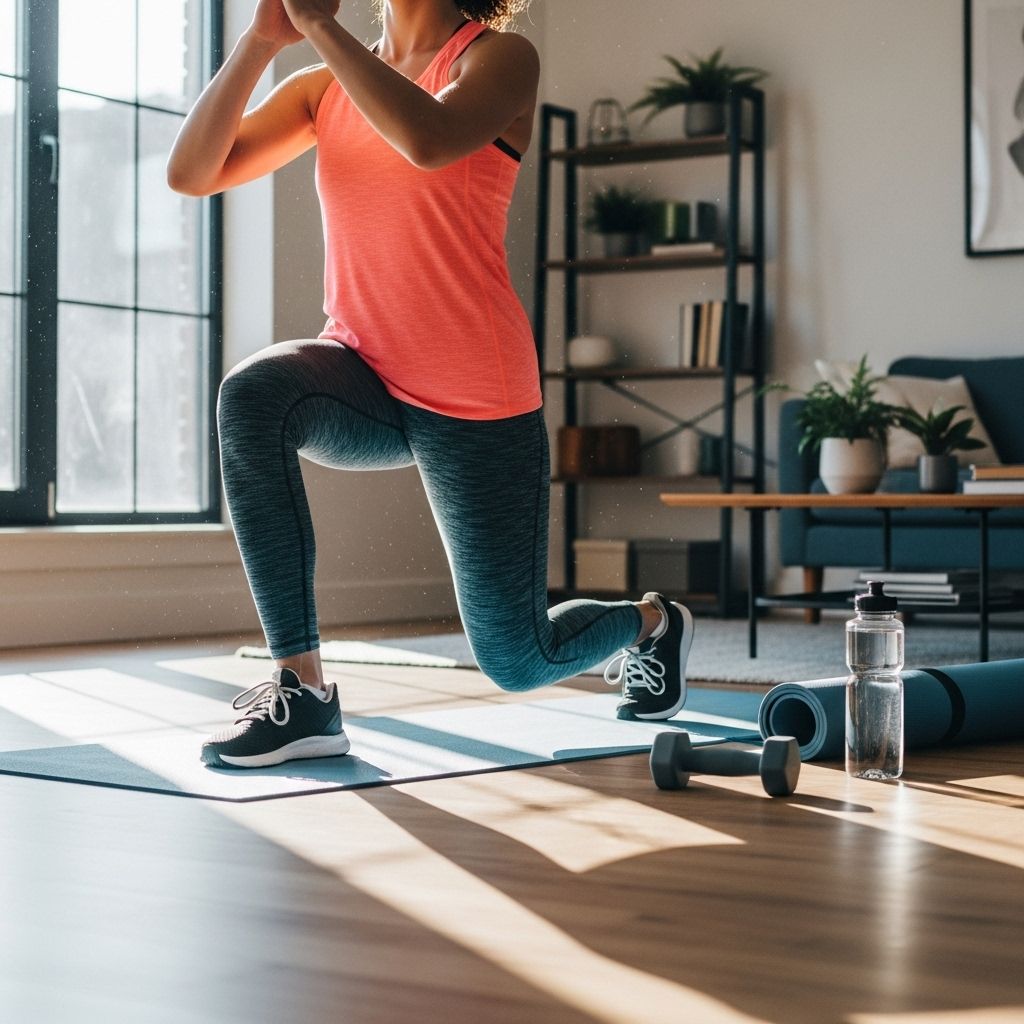
As at-home fitness becomes increasingly popular, many people are discovering the convenience and flexibility of exercising without visiting a gym. However, working out at home introduces new considerations for safety and effectiveness. This comprehensive guide synthesizes expert advice to ensure your at-home workouts help you meet your fitness goals—without unnecessary risk of injury.
Introduction: The Rise of Home Workouts
The shift toward exercising at home has accelerated in recent years, especially during circumstances like the COVID-19 pandemic. While home workouts are accessible and free of many logistical hassles—no travel time, crowded gyms, or waiting for machines—safe exercise still requires thoughtful preparation and mindful practices. This article details six essential strategies for maximizing safety and results in your home fitness routine.
1. Protect Your Joints
Your joints—including the knees, ankles, hips, shoulders, and wrists—are the unsung heroes in any workout regimen. While they already sustain the body’s weight with every movement throughout the day, exercise imposes additional strain and load, which, if not addressed, can result in injury or chronic soreness.
- Choose the right surface: Use an exercise mat to provide necessary cushioning. This is particularly important for bodyweight routines, strength training, and exercises involving jumping or impact. Mats help buffer shocks to your joints when bending, landing, or bearing weight.
- Assess your carpet: Sometimes, a carpeted area can suffice if it is thick, even, and provides noticeable padding underfoot. However, if you experience unusual soreness after carpet-based workouts, transition to a dedicated exercise mat for added protection.
- Monitor for pain: Watch for persistent soreness in your knees, hips, ankles, or wrists, as these could be early signs of overuse or insufficient joint support. Early attention prevents minor aches from becoming injuries.
2. Clear Out Plenty of Space
The home environment introduces unique risks that may not be present in a well-designed gym. Clutter, loose rugs, coffee tables, and heavy furniture can turn a simple misstep into a painful accident. Creating a dedicated, hazard-free workout zone dramatically lowers these risks.
- Tidy up your zone: Before every session, remove loose items, stray toys, cords, shoes, or any other objects that could trip you or impede your movement. Push back furniture if needed.
- Prioritize non-slip surfaces: Place your exercise mat on a firm, non-slip surface. If your routine includes jumping or plyometrics, use a mat with a non-slip bottom. A mat that moves as you land poses a significant risk for falls and joint injuries.
- Check lighting and clearance: Ensure the workout area is well-lit and that you have both vertical and horizontal clearance. Allow enough space for full-body movements, extended arms, or jumping.
3. Proper Footwear Still Matters
Just because you’re at home doesn’t mean you should ignore the importance of footwear. The right shoes provide support, stability, and cushioning crucial for injury prevention—even when your living room is your gym.
- Select activity-appropriate shoes: For strength training, HIIT, or circuit training, choose training shoes with lateral support. Running shoes, while ideal for forward motion, may lack the lateral stability needed for multidirectional exercises.
- Avoid unsafe options: Do not exercise in socks, slippers, flip-flops, or unsupportive house shoes. These increase the risk of slips, falls, or ankle injuries.
- When bare feet are okay: Certain routines—such as yoga, Pilates, or tai chi—encourage barefoot movement for improved proprioception and grip. In these cases, ensure your surface is clean and free of sharp objects.
4. Focus on Proper Form and Technique
Correct exercise technique is your best defense against sprains, strains, and chronic injuries. Without guidance from trainers or workout partners, at-home exercisers must pay extra attention to form.
- Start slow: When beginning a new exercise or routine, focus first on mastering form rather than adding weight or increasing reps.
- Use mirrors or video: Consider positioning a mirror in your workout zone or recording yourself with your phone for feedback. This allows you to observe alignment, posture, and movement patterns.
- Watch out for pain: Recognize the difference between muscle fatigue and pain. Stop immediately if you feel sharp, shooting, or joint-specific pain—especially in the back, neck, hips, knees, or wrists.
- Maintain alignment: Keep core engaged and move with control. Avoid using momentum to complete movements, as this puts undue stress on joints and increases injury risk.
5. Choose Equipment Wisely
Most home workouts can be completed with minimal or no equipment, but incorporating gear—when done safely—can enhance variety and effectiveness. Inspect and select your fitness tools with care.
- Check equipment condition: Inspect resistance bands, dumbbells, and other gear before every use. Look for signs of wear, fraying, or loose parts. Discontinue use if damage is found.
- Start with essentials: Build your kit with basics that suit your goals: a mat, a couple of dumbbells or kettlebells, and resistance bands. Avoid crowding your space with advanced or bulky equipment unless you have the space and understand safe setup.
- Store safely: After workouts, store all equipment off the floor and away from high-traffic areas to prevent accidental trips and falls.
6. Listen to Your Body and Prevent Injury
In an unsupervised environment, it’s easy to overlook signals your body is sending. Injuries often occur when these cues are ignored in favor of pushing harder or faster. Prioritizing regular self-checks boosts both safety and long-term results.
- Warm up before, cool down after: Always begin with a five to ten minute warm-up—such as light cardio plus dynamic stretching—to prepare your muscles and joints. Finish your session with static stretching and low-intensity movement to facilitate recovery.
- Hydrate: Drink water before, during (if longer or more intense sessions), and after your workout. Dehydration can impair performance, concentration, and your body’s ability to recover.
- Pay attention to warning signs: If you feel dizzy, lightheaded, or nauseous, stop exercising and allow yourself to recover before continuing.
- Plan for gradual progression: Increase workout intensity, duration, and complexity gradually rather than all at once. Sudden increases are linked to a higher incidence of injuries.
- Avoid distractions: Stay focused on your activity, especially if multitasking at home (such as watching TV or managing a child). Divided attention can lead to loss of balance or missteps.
- Keep a phone nearby: Particularly for those exercising alone, have a charged phone within reach in case emergency assistance is needed.
Home Exercise Safety Checklist
Run through this quick checklist before each workout to reinforce safe habits:
- Have you consulted a doctor if you have pre-existing medical conditions?
- Is your workout area clean, clutter-free, and free of tripping hazards?
- Are you using the right mat and proper footwear for your chosen exercise?
- Do you have sufficient space for all movements?
- Is all equipment in good, safe condition?
- Are you planning a proper warm-up and cool-down?
- Are you ready to focus on form, not just speed or quantity?
- Do you have water and a phone nearby?
- Have you informed someone about your workout schedule if you’re home alone?
Sample Safe Home Workout Routine
| Activity | Duration | Safety Tips |
|---|---|---|
| Warm-up (marching, arm circles) | 5-10 minutes | Start at low intensity, use stable surfaces. |
| Bodyweight squats | 2 sets of 12-15 reps | Use a mat to protect joints, keep knees aligned over toes. |
| Push-ups (knee or full) | 2 sets of 8-12 reps | Keep wrists over shoulders; use padding if wrists are sensitive. |
| Standing lunges | 2 sets of 10 reps per side | Ensure enough space, step so front knee stays over ankle. |
| Plank hold | 2 x 30 seconds | Perform on a non-slip mat, engage core throughout. |
| Cool-down stretches | 5-10 minutes | Focus on deep, slow breathing and gentle stretches. |
Frequently Asked Questions (FAQs)
How much space do I really need for a safe home workout?
Aim for an area at least the length of your body in all directions (typically about 6-8 feet square) for most routines. More space may be needed for jumping exercises or full yoga flows.
Is it safe to do high-impact exercises like jumping at home?
Yes, provided you use a high-quality, non-slip exercise mat and ensure there is nothing to trip over in your space. Always check that your joints feel supported and reduce intensity if any pain develops.
Can I work out at home with no equipment?
Absolutely. Many effective routines use just your body weight for resistance. Focus on controlled, multi-joint movements like squats, lunges, push-ups, and planks.
How important is warming up and cooling down?
Warming up prepares your muscles and joints, reducing the risk of strains and injuries. Cooling down aids recovery and helps reduce soreness. Both are essential parts of any workout, whether at home or in the gym.
What should I do if I feel pain during a workout?
Stop immediately. Assess the pain: if it’s sharp, shooting, or centered in a joint, stop the workout and rest. If the pain persists, consult a medical professional before resuming exercise.
Conclusion: Make Safety a Habit for Lasting Success
Establishing a consistent, safe home workout routine is a proactive investment in your health and well-being. By protecting your joints, creating a hazard-free space, using proper gear, maintaining good form, choosing equipment wisely, and listening to your body’s signals, you set the stage for sustainable fitness progress without setbacks. Remember: safety is not a restriction but an enabler—helping you stay healthy, motivated, and active for the long term.
Similar Articles







Read full bio of medha deb