How to Tell If Ground Turkey Has Gone Bad: A Complete Safety Guide
Ensure your meals stay safe and delicious by learning the essential signs of spoilage and smart practices for handling and storing ground turkey.
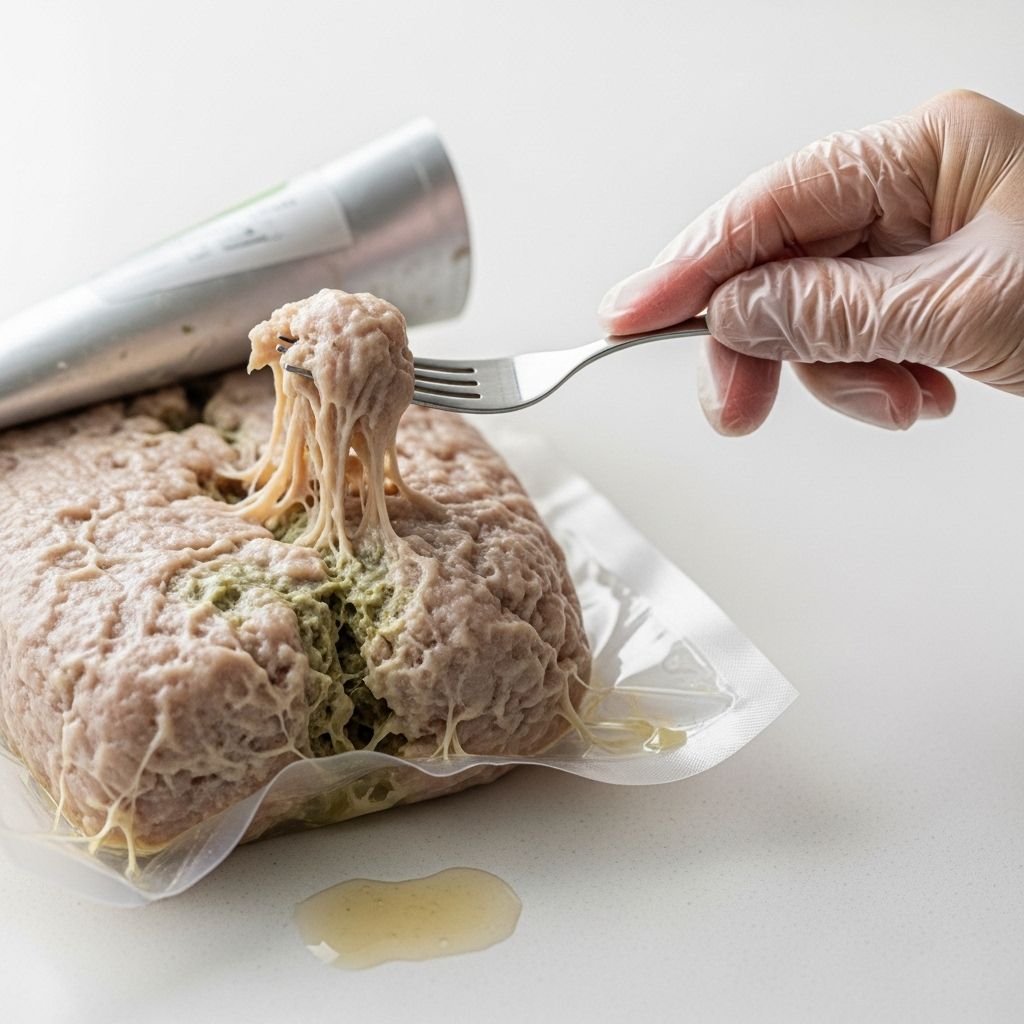
Ground turkey is a popular, lean protein chosen by many households for its versatility, flavor, and health benefits. From burgers to tacos and casseroles, it’s a staple ingredient in many kitchens. However, knowing how to tell if ground turkey has gone bad is essential for food safety and preventing foodborne illness. This comprehensive guide covers all the critical signs of spoilage, trusted handling and storage tips, and answers to frequently asked questions about keeping ground turkey safe and fresh.
Why Food Safety Matters with Ground Turkey
Ground turkey, like all ground meats, is especially vulnerable to spoiling due to increased surface area and the potential of bacteria spreading during grinding. Consuming spoiled turkey can cause food poisoning, so it’s crucial to recognize the warning signs and follow safe handling practices to avoid illness.
Top Signs Ground Turkey Has Gone Bad
Trusting your senses can help you avoid spoiled meat. There are four main ways to check if your ground turkey is still safe:
- Check the Date: Always start with the “use by,” “sell by,” or “freeze by” date on the package. Ground turkey should be cooked or frozen within 1–2 days of purchase.
- Assess the Color: Fresh ground turkey is light pink. If it has turned gray, brown, or shows dull, faded spots, it’s likely spoiled.
- Smell the Meat: Fresh ground turkey has little to no smell. Any sour, rancid, or rotten odor is a clear sign of spoilage.
- Feel the Texture: Turkey should feel slightly moist but not sticky or slimy. A sticky, tacky, or slimy surface is a strong indicator of bacteria growth and spoilage.
Visual Guide: What Fresh vs. Spoiled Ground Turkey Looks Like
| Sign | Fresh Ground Turkey | Spoiled Ground Turkey |
|---|---|---|
| Color | Light pink, even tone | Gray, brown, green, or dull |
| Smell | Mild, meaty, neutral | Pungent, sour, rotten |
| Texture | Slightly moist, crumbly | Sticky, tacky, slimy |
| Packaging | Sealed, no bulging | Puffed up, leaking, or excessive liquid |
Step-By-Step: How to Check If Your Ground Turkey Is Still Good
1. Check the Date Label
The USDA recommends cooking or freezing ground turkey within one or two days of purchasing or by the “sell by” date. These dates are crucial for food safety. Freezing pauses bacterial growth but only until the turkey is thawed — the freshness clock resumes once it’s defrosted.
- If the ground turkey is past its “use by” or “sell by” date, especially if it’s been in the fridge more than two days, it’s best to discard it.
2. Inspect the Color
Raw ground turkey should have a healthy pink tone throughout. If you notice the color fading to gray, or see brown, green, or yellow hues, it could indicate oxidation or bacteria growth — both unsafe for consumption.
- Even a slight dullness in color can mean it should be cooked immediately or tossed.
3. Smell for Off Odors
Fresh turkey has a subtle, neutral scent. Give it a whiff before using. A strong, unpleasant, or “off” odor is one of the most reliable indicators of spoilage.
- Common bad smells include sourness, rotten eggs, sulfur, or sweetness. Never risk cooking ground turkey that smells odd – harmful bacteria can survive even high cooking temperatures.
4. Test the Texture
Safe ground turkey feels slightly moist and separates easily. If you touch the meat and feel sliminess, or if it sticks to your fingers excessively, that’s a sign bacteria have multiplied to unsafe levels.
- Discard immediately if the meat feels tacky or slimy; do not rinse or attempt to salvage.
5. Check the Package
Bulging packaging, damaged seals, or excessive fluid inside the package often signal bacterial activity and spoilage. Always inspect the package before buying and again before using.
- Never purchase or use ground turkey with torn packaging or leaks.
Important: Do Not Taste to Test!
The USDA strongly advises against tasting raw or cooked meat to determine its safety. Eating even a small amount of spoiled turkey can cause serious illness.
- If you’re ever unsure, err on the side of caution and discard questionable meat.
What Causes Ground Turkey to Spoil Quickly?
There are several reasons ground turkey is especially perishable:
- High surface area increases exposure to air and bacteria.
- Poultry naturally harbors more bacteria than some other meats, including Salmonella and Campylobacter.
- Bacteria multiply rapidly at room temperature or in improperly sealed packages.
How to Safely Store Ground Turkey
Proper storage is the most effective way to extend the shelf life of ground turkey and prevent spoilage.
Refrigeration
- Keep ground turkey in the coldest part of your fridge (below 40°F/4°C) and use it within 1–2 days.
- If you won’t use it in that timeframe, freeze it as soon as possible.
- Store unopened packages in their original packaging. If opened, place in a resealable bag or airtight container.
Freezing
- For best texture and taste, use frozen ground turkey within 3–4 months. However, at 0°F, it is technically safe indefinitely.
- Label packages with freeze date for easy tracking.
- Defrost only in the refrigerator, never at room temperature.
After Cooking
- Cool ground turkey dishes quickly and refrigerate leftovers within 2 hours. In hot weather (above 90°F/32°C), refrigerate within 1 hour.
- Store leftovers in shallow, airtight containers to speed up cooling and prevent bacterial growth.
- Eat refrigerated leftovers within 3–4 days; freeze longer-term.
Safe Handling and Cooking Tips
Proper kitchen practices reduce the risk of spoilage and foodborne illness.
- Wash hands thoroughly before and after handling raw meat.
- Sanitize all surfaces and utensils that contact raw ground turkey.
- Cook ground turkey to an internal temperature of 165°F (74°C) as measured by a food-safe thermometer.
- Never leave raw or cooked ground turkey at room temperature longer than 2 hours (or 1 hour above 90°F/32°C).
Frequently Asked Questions (FAQs)
Q: Can you cook and eat ground turkey past the ‘sell by’ date?
The ‘sell by’ date is a freshness guideline, not a hard expiration. If stored properly and showing no signs of spoilage (good smell, color, texture), it may still be safe up to a day or two later. Always check for visual and sensory signs before using.
Q: Does cooking spoiled ground turkey make it safe?
No. Some bacteria, such as certain toxins produced by Staphylococcus aureus, are heat-stable and survive cooking. If the turkey smells bad, looks off, or feels slimy, discard it rather than risk illness.
Q: Is it safe to refreeze thawed ground turkey?
If the turkey was thawed in the refrigerator and remained cold (under 40°F), it can be safely refrozen. However, repeated freezing and thawing may affect texture and flavor. Discard any thawed turkey left out at room temperature for more than 2 hours.
Q: What should I do if I accidentally eat questionable ground turkey?
Monitor for signs of food poisoning: nausea, vomiting, diarrhea, stomach cramps, or fever. If symptoms are severe or last more than a day, contact a healthcare professional immediately. When in doubt, call the USDA Meat and Poultry Hotline for advice.
Q: How can I extend the shelf life of ground turkey in my kitchen?
- Buy the freshest available packages with the latest date.
- Refrigerate or freeze immediately after purchase.
- Portion and freeze meat if you don’t plan to use it soon.
Quick Reference: Safe Ground Turkey Handling Timeline
| Action | Maximum Time |
|---|---|
| In fridge, unopened | 1–2 days |
| In fridge, opened | 1 day |
| Frozen | Best within 3–4 months |
| Cooked, in fridge | 3–4 days |
| Cooked, frozen | 2–3 months for best quality |
What to Do If You’re Unsure
If you have any doubts about the freshness or safety of your ground turkey, it is always best to err on the side of caution. The cost of replacement is far less than the cost of a serious illness. For additional questions, you can reach out to the USDA Meat and Poultry Hotline at 1-888-674-6854 (weekdays 10 am–6 pm ET).
Final Thoughts: Keep Your Kitchen Safe
Being able to identify spoiled ground turkey quickly can help prevent food waste, protect your family’s health, and ensure every turkey dish is as safe as it is delicious. By checking the date, inspecting color and odor, and ensuring proper storage, you can safely enjoy all your favorite ground turkey recipes.
Summary Tips for Safe Ground Turkey
- 1–2 days in fridge: Use or freeze ground turkey promptly.
- Color, smell, texture: Trust your senses—if anything seems off, discard the meat.
- Never taste test raw turkey: Safety first!
- Cook to 165°F: Verify doneness for every batch.
- Store leftovers safely: Refrigerate within 2 hours, enjoy within 3–4 days.
Frequently Asked Questions (FAQs)
Q: Are there visual signs other than color to watch for?
Yes. Look for excessive liquid, bubbles, or packaging that is bloated, torn, or leaking. This can signal spoilage gases and bacterial activity.
Q: Can ground turkey emit gas if spoiled?
Yes. Bacterial growth sometimes releases gas, causing packaging to swell or smell unnaturally sour when opened.
Q: Should I rinse ground turkey before cooking?
No. Rinsing raw poultry is not recommended, as it spreads bacteria to sinks and kitchen surfaces, increasing risk of cross-contamination.
Q: What’s the most reliable sign of spoilage?
Smell is often the best clue. Any strong, sour, rotten, or odd scent is a danger sign. However, even if only one sign—color, odor, or texture—seems off, discard the turkey.
Q: What should I do with ground turkey that looks or smells fine but is past its date?
If it’s over a day or two past the recommended date and you notice any change in color, smell, or texture, it is safer to discard it. If it seems unchanged and has been properly stored, it may be okay to use, but use extra caution.
Similar Articles








Read full bio of medha deb