The Rheumatoid Arthritis Diet Plan: What to Eat for Relief
Discover how a Mediterranean-style eating pattern and anti-inflammatory foods can help you manage rheumatoid arthritis symptoms.
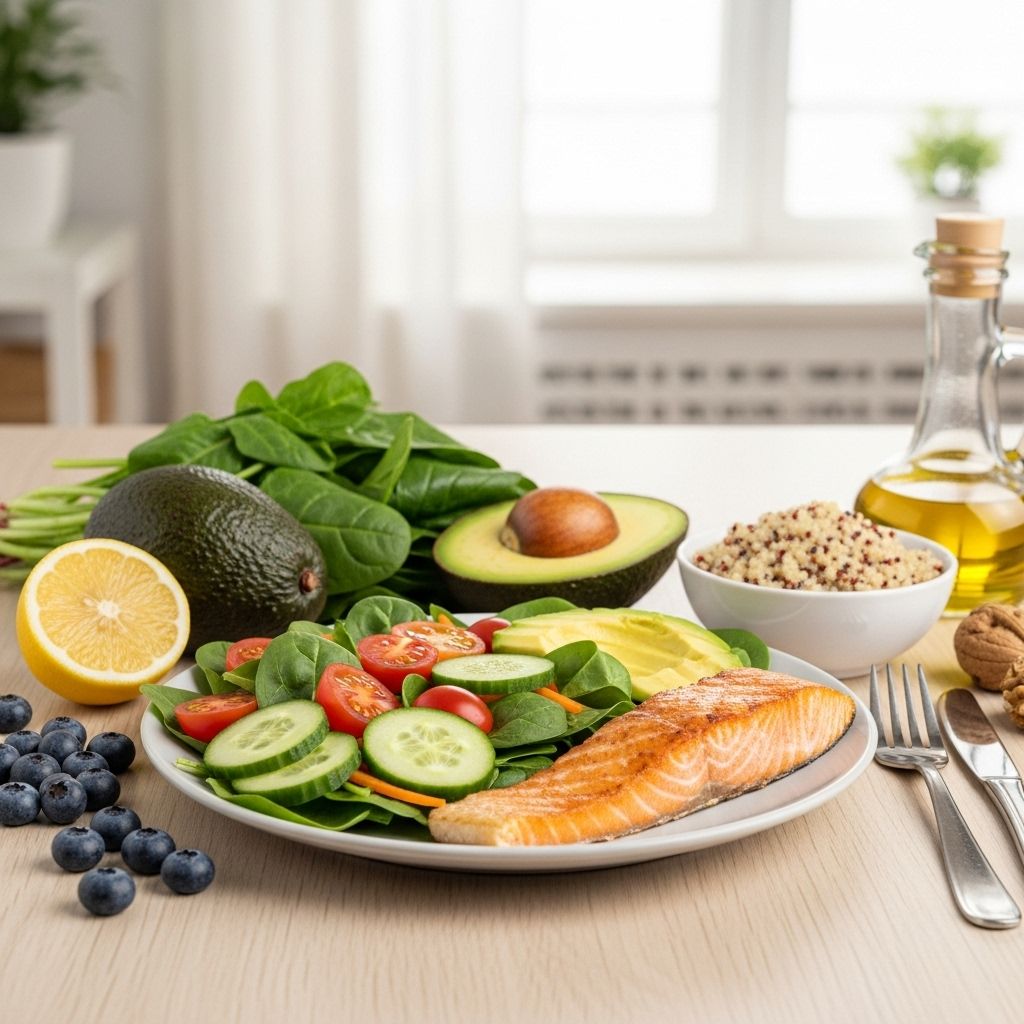
Rheumatoid arthritis (RA) is a chronic autoimmune condition that can lead to joint pain, swelling, and reduced mobility. While medication plays a critical role in managing RA, research increasingly shows that dietary choices can have a powerful impact on inflammation, symptom severity, and overall health. This comprehensive guide breaks down how an anti-inflammatory diet—particularly one inspired by Mediterranean eating patterns—can support those living with RA.
How Does Diet Influence Rheumatoid Arthritis?
There is no “cure-all” diet for RA, but studies suggest that certain foods can help reduce inflammation and joint pain, while others might worsen symptoms. Maintaining a healthy body weight with a nutrient-rich, anti-inflammatory eating plan may lessen pressure on the joints, support heart health, and promote overall well-being.
One of the most researched and recommended dietary patterns for RA is the Mediterranean diet. This eating style is high in fruits, vegetables, whole grains, plant proteins, and healthy fats, while being low in processed foods and saturated fats .
What Is the Mediterranean Diet?
The Mediterranean diet refers to the traditional foods consumed in countries bordering the Mediterranean Sea. It has gained global recognition due to its ability to reduce inflammation, protect heart health, and manage chronic diseases—including rheumatoid arthritis .
- Fruits and vegetables (fresh, seasonal, and colorful varieties)
- Whole grains (oats, brown rice, quinoa, bulgur, whole-wheat bread and pasta)
- Legumes (beans, lentils, chickpeas, peas)
- Fish and seafood (especially fatty fish like salmon, sardines, mackerel, and herring)
- Nuts and seeds (walnuts, almonds, flaxseed, chia seeds, pumpkin seeds)
- Olive oil (primary fat source)
- Herbs and spices (instead of excess salt)
- Moderate consumption of dairy (yogurt and cheese)
- Poultry and eggs (in moderation)
- Low red meat intake (occasional and lean cuts only)
This pattern emphasizes minimally processed, plant-focused foods and includes regular servings of omega-3–rich fish. The overall result is a low intake of saturated fat and refined carbohydrates, both known to increase inflammation .
Health Benefits of the Mediterranean Diet for Rheumatoid Arthritis
- Lower chronic inflammation: High intakes of vegetables, fruits, whole grains, legumes, and omega-3 fatty acids from fish can suppress inflammation markers (like C-reactive protein and interleukin-6), often elevated in RA .
- Improved joint pain, stiffness, and function: Clinical studies show that RA patients adhering to the Mediterranean diet report less pain and stiffness, with improved quality of life compared to those eating a typical Western diet .
- Better heart health: RA increases cardiovascular risk. The Mediterranean diet helps reduce blood pressure and cholesterol, protecting against heart disease, heart attack, and stroke .
- Weight management: Plant-based, fiber-rich meals support healthy weight loss or maintenance, reducing excess pressure on inflamed joints .
- Reduced risk of comorbidities: This dietary pattern may lower risk for diabetes, osteoporosis, and certain cancers .
Best Foods for Rheumatoid Arthritis
Certain foods offer nutrients that fight inflammation or may help reduce RA symptoms. Here are some of the top choices to incorporate into your daily routine:
- Fatty fish: Salmon, sardines, mackerel, tuna, and anchovies are rich in omega-3 fatty acids, known to reduce joint pain and stiffness.
- Olive oil: Contains oleocanthal and other plant compounds that act as natural anti-inflammatories.
- Colorful fruits and vegetables: Tomatoes, berries, cherries, citrus fruits, spinach, kale, broccoli, Brussels sprouts, and Swiss chard are packed with antioxidants (vitamin C, vitamin A, vitamin E, carotenoids, and anthocyanins) that support immune health and fight oxidative stress .
- Beans and legumes: Rich in protein and fiber, beans lower inflammation markers and help maintain muscle strength around joints .
- Nuts and seeds: Almonds, walnuts, chia, and flaxseed provide healthy fats, vitamin E, and plant-based proteins.
- Whole grains: Oats, quinoa, brown rice, farro, and barley supply B vitamins, magnesium, and extra fiber to keep inflammation in check.
- Probiotic-rich foods: Yogurt with live cultures and fermented foods (sauerkraut, kefir) may help support gut and immune health.
- Herbs and spices: Turmeric, ginger, garlic, cinnamon, and rosemary have anti-inflammatory and antioxidant properties that may add to symptom relief.
Supplements and Micronutrients to Support Joint Health
People with RA may be at higher risk for some nutrient deficiencies due to inflammation or medication side effects. Consider focusing on:
- Omega-3 supplements: Fish oil capsules may be considered if you don’t eat fish regularly. Target 600–1,000 mg EPA/DHA daily (consult your doctor first).
- Iron-rich foods: Chronic inflammation can cause anemia; include lean meats, beans, lentils, tofu, eggs, seafood, and iron-fortified cereals.
- Calcium and vitamin D: Essential for bone health, especially if you’re taking corticosteroids. Choose low-fat dairy, fortified plant milks, leafy greens, and nuts.
Foods to Limit or Avoid with Rheumatoid Arthritis
Some foods are known to trigger or worsen inflammation. Cutting back on these can help support your RA management and general health:
- Processed foods: Packaged snacks, frozen meals, and processed deli meats are typically high in unhealthy fats, salt, and preservatives.
- Added sugars: Soda, candy, desserts, and sweetened beverages may contribute to systemic inflammation.
- Refined grains: White bread, pasta, and rice have been stripped of fiber and nutrients, leading to blood sugar spikes.
- Saturated and trans fats: Limit butter, lard, fried foods, full-fat dairy, and baked goods made with hydrogenated oils.
- Excess red meat: Choose lean, unprocessed meats and enjoy red meat sparingly—opt for fish, poultry, or plant alternatives most often.
- Alcohol: Excessive drinking can interact with medications and worsen inflammation.
Sample Mediterranean-Inspired 7-Day Meal Plan for Rheumatoid Arthritis
| Day | Breakfast | Lunch | Dinner | Snack |
|---|---|---|---|---|
| 1 | Oatmeal with berries & walnuts | Chickpea & spinach salad with olive oil vinaigrette | Baked salmon with quinoa & roasted vegetables | Yogurt with chia seeds |
| 2 | Whole-grain toast with avocado | Lentil soup, mixed greens, whole-grain pita | Stir-fried tofu, kale, peppers, brown rice | Orange slices |
| 3 | Low-fat Greek yogurt, mixed berries | Tuna salad with arugula, tomatoes, beans | Grilled chicken, sweet potato, broccoli | Raw almonds |
| 4 | Scrambled eggs, sautéed spinach, whole-wheat toast | Vegetable minestrone soup, apple | Sardine & tomato pasta (whole-wheat) | Carrot sticks & hummus |
| 5 | Green smoothie (spinach, banana, almond milk) | Quinoa tabbouleh, chickpeas, leafy greens | Baked cod, brown rice, roasted Brussels sprouts | Blueberries |
| 6 | Overnight oats with flaxseed, strawberries | Roasted vegetable & bean wrap | Turkey breast, sweet corn, sautéed chard | Apple slices with almond butter |
| 7 | Buckwheat pancakes with blueberries | Edamame, tomato, and feta salad | Grilled shrimp, wild rice, steamed broccoli | Pistachios or walnuts |
Additional Tips for Managing RA With Diet
- Prioritize plant-based meals as much as possible; aim for two to three meatless days per week.
- Use olive oil as your main cooking fat instead of butter or margarine.
- Incorporate a wide variety of colorful vegetables and fruits—different colors mean different antioxidants.
- Stay well-hydrated and minimize sugary drinks.
- Limit salt by using herbs and spices for flavor.
- Speak with a registered dietitian or healthcare professional before making significant dietary changes, especially if you take medications that affect nutrition or digestion.
Frequently Asked Questions (FAQs)
Q: Can diet really affect rheumatoid arthritis symptoms?
A: Yes. While diet is not a substitute for medication, research shows that anti-inflammatory, Mediterranean-style eating helps lower inflammation, reduce flare-ups, and supports joint and heart health in people with RA .
Q: What foods should I avoid with RA?
A: Limit or avoid processed foods, sugary drinks, refined grains, red and processed meats, saturated and trans fats, and alcohol. These can increase inflammation and negatively impact overall health .
Q: How much fish should I eat per week for RA?
A: Experts recommend at least two servings (3-4 ounces each) of fatty fish per week to get anti-inflammatory omega-3 benefits, or consider a fish oil supplement after consulting your physician .
Q: Are there specific vitamins or supplements recommended?
A: Omega-3 fish oil, vitamin D, calcium, and iron may be important for some, especially if your diet is limited or you have increased nutritional needs due to RA medication. Always check with your doctor before starting supplements.
Q: Can going vegetarian or vegan help my RA?
A: Some studies show plant-based diets, including vegan or vegetarian approaches, may modestly reduce RA symptoms. If you try this, ensure you are getting enough iron, calcium, omega-3s, and vitamin B12.
Key Takeaways
- The Mediterranean-style diet, emphasizing plant foods, healthy fats, and lean proteins, is the most researched and recommended for managing RA inflammation.
- Include omega-3–rich fish, colorful fruits and vegetables, whole grains, nuts, seeds, and extra-virgin olive oil often.
- Limit processed items, sugars, and animal fats for optimal symptom management.
- Adopt gradual, sustainable dietary changes and consult with a healthcare provider for a tailored plan.
Similar Articles






Read full bio of Sneha Tete