How to Make Amish Friendship Bread Starter: Step-by-Step Guide
Master the classic Amish Friendship Bread Starter with this comprehensive guide covering preparation, care, and baking tips.
Amish Friendship Bread Starter: The Complete Guide
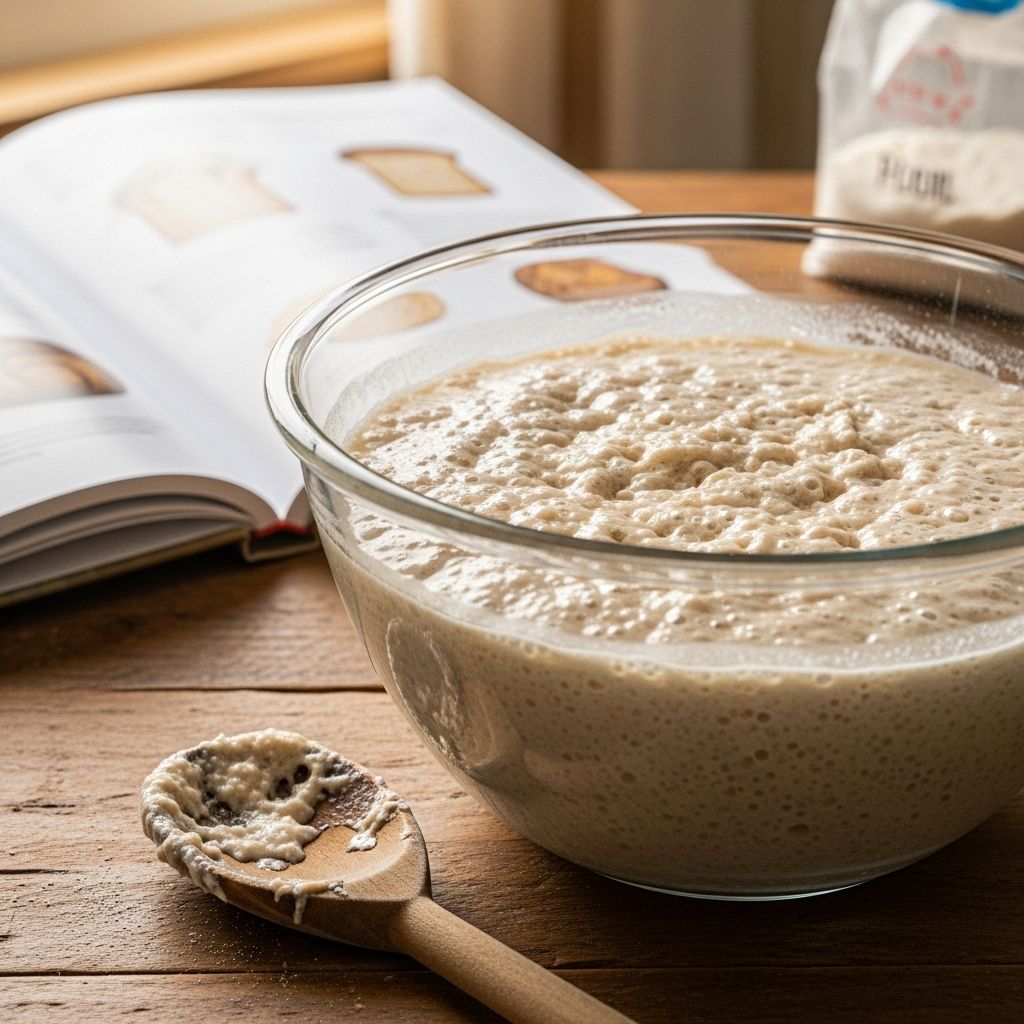
Amish Friendship Bread Starter is a time-honored homemade sourdough base that serves as the foundation for the famously sweet, cinnamon-scented Amish Friendship Bread. This starter enables bakers to not only whip up delicious loaves but also participate in a cherished tradition of sharing—with each new batch, part of the starter is gifted to friends, fostering a beautiful baking community.
What Is Amish Friendship Bread Starter?
The starter is a fermented mixture of flour, sugar, and milk that, over ten days, develops the yeasty tang and bubbly consistency necessary for fluffy, moist bread. Unlike commercially produced yeast, this natural starter is passed from baker to baker, often accompanied by instructions and a loaf of bread as a token of friendship. With proper care, it serves as a never-ending supply for both baking and sharing.
Ingredients and Equipment You’ll Need
To embark on your Amish Friendship Bread journey, gather the following:
- 1 cup all-purpose flour
- 1 cup granulated sugar
- 1 cup milk (preferably whole or 2%)
You’ll also need a large, non-metallic mixing bowl, a spatula or wooden spoon, and a loose cover—plastic wrap or a plastic bag will work. It’s best to avoid metal utensils and bowls, as the starter’s acidity can react with certain metals.
Ingredients Table
| Ingredient | Amount |
|---|---|
| All-purpose flour | 1 cup |
| Granulated sugar | 1 cup |
| Milk | 1 cup |
Step-by-Step Instructions: Making the Starter
- Day 1: Mix Ingredients
In your chosen bowl, mix together flour, sugar, and milk thoroughly. Cover the bowl loosely (do not seal completely) with plastic wrap or a kitchen towel. Set it out at room temperature and let ferment. - Days 2–4: Stir
Once per day, give the starter a good stir with a wooden or plastic spoon. The mixture will begin to bubble and develop a yeasty aroma. - Day 5: Feed the Starter
Add another 1 cup each of flour, sugar, and milk to the starter. Stir until smooth. The starter will become thicker and produce more bubbles. - Days 6–9: Stir Daily
Continue stirring once every day. - Day 10: Feed and Share
On the tenth day, add 1 cup each of flour, sugar, and milk one final time. Stir well. The starter is now ready for baking and sharing!
Storing and Caring for the Starter
Proper care is essential to keep your starter healthy and active:
- Always use clean, non-metallic tools.
- Keep your starter at room temperature during the 10-day cycle unless you want to pause the process (refrigeration slows fermentation).
- If not baking immediately, you can store the starter in the refrigerator for up to a week—bring to room temperature before feeding or using.
- After baking, you may keep a portion to start a new 10-day cycle (repeat the process), or freeze some for later use (thaw and bring to room temperature before restarting).
How to Use Amish Friendship Bread Starter
The starter is remarkably versatile. On Day 10, you should have approximately 4 cups of starter. Here’s how it’s commonly divided:
- Portion 1: Use for baking your first loaves of bread.
- Portions 2 & 3: Gift to friends in containers or plastic bags, along with care instructions.
- Portion 4: Retain and begin a new cycle.
The traditional Amish Friendship Bread recipe uses one cup of starter and produces two flavorful, cinnamon-sugar loaves. You can also use the starter in other quick bread, muffin, or cake recipes—the possibilities are endless.
Classic Bread Recipe Example
- 1 cup Amish Friendship Bread starter
- 2/3 cup oil
- 3 eggs
- 2 cups flour
- 1 cup sugar
- 2 teaspoons cinnamon
- 1.5 teaspoons baking powder
- 1/2 teaspoon salt
- 1/2 teaspoon baking soda
- 1 small box vanilla pudding (optional, for extra moistness)
- 1 cup chopped nuts (optional)
Mix all ingredients, pour into two greased loaf pans, sprinkle generously with cinnamon-sugar, and bake at 325°F (165°C) for about an hour.
Tips for Success and Troubleshooting
- Mold or foul odor: Discard the starter if you notice any signs of mold, pink or orange streaks, or a rotten smell. A healthy starter should have a yeasty, tangy aroma and may have bubbles or slight separation—but it should never stink or change color.
- Starter separates: If liquid collects on the surface, simply stir it back in—this is natural.
- Too thick or too thin: The starter should have a pancake batter consistency. Add a little milk or flour to adjust as needed.
- Sharing tips: When gifting, provide written instructions that explain the 10-day care cycle and day-by-day feeding/stirring requirements.
Altitude and Ingredient Substitutions
- At high altitudes (over 5,000 feet):
– Reduce baking powder slightly.
– Increase liquid slightly to compensate for dryness.
– Raise oven temperature by about 25°F. - Oil: Substitute with melted butter or half applesauce for a lighter loaf.
- Milk: Use any dairy or plant-based milk, but whole milk yields the richest starter.
Variations and Creative Uses
While the classic cinnamon-sugar bread is the most popular, your starter can also be used to experiment! Consider:
- Swapping vanilla for almond or maple extract
- Adding cranberries, raisins, or chocolate chips
- Incorporating shredded apples or carrots
- Baking muffins, pancakes, or even waffles
Table: Starter Storage Options
| Method | Pros | Cons |
|---|---|---|
| Plastic Zip-top Bag | Easy to gift and mix; minimal cleanup | Can leak if not sealed |
| Large Glass Jar | Non-reactive, reusable, visually appealing | Not ideal for sharing; heavier |
| Bowl with Wrapped Cover | Easy access for stirring | Less portable for gift-giving |
Frequently Asked Questions (FAQs)
How long does Amish Friendship Bread starter last?
With regular feeding, the starter can last indefinitely at room temperature. For long-term storage, refrigerate or freeze portions; thaw and feed before baking.
Can the starter be made and stored in a metal bowl?
It’s best to avoid metal since the acidity may react with the metal and alter the starter’s flavor or health. Choose glass, ceramic, or food-grade plastic for storage and mixing.
What should I do if I receive a starter in a plastic bag?
Transfer it immediately to a clean bowl or jar upon arrival. Continue with the feeding and stirring cycle according to the instructions. Reseal it in a bag only if gifting to someone else afterward.
Is it possible to make the bread without a starter?
Yes, there are no-starter versions using buttermilk, yogurt, or sour cream to mimic some of the flavor, though the authentic process always begins with the 10-day starter for full tang and tradition.
Can I halve or double the starter recipe?
Yes, proportions can be scaled up or down, but be sure that each feeding uses equal parts flour, sugar, and milk and that you always have enough starter left for baking, sharing, and continuing the cycle.
Tips for Gifting Amish Friendship Bread Starter
Sharing the starter is an integral part of Amish Friendship Bread’s legacy. When gifting:
- Place one cup of starter in a resealable plastic bag or small jar.
- Attach a note explaining how to feed the starter daily, when to add ingredients, and when the recipient can bake their own bread.
- Include a printed or handwritten copy of your favorite Friendship Bread recipe, along with creative variations for inspiration.
Troubleshooting Common Issues
If things aren’t going as planned, check the following:
- Starter smells bad or grows mold: Discard and begin anew. A healthy starter smells somewhat sweet or yeasty, never foul.
- Starter not bubbling: Ensure room temperature is warm enough (about 70°F/21°C is ideal), and always stir daily. Older flour or milk can impact fermentation.
- Bread is too dense or flat: Check baking powder freshness, avoid overmixing, and stick to recommended bake times and temperatures.
Conclusion: Baking, Sharing, and Enjoying Tradition
Making Amish Friendship Bread Starter is more than just following a recipe—it’s about community, generosity, and creativity in the kitchen. With proper care, you’ll always have a batch ready for baking or giving to friends and family. Embrace the tradition, experiment with add-ins, and savor the sense of connection each loaf brings.
- Keep your starter well-fed, well-loved, and well-shared
- Experiment with new flavor variations
- Build bonds through baking—one starter at a time
Similar Articles





Read full bio of Sneha Tete