Classic Homemade Horseradish Sauce Recipe
A zesty, creamy, and easy homemade horseradish sauce that brings bold flavors to steaks, roasts, sandwiches, and more.
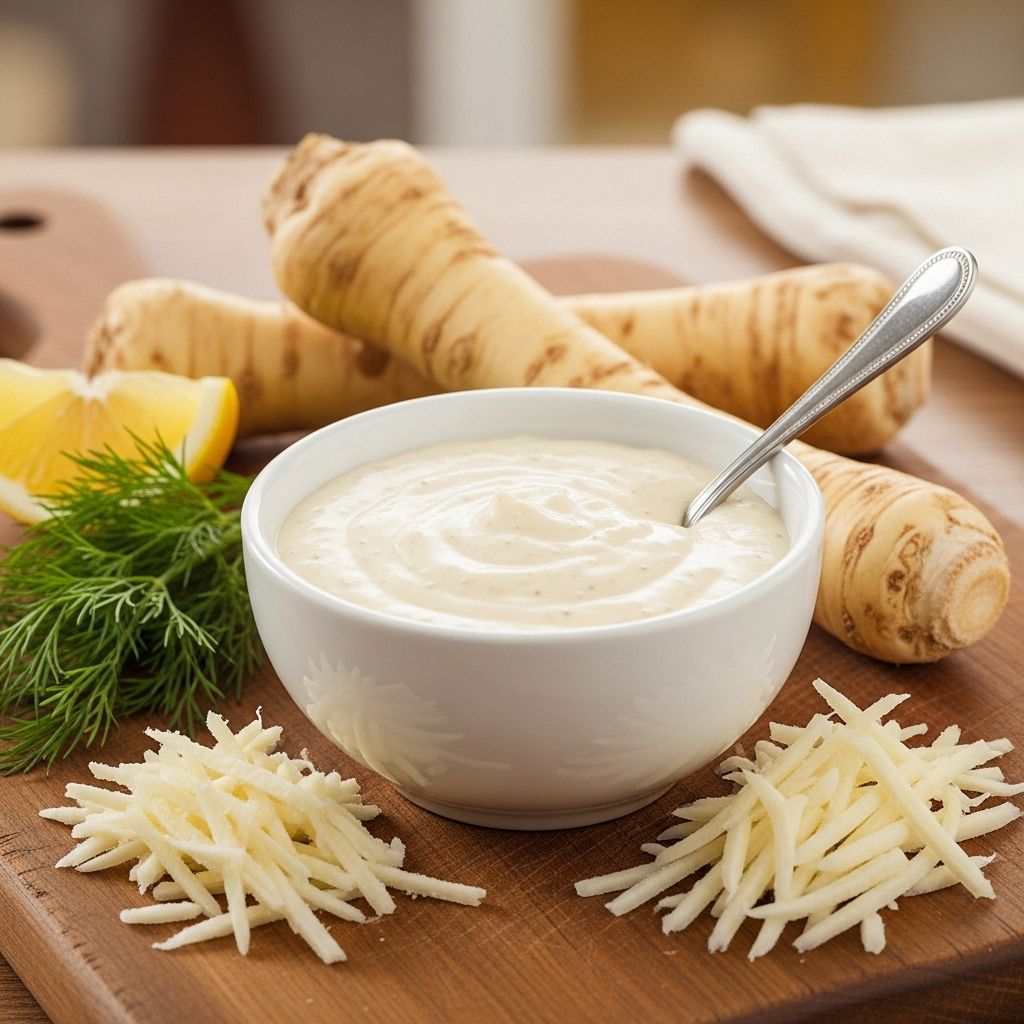
Homemade Horseradish Sauce: Bold, Creamy, and Zesty
If you’re looking for a punchy condiment to elevate your meats, sandwiches, or vegetables, homemade horseradish sauce is a must-try addition to your culinary repertoire. Combining grated horseradish with creamy, tangy, and savory elements, this simple sauce is a beloved classic — often found on restaurant menus and kitchen tables alike. Whether you crave the fiery kick for steak night or a flavorful spread for roast beef sandwiches, mastering horseradish sauce empowers you to tailor heat and taste to your liking.
Table of Contents
- Introduction to Horseradish Sauce
- Essential Ingredients
- Step-by-Step Instructions
- Serving Suggestions
- Tips, Tricks, and Variations
- Storage Recommendations
- Nutrition Information
- Frequently Asked Questions (FAQs)
Introduction to Horseradish Sauce
Horseradish sauce is a time-honored condiment celebrated for its creamy texture and fiery, zesty bite. It’s crafted by blending prepared horseradish with a mix of sour cream, mayonnaise, vinegar, and seasonings—a combination that tempers the potent heat of horseradish root while still allowing its signature pungency to shine. Originating from Central and Eastern Europe, horseradish sauce has become synonymous with classic holiday roasts but is equally at home as a robust dip or sandwich spread.
Essential Ingredients
What makes horseradish sauce truly remarkable is its brevity of ingredients and the ease of preparation. Here’s what you need for a basic homemade version:
- Prepared horseradish: The star of the show, providing sharp, spicy flavor. Look for prepared horseradish in jars, either refrigerated or shelf-stable. For extra kick, opt for freshly grated.
- Sour cream: Adds creaminess and a subtle tang.
- Mayonnaise: Enhances the emulsification and rounds out the sauce’s consistency.
- White vinegar: Highlights the tang and balances flavors.
- Sugar: Just a pinch to mellow the sharpness.
- Salt and freshly ground black pepper: To taste, boosting all other flavors.
| Ingredient | Amount | Notes |
|---|---|---|
| Prepared horseradish | 2 tablespoons | Drain off excess liquid for stronger flavor |
| Sour cream | 1/2 cup | Use full-fat for richness |
| Mayonnaise | 2 tablespoons | Can substitute with Greek yogurt |
| White vinegar | 1 teaspoon | Can use lemon juice for a citrus note |
| Sugar | 1/2 teaspoon | Adjust to taste |
| Salt | To taste | Start small, add as needed |
| Black pepper | To taste | Freshly ground preferred |
Step-by-Step Instructions
- Drain the Horseradish: If your prepared horseradish is watery, place it in a fine mesh sieve and press out excess liquid. This ensures your sauce stays thick.
- Mix the Base: In a mixing bowl, combine sour cream, mayonnaise, and the prepared horseradish. Stir until well incorporated.
- Add Flavor: Stir in the white vinegar and sugar. Mix again.
- Season: Add salt and black pepper to taste. Remember, horseradish heat can intensify as the sauce sits, so season lightly at first, adjusting after a short rest.
- Chill to Blend Flavors: For best results, cover and refrigerate the sauce for at least 30 minutes before serving. This allows flavors to marry and intensify.
Serving Suggestions
Horseradish sauce is a delicious match for a wide range of dishes. Here are just a few favorite pairings:
- Prime rib or roast beef: The quintessential partner. The creamy heat balances the richness of prime cuts.
- Grilled steak: Add a dollop atop a freshly grilled ribeye, filet mignon, or sirloin to boost flavor.
- Sandwich spread: Elevate roast beef, ham, or turkey sandwiches with a layer of horseradish sauce for extra zing.
- Seafood: Serve alongside smoked salmon, crab cakes, or shrimp cocktail for a tangy twist.
- Vegetable dip: Pair with crisp crudités like celery, carrots, radishes, and peppers.
- Potato dishes: Spoon over baked potatoes, mashed potatoes, or potato salad.
Tips, Tricks, and Variations
- Freshness is key: For the boldest flavor, use freshly grated horseradish root if available. Prepare as close to serving as possible, since horseradish loses potency over time and when exposed to air.
- Adjust the heat: Add more horseradish for extra heat, or blend in a touch more sour cream or mayo to mellow the bite.
- Alternative acids: Try substituting lemon juice for white vinegar for a citrusy note.
- Make it tangier: Stir in a teaspoon of Dijon or whole-grain mustard for extra complexity.
- Healthier options: Use Greek yogurt instead of sour cream and mayo for a lighter variation.
- Add herbs: Mix in a spoonful of chopped fresh chives, dill, or parsley for color and herbaceous depth.
- Flavor twist: Try stirring in a splash of Worcestershire sauce or hot sauce to customize the flavor profile.
Storage Recommendations
Proper storage ensures both safety and flavor retention. Here’s how to keep your horseradish sauce tasting fresh:
- Transfer finished sauce into a clean, airtight container.
- Store in the refrigerator for up to 1 week. The flavors will intensify with time.
- If separation occurs, simply stir the sauce before serving.
- For best taste, do not freeze, as the texture can change upon thawing.
Nutrition Information
Here’s an approximate nutritional profile per tablespoon of homemade horseradish sauce (using the ingredients listed above):
| Nutrient | Amount |
|---|---|
| Calories | 28 |
| Total Fat | 2.3g |
| Saturated Fat | 0.7g |
| Protein | 0.2g |
| Carbohydrates | 1.3g |
| Sugars | 0.3g |
| Sodium | 56mg |
Note: Exact values will vary depending on brands and any variations in the recipe.
Frequently Asked Questions (FAQs)
Q: Can I make horseradish sauce ahead of time?
A: Yes! Preparing horseradish sauce a few hours (or even a day) in advance enhances its flavor as the ingredients meld. Just stir again before serving.
Q: How do I tone down the heat if the sauce is too spicy?
A: Add extra sour cream or mayonnaise, a bit at a time, and mix thoroughly to mellow the heat without diluting flavor.
Q: How long does homemade horseradish sauce last?
A: Kept in an airtight container in the fridge, it will stay fresh and flavorful for up to one week. Always stir before serving and don’t freeze for optimal consistency.
Q: Can I use low-fat or non-dairy ingredients?
A: Absolutely! Substitute non-fat Greek yogurt for sour cream or mayonnaise, or use a non-dairy alternative to adapt for dietary needs. The texture and tang might slightly differ, but the result will still be delicious.
Q: Is there a difference between prepared horseradish and horseradish sauce?
A: Yes. Prepared horseradish is simply grated horseradish root mixed with vinegar and sometimes salt. Horseradish sauce adds creamy elements like sour cream and mayo, rounding out the pungency and making it suitable for drizzling and dipping.
Conclusion: Elevate Your Meals with Homemade Horseradish Sauce
Creamy, spicy, and endlessly adaptable, horseradish sauce is a culinary classic for a reason. In just a few minutes, you can whip up a batch that outshines store-bought versions—customizing the tang, heat, and texture to your liking. Experiment with your own variations, pairings, and uses, and savor the bold burst of flavor this easy condiment brings to the table!
Similar Articles






Read full bio of medha deb