Doc’s Best Beef Jerky: Step-by-Step Guide to Perfect Homemade Jerky
Discover the secrets behind crafting Doc’s Best Beef Jerky at home, including step-by-step techniques, expert tips, and answers to common jerky-making questions.
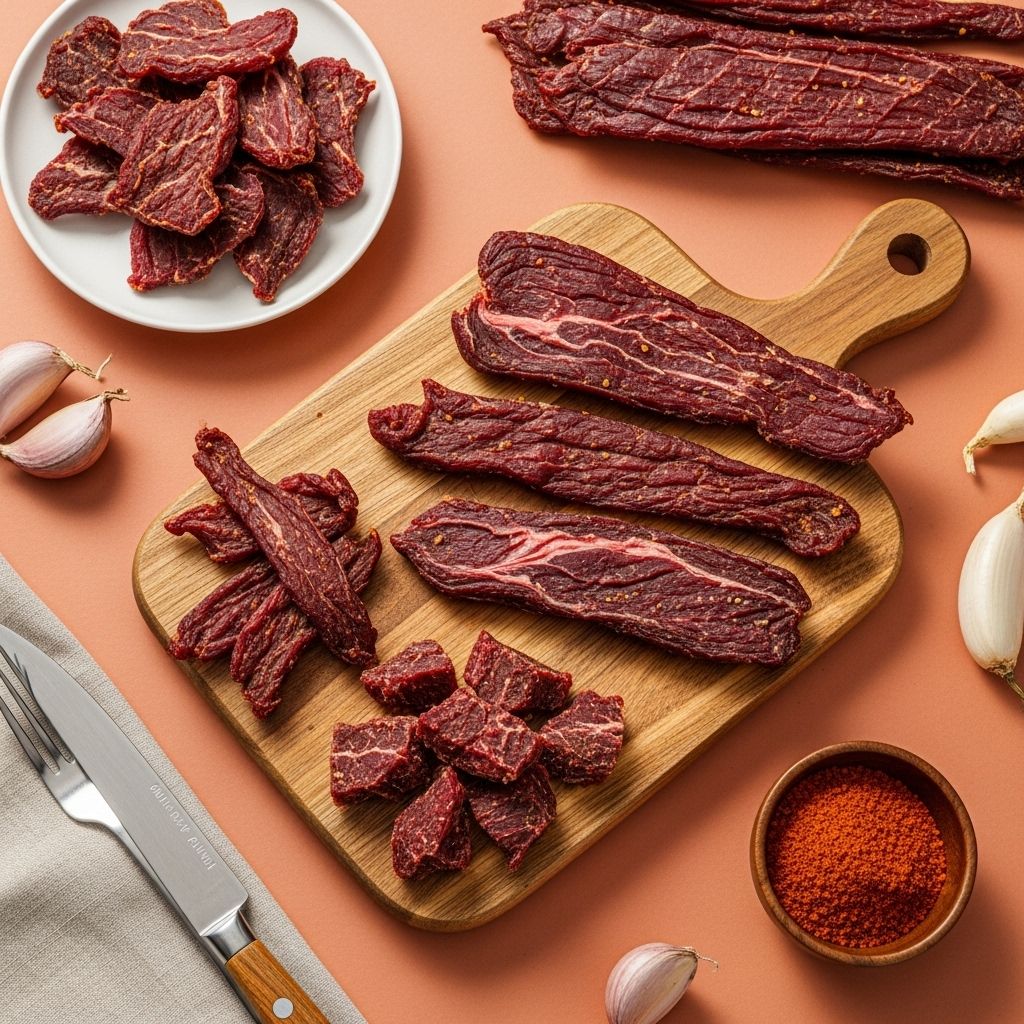
Doc’s Best Beef Jerky: The Ultimate Homemade Guide
Beef jerky is one of the oldest and most beloved snacks—savory, chewy, and packed with flavor. Creating homemade jerky allows you to customize flavors, manage quality, and enjoy a wholesome snack whenever you desire. This comprehensive guide explores every detail for making Doc’s Best Beef Jerky at home, including ingredient selection, marination, drying, storage, and troubleshooting common jerky pitfalls.
Why Make Beef Jerky at Home?
- Flavor Control: Tailor spices, marinade, and sweetness to your personal taste.
- Quality Assurance: Use high-quality, lean beef and avoid preservatives and excess additives.
- Cost-Effective: Homemade jerky is less expensive than high-quality store brands.
- Fun and Satisfying: There’s satisfaction in transforming beef into a delicious, shelf-stable snack.
Choosing the Right Beef for Jerky
The foundation of excellent jerky is lean, fresh beef. Fat can cause spoilage, so trim away any visible fat before slicing.
- Best Cuts: Eye of round, top round, bottom round, sirloin tip, or flank steak.
These cuts are lean, affordable, and have a grain that slices easily. - Freshness: Purchase the freshest beef possible to ensure the best texture and flavor.
- Freezing Tip: For uniform slicing, partially freeze the beef for about an hour. This firms the meat and makes it easier to cut thin, even strips.
Ingredients for Doc’s Best Beef Jerky
This classic marinade balances sweet, savory, and bold flavors for jerky that’s as addicting as it is satisfying. Quantities below yield approximately 2 pounds of jerky:
- 2 pounds lean beef (eye of round, top round, etc.)
- 2/3 cup soy sauce
- 2/3 cup Worcestershire sauce
- 1 tablespoon smoked paprika (or regular paprika)
- 1 tablespoon honey
- 2 teaspoons freshly ground black pepper
- 1 teaspoon red pepper flakes
- 1 teaspoon garlic powder
- 1 teaspoon onion powder
- 1 teaspoon liquid smoke (optional, enhances smoky flavor)
- 1/2 teaspoon seasoned salt
Instructions: How to Make Doc’s Best Beef Jerky
- Prepare the Beef
- Trim any visible fat to prevent spoilage during storage.
- Partially freeze the beef (about 1 hour) for easier slicing.
- Using a sharp knife, slice the beef along the grain into strips 1/8 – 1/4 inch thick. Thinner strips yield chewier jerky, while thicker strips are more robust.
- Mix the Marinade
- In a large bowl, combine all marinade ingredients and stir until honey is dissolved and spices are evenly distributed.
- Marinate the Beef
- Place sliced beef into a large zip-top bag or shallow container.
- Pour marinade over beef. Seal the bag or cover the container, ensuring every piece is coated.
- Refrigerate for at least 6 hours, but preferably 8–24 hours. The longer the marination, the deeper the flavor penetration.
- Drain and Dry
- Remove the beef from the marinade. Pat each piece dry with paper towels. This crucial step ensures efficient drying and prevents sticky, overly moist jerky.
- Arrange strips in a single layer on dehydrator trays or wire racks placed over baking sheets. Ensure no two pieces are touching to allow proper airflow.
- Dehydrating Methods
Method Temperature Drying Time Tips Dehydrator 160°F (71°C) 6–10 hours Rotate trays midway for even drying. Oven 170°F (75°C) or lowest setting 4–8 hours Prop oven door open with a wooden spoon for airflow. - Check jerky after 4 hours. It should bend and crack but not break. If it snaps in half, it’s too dry.
- Final Safety Step (Recommended)
- Place finished jerky on a baking sheet and oven-bake at 275°F (135°C) for 10 minutes. This ensures it reaches USDA-recommended safe temperature for dried meats.
- Cooling and Storage
- Let jerky cool completely. Store in an airtight container or zip-top bag.
- For short-term use (up to 1 week), store at room temperature. For longer storage, refrigerate or vacuum-seal and freeze for up to 2 months.
Expert Tips for the Best Homemade Jerky
- Slicing with the Grain: Produces long, chewy jerky strips.
- Even Thickness: Ensures uniform drying and consistent texture.
- Dry Thoroughly: Insufficient drying can lead to spoilage; over-drying causes brittleness.
- Store Properly: Exclude air and moisture to maximize jerky shelf life.
- Food Safety: Use gloves when handling raw meat, and ensure all equipment is sanitized.
- Adjusting Flavor: For sweeter jerky, add extra honey or brown sugar. For greater heat, increase red pepper flakes or add cayenne.
Ground Beef Jerky Variation
Ground beef can also be used for jerky, offering a softer, more uniform texture:
- Choose lean ground beef (at least 90% lean).
- Mix seasonings directly into the ground meat and let rest refrigerated for 3–24 hours.
- Use a jerky gun to pipe strips onto dehydrator trays or shape using a rolling pin and cut with a knife or pizza cutter.
- Dry at 160°F for 3–8 hours, flipping halfway.
- Always use curing salt for food safety with ground meat.
Storing and Preserving Your Jerky
- Short-Term: Store in airtight containers or bags for up to 1 week at room temperature.
- Medium-Term: Refrigerate jerky in a sealed bag for 2–4 weeks.
- Long-Term: Vacuum seal and freeze jerky for up to 2–3 months without significant loss of flavor or texture.
- Check Regularly: Always inspect for mold or spoilage before consuming stored jerky.
Beef Jerky Troubleshooting and Frequently Asked Questions
Frequently Asked Questions (FAQs)
- Q: My jerky is too tough or brittle. What went wrong?
If sliced too thin or dried for too long, jerky becomes brittle. Try slicing a bit thicker or reducing drying time. Always check for a bend-and-crack (not snap) texture during drying.
- Q: Why is my jerky sticky or doesn’t store well?
Overly moist jerky likely wasn’t dried long enough, or excess sugar/honey prevented thorough drying. Always pat dry before dehydrating and cook thoroughly.
- Q: Do I need a dehydrator to make jerky?
No. An oven with a low setting and proper airflow is effective. Dehydrators offer convenience and precise temperature control, but aren’t required.
- Q: Can I use other meats?
Yes. Turkey, venison, bison, and pork can all be made into jerky. Always use lean cuts and adjust marinade flavors to match the meat.
- Q: Is it safe to store jerky at room temperature?
Properly dried and cooled jerky can be stored at room temperature for a short period (up to 1 week). For longer-term storage, refrigerate or freeze.
- Q: Can I skip the final oven step?
While not required, the final oven bake ensures food safety by raising the internal temperature of the jerky and reducing the risk of foodborne illness.
- Q: How do I know when jerky is done?
Jerky is done when it bends and cracks without breaking clean in half. The interior should not be moist. If in doubt, sample a piece—it should chew and tear, not crumble.
Customizing Doc’s Best Beef Jerky
One advantage of making homemade jerky is customizing flavors for personal preference. Consider experimenting with:
- Additional Heat: Chipotle or cayenne pepper for spice lovers.
- Sweeter Notes: Maple syrup or brown sugar for complexity.
- Herbs and Spices: Fresh coriander, cumin, or smoked sea salt.
- International Touches: Soy sauce, sesame oil, or gochujang for Asian-inspired jerky.
Food Safety and Best Practices
- Sanitize: Clean all surfaces, knives, and trays before use.
- Use Gloves: Especially important with ground meats to prevent contamination.
- Trim Fat: Excess fat leads to spoilage and off flavors.
- Monitor Drying: Dry at recommended temperatures to ensure food safety and optimal texture.
Serving and Enjoying Your Beef Jerky
Enjoy Doc’s Best Beef Jerky as a high-protein snack for:
- Hiking and road trips
- Lunchboxes
- Post-workout snacks
- Gifts for food lovers
Conclusion: The Jerky Experience
With this detailed guide, you can confidently make your own batch of Doc’s Best Beef Jerky at home. Mastering slicing, marination, and drying steps—plus attention to food safety—will ensure consistent, flavorful results every time. Enjoy customizing marinades and sharing your homemade jerky with family and friends!
Similar Articles








Read full bio of Sneha Tete