How to Make Perfect Easy-Peel Hard-Boiled Eggs Every Time
Master the technique of cooking hard-boiled eggs that peel effortlessly with reliable methods and expert tips.
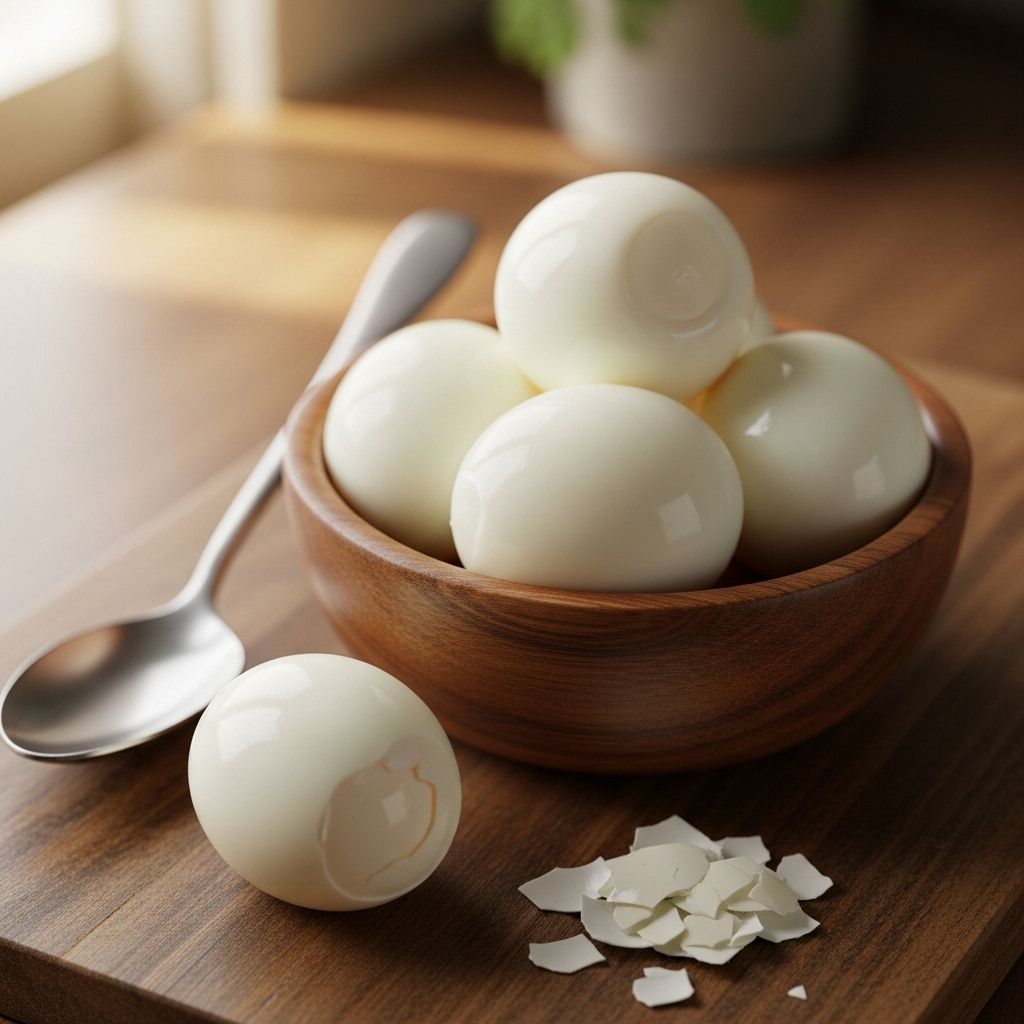
Hard-boiled eggs are a staple in many kitchens thanks to their versatility — as a snack, breakfast, salad topper, or the main component of deviled eggs. Still, one aspect of making perfect hard-boiled eggs remains elusive for many: easily removing the shell without ending up with pitted, torn egg whites or a dozen mangled eggs. This guide will equip you with foolproof methods, expert insights, and step-by-step instructions to ensure perfectly hard-boiled eggs that are a dream to peel, every time.
Why Are Some Hard-Boiled Eggs Hard to Peel?
If you’ve ever battled fragments of shell clinging to your egg whites, you’re not alone. The struggle (and the mess!) often comes down to the science of eggshells and their proteins. Here’s what’s happening:
- Egg Freshness: Very fresh eggs have lower pH and tighter proteins, causing the membrane to bond more strongly to the shell and make peeling tough.
- Cooking Methods: Overcooking eggs can further toughen protein bonds near the shell.
- Incorrect Cooling: If eggs cool too slowly, residual heat can also worsen the bond between the white and shell.
Luckily, small adjustments in how you cook, chill, and store eggs can make all the difference.
Best Methods for Easy-Peel Hard-Boiled Eggs
After extensive testing in home kitchens and with professional chefs, these are the three most reliable ways to produce easy-peel hard-boiled eggs:
1. Boil-Then-Simmer Method
- Place eggs in a single layer in a saucepan and fill with cold water, covering eggs by 1-2 inches.
- Bring water to a rolling boil over medium-high heat.
- Immediately reduce heat to low, cover, and simmer for 10-12 minutes (for large eggs; adjust for different sizes).
- Remove eggs with a slotted spoon and transfer straight to an ice bath (a large bowl filled with ice and water).
- Let sit for at least 5-10 minutes before peeling.
Tip: This gradual temperature change minimizes cracking and keeps egg whites tender.
2. Steaming Method
- Fill a pot with about 1 inch of water and insert a steamer basket.
- Bring the water to a full boil. Add eggs to the basket in a single layer.
- Cover and steam for 12-15 minutes.
- Transfer eggs immediately to an ice bath. Chill, then peel.
Why it works: Steam penetrates the shell quickly, separating the membrane and making peeling easier, even with fresh eggs.
3. Pressure Cooker (Instant Pot) Method
- Add 1 cup water to the pressure cooker and place eggs on a rack or trivet.
- Cook on high pressure for 5 minutes, let natural release for 5 minutes, then quick release.
- Use tongs to move eggs to an ice bath for at least 5 minutes.
This “5-5-5 method” is beloved for consistency and super-easy peeling. Eggs literally slip out of their shells!
How to Peel Hard-Boiled Eggs Easily
Peeling can be just as important as how you cook the egg. Here’s how you can make it go smoothly:
- Once thoroughly chilled, gently tap each egg on a hard surface to crack all over.
- Roll the egg between your palms or on the counter to loosen the shell.
- Start peeling at the wider end (where there is often a small air pocket), using the membrane to help lift away the shell.
- If sticking occurs, peel eggs under a gentle stream of cold running water. Water can seep under the shell and help release stubborn bits.
The Science Behind Easier-Peeling Eggs
Understanding why eggs behave differently as they age can help you get perfect results:
| Age of Egg | Why it Matters | Peeling Difficulty |
|---|---|---|
| Fresh (0-3 Days) | Low pH, tight proteins, small air cell | Most difficult to peel |
| Middle-aged (5-10 Days) | pH increases, proteins relax, larger air cell | Easier to peel |
| Older (10+ Days) | Best for boiling and peeling; widest air cell | Easiest to peel |
In general, older eggs are your allies for making effortless hard-boiled eggs. If using farm-fresh eggs, try to let them sit for about a week in the fridge before boiling.
Should You Add Baking Soda or Vinegar?
Popular kitchen lore recommends adding vinegar or baking soda to the water to aid peeling. Here’s a look at what the science and kitchens say:
- Baking Soda: Raising water pH with baking soda can help separate the membrane from the shell, especially with fresh eggs. Use about 1 teaspoon per quart of water, but be aware it may slightly alter flavor.
- Vinegar: Some claim adding vinegar softens shells, but results are mixed. If used, a tablespoon per quart of water is typical.
Neither method is foolproof, but if you’re struggling with particularly fresh eggs, adding baking soda seems to make more of a difference than vinegar.
Other Quick Tips for Easier-Peeling Eggs
- Don’t Overcrowd: Avoid stacking eggs; use a single layer in your pot or steamer.
- Shock in Ice Bath: Chilling eggs fast shrinks the egg white slightly, helping separate it from the membrane.
- Peel Soon After Cooling: Eggs are often easier to peel within a few hours after cooking and chilling; waiting days can actually make shells harder to remove as the pH changes further.
- Crack Gently: Microcracks all around the egg allow easy access for peeling; avoid shattering the shell into small bits.
- Peel Under Running Water: Helps dislodge shell fragments and washes them away.
- Buy Eggs in Advance: When making eggs for deviled eggs or a party, buy them at least a week out so they’re a bit older when you cook them.
Storage Tips for Boiled Eggs
Proper storage keeps your hard-boiled eggs fresh, tasty, and safe to eat.
- In-Shell: Refrigerated, in-shell hard-boiled eggs last up to 7 days.
- Peeled: Store peeled eggs in a bowl of cold water (change daily), or in a sealed container wrapped in damp paper towels. Use within 2-3 days for best quality.
- Label and Date: Mark your container so you know how long your eggs have been cooked.
Common Mistakes to Avoid
- Overcooking: This causes rubbery whites and unpleasant green rings around yolks (a reaction between sulfur and iron when overheated).
- Not Cooling Quickly: Failing to chill rapidly results in continued cooking and tough membranes, making peeling harder.
- Crowding the Pan: Eggs need space to cook evenly; overcrowding often leads to cracked shells or undercooking.
- Using Super Fresh Eggs: If possible, use eggs that are a week or two old for boiling.
Frequently Asked Questions (FAQs)
Q: Why do my hard-boiled eggs have green rings around the yolk?
A: The green ring is harmless and forms when eggs are overcooked or cooled too slowly. It’s a reaction between sulfur in the egg white and iron in the yolk. Avoid overcooking and cool eggs in ice water immediately after boiling to prevent this from happening.
Q: Can I boil eggs directly from the fridge?
A: Yes, you can. However, to avoid cracking due to thermal shock, you can let eggs sit at room temperature for 10-15 minutes or add them gently to the water to minimize sudden temperature changes.
Q: How do I know if a hard-boiled egg is still good?
A: Hard-boiled eggs in the shell will last up to a week in the refrigerator. An off smell, slimy texture, or discoloration are signs the egg is no longer safe to eat.
Q: Why are my shells so hard to remove even when I follow all the steps?
A: The most common reasons are using very fresh eggs or not shocking the eggs in ice water after boiling. Try using slightly older eggs and ensure a rapid cool-down after boiling for best results.
Q: Does altitude affect boiling eggs?
A: Yes, at higher altitudes water boils at a lower temperature, so eggs may need a little longer cooking time. Increase simmering or steaming by 1-2 minutes above 3,000 feet elevation.
In Summary
Perfect easy-peel hard-boiled eggs are completely within reach with the right technique. Remember:
- Use slightly older eggs if possible.
- Start with cold water and bring to a gentle boil, or use steaming or pressure cooking methods.
- Cool eggs rapidly in an ice bath.
- Peel under running water for best results.
With these tips, you’ll never have to dread peeling hard-boiled eggs again. Whether you’re prepping for Easter, making deviled eggs, or just stocking up on portable protein, your eggs will look as good as they taste.
Similar Articles




Read full bio of Sneha Tete