High-Temperature Eye of Round Roast: A Foolproof Guide to Juicy Roast Beef
Unlock the secret to a perfectly juicy, tender Eye of Round Roast every time with this high-temperature oven technique.
High-Temperature Eye of Round Roast: A Foolproof Guide
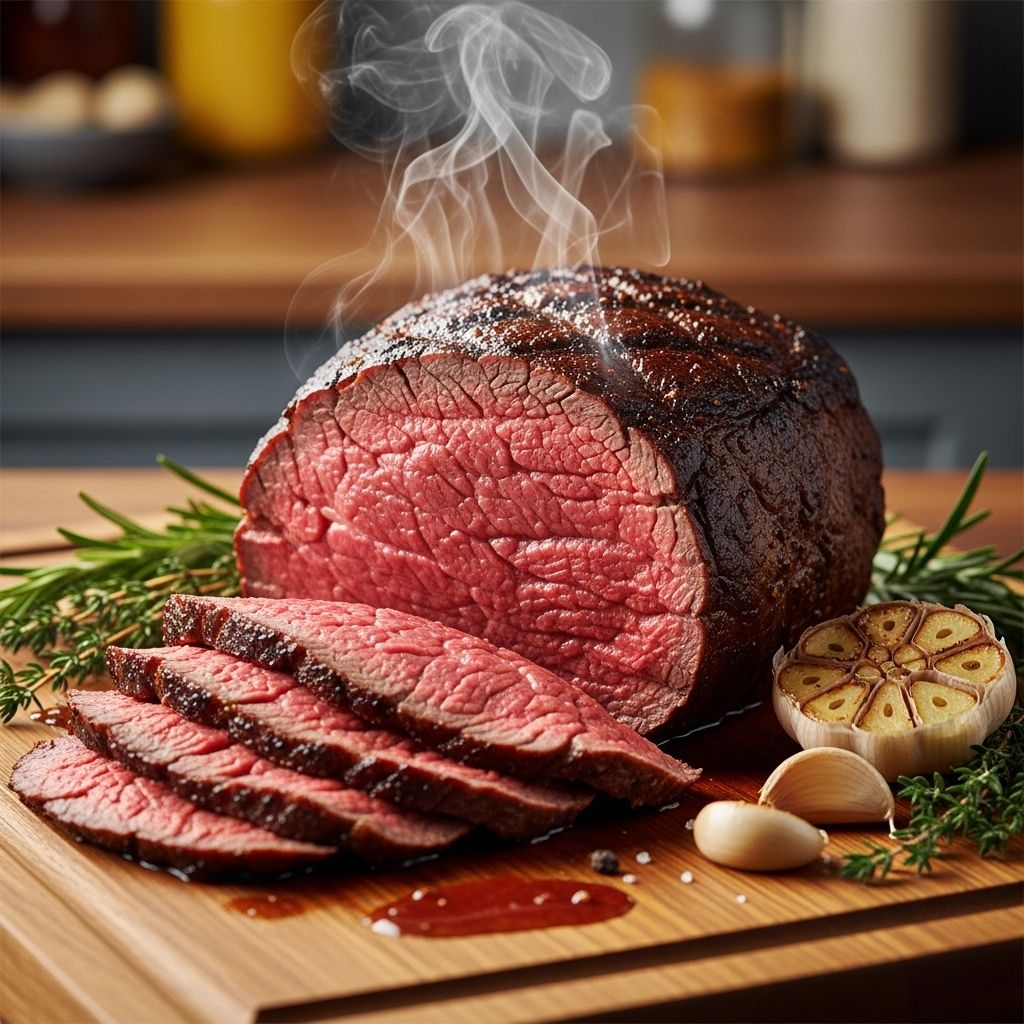
If you’ve searched for a way to prepare tender, juicy roast beef on a budget, look no further than the high-temperature Eye of Round Roast method. This recipe transforms a lean, affordable cut of beef—often regarded as tricky to cook—into a satisfying centerpiece worthy of any dinner table. By leveraging simple steps and precision, this technique delivers consistent, crowd-pleasing results.
What is Eye of Round Roast?
The Eye of Round is a boneless, lean roast from the beef hindquarter. It is:
- Known for its cylindrical shape and low marbling.
- Economical compared to premium cuts like ribeye or tenderloin.
- Best enjoyed when roasted carefully to avoid toughness.
- Often sliced thin for sandwiches or served alongside hearty sides.
Why High-Temperature Roasting Works
Traditional slow roasting often results in a tough texture. The high-temperature roasting method delivers:
- Flavorful crust due to rapid Maillard reaction at high heat.
- Even doneness through careful monitoring of internal temperature, not just time.
- Moist, tender meat when the process is followed precisely, especially the resting phase.
Ingredients and Tools
- 1 (3–4 pound) Eye of Round beef roast
- 2 tablespoons olive oil or vegetable oil
- 2 teaspoons kosher salt, plus more for seasoning
- 2 teaspoons freshly ground black pepper
- Optional: Garlic powder, onion powder, or herb blends
| Ingredient | Amount | Purpose |
|---|---|---|
| Eye of Round Roast | 3 – 4 lbs | Main Protein |
| Olive oil | 2 tbsp | For searing and moisture |
| Kosher salt | 2 tsp (plus more) | Flavor, tenderizing |
| Black pepper | 2 tsp | Peppery crust |
Step-by-Step Instructions
1. Prep and Dry Brine the Roast
- Unwrap the roast and pat dry with paper towels.
- Generously sprinkle all sides with kosher salt.
- Wrap tightly in plastic wrap and refrigerate 8–24 hours. This dry brine enhances flavor and juiciness.
- Optional: Add any additional dry seasonings at this stage for deeper flavor infusion.
2. Bring Roast to Room Temperature
- Remove the roast from the refrigerator about 45–60 minutes before cooking.
- Letting it come to room temperature promotes even cooking.
3. Preheat Your Oven
- Set oven rack to the middle position.
- Preheat oven to 500°F (260°C). This high heat is essential for forming a savory crust.
- While the oven heats, prepare your roasting pan and set a rack inside to allow air circulation beneath the beef.
4. Prepare the Roast
- Unwrap roast and pat very dry again.
- Rub outside with a thin coat of olive oil.
- Sprinkle with freshly ground black pepper (and any other desired spices).
- Inspect for “silver skin”—a tough membrane—on the roast’s surface and trim off if present, as it remains chewy after cooking.
5. Sear for Extra Flavor (Optional but Recommended)
- Preheat a heavy skillet or cast iron pan over high heat with a tablespoon of oil.
- Sear the roast for 3–4 minutes per side until brown and crusty on all sides.
- This step helps render some fat and adds deep roasted flavor, though you may skip if crunched for time.
6. Roast in the Oven
This step requires precision:
- Place the seared roast on the prepared rack in your roasting pan.
- Insert a meat thermometer into the center of the roast; ensure the probe doesn’t touch bone or fat.
- Transfer to the 500°F oven for 7 minutes per pound (e.g., about 28 minutes for a 4-pound roast). Do not open the oven.
- After the time lapses, turn the oven off and leave the roast inside for 2 hours without opening the door.
The residual heat gently finishes the roast, maintaining juiciness.
Caution:
- Do not open the oven door at any time during roasting or resting. Opening lets heat escape and can cause undercooking.
7. Let It Rest & Slice Thin
- Once the resting stage is complete, remove roast from oven.
- Let it rest uncovered on a cutting board for at least 15 minutes. This allows juices to redistribute through the meat.
- Slice very thinly across the grain for optimal tenderness.
- Serve warm or use in sandwiches, salads, or meal prepping.
Tips for Perfect Roast Beef
- Thermometer is essential: Use a digital probe thermometer for best results; ovens can be inaccurate.
- Don’t skip the dry brine: Overnight salting makes a big difference in flavor and moisture retention.
- Trim silver skin: Remove any tough connective tissue for improved texture.
- Ensure internal temp: Target 130°F (54°C) for medium-rare, or up to 135°F (57°C) for medium. Lower temps produce rarer meat, higher temps increase doneness.
- Rest generously: Always rest the meat after cooking; cutting too soon spills the juices.
Serving Suggestions
Eye of Round Roast is a versatile main course suited to various presentations. Consider these ideas:
- With horseradish sauce or au jus for added zing.
- Served alongside classic sides like mashed potatoes, roasted vegetables, or steamed green beans.
- Thinly sliced on artisan rolls with arugula and mayo for roast beef sandwiches.
- Chilled and sliced in salads or wraps for lunch-worthy leftovers.
Important Safety & Cooking Notes
- Ventilation: Searing at high heat can trigger smoke detectors. Use fans and open windows as needed.
- If you smell burning, check pan drippings; discard if they start to smoke excessively.
- Let roast reach room temp before roasting for an even doneness.
- This method is suited specifically to eye of round and may not apply to fattier or bone-in cuts.
Nutrition Information
Eye of round is among the leanest beef cuts, making it a high-protein, low-fat choice. A 3-ounce serving contains:
- Calories: ~140 kcal
- Protein: 25g
- Fat: 4g
- Iron and B vitamins
Frequently Asked Questions (FAQs)
Q: How do I prevent my roast from becoming tough?
A: Precisely monitor internal temperature and don’t overcook. Slice thinly across the grain and always rest the roast before cutting.
Q: What if I don’t have a meat thermometer?
A: While possible to estimate doneness based on timing, a meat thermometer provides the reliability needed to prevent undercooking or overcooking.
Q: Can this method be used with other beef cuts?
A: This high-temperature oven roast technique is developed specifically for lean cuts like eye of round; fattier cuts may not cook evenly using this method.
Q: Should I marinate instead of dry brining?
A: Marinating can add flavor but does not tenderize a lean cut as effectively as salt-based dry brining. For juiciest results, use the dry brine method described.
Q: Is it safe to leave meat in the oven with the heat off?
A: Yes, as long as the roast reaches a safe minimum internal temperature of 130–135°F (for medium-rare to medium), and your oven retains heat reasonably well. Always verify with a thermometer.
Roasting Times and Temperature Table
| Roast Weight | Initial Roast Time (500°F) | Resting in Oven (Heat Off) | Final Internal Temp |
|---|---|---|---|
| 3 lbs | 21 minutes | 2 hours (do not open oven) | 130–135°F |
| 4 lbs | 28 minutes | 2 hours (do not open oven) | 130–135°F |
| 5 lbs | 35 minutes | 2 hours (do not open oven) | 130–135°F |
Expert Tips and Troubleshooting
- If your oven loses heat quickly: Insulate with a thick kitchen towel draped over the closed oven door for the resting phase (do NOT let towel touch heating elements). Ovens with wide vents may lose heat too fast for this resting method.
- If your roast is underdone: Return to a 350°F oven for 5–10 minutes, checking every few minutes until the desired temp is reached.
- If overcooked: Thin slicing is your friend. Serve with jus, gravy, or sauce to compensate for lost moisture.
Flavor Variations
Enhance your roast with these simple tweaks:
- Rub surface with a paste of crushed garlic, fresh rosemary, and olive oil before roasting.
- Coat with a blend of smoked paprika, mustard powder, and brown sugar for a sweet-savory crust.
- Press cracked black peppercorns or whole coriander seeds into the exterior for bold flavor and texture.
Storing and Using Leftovers
- Let leftover roast cool completely before refrigerating.
- Slice thin and store in airtight containers for up to 4 days.
- Freeze portions wrapped tightly for up to 2 months; thaw overnight in the fridge before use.
- Use leftovers in sandwiches, wraps, salads, or as a protein upgrade for grain bowls.
Conclusion: The Ultimate Budget Roast
The high-temperature Eye of Round Roast method unlocks maximum tenderness and flavor from a notoriously lean, tough cut. With a simple dry brine, careful temperature control, and proper resting, you can dish up restaurant-quality roast beef at home—without breaking the bank.
Similar Articles



Read full bio of medha deb