How to Freeze Fresh Herbs for Long-Term Storage
Master the techniques and tips for freezing fresh herbs, preserving flavor and aroma for year-round culinary enjoyment.
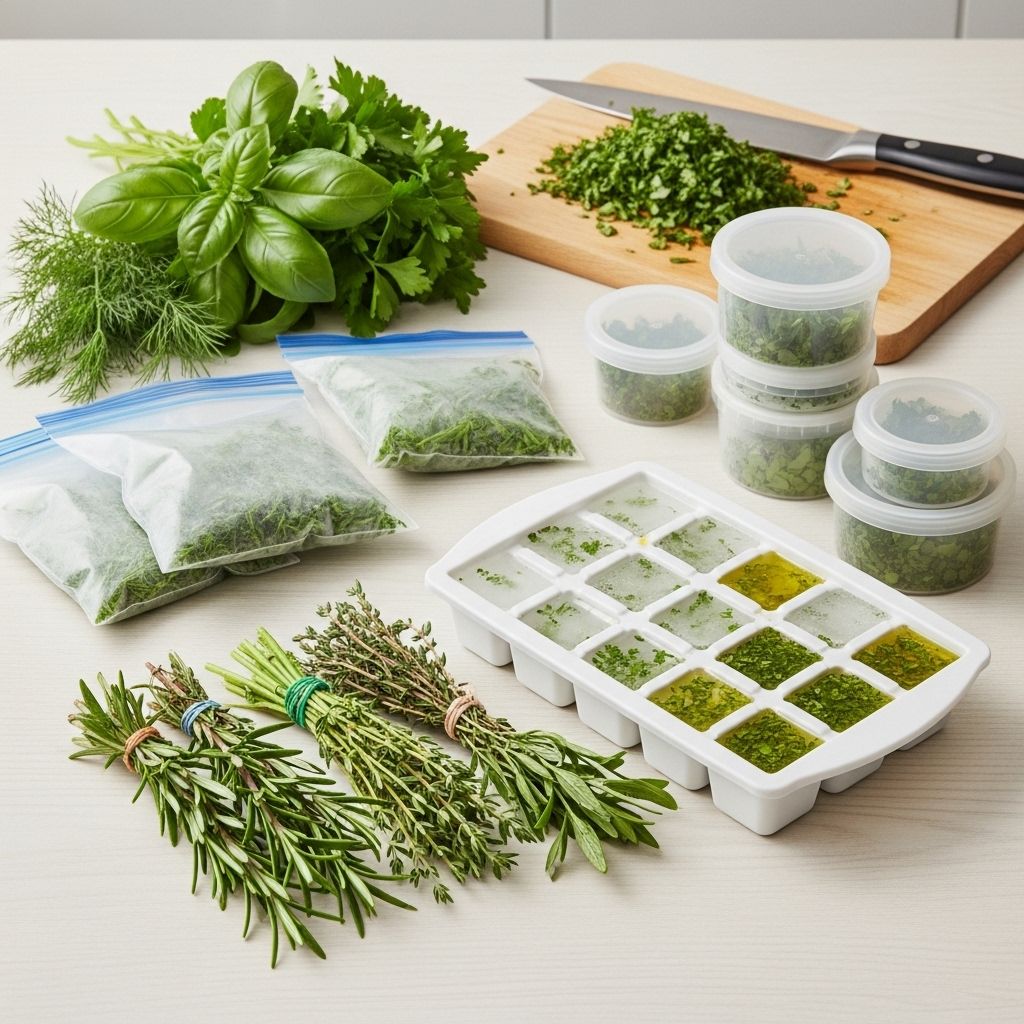
Fresh herbs are a cook’s gateway to vibrant, aromatic flavors all year round. However, herbs from the farmer’s market or home garden often wilt before you can use them all. The good news is: freezing herbs is a simple way to lock in those flavors and aromas, ensuring you don’t waste a sprig. This comprehensive guide walks you through everything you need to know about freezing herbs—from preparation to best practices for perfect preservation.
Why Freeze Herbs?
Freezing is one of the most effective ways to preserve the flavor and aroma of tender and hardy herbs alike. The cold halts the chemical processes that degrade flavor, color, and nutrition, giving you high-quality herbs whenever you need them. Unlike drying, which changes both texture and taste, freezing keeps herbs close to their fresh-picked taste and makes them readily usable in cooked dishes.
- Preserves flavor and aroma: Freezing stops the loss of aromatic oils.
- Prevents waste: Save excess herbs you can’t use immediately.
- Convenient: Herbs are ready for recipes, soups, sauces, and more.
- Cost-effective: Buy herbs in bulk or harvest in season, then freeze for future use.
Which Herbs Can Be Frozen?
Most herbs can be frozen, but some freeze better than others. Here’s a guide to what works best and what to avoid:
| Great for Freezing | May Not Freeze Well |
|---|---|
|
|
Note: While all listed herbs can be frozen, hardier herbs like rosemary and thyme retain texture better while soft herbs lose structure but maintain flavor.
Preparing Herbs for Freezing
Clean, healthy herbs yield the best frozen results. Here’s how to prep them:
- Wash Thoroughly: Rinse herbs in a bowl of cool water to remove soil, grit, and insects. Drain gently, changing water as needed.
- Dry Carefully: Pat dry using a lint-free towel or spin in a salad spinner. Moisture on the surface can form ice crystals, which lead to freezer burn and off textures.
- Remove Stems (if needed): For leafy herbs like basil, parsley, cilantro, and mint, remove the thick stems. Woody stems (rosemary, thyme, oregano) are fine to keep.
- Chop (optional): For easier use, chop herbs before freezing, especially if you know you’ll want them minced for recipes.
Freezing Whole Herb Sprigs
This method works best for hearty herbs or when you want to preserve whole sprigs for garnishes or bundles for soups.
- Arrange clean, dry sprigs in a single layer on a parchment-lined baking sheet.
- Place in the freezer for 1–2 hours until firm.
- Transfer frozen sprigs to a freezer-safe zip-top bag or airtight container, pressing out as much air as possible.
- Label with the name and date before returning to the freezer.
Sprigs may be brittle when thawed, so handle gently. Use directly from freezer in stews or for flavoring stocks.
Freezing Chopped Herbs
This approach is perfect for herbs you plan to use in pesto, vinaigrettes, or as recipe-ready additions.
- Chop washed and dried herbs to your preferred size.
- Spread the chopped herbs out on a baking sheet or tray to freeze individually for about 1 hour.
- Transfer the frozen pieces to a labeled zip-top bag or airtight container.
- Remove as much air as possible before sealing to minimize ice crystals and freezer burn.
Frozen chopped herbs can be measured straight from the bag as needed, no thawing required!
Herb Ice Cubes: Freezing Herbs in Oil or Water
One of the most versatile freezing methods is making herb ice cubes. This technique encases herbs in water or oil, preventing freezer burn and locking in freshness. It’s especially handy for soft leafy herbs like basil, dill, tarragon, and cilantro.
To Make Herb Ice Cubes:
- Chop the herbs finely or leave them in small sprigs as desired.
- Place roughly 1 to 2 tablespoons of herbs into each compartment of a clean ice cube tray.
- Cover with cold water or a neutral cooking oil (like olive or canola oil), just enough to cover the herbs.
- Freeze until solid (2–4 hours).
- Pop out the cubes and transfer immediately to a labeled freezer-safe bag or container.
- Use water-based cubes for soups, stews, or braises.
- Use oil-based cubes for sautés, pasta, or as finishing drizzles.
Freezing Specialty Herb Blends and Pestos
Herb blends and pestos are also easy to freeze. Make your favorite blend (like classic Italian parsley-basil mix, or French fines herbes), then spread in a thin layer in a shallow container, or freeze in cubes as above for quick additions to sauces and recipes.
For pestos:
- Prepare pesto as usual (but omit cheese, which is better added after thawing).
- Portion into an ice cube tray or small containers.
- Freeze until solid, then transfer to freezer bags or containers. Thaw and add to hot pasta or spread as needed.
Tips for Best Quality and Longevity
- Use airtight packaging: Oxygen exposure degrades flavor and promotes freezer burn. Press out all the air from bags or use vacuum-sealed options.
- Label everything: Write herb type and date frozen for easy reference.
- Use within 6 months: While herbs are safe for much longer, flavor and aroma are best within half a year.
- Keep portions small: Only freeze what you expect to use at a time; repeated thawing and refreezing diminishes quality.
- Don’t thaw before use: Add frozen herbs straight to hot dishes to maintain the most flavor.
Using Frozen Herbs in Cooking
Frozen herbs are best suited to cooked preparations, as their texture is soft and sometimes a bit damp from freezing. Here’s where and how they shine:
- Soups and stews: Toss frozen herbs in directly at the end of cooking for a fresh burst of flavor.
- Stocks and broths: Whole frozen sprigs are perfect for flavoring simmering liquid.
- Sauces and sautés: Use frozen, either as chopped leaves or oil-based cubes, being mindful of added oil in your recipe.
- Egg dishes: Stir chopped frozen herbs into omelets or frittatas for aromatic accents.
- Pasta and grains: Melt herb cubes or add frozen portions to starchy sides for easy flavor upgrades.
Note: Frozen herbs are less suitable for raw garnishes (like sprinkling on salads or finishing cold dishes), as their texture will be limp after thawing. For visual appeal and crispness, use fresh herbs. For flavor, frozen is fantastic!
Common Mistakes and How to Avoid Them
- Freezing wet herbs: Water on the exterior causes ice crystals and freezer burn. Dry herbs as much as possible before freezing.
- Freezing too much at once: Herbs packed together won’t freeze evenly, trapping moisture and causing browning or off odors.
- Skipping labeling: Mystery bags pile up quickly in the freezer. Always label with type and date.
- Not using airtight containers: Herbs rapidly lose quality in regular bags due to air exposure. Airtight is essential.
- Using old or wilted herbs: Freeze only the freshest, most aromatic herbs for the best results. Freezing won’t revive limp or flavorless greens.
Frequently Asked Questions (FAQs)
Q: How long do frozen herbs last?
Frozen herbs are at their flavor peak for 4–6 months, but can be used up to a year. Over time, the color may fade and some volatile oils can be lost, affecting aroma and taste.
Q: Can you freeze herbs with stems?
Woody-stemmed herbs like thyme and rosemary freeze well with stems. For soft herbs like parsley or cilantro, remove large stems for better texture and more convenient use.
Q: Should I blanch herbs before freezing?
Blanching isn’t necessary for most herbs. However, basil can darken when frozen; a quick blanch in boiling water for 5–10 seconds then chilling in an ice bath before drying and freezing will better preserve its color.
Q: Can I use frozen herbs in place of fresh?
Yes, but use them in cooked dishes rather than as fresh garnishes. Frozen herbs deliver nearly the same flavor as fresh when cooked.
Q: Do frozen herbs need to be thawed before use?
No—add directly from frozen to hot dishes. Thawing can make them mushy and more difficult to handle.
Conclusion
Learning how to freeze herbs puts fresh flavor at your fingertips, even in the depths of winter. With a few simple techniques, you can maximize herb harvests and market finds, while reducing waste and saving money. Whether you freeze whole sprigs, chopped portions, or handy cubes in oil or water, you’ll elevate your dishes effortlessly all year long. Happy preserving!
Similar Articles






Read full bio of medha deb