How to Make Perfect Microwave Poached Eggs
Master easy, mess-free poached eggs in your microwave—ready to top toast, bowls, and more in minutes!
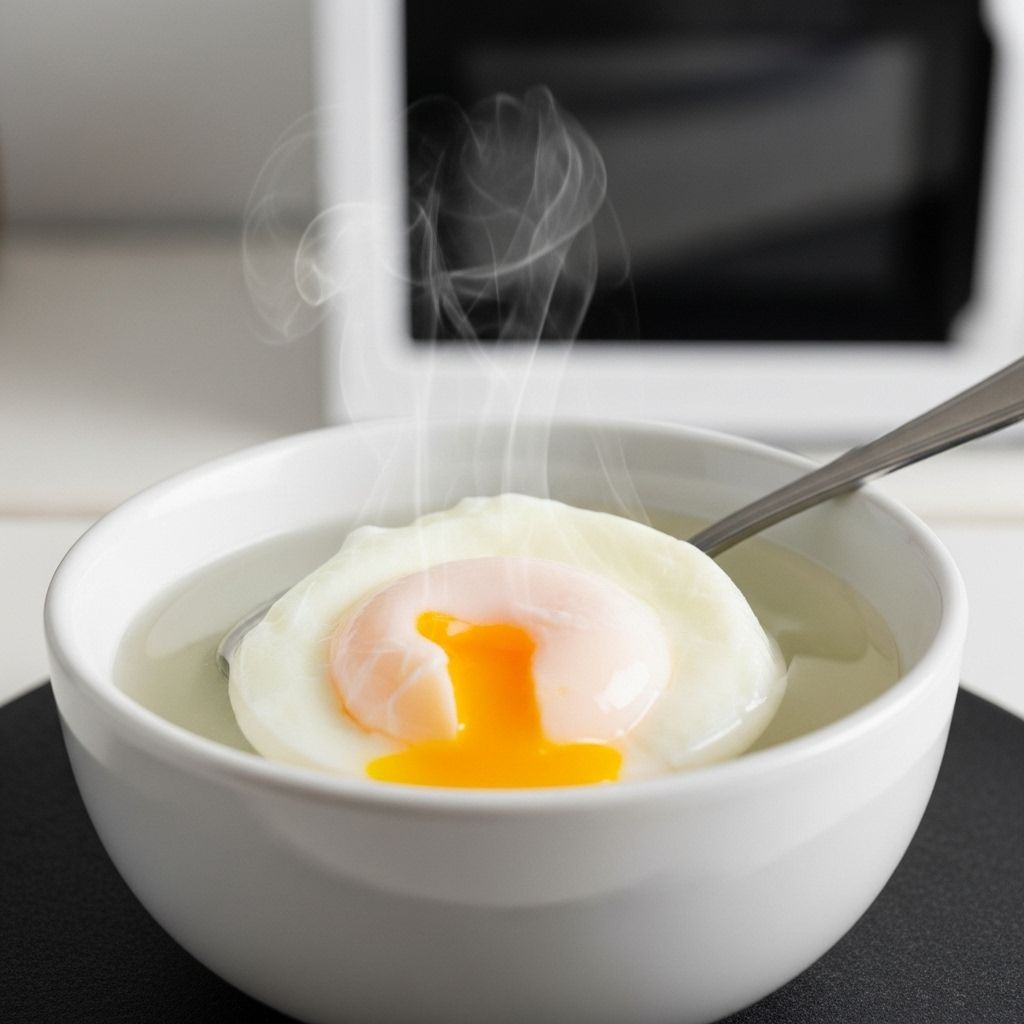
Poached eggs are a breakfast classic—creamy, tender, and delicate, with a perfectly runny yolk just waiting to crown toast, grain bowls, or salads. Traditionally, making poached eggs on the stovetop involves boiling, swirling, and sometimes wrestling with whisks and vinegar. But what if you could create all that magic in just minutes using your microwave? With this guide, you’ll learn how to poach eggs in the microwave with flawless, consistent results and minimal cleanup.
Why Microwave Poached Eggs?
Microwing poached eggs is gaining popularity for several excellent reasons:
- Speed: Poached eggs are ready in as little as one minute.
- Simplicity: There’s no need for boiling large pots of water or struggling with swirling techniques.
- Minimal Cleanup: Poach eggs in one mug or ramekin, so cleanup is effortless.
- Consistency: Get reliable, repeatable results using the same method every time.
So if you crave poached eggs but balk at the fuss, your microwave is the perfect solution.
What You’ll Need
To poach eggs in the microwave, you only need a few simple tools and ingredients:
- Microwave-safe mug, ramekin, or small bowl – The vessel should comfortably fit an egg and about 1/2 cup of water, leaving space for the egg to puff slightly without overflowing.
- Cold, large egg – Fresh eggs work best; their whites are tighter and result in neater poached eggs.
- Water – Filtered or tap, as long as it’s cold.
- Salt or vinegar (optional) – These can help the whites firm up, though only a small splash is needed and entirely optional.
- Microwave – Power output matters! Most recipes are tested on microwaves rated at 1000–1200 watts—a higher wattage means less cooking time is needed.
Step-by-Step Guide to Microwave Poached Eggs
Prepare the Mug
Fill your microwave-safe mug or ramekin with about 1/2 cup (120ml) of cold water. Optionally, add a pinch of salt or a few drops of vinegar for slightly firmer whites.
Add the Egg
Crack a cold, large egg into the water. If the yolk breaks, use a different egg, as an intact yolk is ideal for perfect poaching.
Microwave
Microwave uncovered for 30 seconds on high. Check the egg. The whites may still look somewhat translucent near the yolk.
Continue microwaving in 10–15 second increments, checking after each burst. Most eggs will finish poaching after a total of 45–60 seconds depending on microwave wattage and egg size.
Tip: Err on the side of undercooking—the residual heat will finish setting the white. If unsure, let the egg sit undisturbed for 30 seconds before removing it from the water.
Remove and Drain
Lift the egg gently from the water with a slotted spoon. If any whispy whites remain, trim them off for neater presentation (optional). Dab the egg with a paper towel to remove excess moisture.
Timing Chart: How Long Does It Take?
Exact timing depends on your microwave’s power and the size and temperature of your egg. Use this table as a guideline:
| Microwave Power (Watts) | Initial Cooking Time | Additional Bursts |
|---|---|---|
| 1200 | 30 seconds | 1–2 rounds of 10 seconds |
| 1000 | 35 seconds | 1–2 rounds of 10–15 seconds |
| 800 | 40 seconds | 1–2 rounds of 15 seconds |
Always check after each burst of cooking. If using extra-large eggs or eggs straight from the fridge, times may be slightly longer.
Troubleshooting and Tips for Success
- Egg Exploded? Sometimes, a poached egg can burst in the microwave. To reduce this risk, pierce the yolk very lightly with the tip of a toothpick. Don’t scramble it—just a shallow poke helps vent steam.
- Whites too Runny? Microwave in short additional increments, but avoid going too far or the yolk may harden.
- Too Much Water? Stick to about 1/2 cup, just enough to submerge the egg and allow gentle poaching.
- Cloudy Water? Some whites may feather out, especially with older eggs. Using the freshest eggs possible yields the neatest poaches.
- Egg Stuck? Gently swirl the water before microwaving, or run a spoon along the bottom before removing the egg.
Tips for the Best Microwave Poached Eggs
- Always start with cold eggs, straight from the refrigerator for best shape.
- A very small splash of vinegar can help the whites solidify but isn’t essential for success.
- Use a mug or ramekin that allows the egg to settle at the bottom—too wide and the egg will spread.
- Microwave in intervals and watch closely to avoid overcooking.
- Use a slotted spoon to transfer the poached egg, allowing water to drain off for a perfect, not-soggy, result.
Serving Suggestions
Microwaved poached eggs are as versatile as their stovetop cousins. Here are some delicious pairing ideas:
- On buttered toast with avocado, smoked salmon, or sliced tomatoes.
- Crowned on a bowl of grits or creamy polenta.
- Nestled atop a breakfast grain bowl or salad with greens and vinaigrette.
- Added to ramen, congee, or noodle soups for extra richness.
- On classic Eggs Benedict—replace the stovetop egg with a microwave-poached one.
Frequently Asked Questions
Q: Can you poach more than one egg at a time in the microwave?
A: It’s best to poach eggs one at a time to ensure even cooking and prevent sticking. If you need multiple eggs, use separate mugs or cook them sequentially.
Q: Does the egg need to be fully submerged?
A: The egg should be just covered by water for gentle poaching. If too much white is exposed, it may cook unevenly.
Q: Do I need to add vinegar or salt?
A: Adding a splash of vinegar or a pinch of salt helps the whites firm up but isn’t strictly necessary. Very fresh eggs usually set up nicely without additives.
Q: How do I prevent my poached egg from exploding?
A: Pierce the egg yolk very gently with a toothpick to provide a vent for steam—this dramatically reduces the risk of explosion.
Q: What’s the ideal vessel for microwave poaching eggs?
A: A ceramic mug or ramekin works best, as they distribute heat evenly and are easy to handle when hot.
Q: What if my poached egg is too soft or too firm?
A: If too soft, microwave in very short bursts (5–10 seconds). If overcooked, reduce the initial time next batch, as every microwave varies slightly.
Microwave Poached Eggs: Step-by-Step Summary
- Fill mug with 1/2 cup cold water (+ optional dash vinegar/salt)
- Crack in cold, large egg
- Pierce yolk carefully with a toothpick (optional, prevents bursting)
- Microwave 30–40 seconds on high
- Check and, if needed, continue in 10-second bursts until whites set
- Let sit 30 seconds, then lift egg out using slotted spoon
- Serve immediately over your favorite base
Nutrition Information (Approximate per Large Egg)
| Calories | Carbohydrates | Protein | Fat | Saturated Fat | Cholesterol | Sodium |
|---|---|---|---|---|---|---|
| 70 | 0g | 6g | 5g | 1.5g | 185mg | 70mg |
Final Thoughts: Why You’ll Love Microwave Poached Eggs
Once you master this microwave poaching technique, you’ll find it hard to go back to boiling water and swirling vinegar. In minutes, you have healthy, chef-worthy eggs with zero mess and foolproof results. Experiment with flavor add-ins, try multiple different vessels, and never skip breakfast again!
With a little practice and these tips, poached eggs can be quick enough for weekday mornings and perfect enough for weekend brunch. Grab your favorite mug and give it a try!
Similar Articles






Read full bio of medha deb