How to Make a Perfect Pork Loin Roast: A Complete Guide
Master pork loin roast with tips on prep, seasoning, roasting, and more for a centerpiece meal.
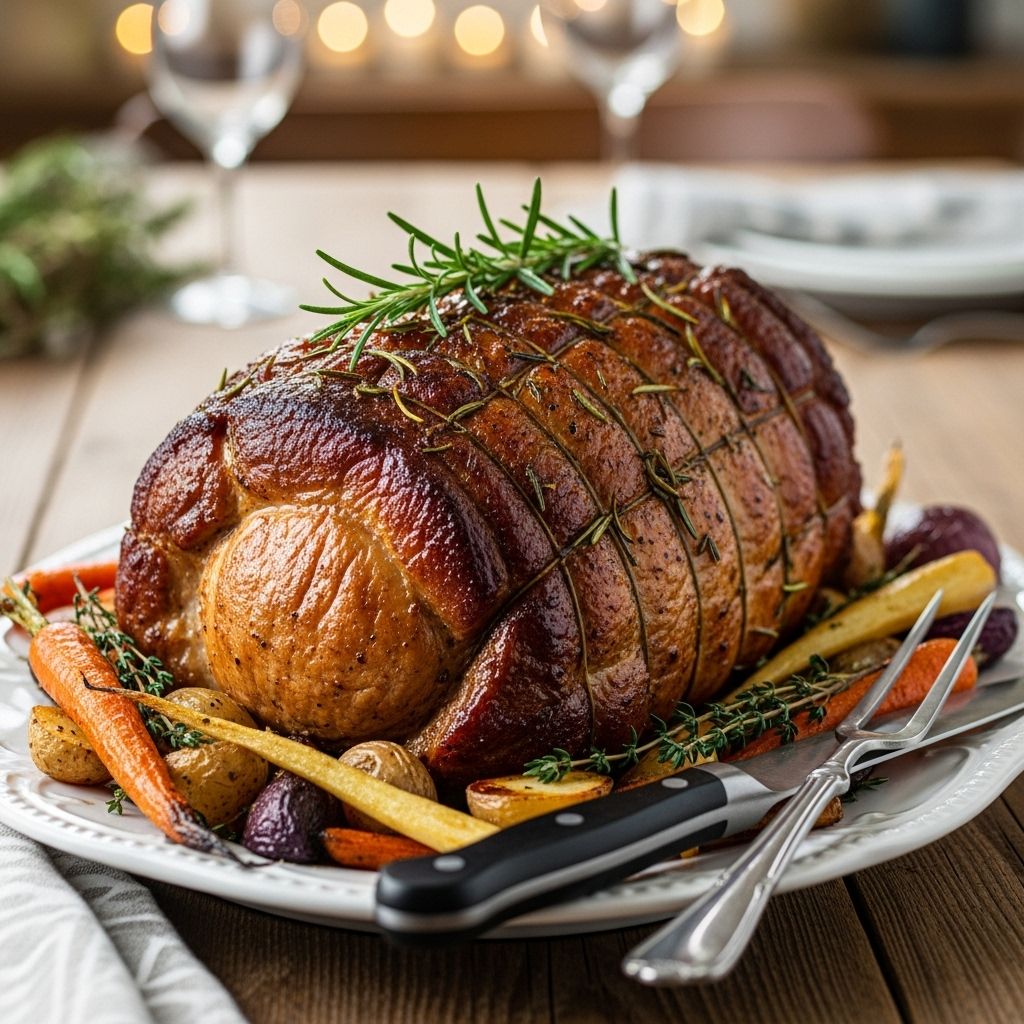
How to Make a Pork Loin Roast: Step-by-Step Guide
If you’re searching for a showstopping, budget-friendly centerpiece for family gatherings or holiday dinners, look no further than the classic pork loin roast. Juicy, tender, and flavorful, this cut of pork takes on seasoning beautifully, offers plenty of versatility, and is surprisingly easy to prepare at home.
This guide will walk you through all the crucial steps: selecting your pork, prepping and trimming, seasoning options, roasting guidelines, serving advice, and answers to common questions. Whether you’re a culinary beginner or a seasoned home cook, you’ll find everything you need to achieve pork roast perfection.
What Is Pork Loin?
Pork loin is a wide, rectangular cut from the back of the pig, famed for its balance of leanness and flavor. Not to be confused with pork tenderloin (a slimmer, smaller cut), pork loin is usually sold boneless or bone-in and comes with a cap of fat that keeps the meat moist as it roasts.
- Size: Typically sold in 2- to 5-pound pieces. Whole pork loins can weigh up to 8 pounds and are often cut to fit your needs.
- Fat Cap: Most pork loins come with a layer of fat on top, which helps flavor and tenderize the roast.
- Uses: Perfect for roasting, grilling, or slow-cooking. Slices beautifully for serving as a centerpiece or for leftovers.
Pork Loin vs. Pork Tenderloin
| Feature | Pork Loin | Pork Tenderloin |
|---|---|---|
| Shape | Wide, oval, can be large | Long, narrow, smaller |
| Texture | Lean, but with fat cap | Very tender, very lean |
| Cooking Method | Best roasted or grilled | Quick cooking, sometimes pan-seared then finished in oven |
| Typical Serving Size | 2–5 lbs (serves a crowd) | 1 lb (serves 2–4) |
Don’t substitute one for the other—cooking methods and timings differ!
How to Choose & Prep Pork Loin
Selecting the Right Cut
- Boneless pork loin: Simple to slice and serve; roasts evenly.
- Bone-in pork loin: Adds flavor and visual appeal but may take slightly longer to cook.
- Check freshness: Look for a firm, pink roast with a thin white fat cap and no off odors.
Trimming the Pork Loin
Before seasoning, check if the roast needs trimming:
- Fat cap: Keep most of the fat for flavor, but trim any thick excess (leave about ¼ inch).
- Silver skin: This thin membrane under the fat may be left on if covered in fat; it will be removed when slicing to serve.
If you purchase a large pork loin, cut it into portions suitable for your occasion. Freeze extra portions for later use.
Seasoning Pork Loin: Simple to Savory
Classic Dry Rub
The pork loin’s mild flavor welcomes a variety of rubs and seasonings. The classic combination includes:
- Kosher salt (about 1 tablespoon per 5-pound roast)
- Fresh cracked black pepper
- Minced or crushed garlic (4–6 cloves)
- Dried or fresh herbs (sage, thyme, rosemary, or a blend)
Mix the ingredients and massage thoroughly over the pork roast, ensuring all sides are coated. Feel free to add your favorite herbs, smoked paprika, cumin, or even a touch of brown sugar for caramelization.
Flavor Variations and Enhancements
- Glazes: A glaze of honey, maple syrup, or fruit preserves brushed in the last 20 minutes of roasting adds sweetness and shine.
- Marinades: Marinate with olive oil, vinegar, citrus, and herbs for extra depth (1–24 hours, refrigerated).
- Stuffing: Cut a slit through the center or butterfly the loin, then fill with seasoned breadcrumbs, fruit, or sausage for a special presentation.
How to Roast Pork Loin: Time, Temperature, and Technique
Setting Up for Roasting
- Preheat the oven to 350°F (175°C).
- Line a rimmed baking sheet or roasting pan with aluminum foil for easy cleanup, and lightly coat with nonstick spray.
- Place a rack in the pan to lift the roast and encourage even circulation of heat (optional but recommended).
Cooking Instructions
- After applying your seasoning or rub, place the pork loin fat-side up on the prepared pan or rack. This allows the melting fat to baste the meat as it cooks.
- Roast uncovered, generally for 20 minutes per pound, but always use a meat thermometer to ensure perfect doneness.
- Basting with glaze (optional): Brush your chosen glaze over the roast during the last 15–20 minutes of cook time for a lacquered finish.
- The pork is done when the internal temperature at the thickest section reads 145°F (63°C) (per USDA guidance)—this will yield juicy, slightly pink slices. Do not overcook, or the meat may become dry.
Resting the Roast
Let the pork loin rest on a cutting board, tented with foil, for 10-15 minutes before slicing. This lets the juices redistribute throughout the meat for maximum juiciness and flavor.
Slicing and Serving Pork Loin Roast
Using a sharp carving or chef’s knife, slice the roast against the grain into even, half-inch-thick slices. If you left the fat cap on, trim away any excess fat and silver skin as you carve.
- Serve the pork slices with pan juices or reserved glaze. Offer sides like roasted vegetables, mashed potatoes, applesauce, or a green salad for a balanced meal.
- Thick slices make excellent main courses. Leftovers can be used for sandwiches, tacos, or stir-fries.
Tips for the Juiciest Pork Loin Roast
- Don’t overcook: Pork is lean, so cook just to 145°F and rest well.
- Let it rest: Resting is critical for juicy results; never skip it!
- Season boldly: Pork loin has a mild flavor, so don’t be shy with herbs, garlic, and spices.
- Sear for a crust: For extra depth, you can sear the roast in a hot skillet for 2–3 minutes per side before roasting, especially if it’s smaller or boneless.
- Use a thermometer: It’s the best way to avoid under- or over-cooked results.
Common Pork Loin Problems and Solutions
| Issue | Solution |
|---|---|
| Pork is dry | Ensure correct cooking temperature; do not exceed 145°F. Let the roast rest after cooking for juiciness. |
| No flavor | Use a generous rub or marinade; season all sides well. |
| Tough texture | Trim excess connective tissue only; slice against the grain to maximize tenderness. |
| Fat is chewy | Trim only thick or hard fat; thin fat cap helps flavor without excess. |
Troubleshooting & Expert Tips
- Cooking too quickly? Lower your oven temperature slightly and check the roast early to avoid overcooking.
- Want crispier crust? Briefly broil the roast at the end of cooking, watching closely to avoid burning.
- Add aromatics: Scatter onions, garlic, or root vegetables around the roast for extra flavor.
- Leftover ideas: Try pork roast in sandwiches with mustard, tacos, fried rice, or as a salad topper.
Frequently Asked Questions (FAQs)
Q: How do I store leftover pork loin roast?
A: Allow the pork to cool completely, then store tightly wrapped in the refrigerator for up to 4 days. Reheat in a low oven or slice thin for sandwiches to prevent drying out.
Q: Can I freeze pork loin roast?
A: Absolutely. Wrap slices tightly in plastic wrap and foil, or place in a freezer bag. Store for up to 3 months. Thaw overnight in the fridge before reheating.
Q: Can I stuff pork loin?
A: Yes! Cut a pocket or butterfly the pork loin and fill with your favorite stuffing. Tie with kitchen twine before roasting to secure the filling.
Q: What’s the best way to add flavor?
A: Use bold spice rubs, fresh herbs, aromatics in the pan (like garlic and onions), or brush on a glaze during roasting for extra depth and a shiny finish.
Q: How do I know the pork is done?
A: Always check with an instant-read thermometer. Pork loin is ready at 145°F (63°C) at the thickest part. Rest before slicing.
Recipe: Classic Pork Loin Roast
- 1 (5-lb) boneless pork loin
- 1 tablespoon kosher salt
- 1 teaspoon freshly ground black pepper
- 5 cloves garlic, minced
- 1 tablespoon chopped fresh sage (or rosemary/thyme)
- Optional: 2 tablespoons olive oil, 1/4 cup honey or fruit preserves for glaze
- Preheat oven to 350°F (175°C). Line a baking dish with foil and place a rack inside (if available).
- Trim excess fat from pork loin, leaving 1/4-inch fat cap. Pat dry with paper towels.
- Mix salt, pepper, garlic, and herbs. Rub all over pork, coating evenly.
- Place pork fat-side up on rack. Roast for about 1.5–2 hours (20 minutes per pound), basting with glaze every 15–20 minutes during the last half hour if desired.
- Roast until thermometer inserted in thickest part reads 145°F (63°C).
- Remove from oven, tent loosely with foil, and let rest 10–15 minutes before carving.
- Slice and serve with pan juices. Enjoy your perfect home-cooked pork loin roast!
Final Thoughts
Making a pork loin roast at home is both satisfying and practical. With the right preparation, seasoning, and careful roasting, you’ll have a main dish that’s as impressive as it is delicious. Perfect for holidays, Sunday suppers, or meal prepping, this versatile roast deserves a place in every home cook’s repertoire.
Similar Articles






Read full bio of Sneha Tete