How to Store Potatoes: A Complete Guide for Freshness
Unlock the secrets to storing potatoes for maximum shelf life, flavor, and freshness with simple tips and expert advice.
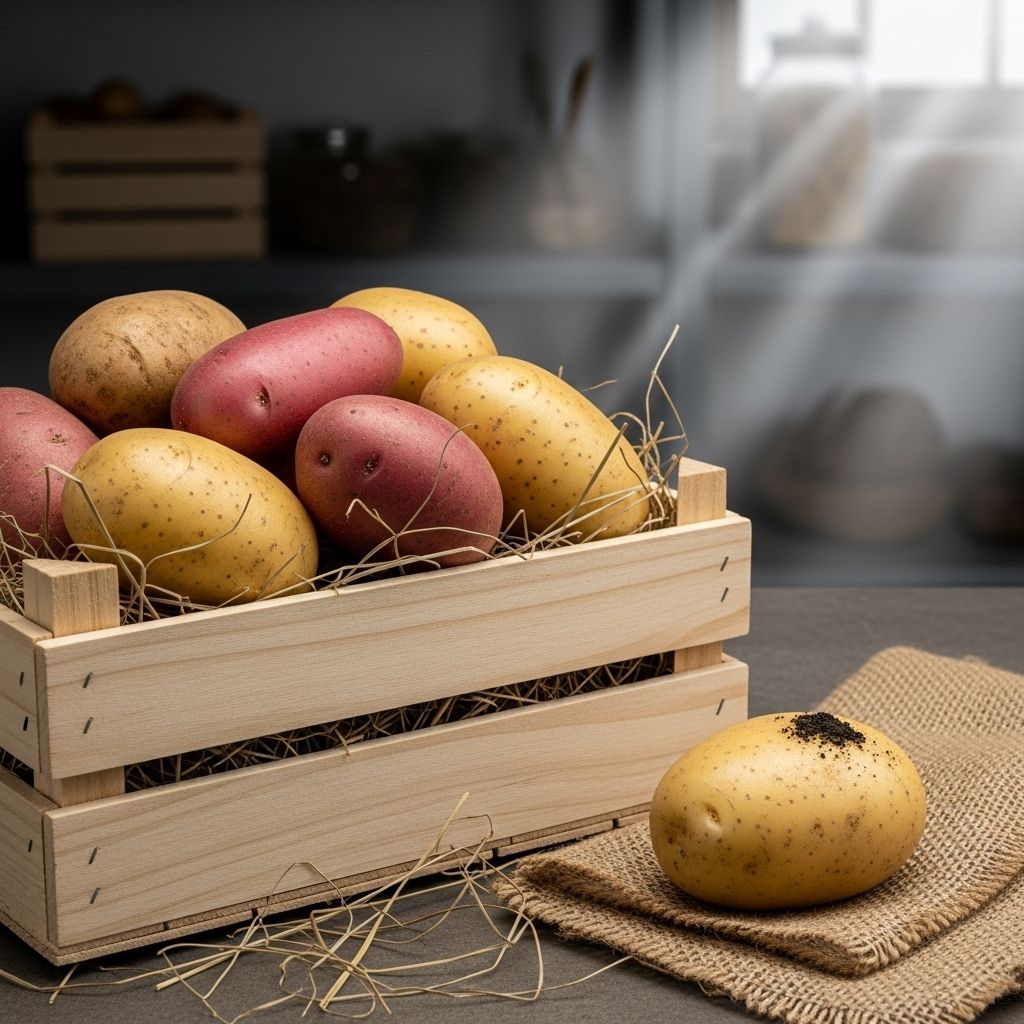
Potatoes are a kitchen staple, valued for their versatility and long shelf life. Whether you’re planning classic mashed potatoes, crispy fries, or hearty stews, keeping potatoes fresh and ready to use is essential. However, improper storage can quickly turn a bag of promising tubers into a ruined, sprouting, or moldy mess. This comprehensive guide will walk you through everything you need to know about storing potatoes, preventing spoilage, and ensuring you get the best out of every spud.
Why Storing Potatoes Correctly Matters
Potatoes are living roots that continue to respire and change after harvest. How you store them makes a huge difference in their quality, taste, and longevity. Improper conditions can promote sprouting, shriveling, greening, or even the growth of toxic compounds. Storing potatoes right not only preserves their taste and texture but also protects your health and cooking experience.
How Potatoes Spoil: Understanding the Enemies of Freshness
To master potato storage, it’s important to first understand the main ways potatoes can deteriorate:
- Sprouting: Exposure to warmth and light causes potatoes to sprout. While small sprouts are not harmful, they signal nutrient loss and can compromise texture and flavor.
- Shriveling: Dry environments and high temperatures or prolonged storage can cause potatoes to lose moisture, resulting in wrinkled skins and rubbery flesh.
- Greening: When potatoes are exposed to light, they develop chlorophyll and turn green. More concerning, this is often accompanied by the formation of solanine, a mildly toxic glycoalkaloid compound.
- Mold and Rot: Potatoes stored in moist or poorly ventilated areas can develop mold or rot, ruining them for consumption.
The Ideal Potato Storage Environment
Potatoes are best stored in conditions that are:
- Cool: The optimal temperature for potato storage is between 45°F and 55°F (about 7°C to 13°C). Temperatures much below this (like those in a refrigerator) cause the potato’s starches to begin converting into sugars, resulting in an off-sweet taste and browning when cooked. Warmer temperatures make the potatoes sprout faster.
- Dark: Light encourages greening and sprouting. Store potatoes out of direct sunlight and indoor lighting to avoid this problem.
- Well-Ventilated: Air circulation is key in preventing moisture buildup, which can lead to mold and rot. Avoid airtight containers or plastic bags for long-term storage.
- Moderately Humid: Ideally, the storage spot should have some humidity (about 80-90%) to prevent shriveling, but not so much that it leads to condensation or mold.
Common Places for Potato Storage
Not everyone has a root cellar, but you can still find good spots in most homes:
| Storage Location | Pros | Cons |
|---|---|---|
| Root Cellar | Perfect conditions for long-term storage. | Rare in modern homes. |
| Cool Pantry/Basement | Cool and dark, often good airflow. | Can be too dry or too damp; watch for humidity. |
| Kitchen Cabinet | Convenient access. | Usually too warm; good only for short-term storage. |
| Garage | Cool in winter, dark. | Can freeze in winter, get hot in summer. |
| Refrigerator | Cool and dark. | Too cold, causes starch conversion and sweetening. |
Step-by-Step Guide: How to Store Potatoes for Maximum Freshness
- Sort and Inspect: Before storing, check your potatoes carefully. Remove any with cuts, bruises, green spots, or signs of rot or mold. Damaged potatoes will spoil faster and can cause problems for the whole batch.
- Don’t Wash Before Storage: Potatoes should be stored unwashed. Washing before storage leaves them damp, which encourages mold. Brush off any excess dirt instead. Only wash potatoes right before using them.
- Choose the Right Container: For best results, use a container that allows some air circulation:
- Paper bags
- Cardboard boxes
- Mesh sacks
- Slatted wooden crates
Avoid plastic bags, tight-lidded containers, or anything that traps moisture.
- Find a Suitable Storage Spot: Place your potatoes in a cool, dark, and well-ventilated place. Check the temperature; avoid anywhere too hot or too cold.
- Keep Away From Onions: Storing potatoes with onions hastens both to sprout and rot due to release of gases and moisture. Find separate spaces for each.
- Monitor Regularly: Check your potatoes every week or two. Remove any with soft spots, sprouts, or greening. One bad potato can quickly affect others nearby.
Do’s and Don’ts of Potato Storage
- Do keep potatoes in the dark but well-aerated environment.
- Do remove any sprouting or spoiled potatoes immediately.
- Do not refrigerate raw potatoes if you want to maintain their classic flavor.
- Do not store potatoes with apples, onions, bananas, or other high-ethylene-producing fruits and vegetables.
- Do not store potatoes in plastic bags—these increase humidity and trap ethylene gases.
What to Do When Potatoes Start to Sprout, Green, or Shrivel
- If a potato sprouts, you can cut off the sprouts and use the potato if the flesh is still firm and healthy-looking. If much of the potato is soft or excessively shriveled, compost it instead.
- If a potato has green patches, it indicates a buildup of solanine. Trim away any green portions deeply; if most of the potato is green, discard it. Consuming green potatoes in quantity can cause stomach upset or worse.
- If potatoes are shriveled, they’re safe but will taste dry and have a poor texture; use them only as a last resort for recipes where texture is not as important.
Can You Freeze Potatoes?
Raw potatoes do not freeze well—their high water content causes mushiness when thawed. If you want to keep potatoes longer, consider freezing only after cooking or blanching:
- Blanch sliced or boiled potatoes before freezing. Boil until just tender, cool quickly, and freeze on a tray before storing in freezer bags.
- Mash and freeze mashed or cooked potatoes for convenience.
- Whole raw potatoes are best consumed fresh or stored only with proper environmental controls.
Special Tips for Different Types of Potatoes
- New (Baby) Potatoes: These have thin, delicate skins and higher moisture. They don’t keep as long as mature potatoes—plan to use them within a week.
- Russet (Baking) Potatoes: Thick skins and lower moisture make them ideal for long-term storage under the right conditions—often several months.
- Red and Yellow Potatoes: These keep fairly well, usually for several weeks, but watch for early sprouting or soft spots.
- Fingerlings: Small size means they’re best used within 1-2 weeks. Store just as you would other potatoes, but check more frequently for spoilage.
How Long Will Potatoes Last?
The shelf life of potatoes depends on the type and your storage conditions. Here’s a general guideline:
| Potato Type | Pantry (cool, dark, ventilated) | Countertop (room temperature) |
|---|---|---|
| Russet | 1 to 3 months | 1 to 2 weeks |
| Yukon Gold/Red | 2 to 3 weeks | 1 week |
| New/Baby Potatoes | up to 1 week | 2-5 days |
Remember, these timeframes assume you’ve stored the potatoes properly and check them regularly for spoilage.
Storing Cooked Potatoes
Cooked potatoes should always be refrigerated. Place them in an airtight container in the fridge and use within 3-5 days. For longer storage, freeze cooked potatoes—their texture may change, but they’re perfect for mashing, soups, or casseroles.
Frequently Asked Questions (FAQs)
Can you eat sprouted potatoes?
Small sprouts can be removed and the potato used if the flesh is still firm. However, never eat potatoes with extensive sprouting, soft spots, or green coloring, as these may be unsafe.
Is it okay to eat potatoes that have turned green?
No. Green potatoes often contain elevated levels of solanine, which can cause unpleasant symptoms if ingested in quantity. Small green patches can be cut away deeply, but if most of the potato is green, discard it.
Should potatoes always be washed before storage?
No. Washing adds moisture, which promotes rot during storage. Brush off excess dirt only. Wash just before cooking.
Can potatoes go bad if stored too long?
Yes. Even in the best conditions, potatoes will eventually spoil due to sprouting, rotting, or shriveling. Regular inspection helps prevent waste.
How do you know if a potato is bad?
Discard any potatoes that are excessively soft, shriveled, moldy, or have a foul odor. Green coloring is also a warning sign.
Conclusion
Storing potatoes correctly is simple, but attention to detail makes all the difference between flavorful, versatile staples and disappointing waste. By sorting your potatoes, providing the right environment, and inspecting them regularly, you can enjoy the full potential of these reliable kitchen workhorses for weeks—or even months—to come. Happy cooking!
Similar Articles


Read full bio of medha deb